







Simpler hardware with no pump
Gearjury may earn a commission from retailer links. Editorial content is based on cited evidence.
Head to head
Air Cooler vs Liquid Cooler: CPU Cooling Differences
For PC hardware, these terms describe CPU coolers. Air models move heat through a heatsink and fan; liquid models circulate coolant to a radiator. Neither label guarantees lower temperatures or less noise.
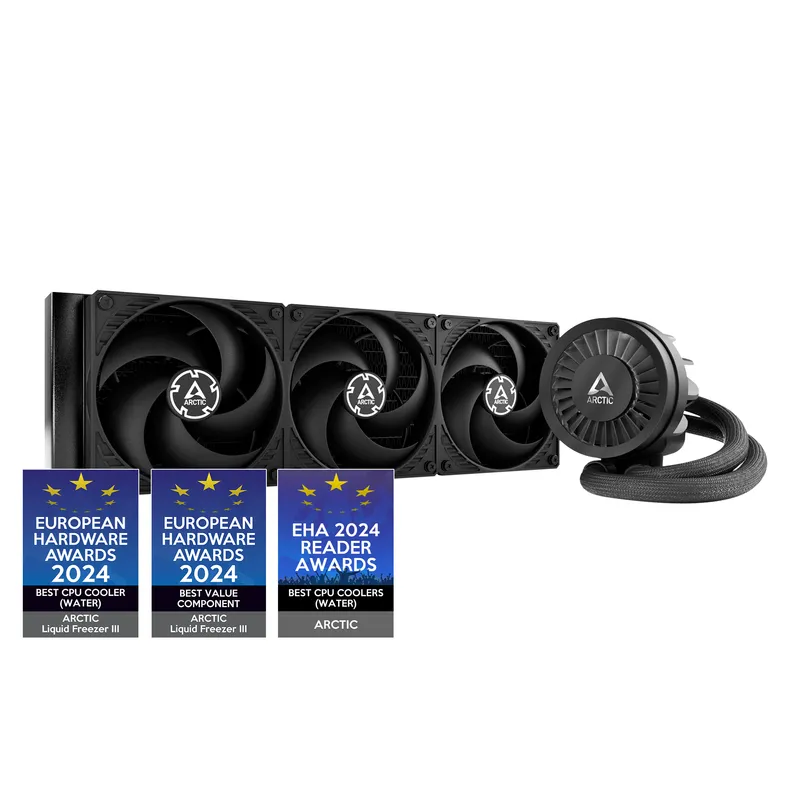 Official manufacturer image
Radiator-based installation
ARCTIC Liquid Freezer III 360
Check price on Amazon.caSponsored link · no live price shown
The verdict
For PC use, match cooler design to CPU load and case fit. These are computer components, not room-cooling appliances.
Simpler hardware with no pump: Noctua NH-D15 G2
The Noctua product is a heatsink-and-fan design.
Radiator-based installation: ARCTIC Liquid Freezer III 360
The ARCTIC product is a closed-loop liquid cooler with a 360 mm radiator.
Cooling a room: —
Neither is a household air cooler: both transfer heat from a computer processor.
Compare them side by side
| Noctua NH-D15 G2 | Official manufacturer imageARCTIC Liquid Freezer III 360 | |
|---|---|---|
| Cooler type | Tower air cooler | AIO liquid CPU cooler |
| Physical fit | 168 mm height | 398 × 120 × 38 mm radiator |
| Pump hardware | None | Included |
| Room cooling | No | No |
| Compatibility | Check current socket and case list | Check current socket and radiator support |
| Check price on Amazon.ca |
Common questions
Questions before you buy
Is a liquid CPU cooler better than an air cooler?
It depends on CPU load, case layout, noise targets and installation. Compare independent tests under matching conditions and confirm compatibility.
Does “air cooler†mean an evaporative room cooler here?
In PC discussions, it usually means a heatsink-and-fan CPU cooler. An evaporative household cooler is a separate appliance category.
Can an AIO cool a room?
No. It transfers heat from a computer CPU to the radiator and releases that heat into the surrounding room.
What should I compare besides temperature?
Check case and socket fit, radiator or cooler clearance, noise under the same workload, fan control, installation complexity and warranty terms.
Sources and how we chose
- Noctua NH-D15 G2 · 2026-10-18
- ARCTIC Liquid Freezer III 360 · 2026-10-18
Keep exploring
Related guides

Best Portable Air Coolers to Consider in 2026
For a Canadian home, begin with Midea’s locally listed evaporative unit, then consider a personal fan or purifier fan if added moisture is a poor fit.
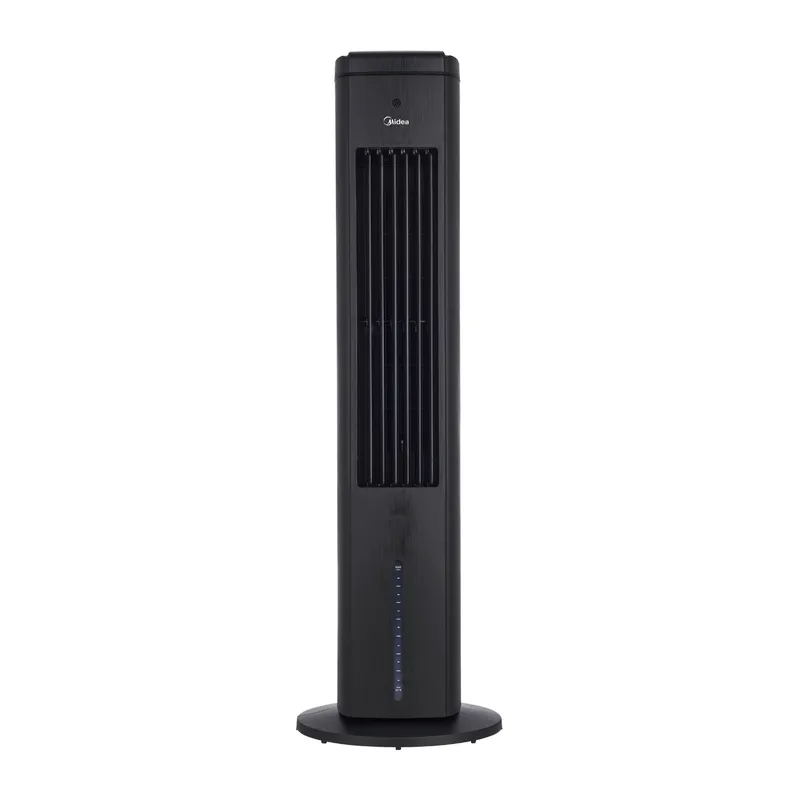
Midea Portable Air Cooler Options for Canadian Homes
Midea Canada lists a direct-cooling evaporative unit. Its product details make it possible to compare controls and dimensions, while humidity and room ventilation remain key to fit.
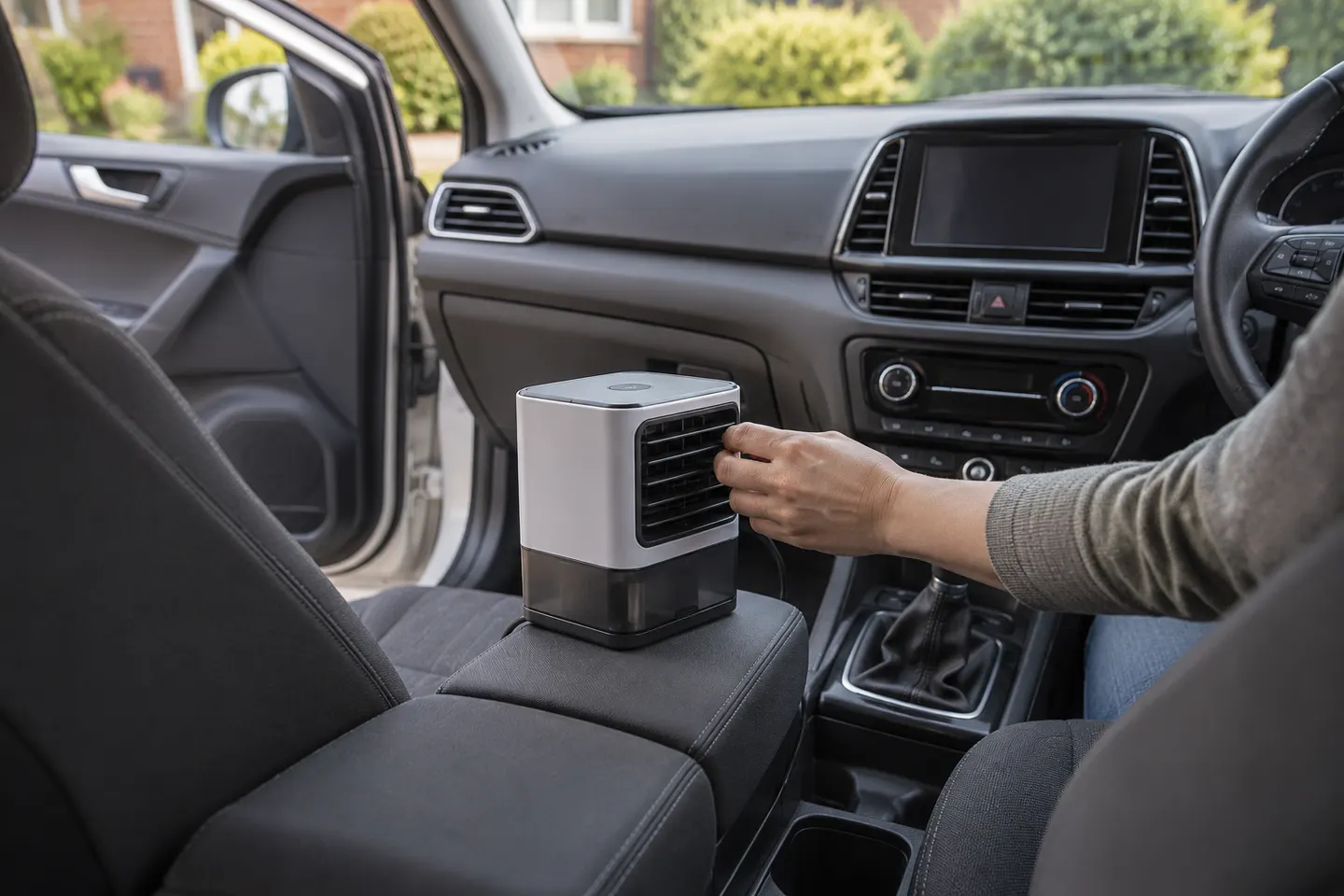
Car Air Coolers: Portable Cooling Options for Vehicles
A true evaporative cooler needs water, ventilation and a suitable power source. For most vehicles, a compact fan is easier to use than a household cooler.
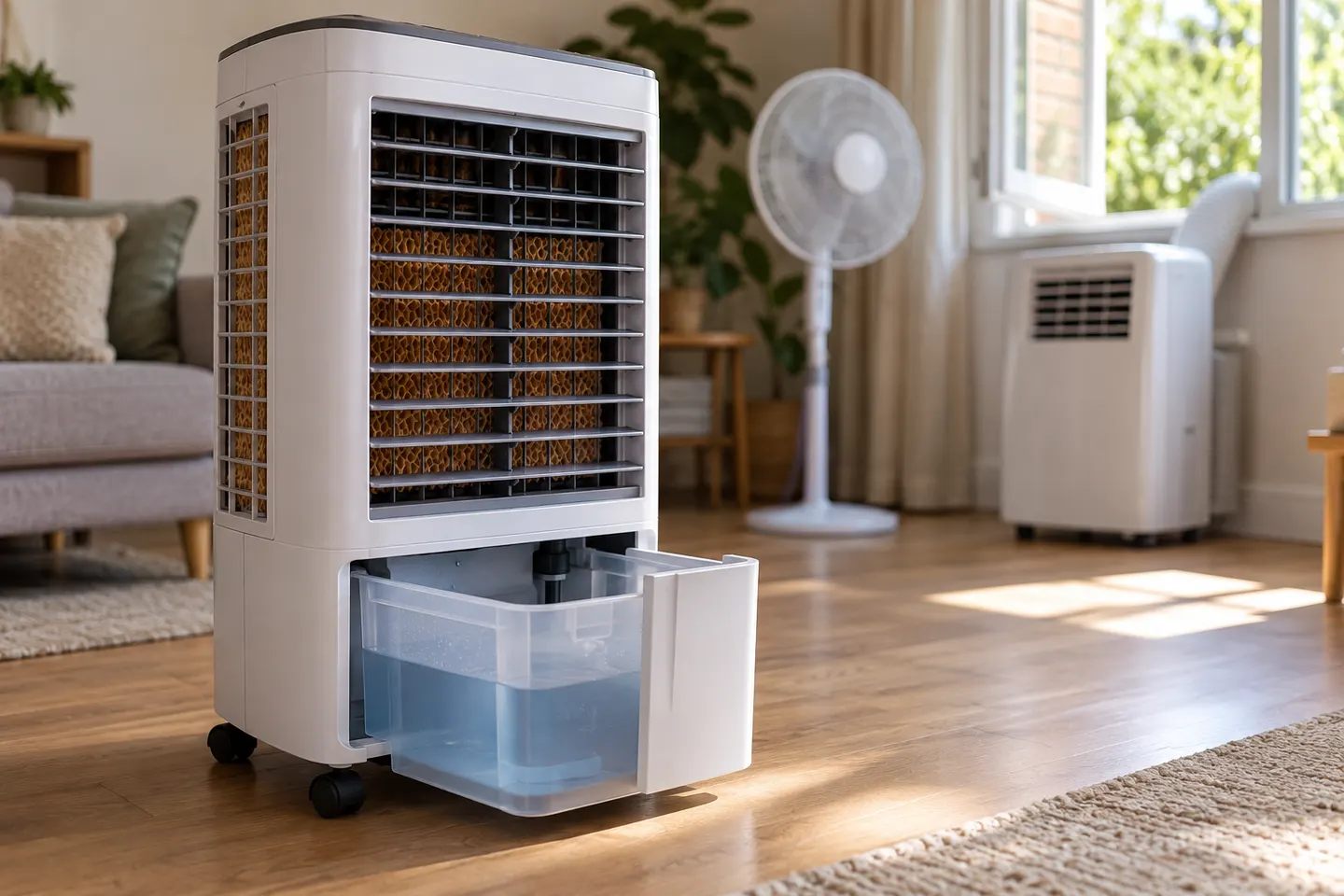
Portable Air Coolers: Compare Evaporative and Fan Options
A portable air cooler can mean an evaporative unit or simply a fan marketed for personal cooling. Start by matching the technology to your room and climate.