








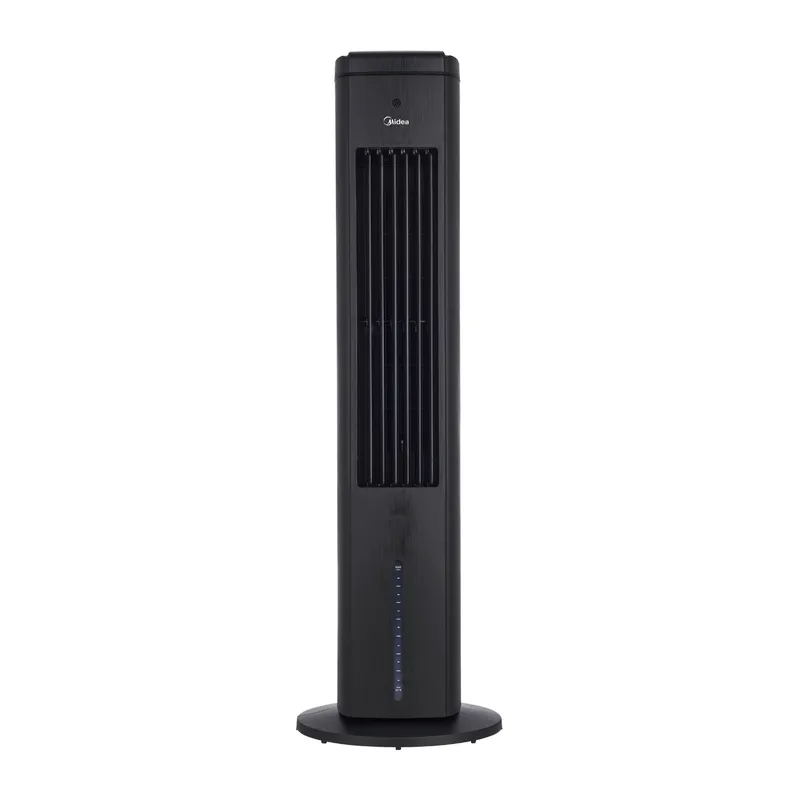
 Official manufacturer image
Our picks
Top picks
Official manufacturer image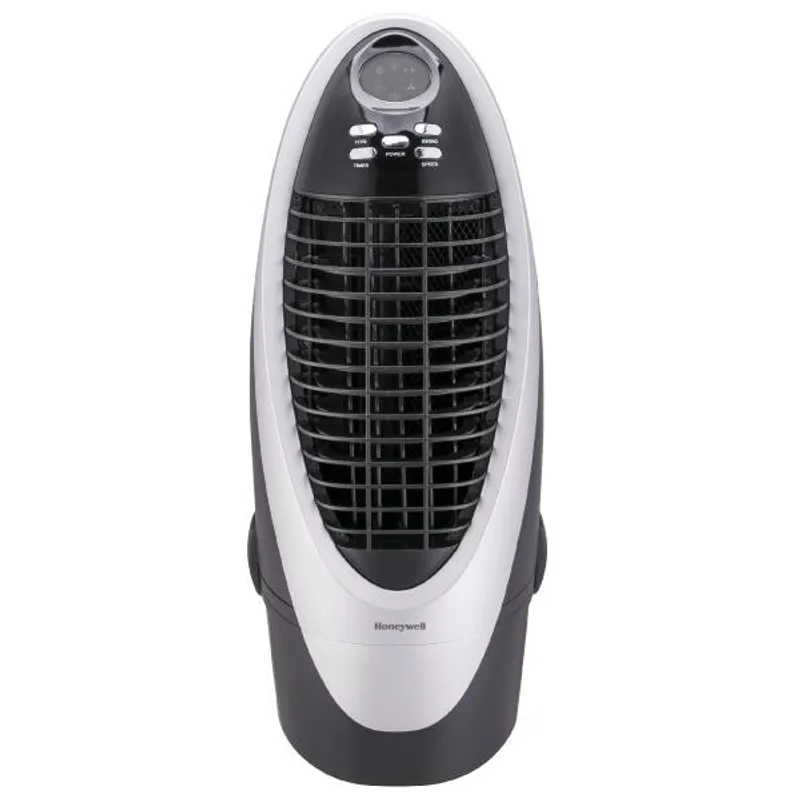 Official manufacturer image
Honeywell CS10XE
Check price on Amazon.ca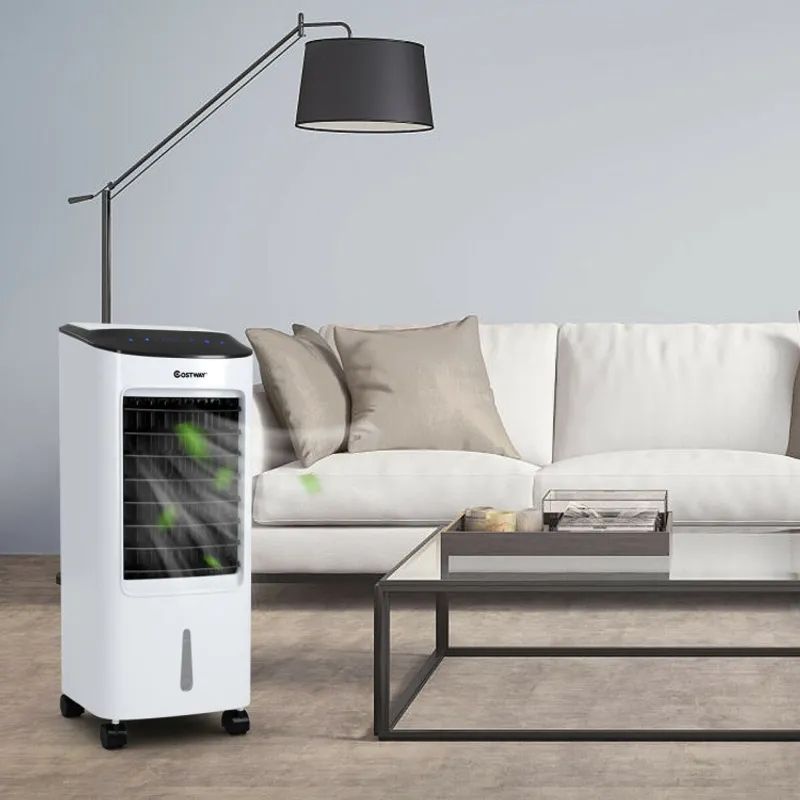 Official manufacturer image
Costway EP23995
Check price on Amazon.caBy feature
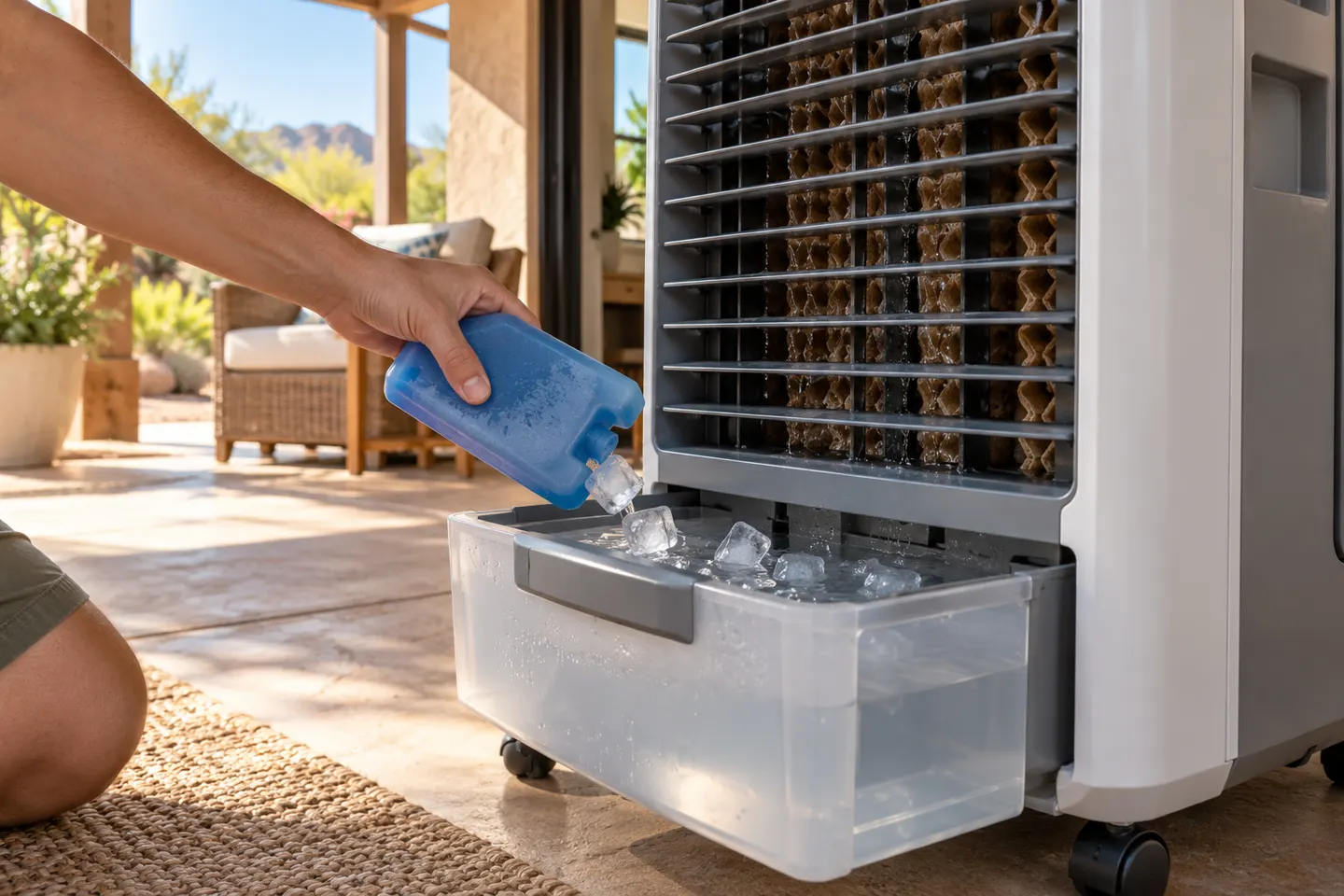 Ice
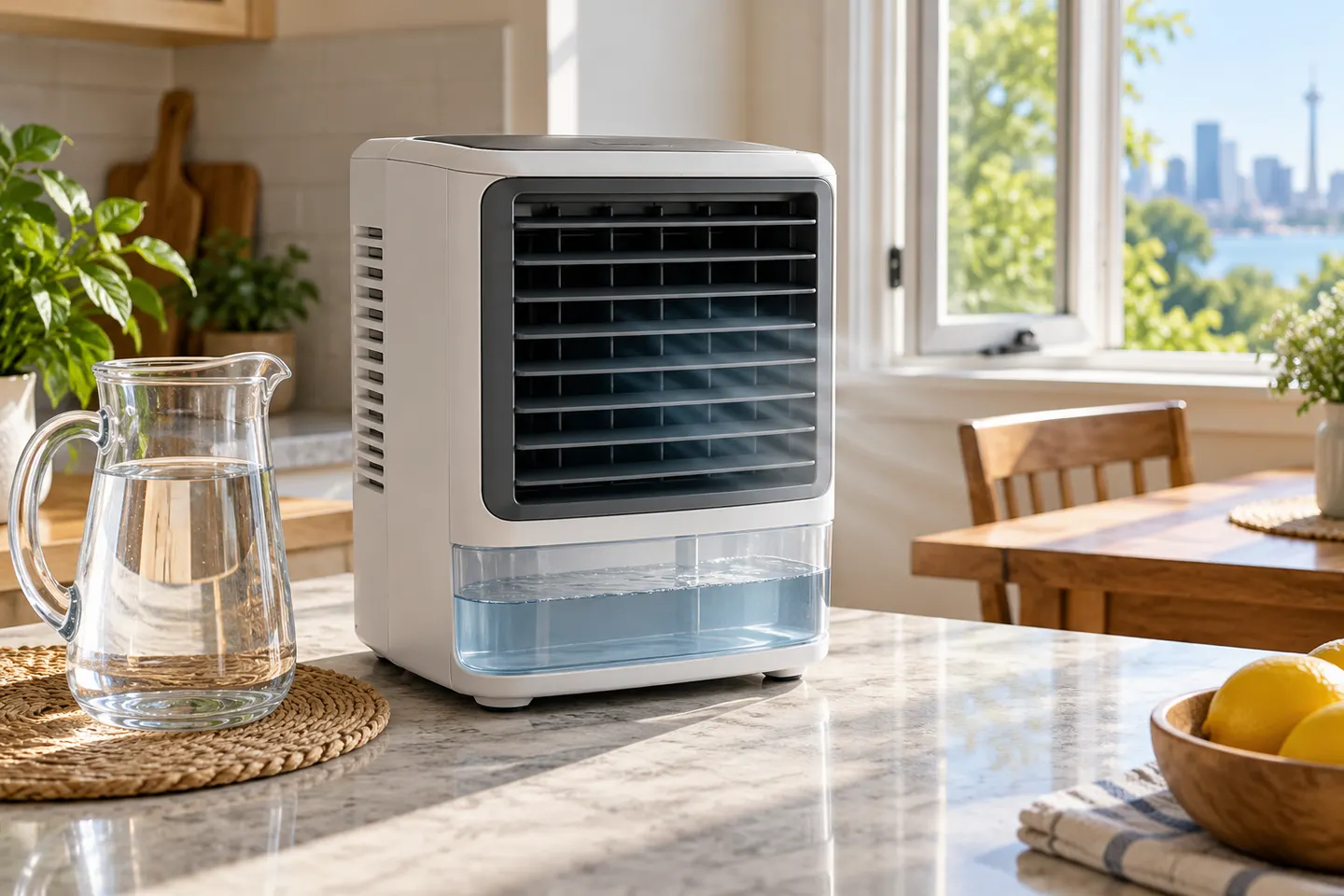 Without ice
More topics
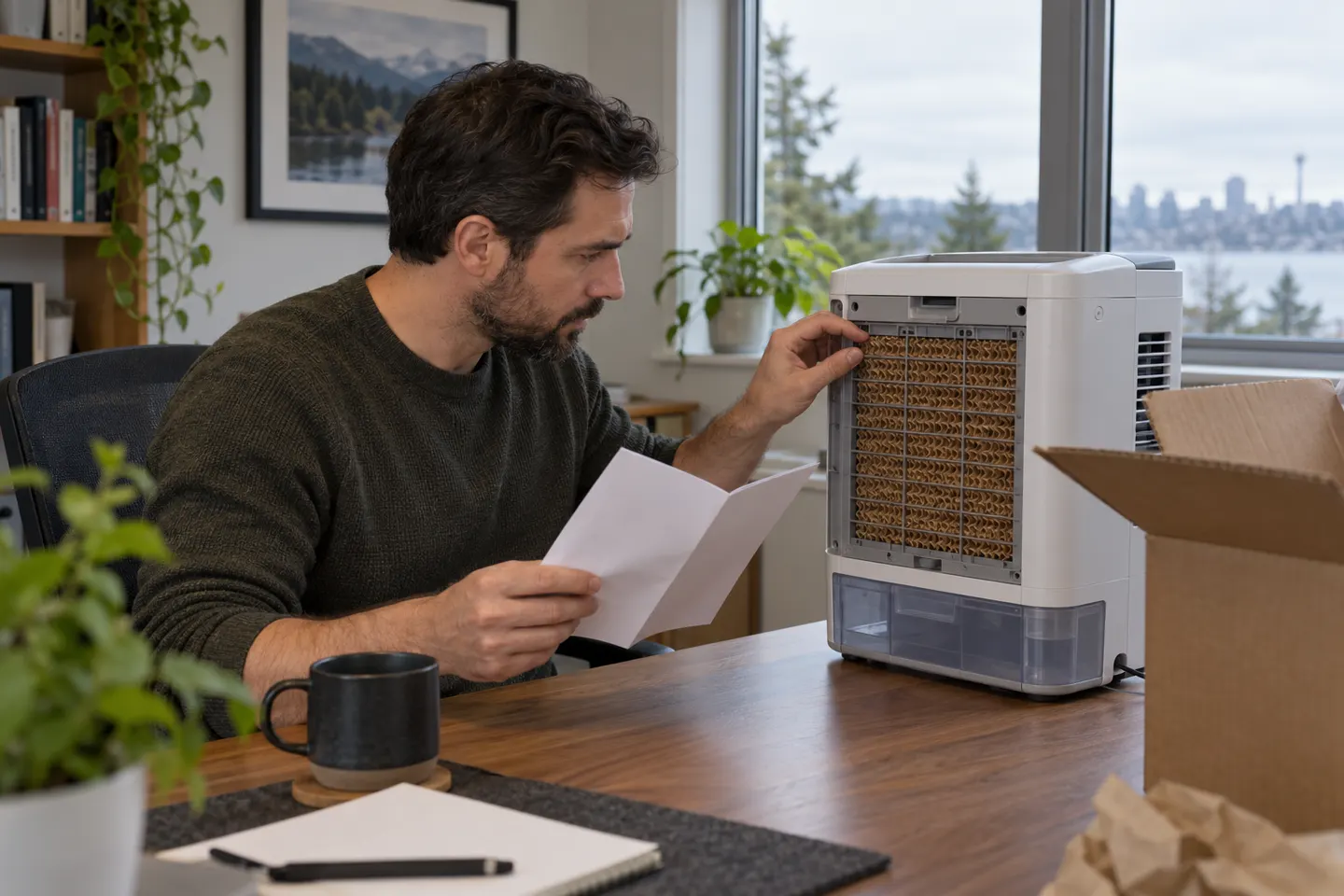 Floater Imports Eco Air Cooler
Common questions
Questions before you buy
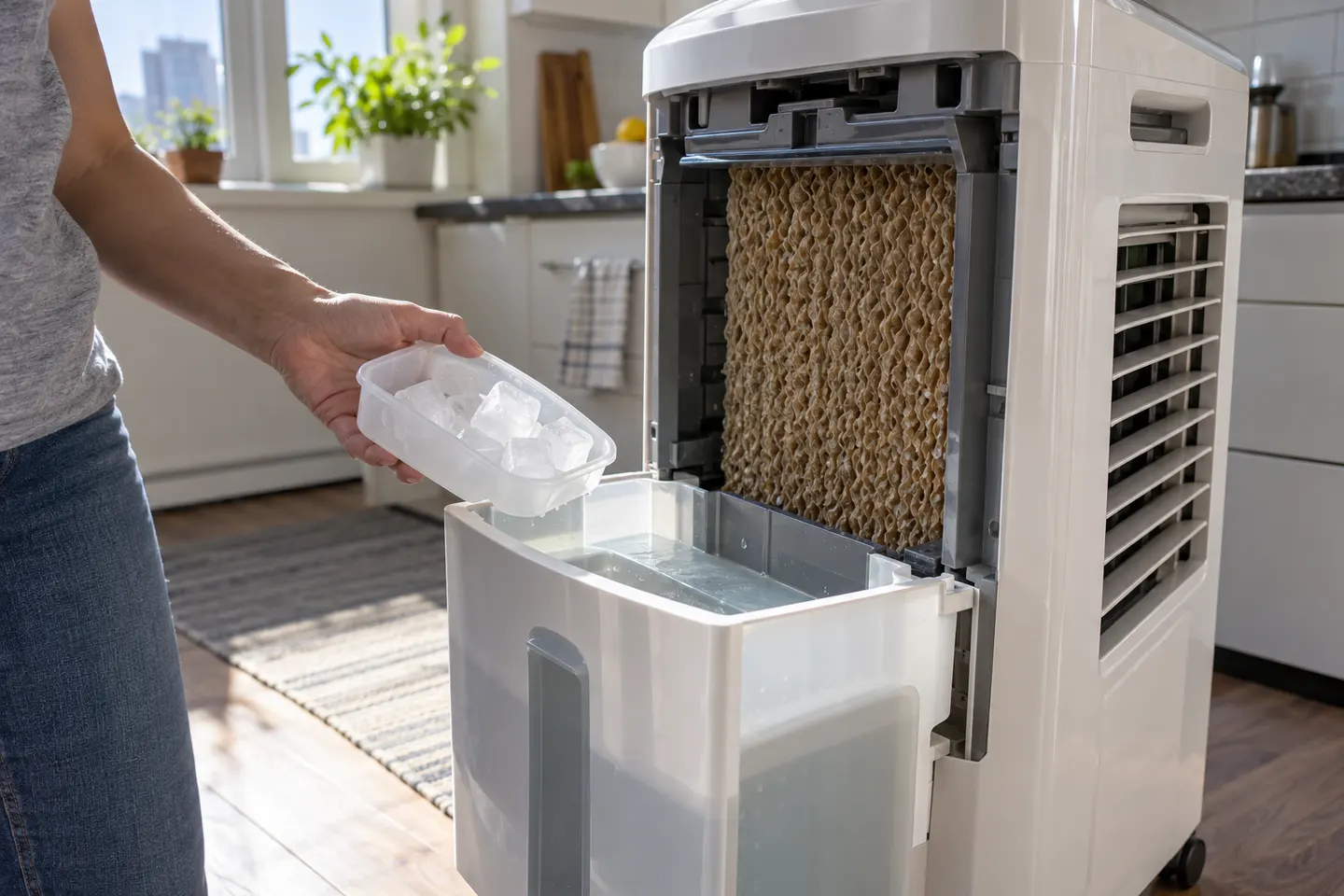
Does adding ice make an air cooler work like an air conditioner?
No. Ice may temporarily affect the air leaving some evaporative coolers, but it does not create a refrigeration cycle or dehumidify a room like an air conditioner.
What does Floater Ice refer to?
It may be a product name or a listing phrase. Verify the manufacturer’s official product page and model number to establish what the unit actually is.
How much ice should I add to a portable cooler?
Use only the amount and container specified in the manufacturer’s manual. Do not place loose ice or water where the instructions prohibit it.
Is a Floater air cooler suitable for humid weather?
Direct evaporative cooling is less effective as humidity rises and adds moisture to the room. Consider the local climate and ventilation before choosing this type.