





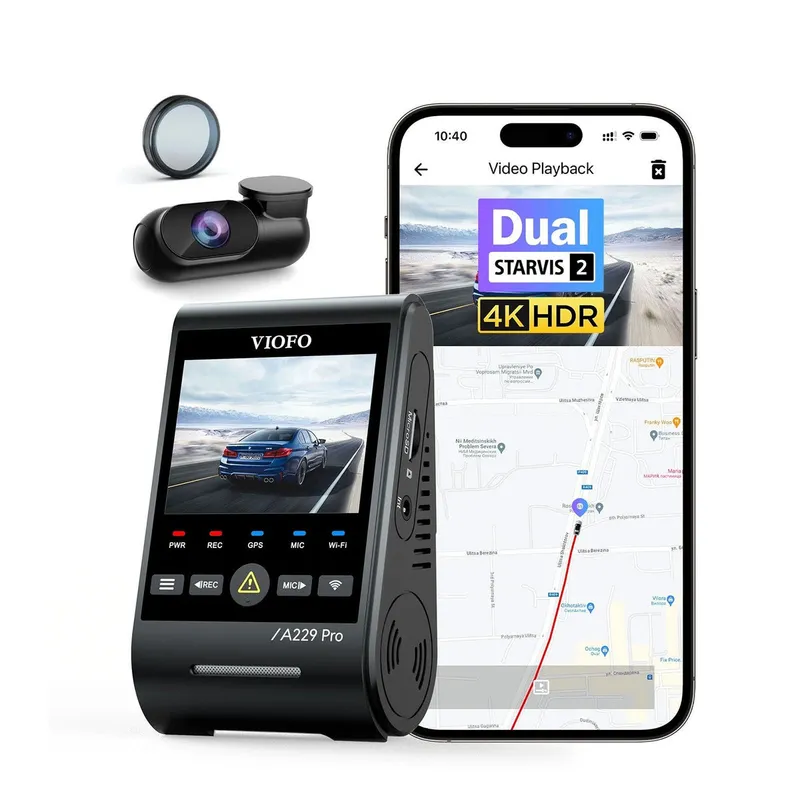
 Official manufacturer image
Our picks
Top picks
Official manufacturer image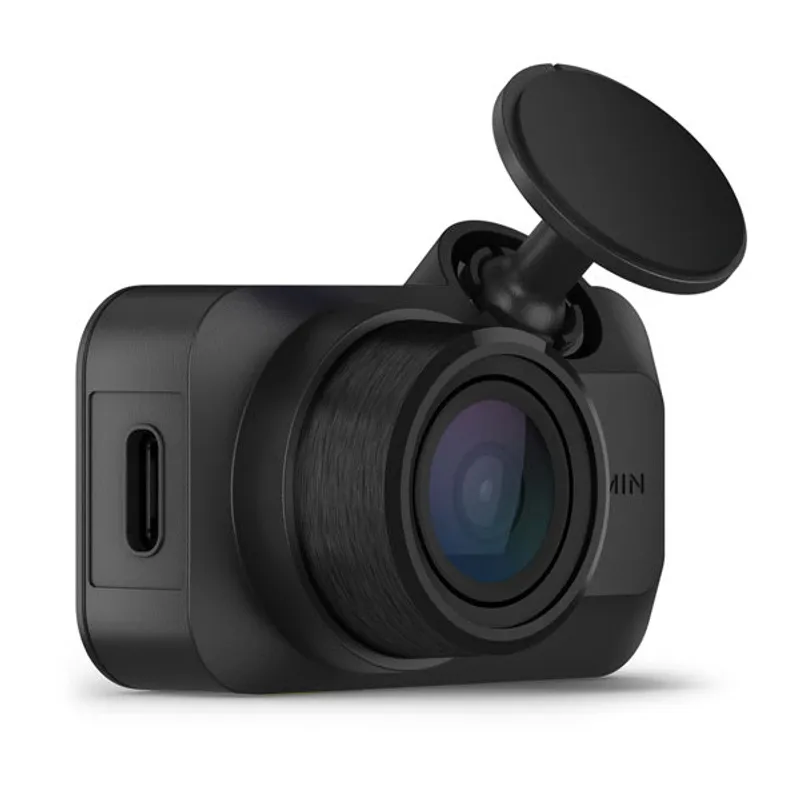 Official manufacturer image
Garmin Dash Cam Mini 3
Check price on Amazon.ca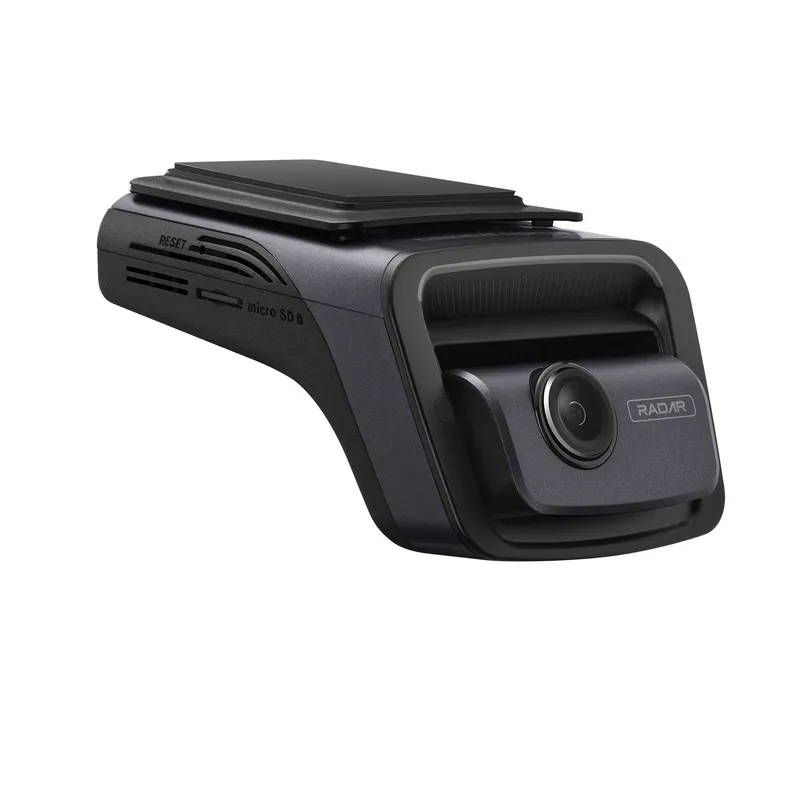 Official manufacturer image
Thinkware U3000
Check price on Amazon.caCommon questions
Questions before you buy
Where should a dash cam be mounted?
A common position is high on the windshield near the rear-view mirror, provided it does not block the driver's view or interfere with sensors. Follow provincial rules and the vehicle manual.
Is an adhesive mount better than a suction cup?
Adhesive mounts are usually smaller and more stable; suction cups are easier to transfer. Temperature, glass texture and mount quality affect both.
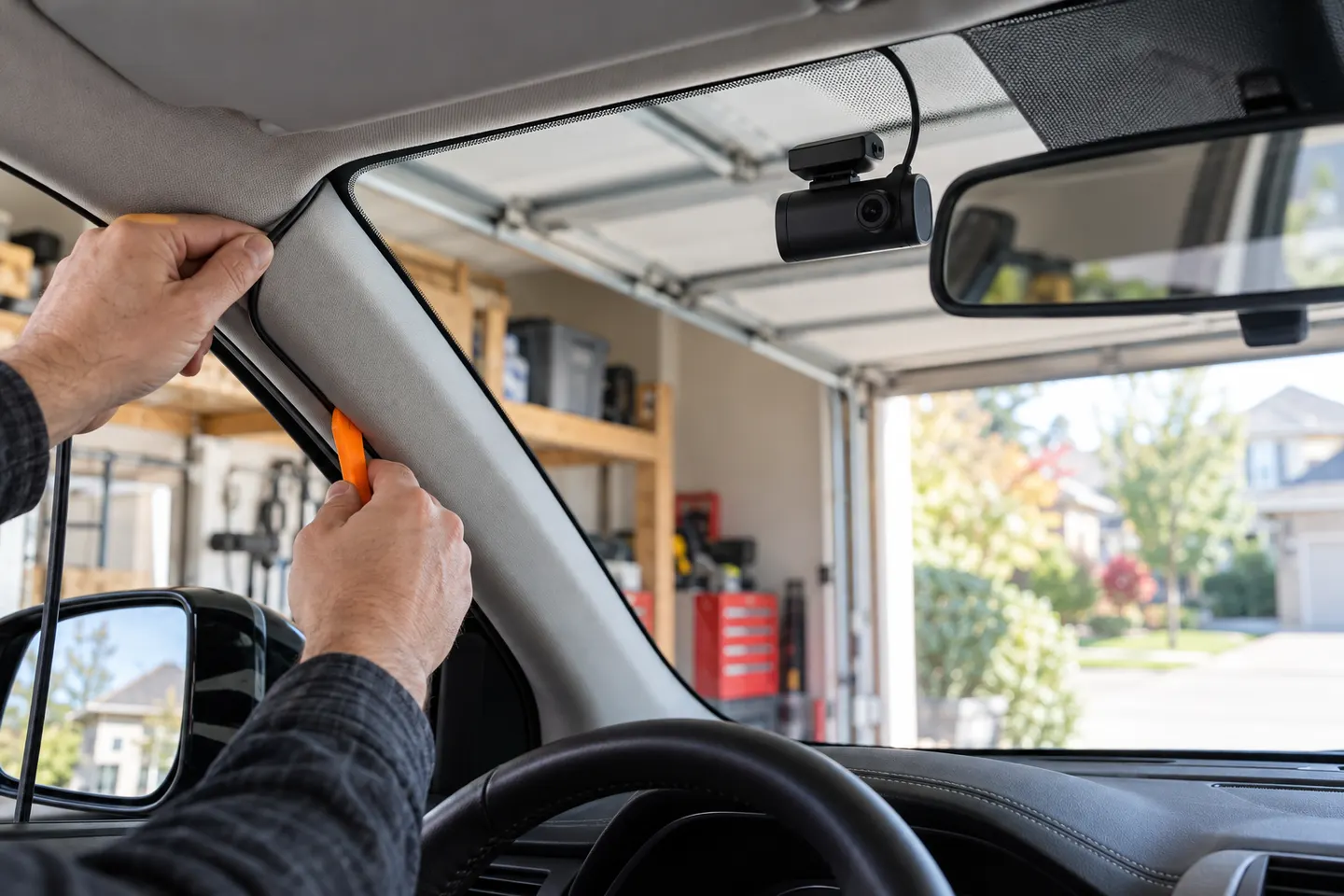
Can I put a dash cam cable behind the A-pillar trim?
Only if the route does not cross or restrain a curtain airbag. Consult the vehicle documentation or a qualified installer.
Why does my dash cam footage look tilted?
The mount or lens may not be level, especially on a curved windshield. Use the live preview and align the road horizon after the vehicle is parked safely.