








 Official manufacturer image
Our picks
Top picks
Official manufacturer image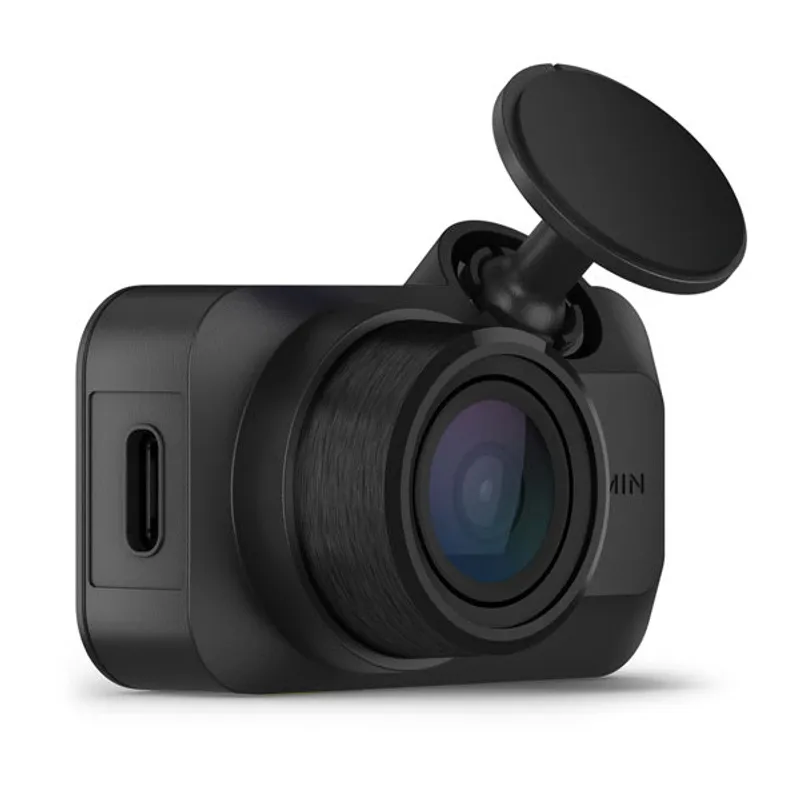 Official manufacturer image
Garmin Dash Cam Mini 3
Check price on Amazon.ca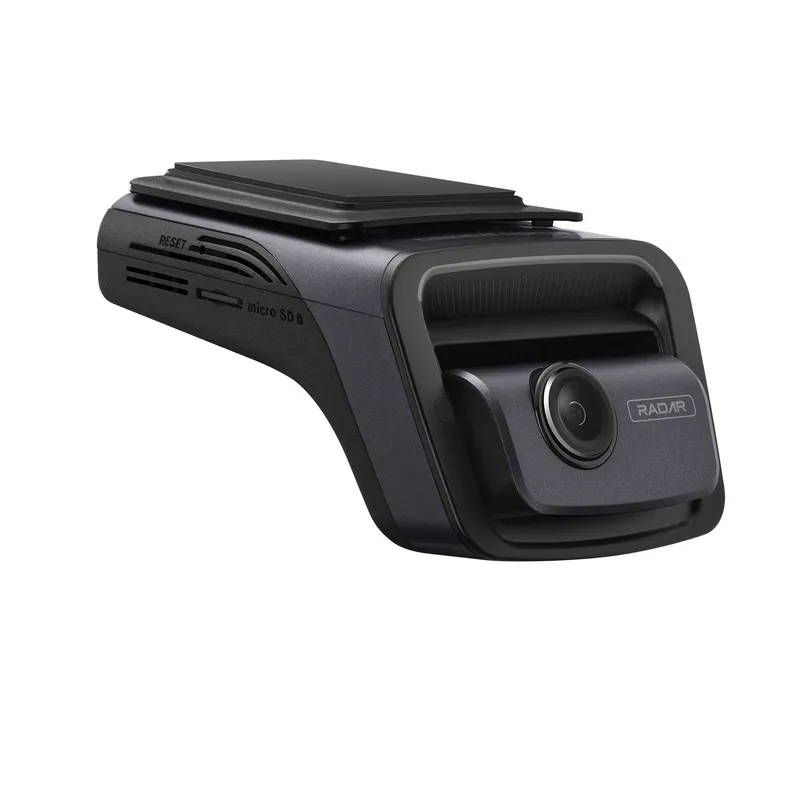 Official manufacturer image
Thinkware U3000
Check price on Amazon.caInstallation and accessories
More topics
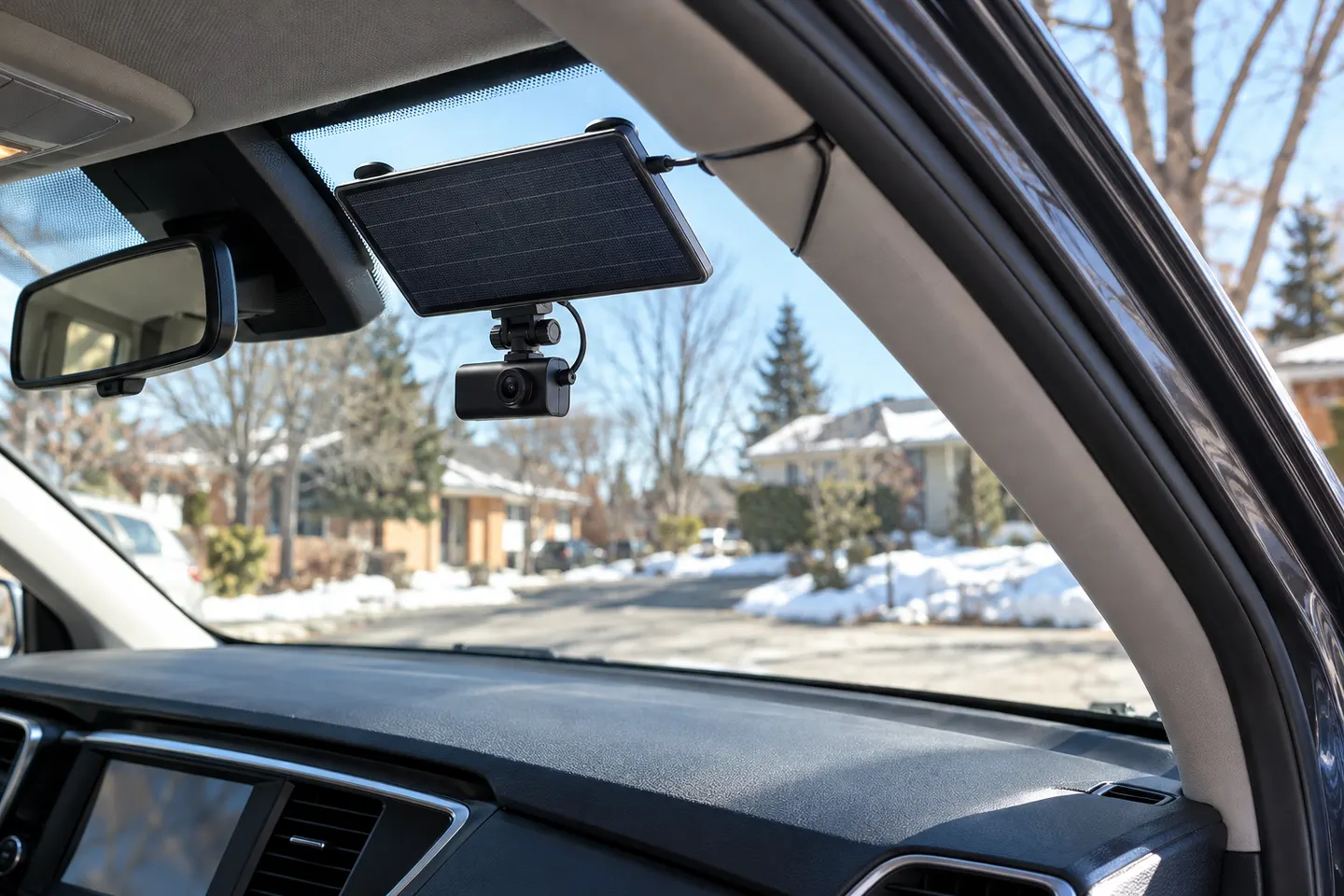 Baseus PrimeTrip VD1 Pro Solar Dash Cam Buyer Guide
Common questions
Questions before you buy
Can a dash cam run entirely on solar power?
Only if the panel and storage battery consistently produce more usable energy than the camera consumes. A small panel in a parked car cannot guarantee that balance in all Canadian seasons.
Will a solar dash cam work at night?
It needs stored energy from an internal or external battery. The night-time duration depends on available capacity, camera load and how much energy the panel collected.
Can I leave a solar power bank in a hot car?
Use only equipment whose published operating and storage limits cover the expected cabin temperature. Heat can shorten battery life and create a safety risk.
Does windshield glass reduce solar charging?
Glass, tint, angle and reflections can reduce the energy reaching a panel. Judge performance from the panel maker’s installed-use guidance, not its laboratory peak alone.