








 Official manufacturer image
Our picks
Top picks
Official manufacturer image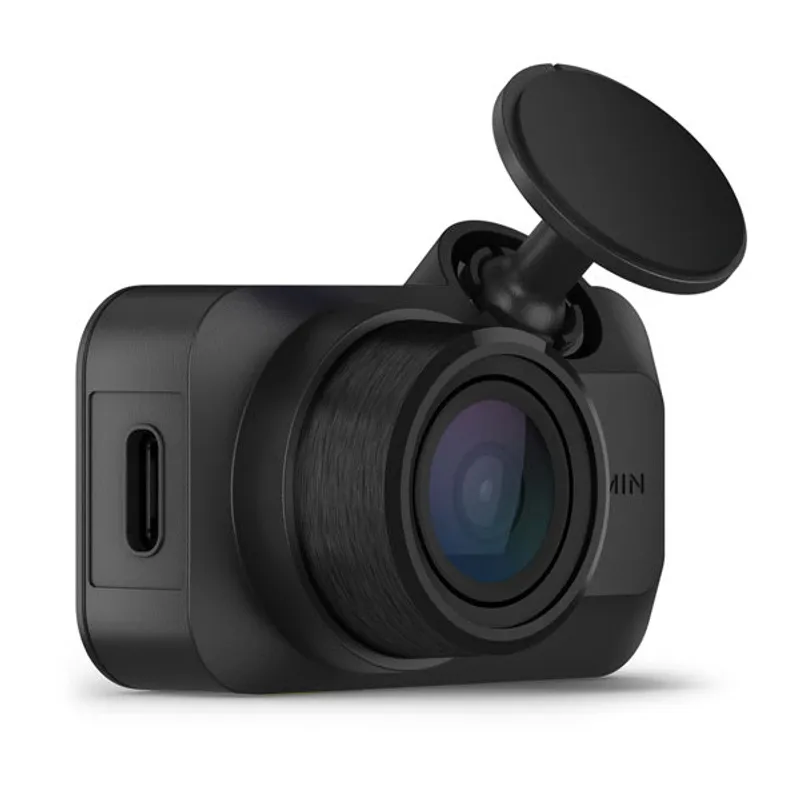 Official manufacturer image
Garmin Dash Cam Mini 3
Check price on Amazon.ca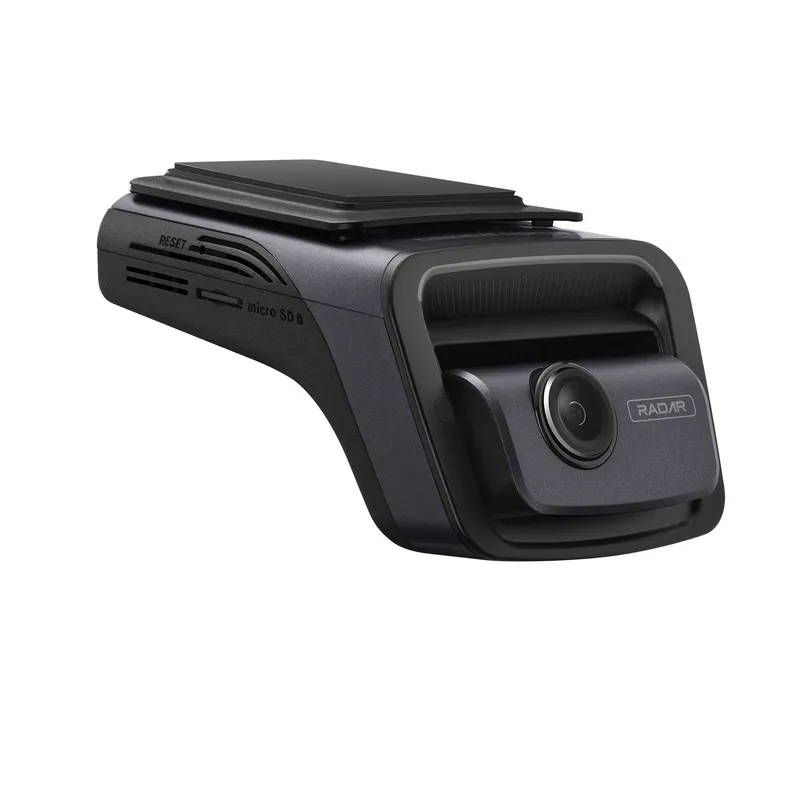 Official manufacturer image
Thinkware U3000
Check price on Amazon.caBy feature
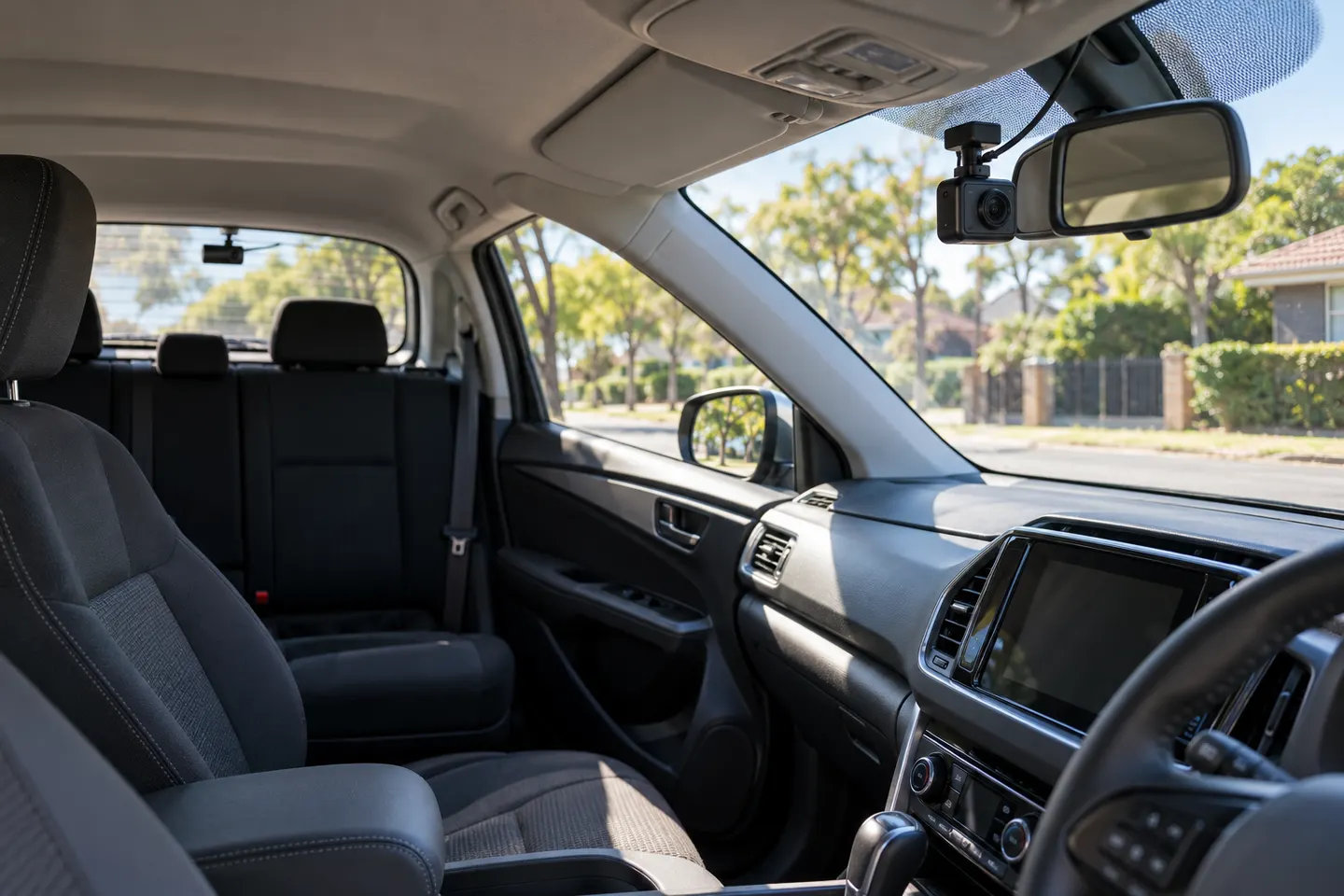 2 channel
More topics
Common questions
Questions before you buy
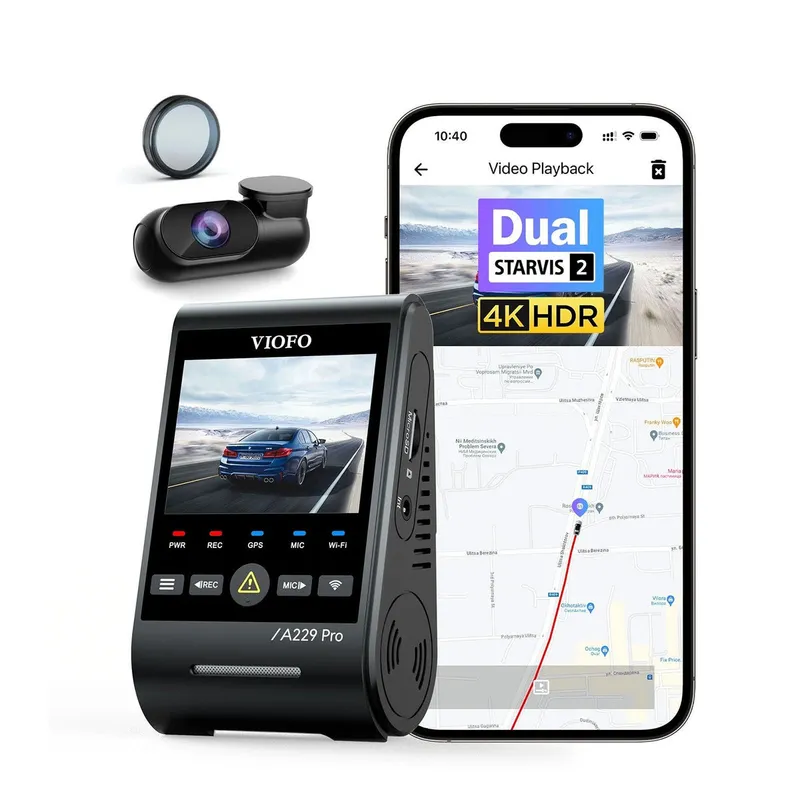
What is Sony STARVIS 2 in a dash cam?
It is a family of Sony CMOS image sensors designed for strong sensitivity and dynamic range in security-camera applications, including dash cams.
Is STARVIS 2 better at night?
Its sensor design can improve low-light and HDR performance, but the finished result also depends on the lens, exposure tuning, bitrate and windshield conditions.
Are all STARVIS 2 dash cams 4K?
No. The VIOFO A119 Mini 2 and VS1 use an IMX675 for 2K recording, while models built around the IMX678 can record 4K.
Does a rear camera also use STARVIS 2?
Some multi-channel systems do, but others use a different rear sensor. Check specifications for every channel rather than only the front camera.
Does STARVIS 2 guarantee readable licence plates?
No sensor can guarantee that. Speed, distance, glare, weather, exposure and compression all affect captured detail.