









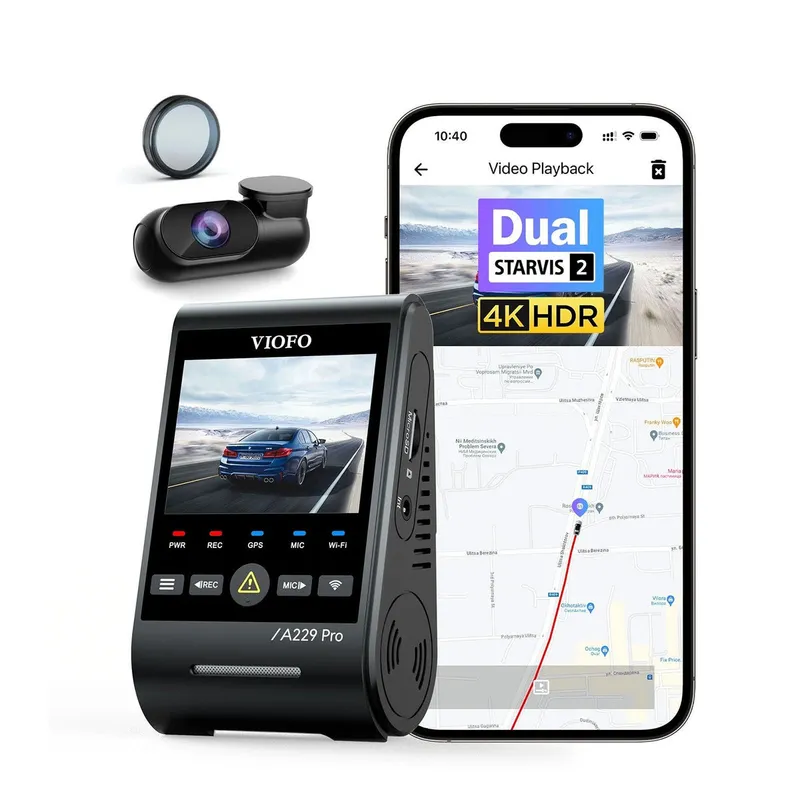
 Official manufacturer image
Our picks
Top picks
Official manufacturer image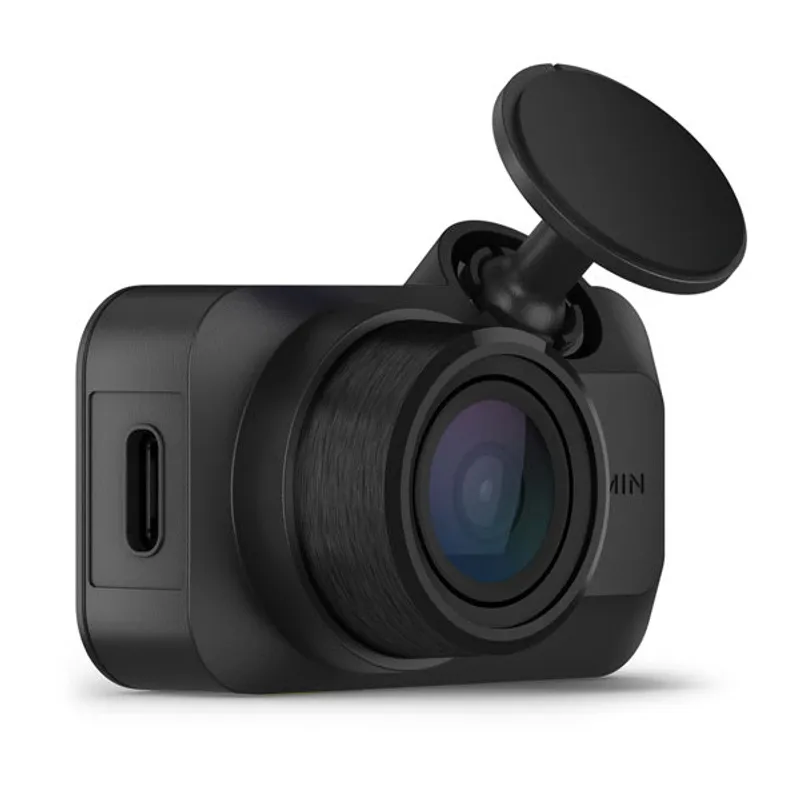 Official manufacturer image
Garmin Dash Cam Mini 3
Check price on Amazon.ca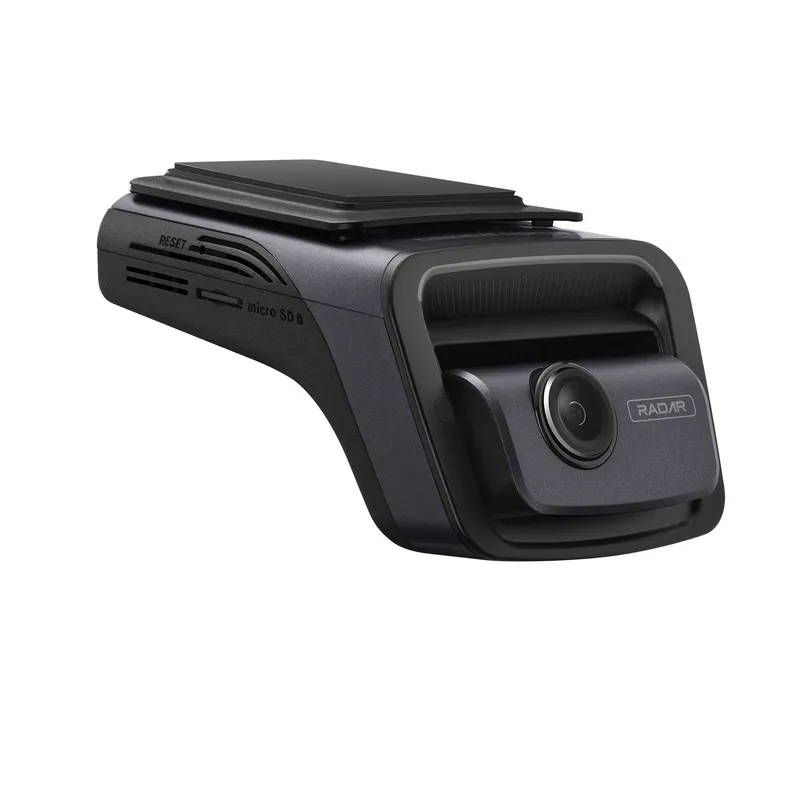 Official manufacturer image
Thinkware U3000
Check price on Amazon.caCommon questions
Questions before you buy
What is WDR on a dash cam?
Wide dynamic range is image processing intended to retain detail in both bright highlights and dark shadows within the same frame.
Should WDR be on or off on a dash cam?
Leave it on when the manufacturer recommends it for mixed lighting, then compare clips from your usual routes. Turning it off can be useful if processing creates unnatural detail or motion artefacts.
Is WDR good for night driving?
It may control bright headlights and illuminated signs, but low-light clarity also depends on the sensor, lens, exposure and vehicle speed.
Is HDR better than WDR on a dash cam?
Neither label proves better footage by itself. Check how the exact model implements the feature and review original, uncompressed recordings where possible.