









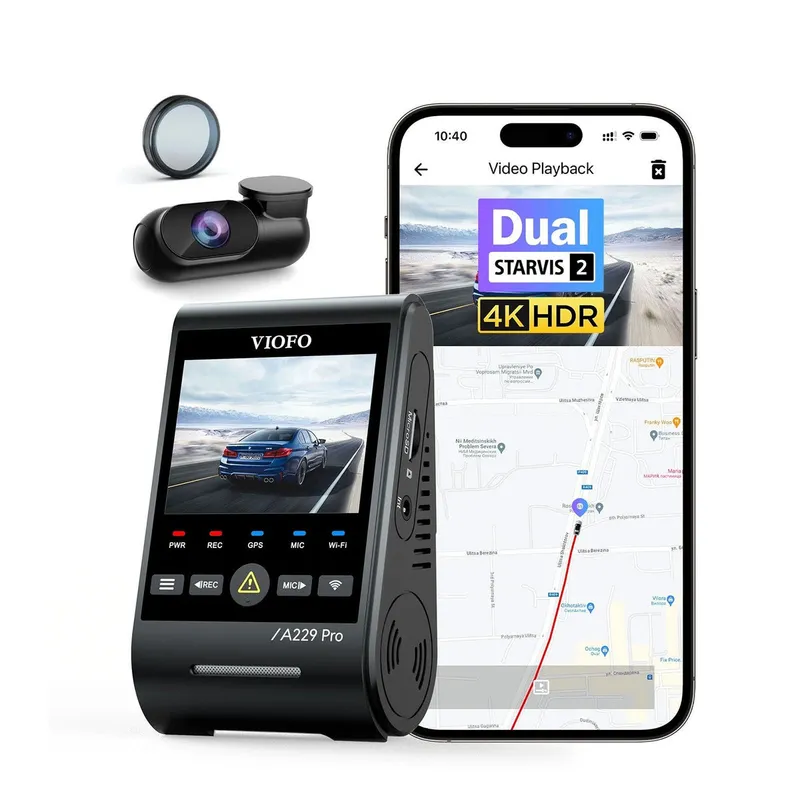
 Official manufacturer image
Our picks
Top picks
Official manufacturer image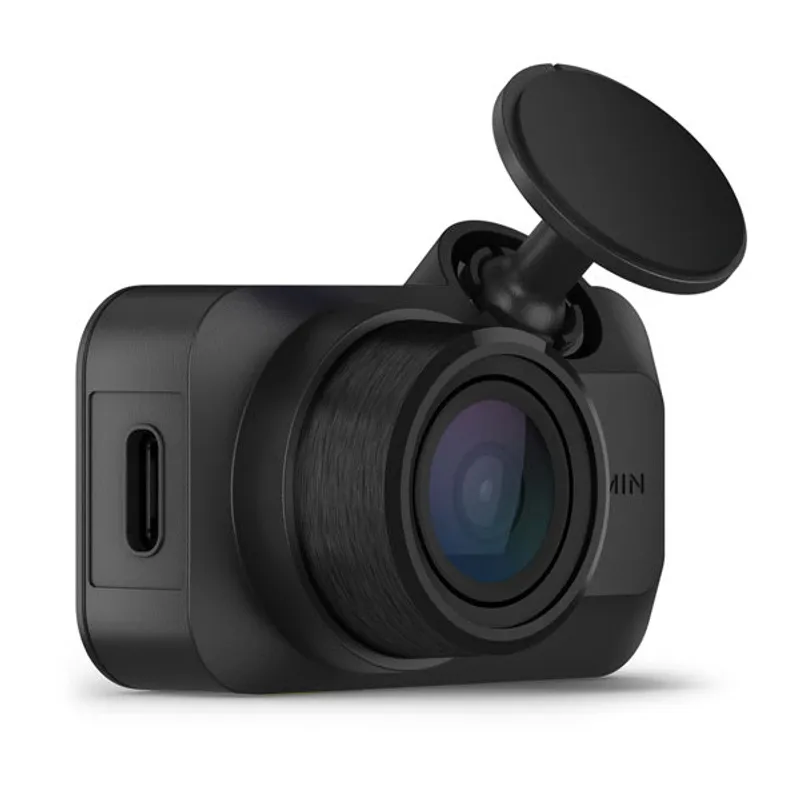 Official manufacturer image
Garmin Dash Cam Mini 3
Check price on Amazon.ca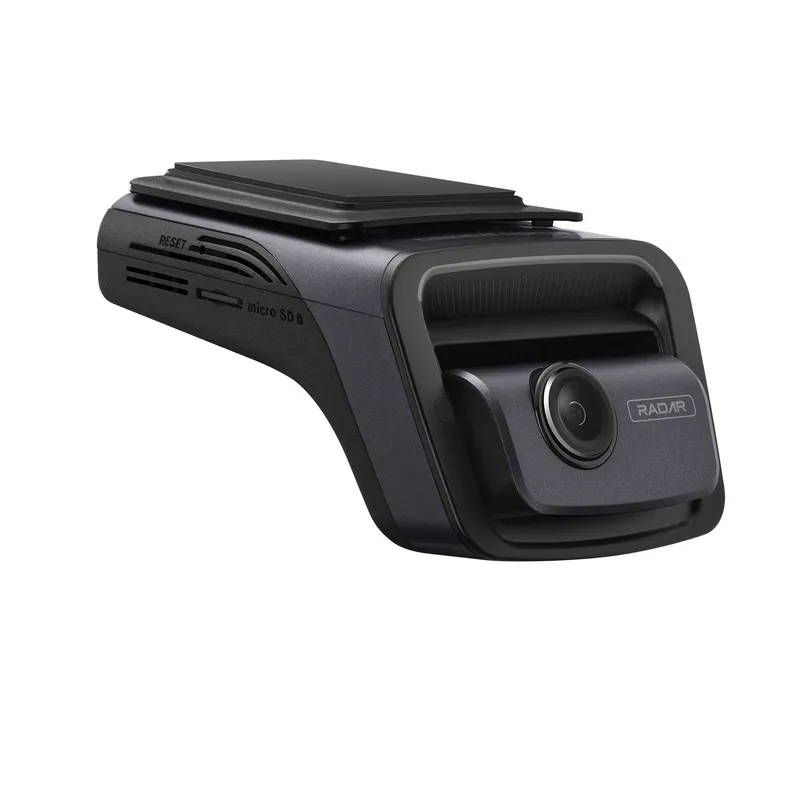 Official manufacturer image
Thinkware U3000
Check price on Amazon.caBy feature
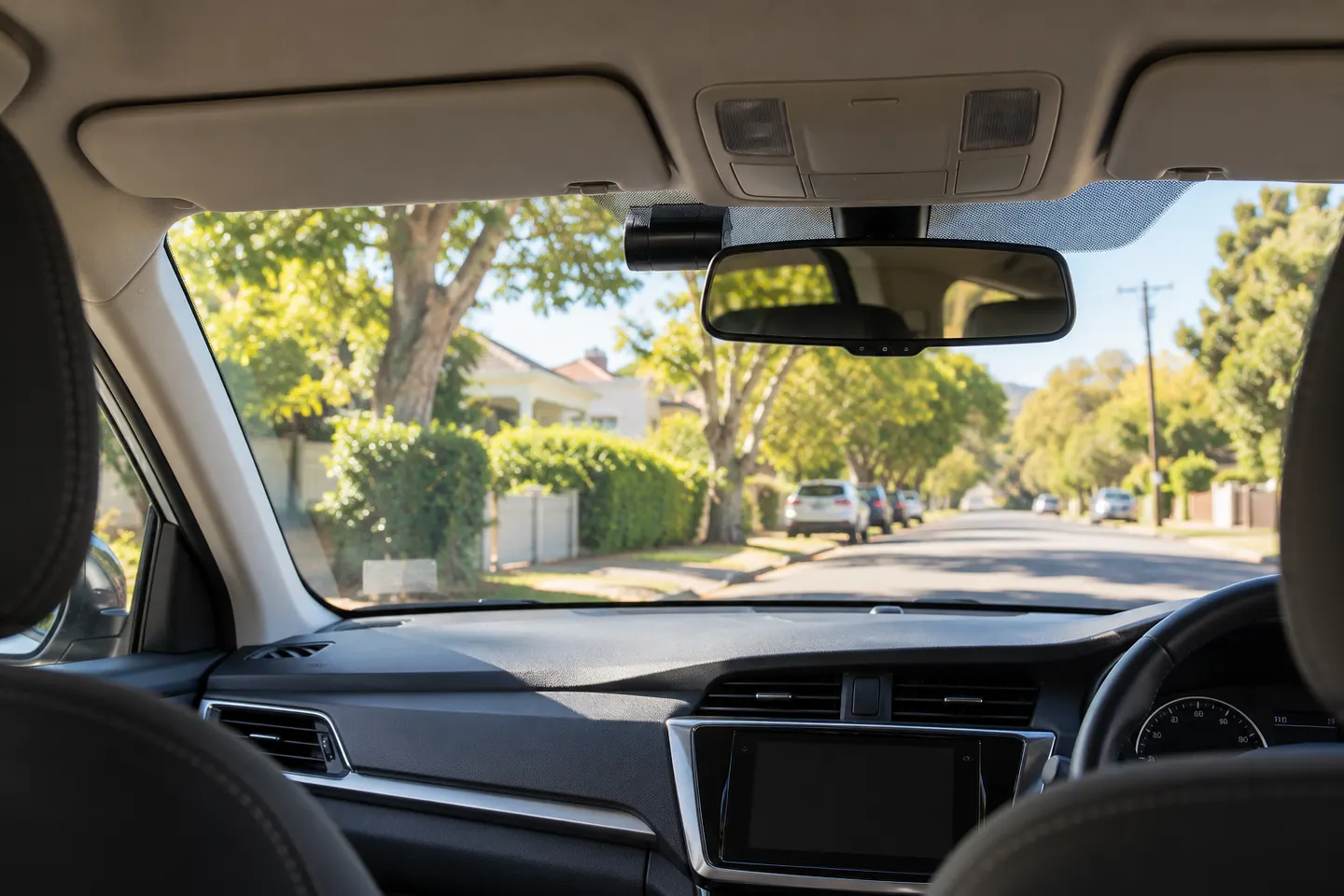 Battery powered no wires
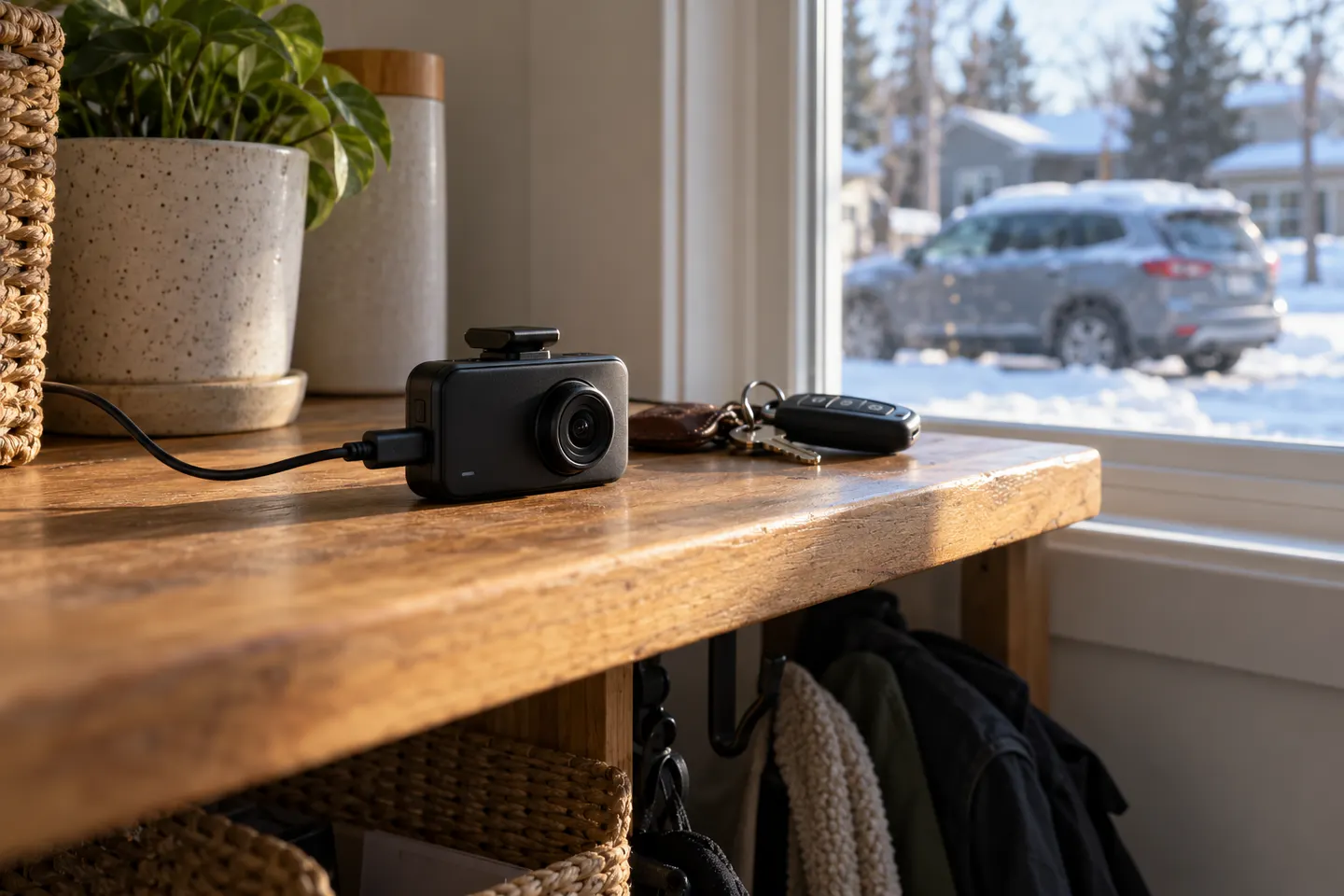 Rechargeable no wires
More topics
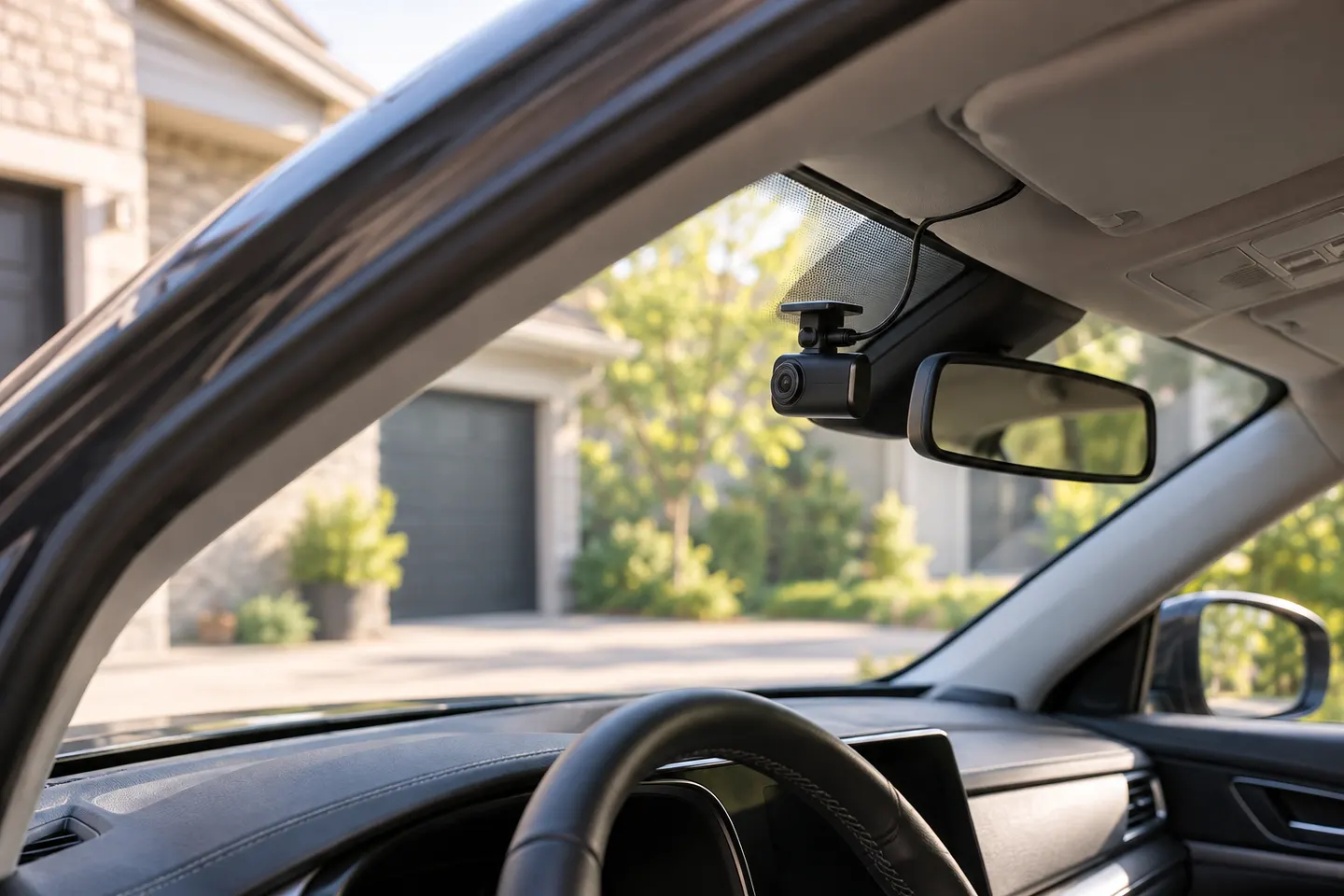 Dashcams with No Wires
Common questions
Questions before you buy
Can a dash cam work without being plugged in?
Only for as long as its internal battery permits, if it has one. Many dash cams use a small battery or supercapacitor only to close files safely, not to power a full journey.
What does wireless mean on a dash cam?
It usually means phone connectivity for settings, previews or file transfers. It does not normally mean wireless power.
How can I hide a dash cam cable?
Route it along the headliner and trim using the maker's guidance, keeping clear of airbags and controls. A professional installer is sensible when trim removal or fuse-box work is involved.
Do wireless rear dash cams need power?
Yes. Even if video is transmitted wirelessly, the rear unit requires a power source, and some dual-camera systems still use a cable between cameras.