It listens for radar signals
A detector scans selected radio bands and signals when its receiver identifies energy it recognises as speed-measuring radar. It cannot know a vehicle?s speed by itself.

 Best picksThe Best Dash Cam Cameras for Different Drivers
 Best picksBest WiFi Extenders in Canada for Different Home Networks
 Best picksBest Meat Thermometers in Canada for 2026
 Best picksBest Winter Gloves for Canadian Conditions (2026)
 Best picksBest Headlamps: Compare Reliable Options for Canada
 Best picksRadar Detector Best Picks for Canadian Drivers (2026)
 Best picksBest Portable Air Coolers to Consider in 2026
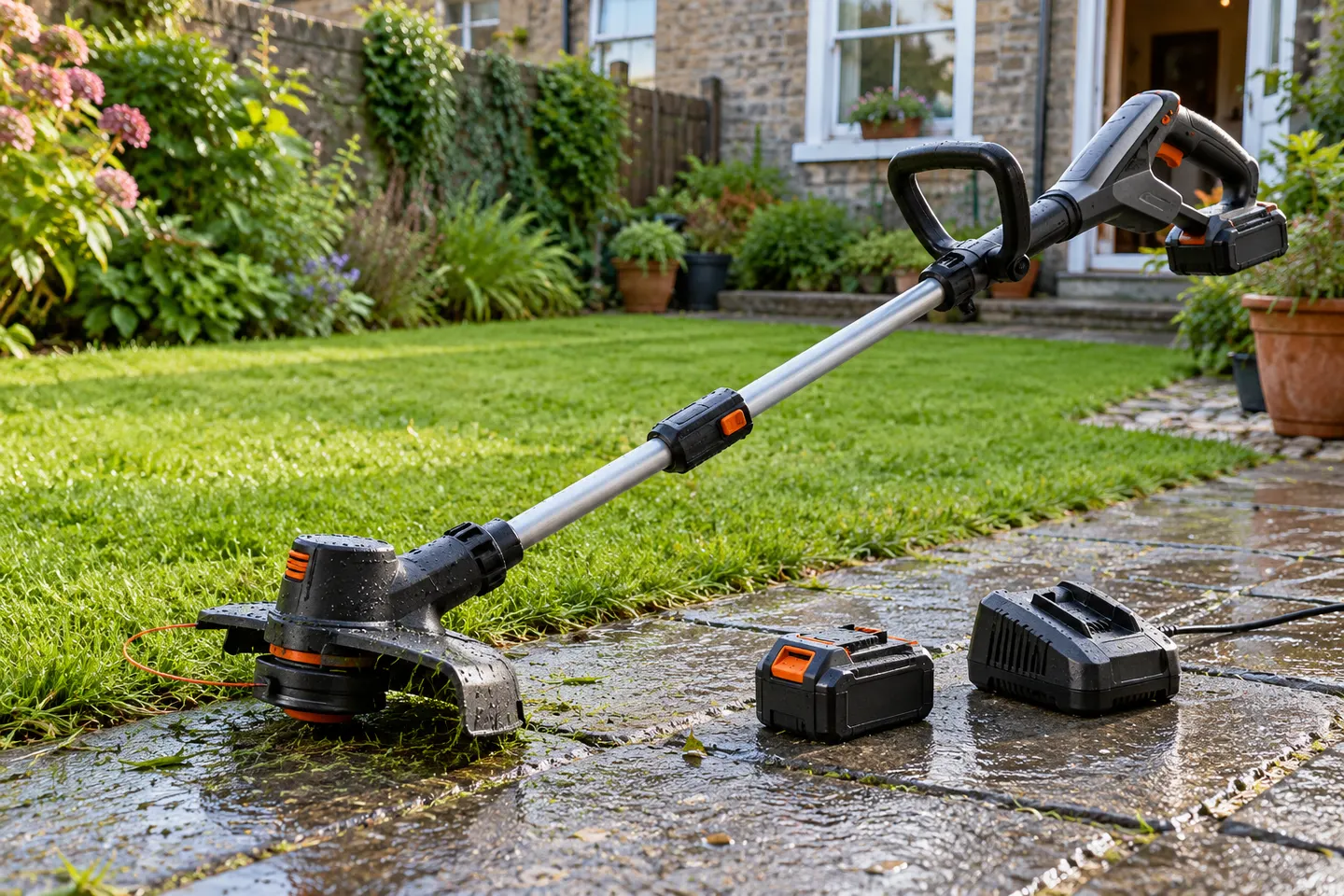 Best picksBest cordless grass trimmers with a battery and charger
 Best picksBest Air Purifier for Bedroom in the Canada: Quiet Models Compared
Gearjury may earn a commission from qualifying retailer links.
Guide
A radar detector scans for compatible enforcement signals and gives an audible or visual alert. Its warning depends on the signal, device and local conditions.
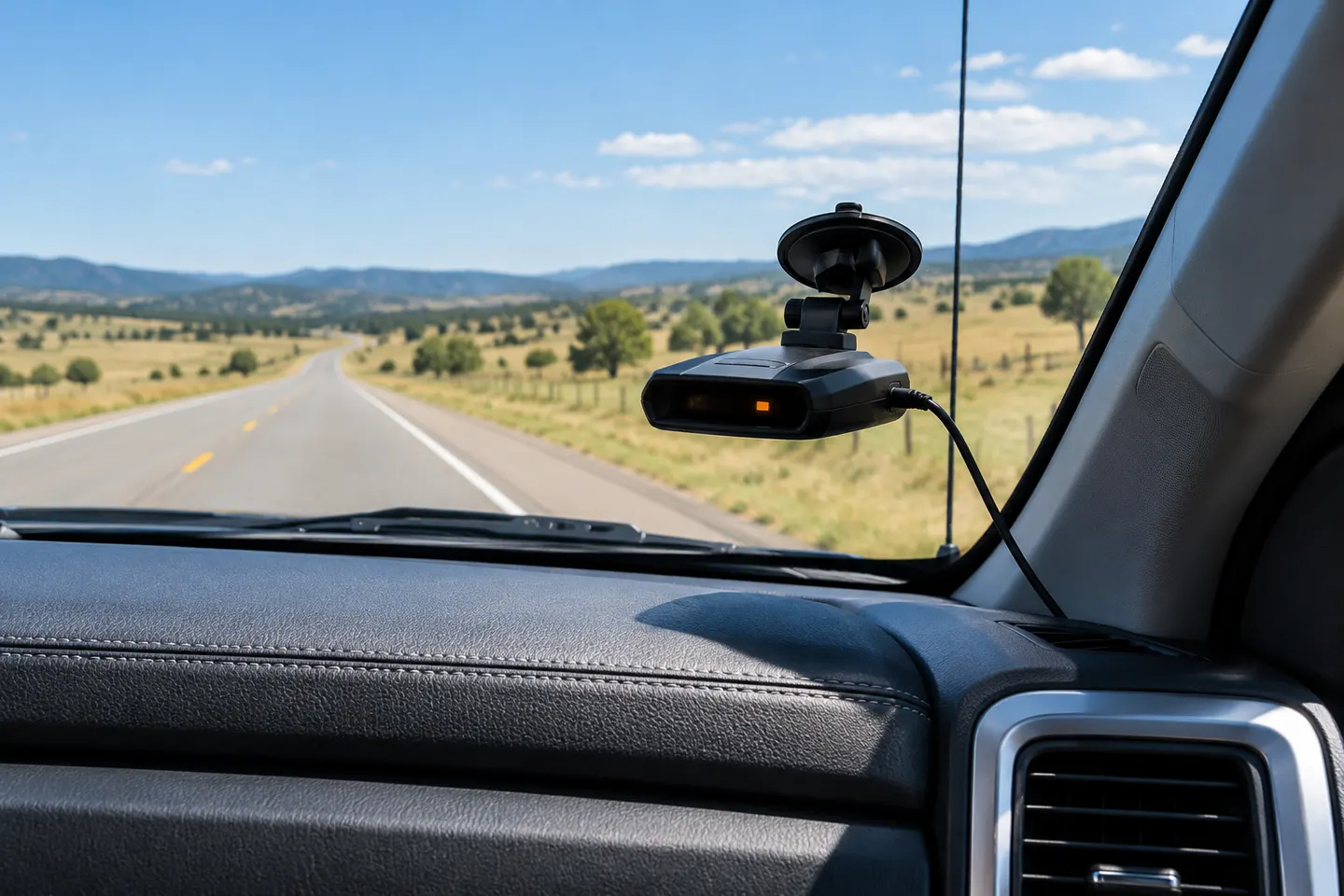
A detector scans selected radio bands and signals when its receiver identifies energy it recognises as speed-measuring radar. It cannot know a vehicle?s speed by itself.
Detection distance changes with terrain, traffic, radar mode and the direction of the source. Instant-on radar may not transmit continuously, so a quiet display does not prove the road is clear.
A model may also include an optical sensor for police lidar. Because a lidar beam is narrow, the alert can occur only when the vehicle is already being targeted.
Some detectors use GPS to announce mapped red-light or speed-camera locations. Those notices depend on database coverage and update support rather than sensing a camera?s radar signal.
A detector?s function does not establish whether it is lawful to carry or use. Ontario and Quebec have express prohibitions; verify the current rule for every province on your route.
Common questions
It listens for radio signals from speed-measuring radar and alerts the driver when it detects a compatible signal nearby. It does not measure your own speed or guarantee advance warning.
Some models include a laser sensor, but a laser alert may arrive only after an officer has aimed at the vehicle. Laser detection is not a reliable substitute for observing the speed limit.
No. Radar detection and camera-location alerts are different features. GPS databases can flag mapped locations, but coverage and updates vary by model and service.
No. Rules differ by province, and Ontario and Quebec prohibit driving with a radar-warning device in or on the vehicle. Check local law before carrying or using one.
Keep exploring
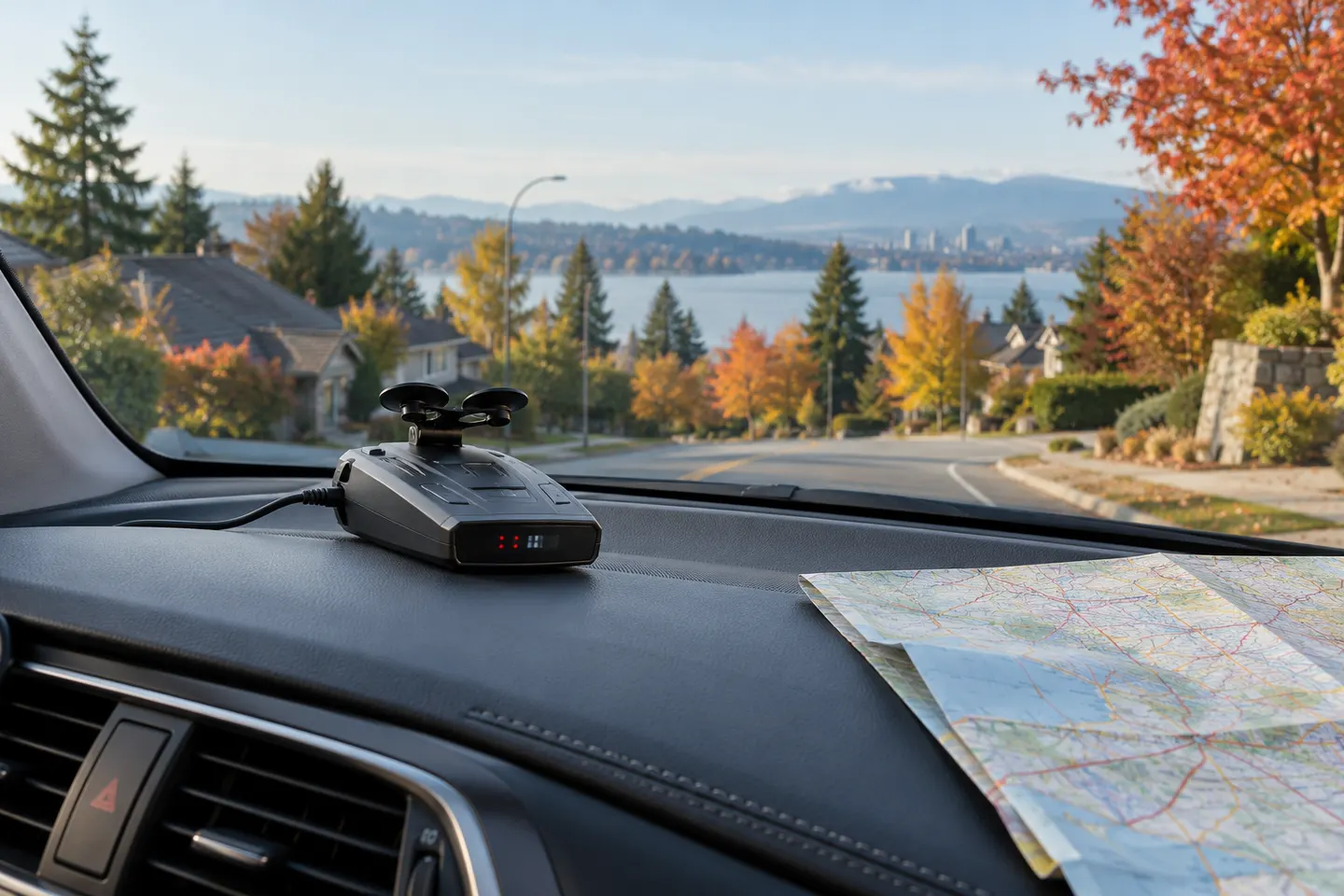
Uniden’s range spans directional dual-antenna models and GPS-equipped options. Match features to your needs and confirm detector use is permitted on your route.
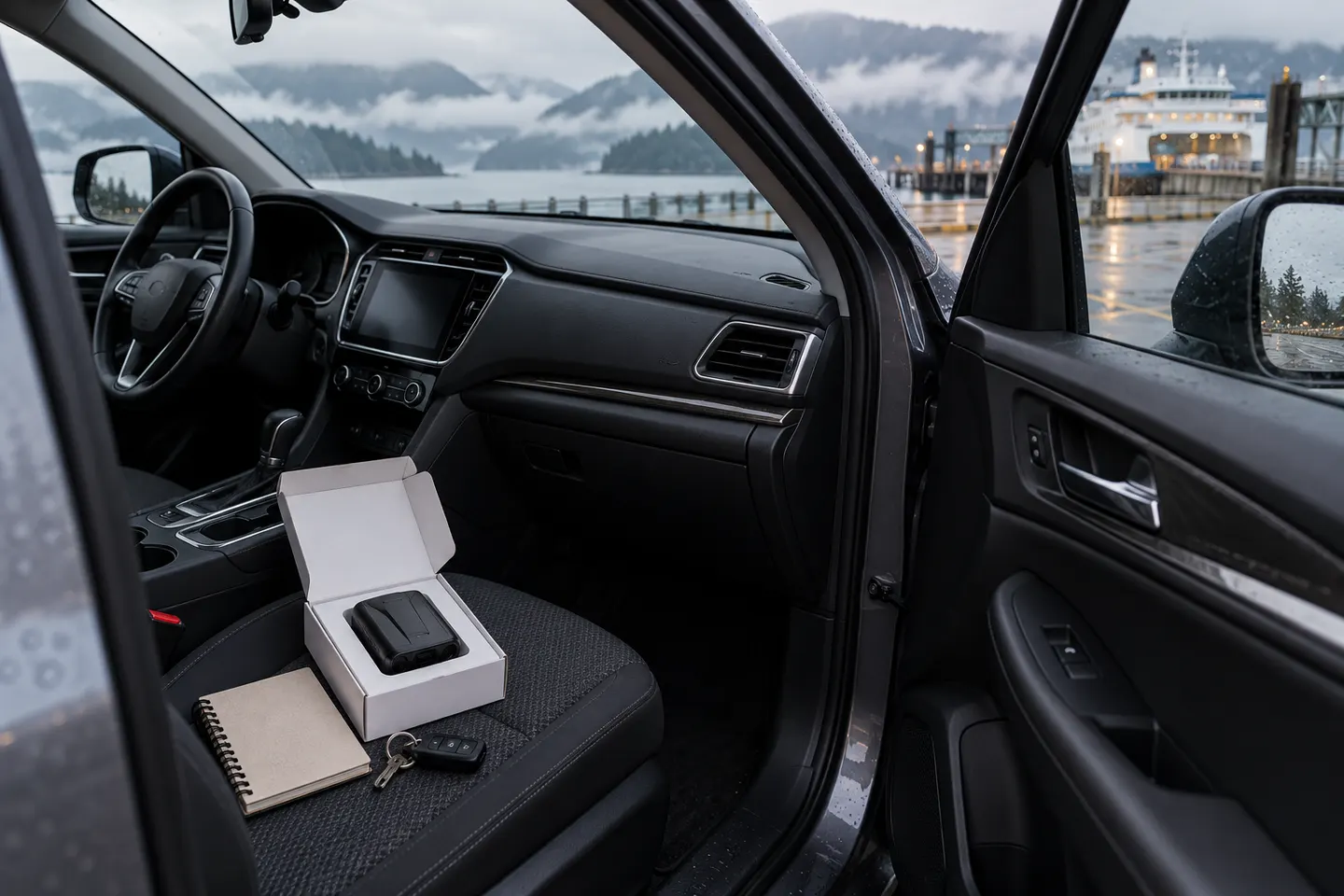
Escort’s lineup ranges from straightforward portable units to connected directional detectors and a dash-cam combination. Match features to your drive and verify legality before purchase.
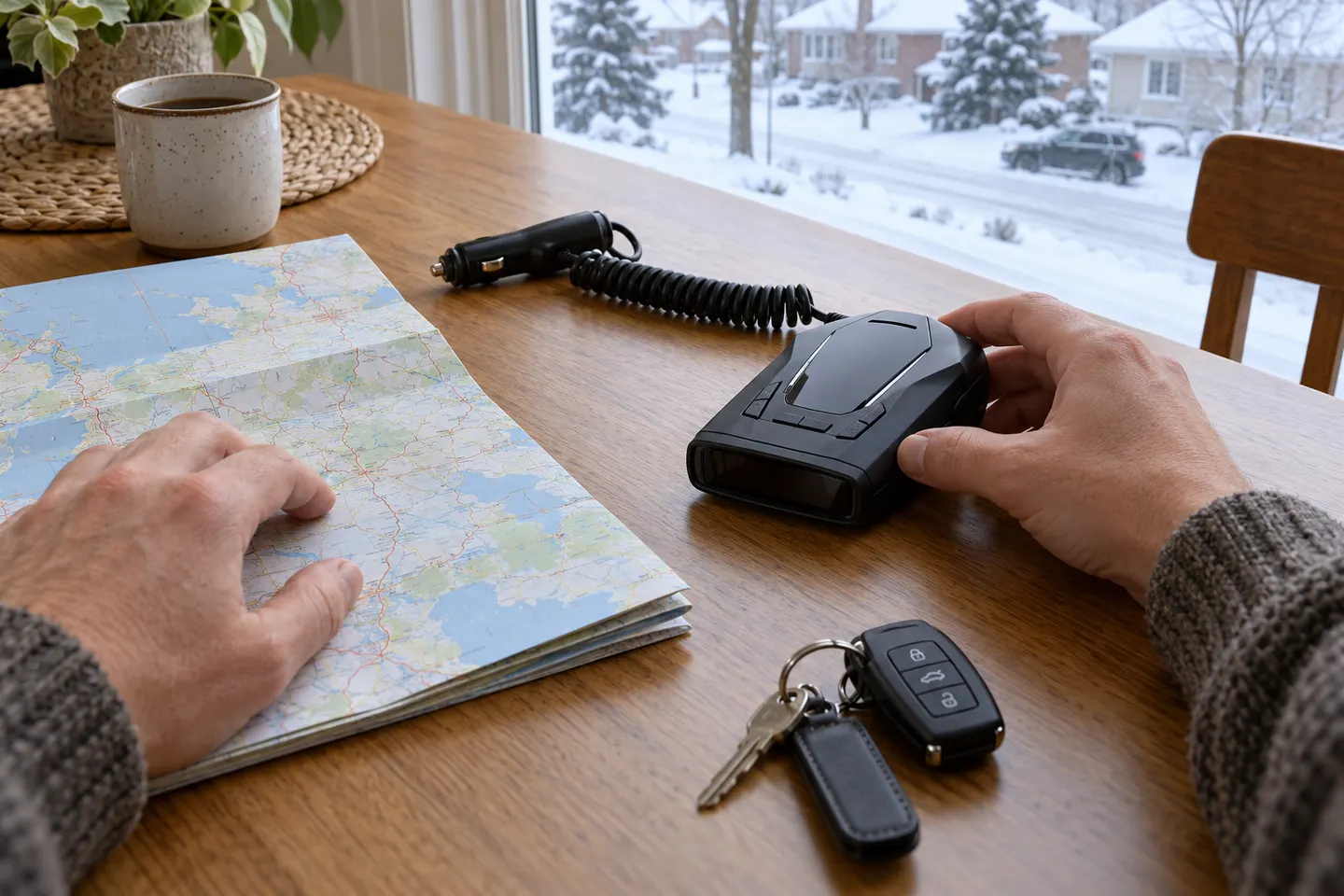
Cobra’s RAD range varies from straightforward detection to connected alerts and GPS-based features. Compare the exact model and verify local legality.
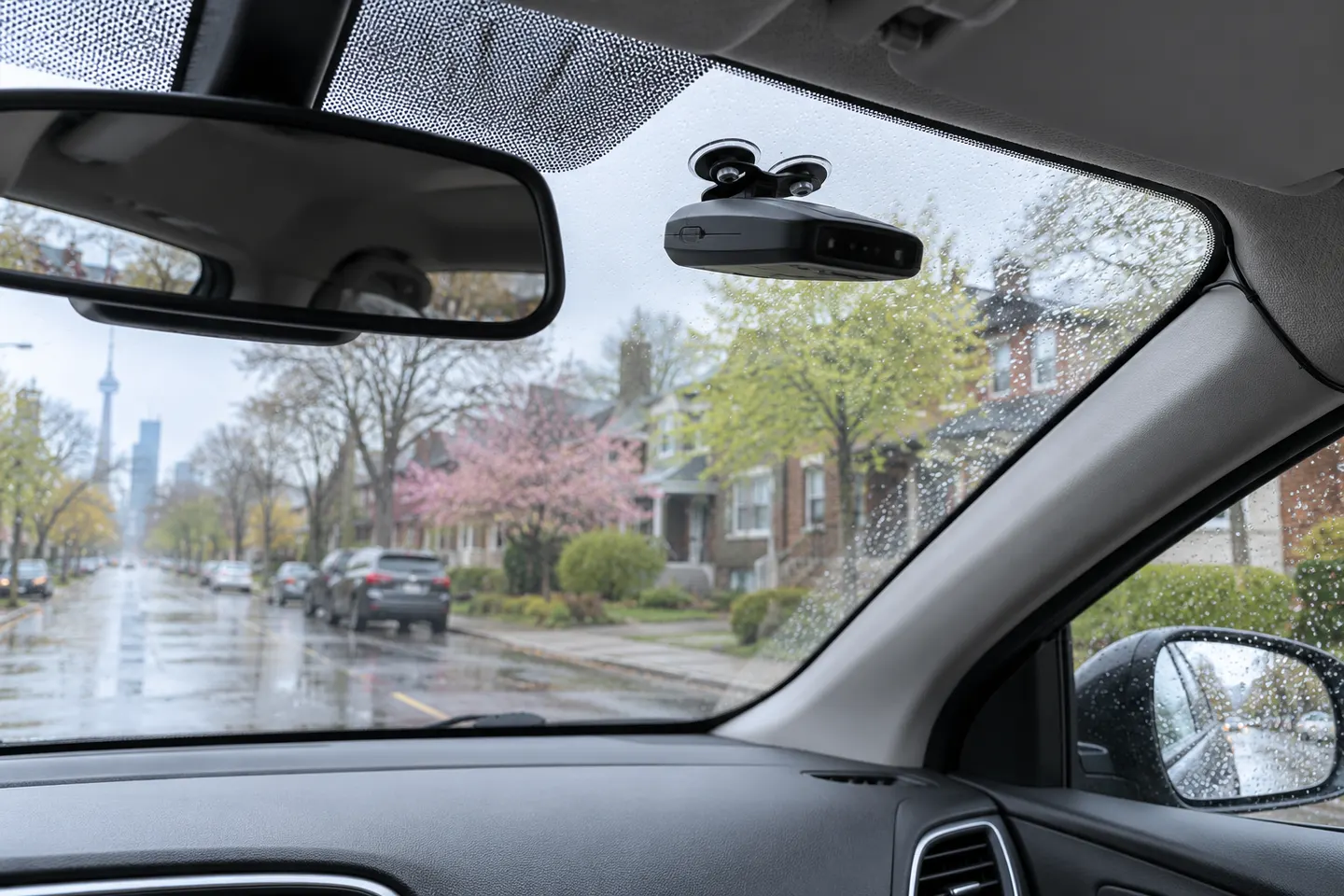
A radar detector alerts you to certain active radar signals; it does not guarantee advance warning or make speeding safe. Start by checking local law, then compare portability, filtering and GPS features.