What does X band mean?
X band is a microwave frequency band used by some radar systems. A detector’s X-band alert means it has identified a signal in that band; it does not by itself prove that the signal is police enforcement.

 Best picksThe Best Dash Cam Cameras for Different Drivers
 Best picksBest WiFi Extenders in Canada for Different Home Networks
 Best picksBest Meat Thermometers in Canada for 2026
 Best picksBest Winter Gloves for Canadian Conditions (2026)
 Best picksBest Headlamps: Compare Reliable Options for Canada
 Best picksRadar Detector Best Picks for Canadian Drivers (2026)
 Best picksBest Portable Air Coolers to Consider in 2026
 Best picksBest cordless grass trimmers with a battery and charger
 Best picksBest Air Purifier for Bedroom in the Canada: Quiet Models Compared
Gearjury may earn a commission from qualifying retailer links.
Guide
X band is one radar frequency band a detector may monitor. Its relevance depends on local enforcement and the model’s supported bands, so consult the manual for the exact unit.
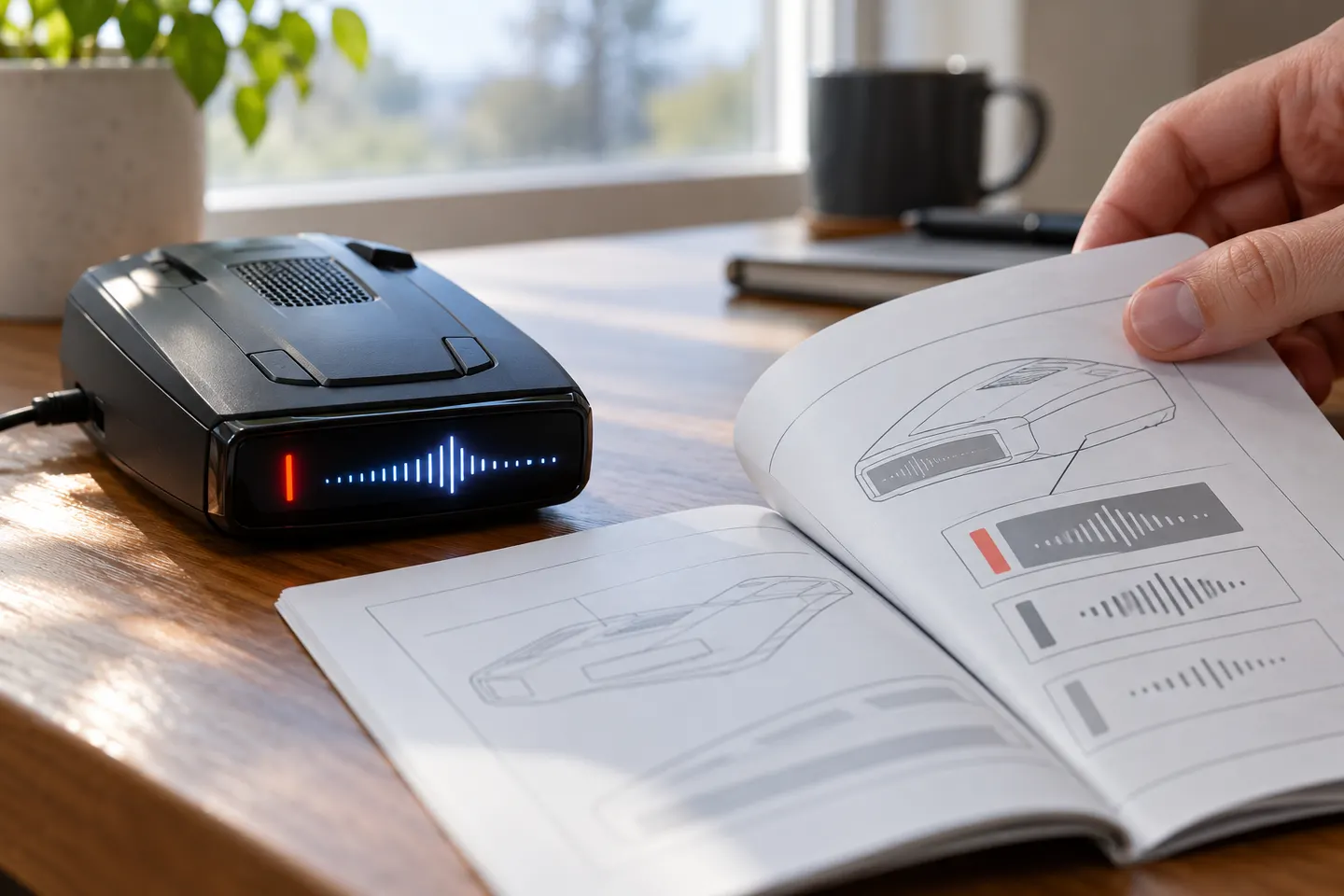
X band is a microwave frequency band used by some radar systems. A detector’s X-band alert means it has identified a signal in that band; it does not by itself prove that the signal is police enforcement.
X, K and Ka refer to different radar frequency bands. For example, Uniden lists X at 10.525 GHz, K at 24.150 GHz and Ka from 33.400 to 35.700 GHz for its R8. These are model specifications, not a universal configuration for every detector.
An X alert reports a detected signal in the configured X band. Automatic doors and other equipment can cause alerts on some bands; use the manufacturer’s manual to understand filtering settings and avoid disabling a band without knowing local enforcement practice.
There is no universal setting. Local radar use, vehicle environment and the detector’s settings matter. Follow the manual and local law, and do not assume a setting appropriate for one region applies elsewhere.
“Full band” and “360” are manufacturer terms that need model-specific interpretation. Confirm the frequency coverage, antenna arrangement, laser sensing and directional indicators in the official manual rather than inferring them from a label.
Common questions
It is a radar frequency band the detector can monitor. A product’s manual gives the frequencies and settings for that particular model.
It means the detector has identified a signal within its X-band configuration. The alert alone does not establish the signal’s source.
No. They are different frequency-band labels. Check the detector’s manual for supported bands; do not treat marketplace claims about “S band” as proof of a standard feature.
No. Detector use is permitted only in British Columbia, Alberta and Saskatchewan under the stated rules, and prohibited elsewhere; Saskatchewan has a commercial-vehicle restriction.
Keep exploring
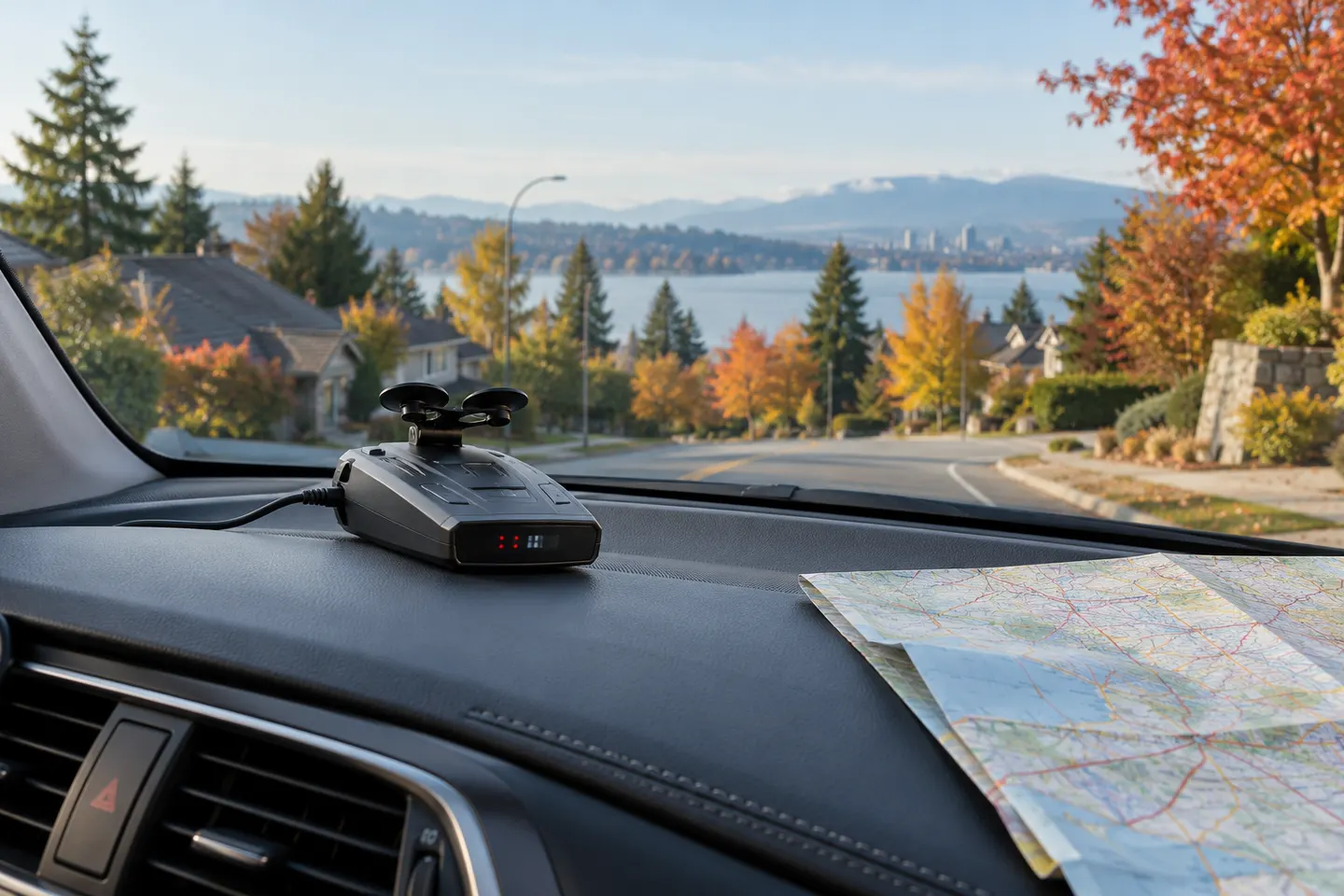
Uniden’s range spans directional dual-antenna models and GPS-equipped options. Match features to your needs and confirm detector use is permitted on your route.
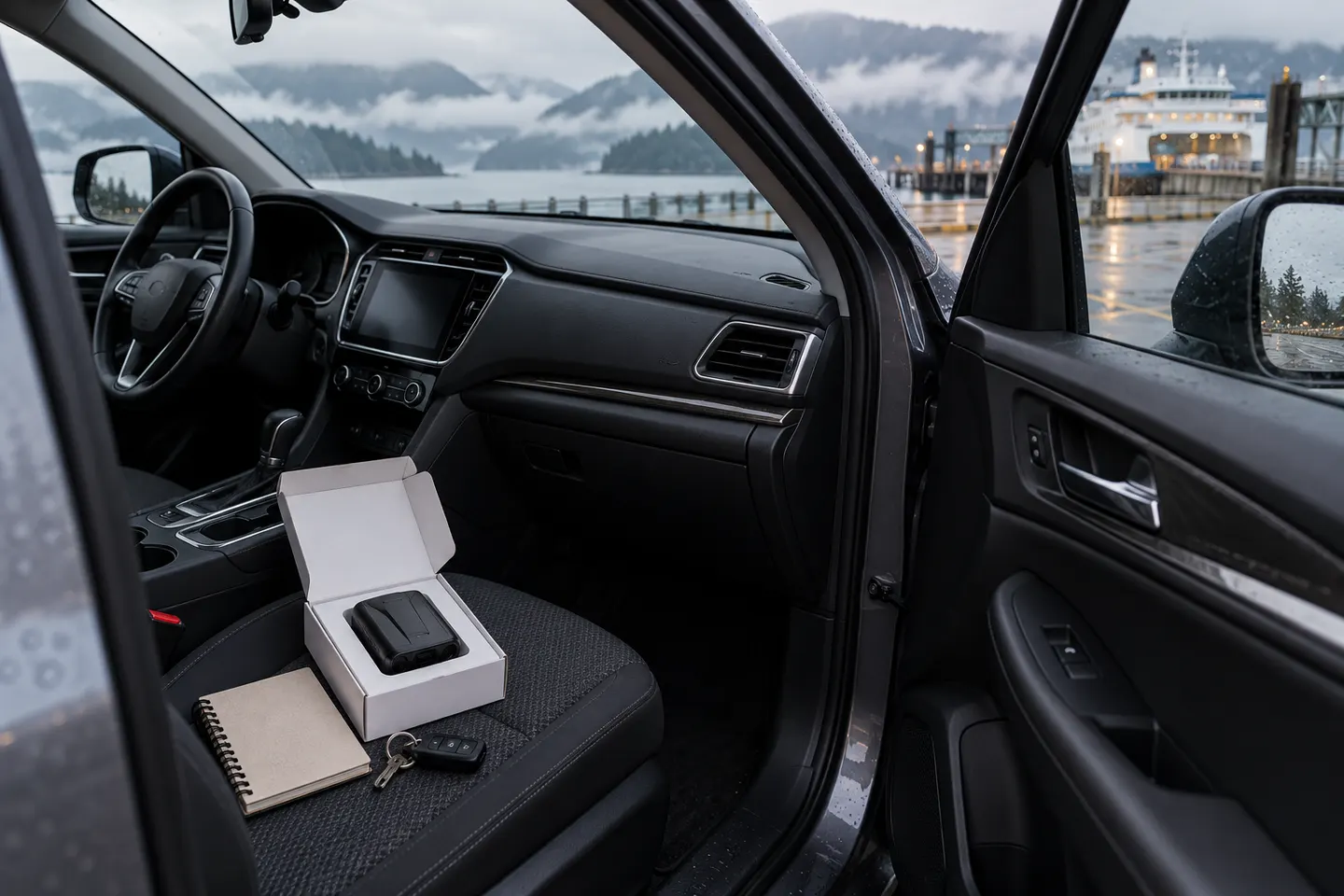
Escort’s lineup ranges from straightforward portable units to connected directional detectors and a dash-cam combination. Match features to your drive and verify legality before purchase.
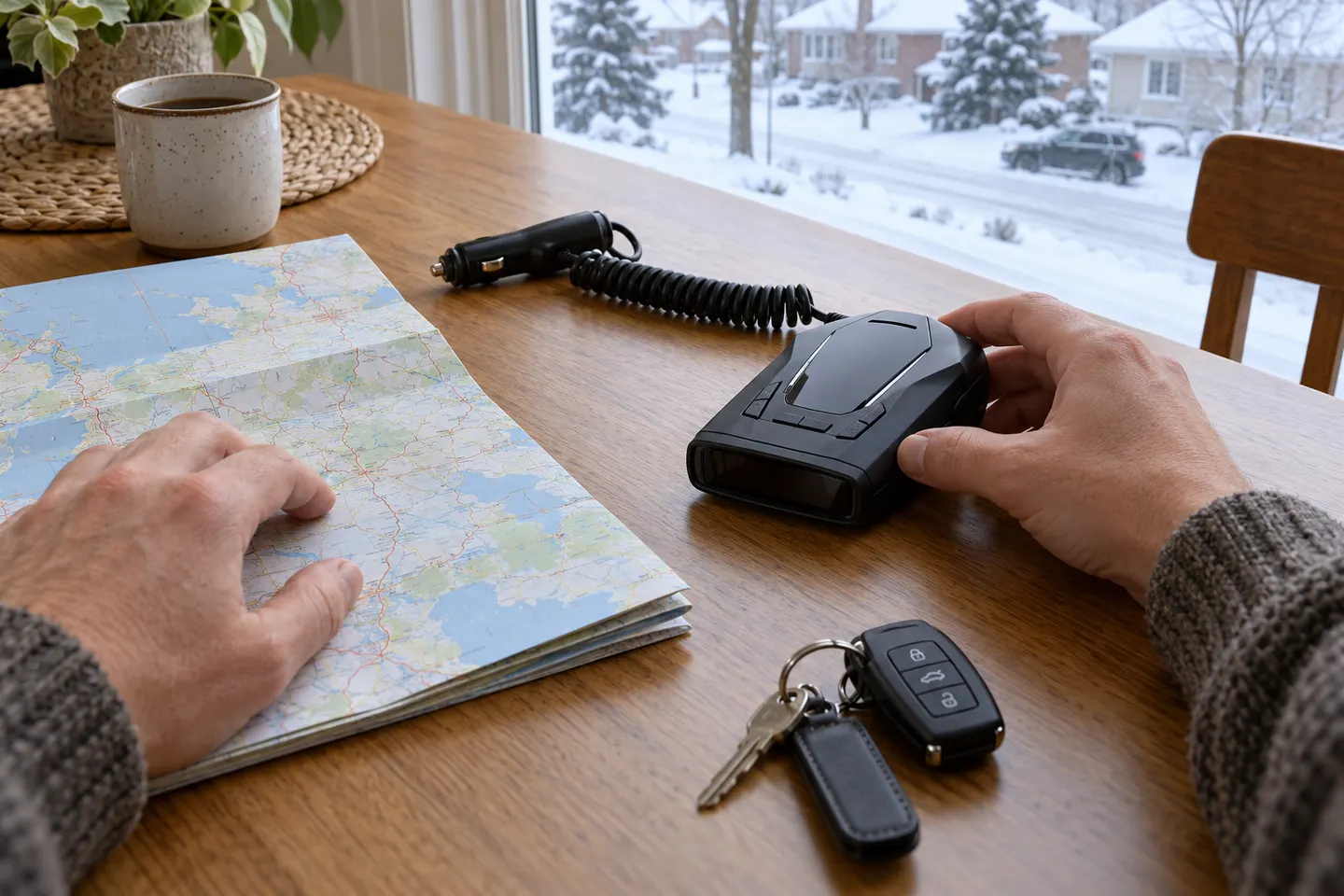
Cobra’s RAD range varies from straightforward detection to connected alerts and GPS-based features. Compare the exact model and verify local legality.
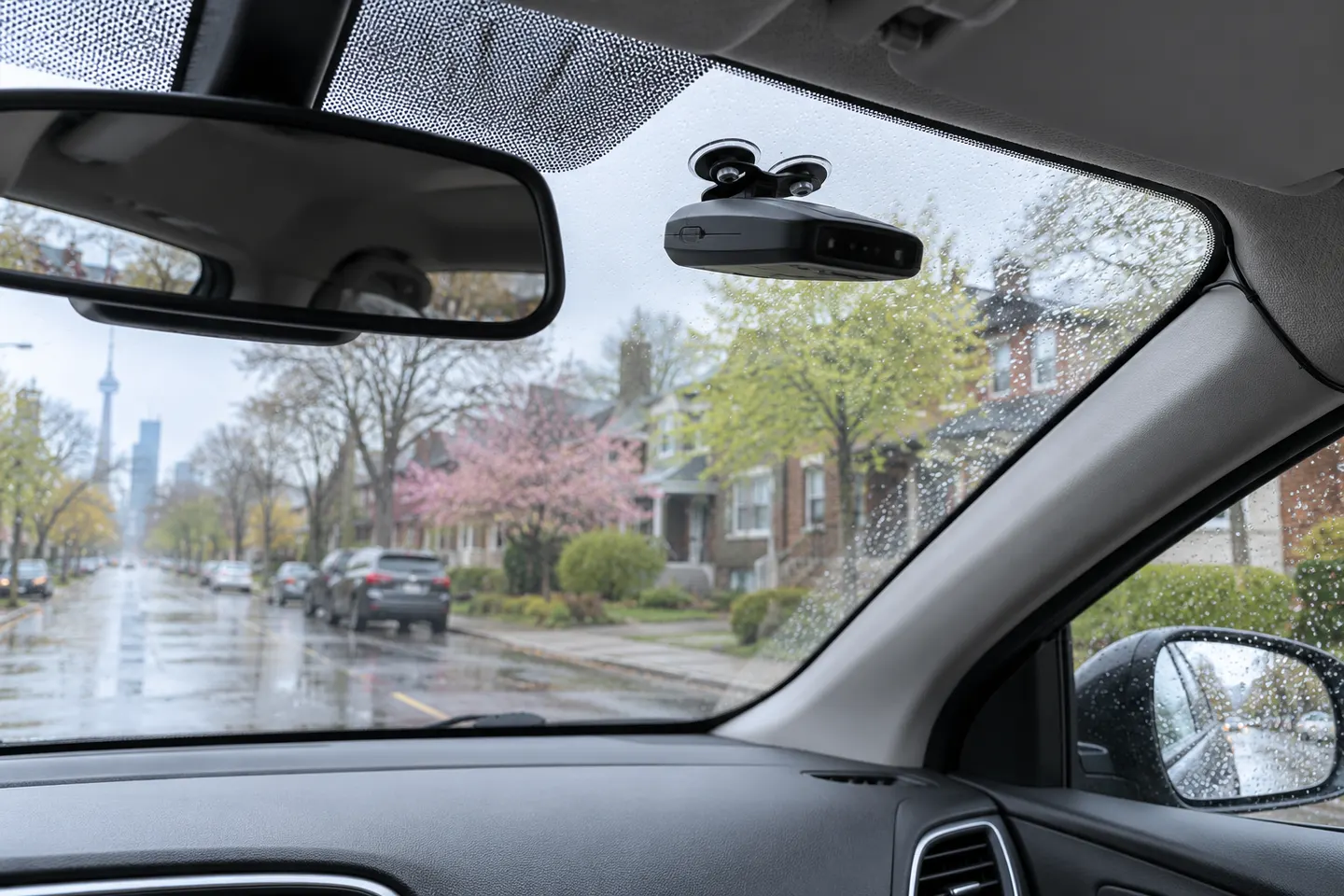
A radar detector alerts you to certain active radar signals; it does not guarantee advance warning or make speeding safe. Start by checking local law, then compare portability, filtering and GPS features.