








 Official manufacturer image
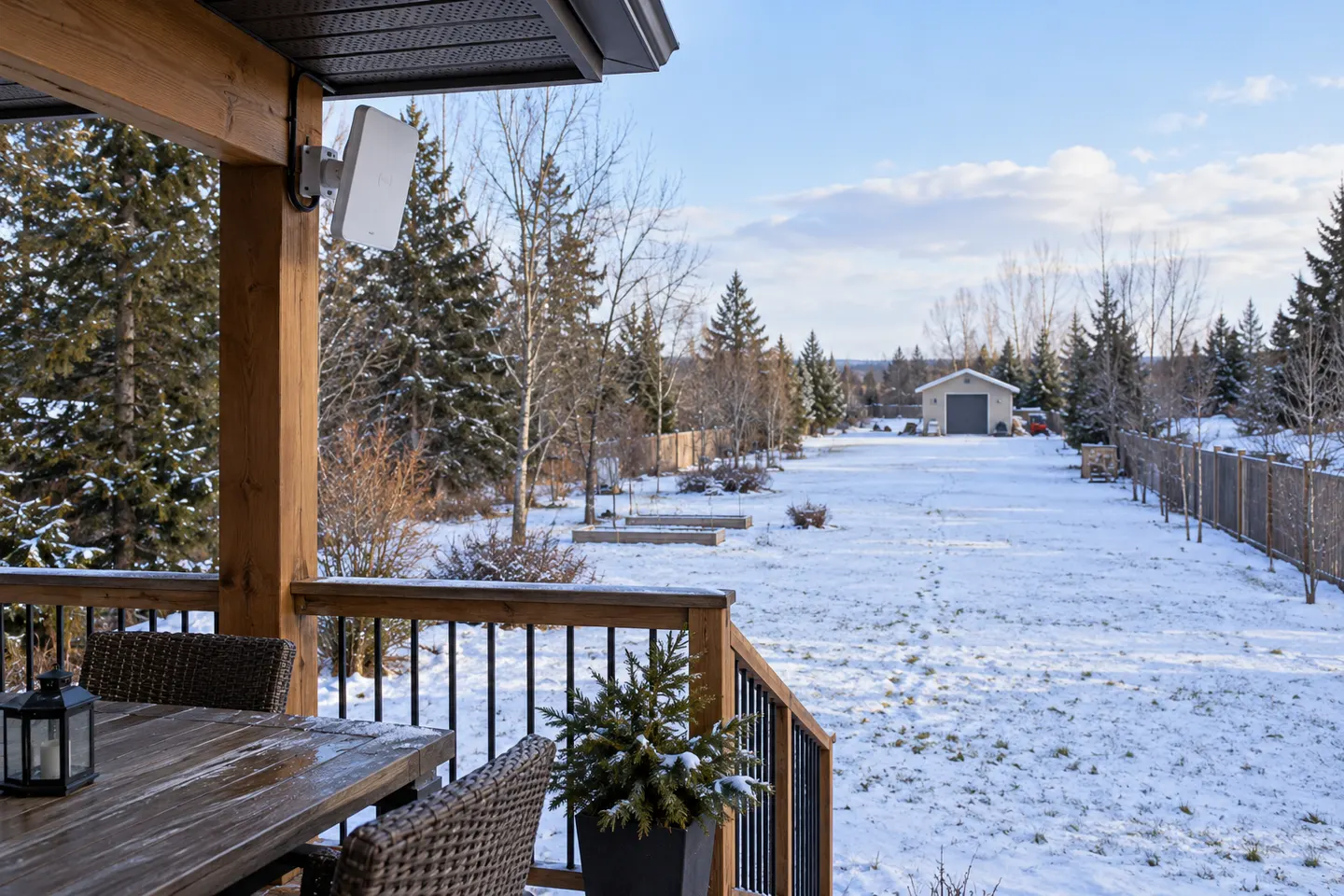
Our picks
Top picks
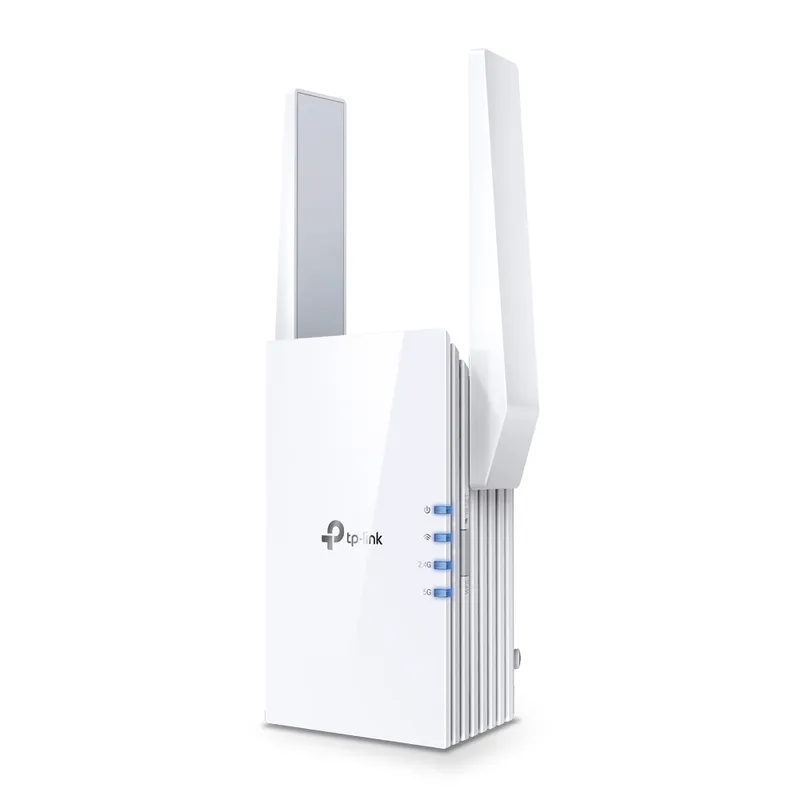
Official manufacturer image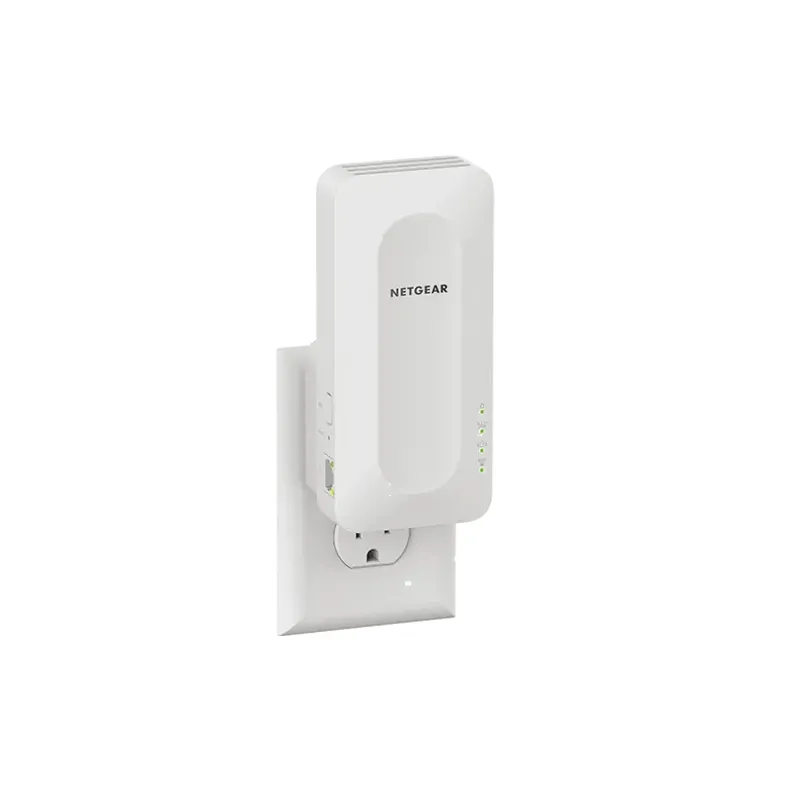 Official manufacturer image
NETGEAR EAX15
Check price on Amazon.ca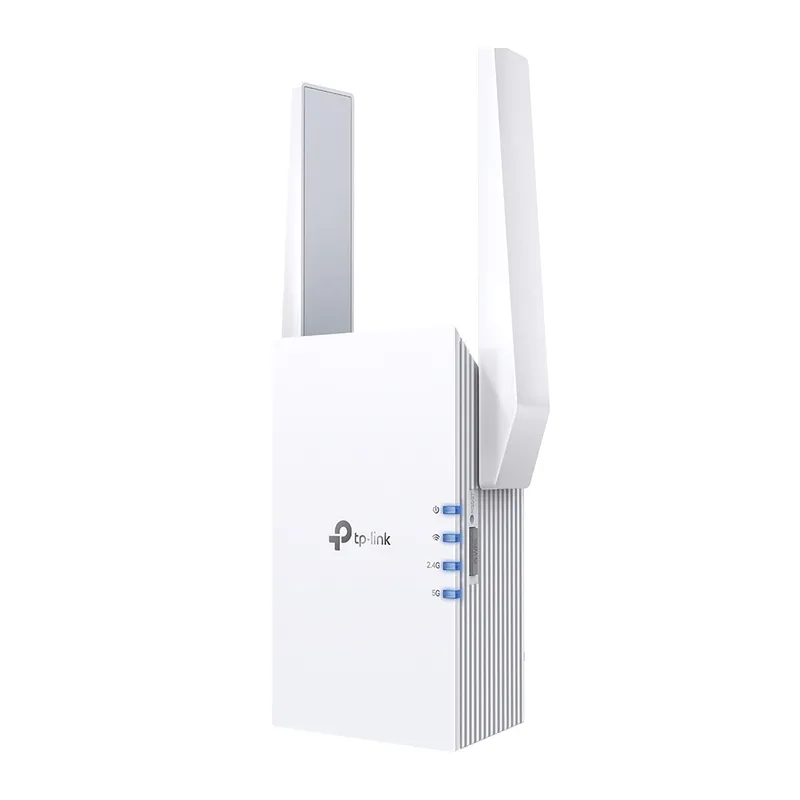 Official manufacturer image
TP-Link RE605X
Check price on Amazon.caCommon questions
Questions before you buy
Can a WiFi booster reach 100 metres?
It can be possible in favourable conditions, especially with outdoor directional equipment and a clear path. Walls, foliage, interference and the client device can reduce range substantially.
Is a 100-metre WiFi link suitable through walls?
A long link through several walls is unlikely to behave like an open-air link. Consider a wired access point or a professionally planned point-to-point bridge instead.
Can I use an indoor extender outdoors?
Only install equipment outdoors if its manufacturer specifies an outdoor-rated enclosure and operating conditions. A standard indoor plug-in extender should stay inside.
What matters most when extending WiFi to another building?
Check line of sight, mounting position, outdoor rating, power delivery and whether both ends need compatible bridge equipment. The right design depends on the buildings and local rules.