Best WiFi Outdoor Extenders for Canadian Homes (2026)
For a purpose-built outdoor link, NETGEAR Orbi RBS50Y is the clearest plug-in extender choice. TP-Link’s outdoor access points suit installations where you can run Ethernet and provide PoE.

 Best picksThe Best Dash Cam Cameras for Different Drivers
 Best picksBest WiFi Extenders in Canada for Different Home Networks
 Best picksBest Meat Thermometers in Canada for 2026
 Best picksBest Winter Gloves for Canadian Conditions (2026)
 Best picksBest Headlamps: Compare Reliable Options for Canada
 Best picksRadar Detector Best Picks for Canadian Drivers (2026)
 Best picksBest Portable Air Coolers to Consider in 2026
 Best picksBest cordless grass trimmers with a battery and charger
 Best picksBest Air Purifier for Bedroom in the Canada: Quiet Models Compared
Start here
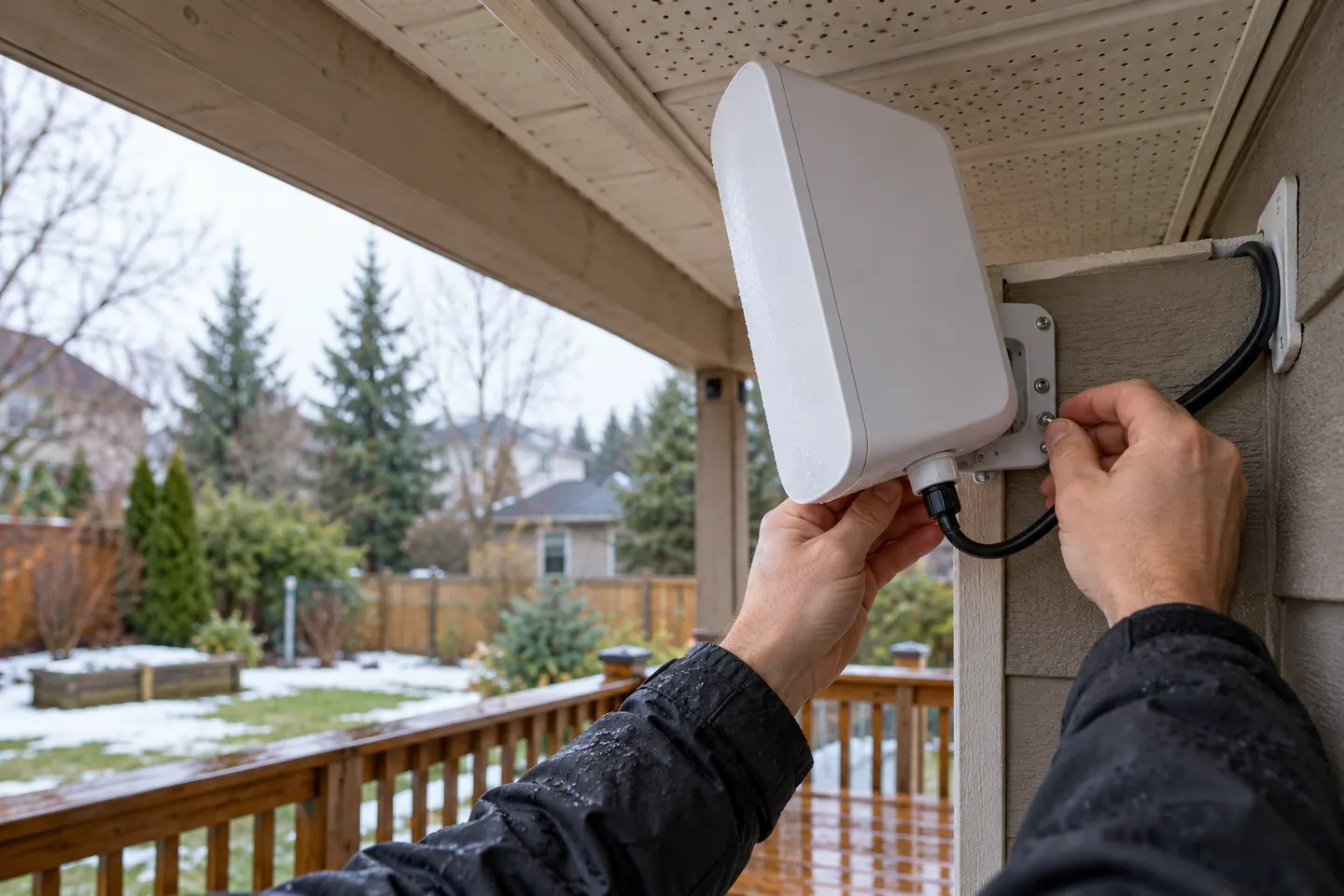
For a purpose-built outdoor link, NETGEAR Orbi RBS50Y is the clearest plug-in extender choice. TP-Link’s outdoor access points suit installations where you can run Ethernet and provide PoE.
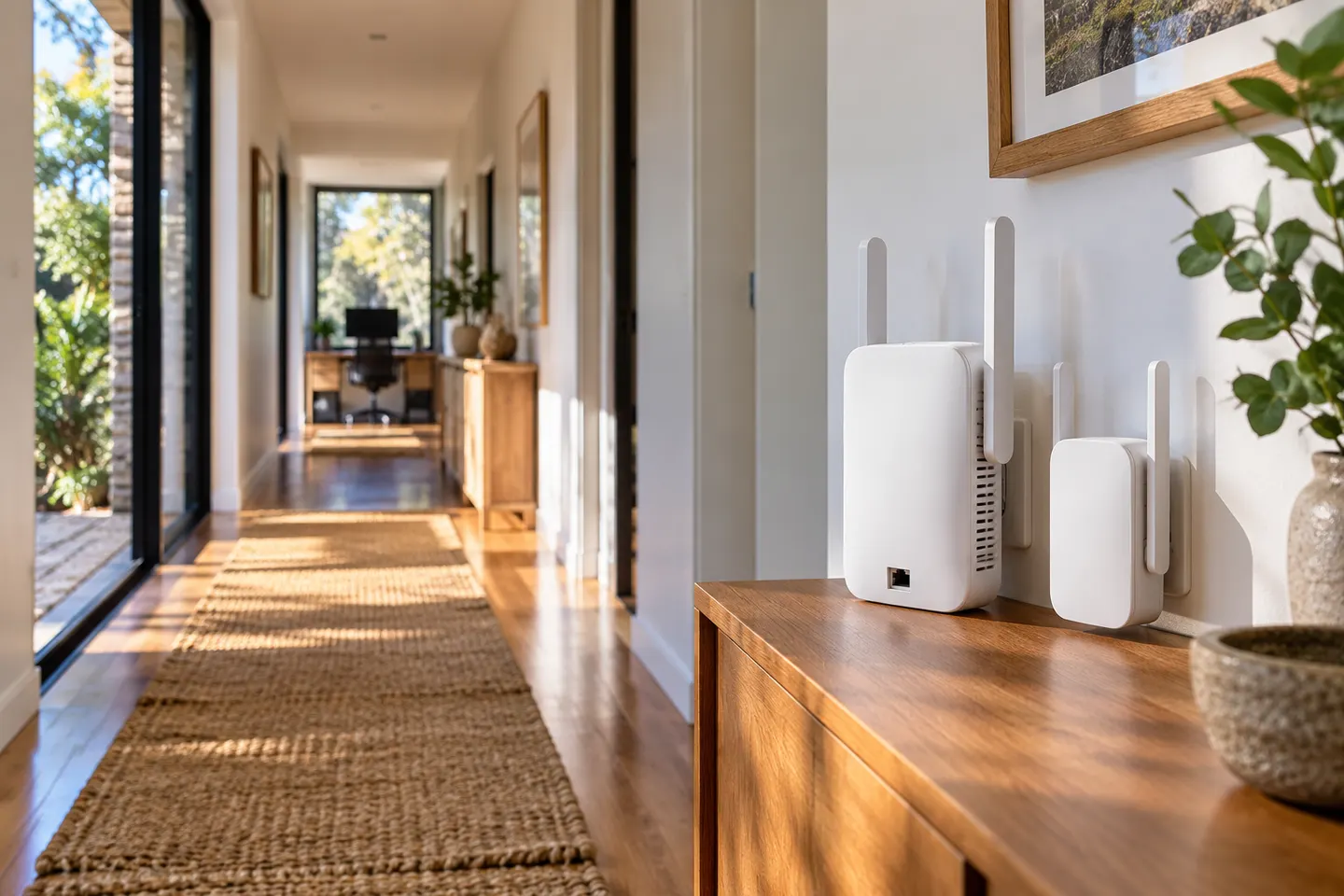
For a typical home, the TP-Link RE715X is a strong feature-led starting point: WiFi 6, EasyMesh compatibility and access-point mode. Consider ASUS RP-AX58 for AiMesh or NETGEAR EAX20 for multiple Ethernet ports; the right choice depends on router fit and placement.
Our picks
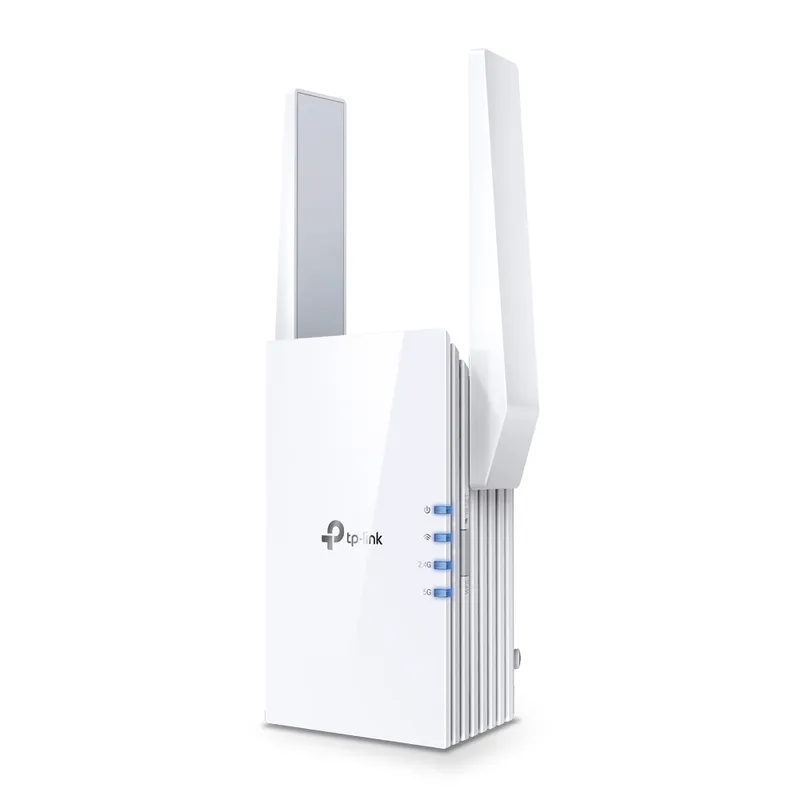 Official manufacturer image
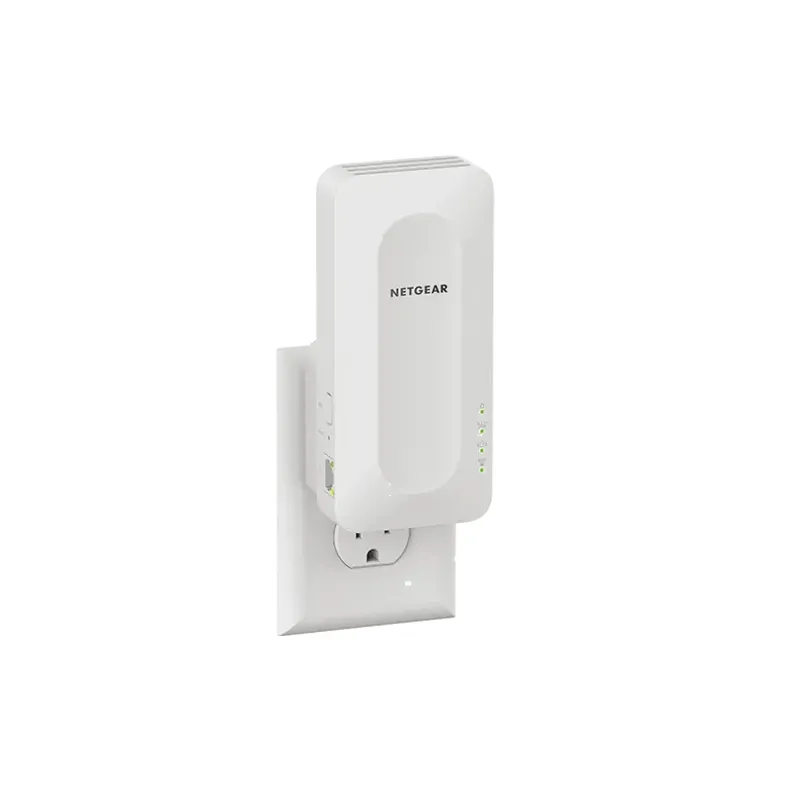 Official manufacturer image
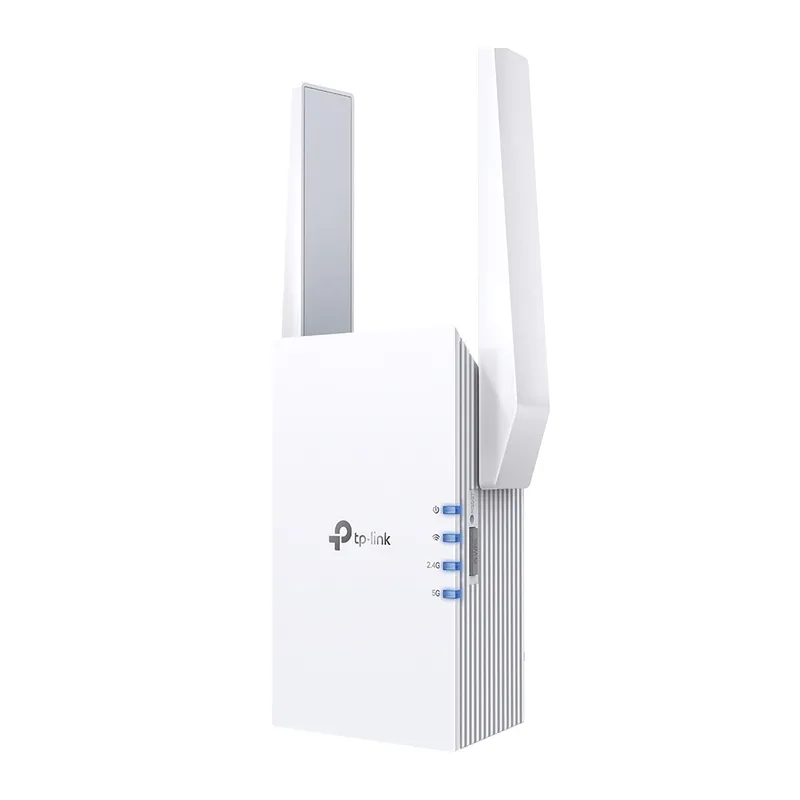 Official manufacturer image
Best picks
For a purpose-built outdoor link, NETGEAR Orbi RBS50Y is the clearest plug-in extender choice. TP-Link’s outdoor access points suit installations where you can run Ethernet and provide PoE.
For a typical home, the TP-Link RE715X is a strong feature-led starting point: WiFi 6, EasyMesh compatibility and access-point mode. Consider ASUS RP-AX58 for AiMesh or NETGEAR EAX20 for multiple Ethernet ports; the right choice depends on router fit and placement.
For a larger home, start with the TP-Link RE650 for its four external antennas and published extended-range design. The RE705X is a newer WiFi 6 alternative; choose only after checking router compatibility and placement.
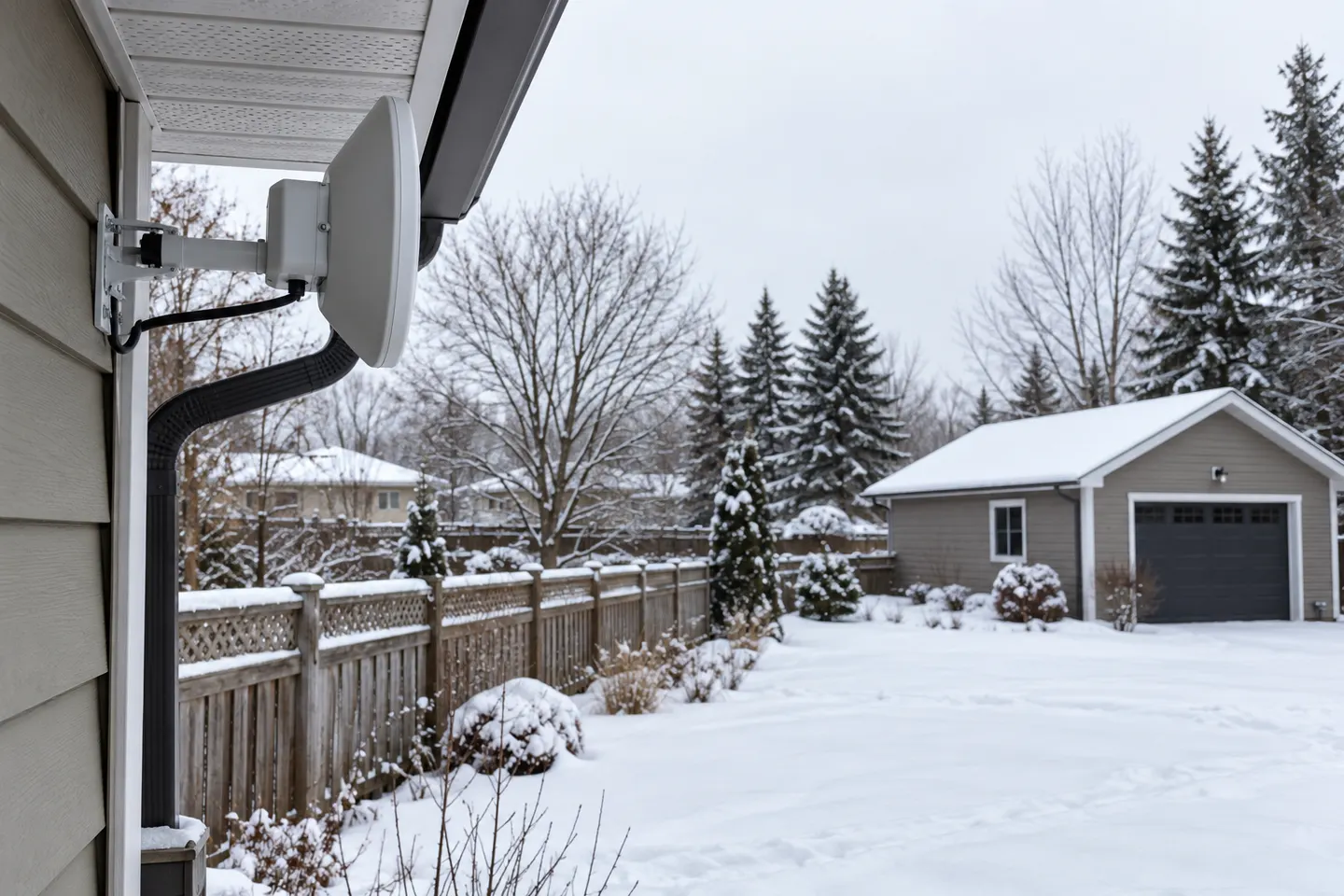
For outdoor coverage, a weather-rated access point is often the practical choice. TP-Link's EAP650-Outdoor is a strong feature set; simpler and mesh options suit different installations.
Common questions
Check the stated weather protection, operating temperature, mounting hardware, antenna pattern, power method and supported network mode. Confirm that the link path is practical for your site.
Walls and other obstructions can reduce wireless signal. A clear line of sight may help in some deployments, but performance still depends on frequency, interference, antenna placement and local rules.
Only if the device supports repeater mode. Some outdoor access points require Ethernet backhaul or specific controller software, so verify the model documentation.
It radiates and receives across a broad horizontal area rather than focusing in one narrow direction. Antenna direction and gain should fit the coverage pattern and device installation.
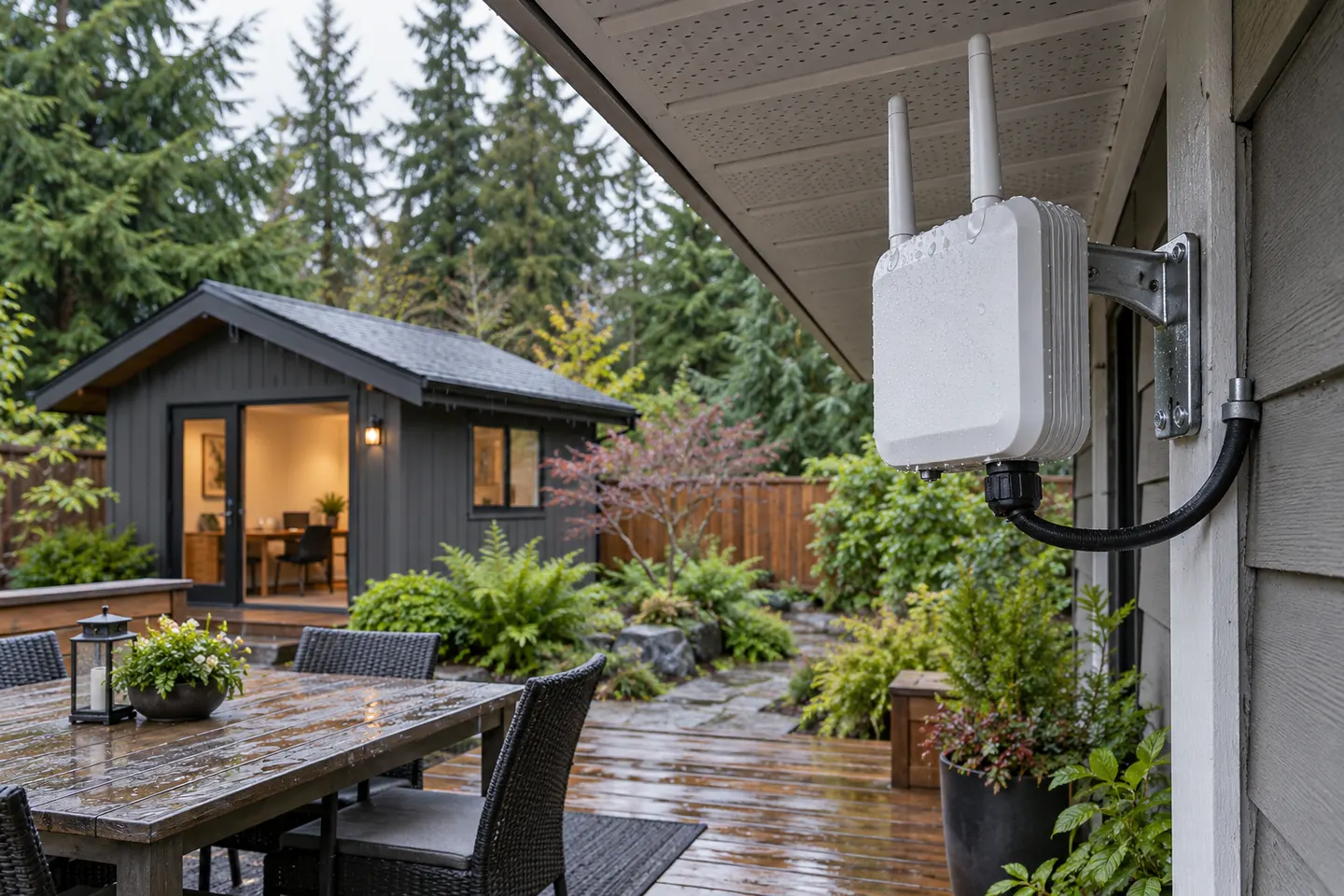 Outdoor
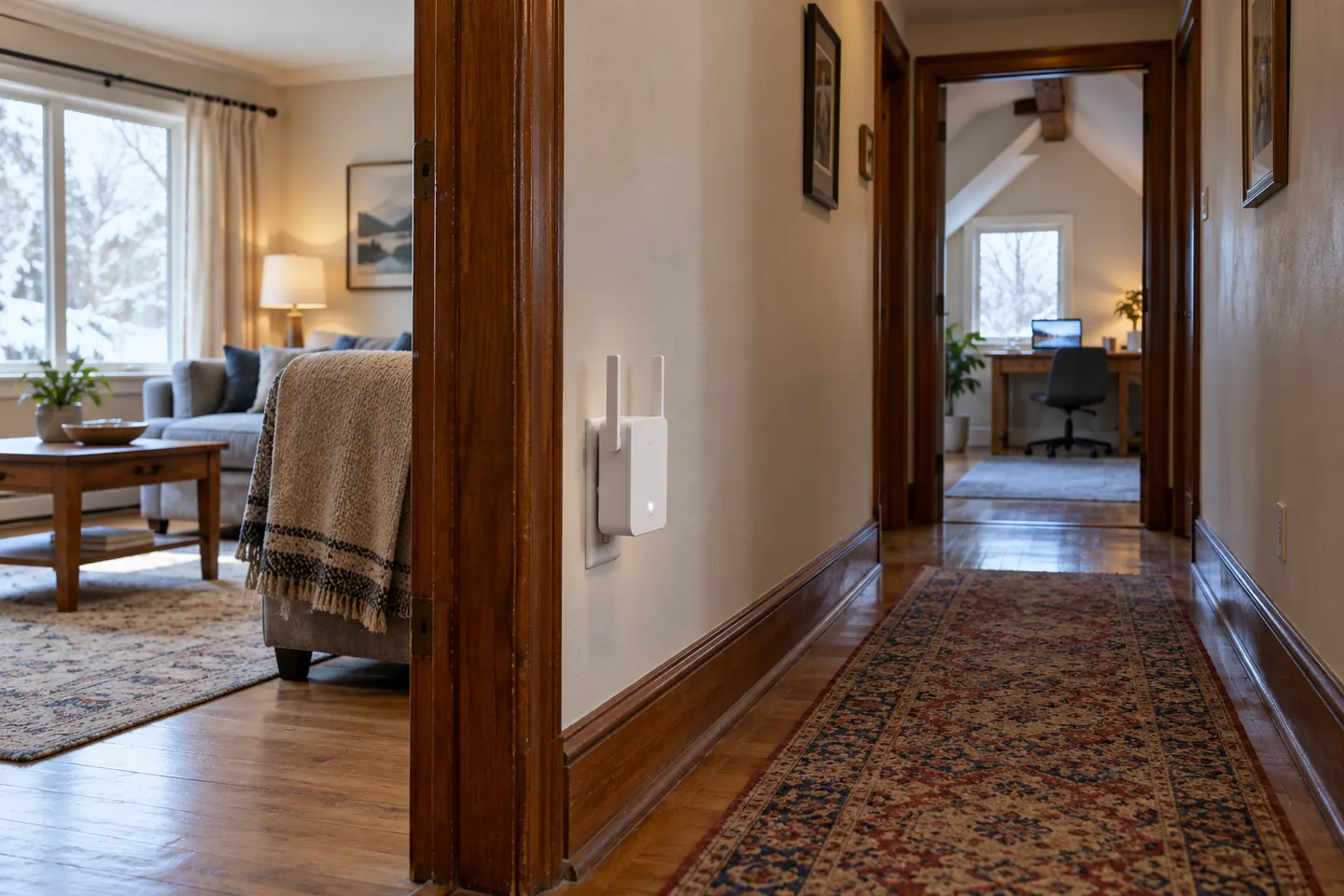 Long
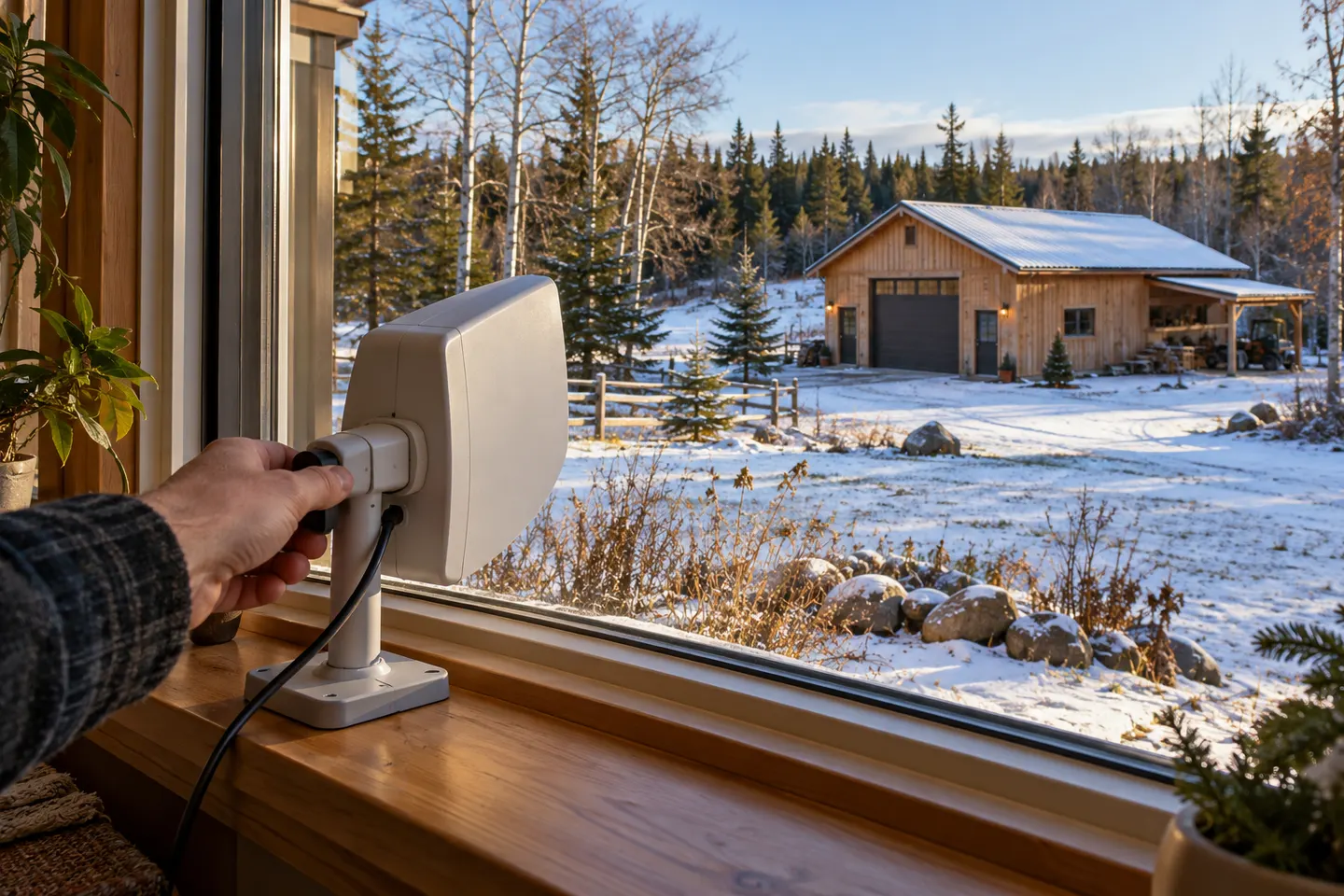 Long distance
 Longest outdoor