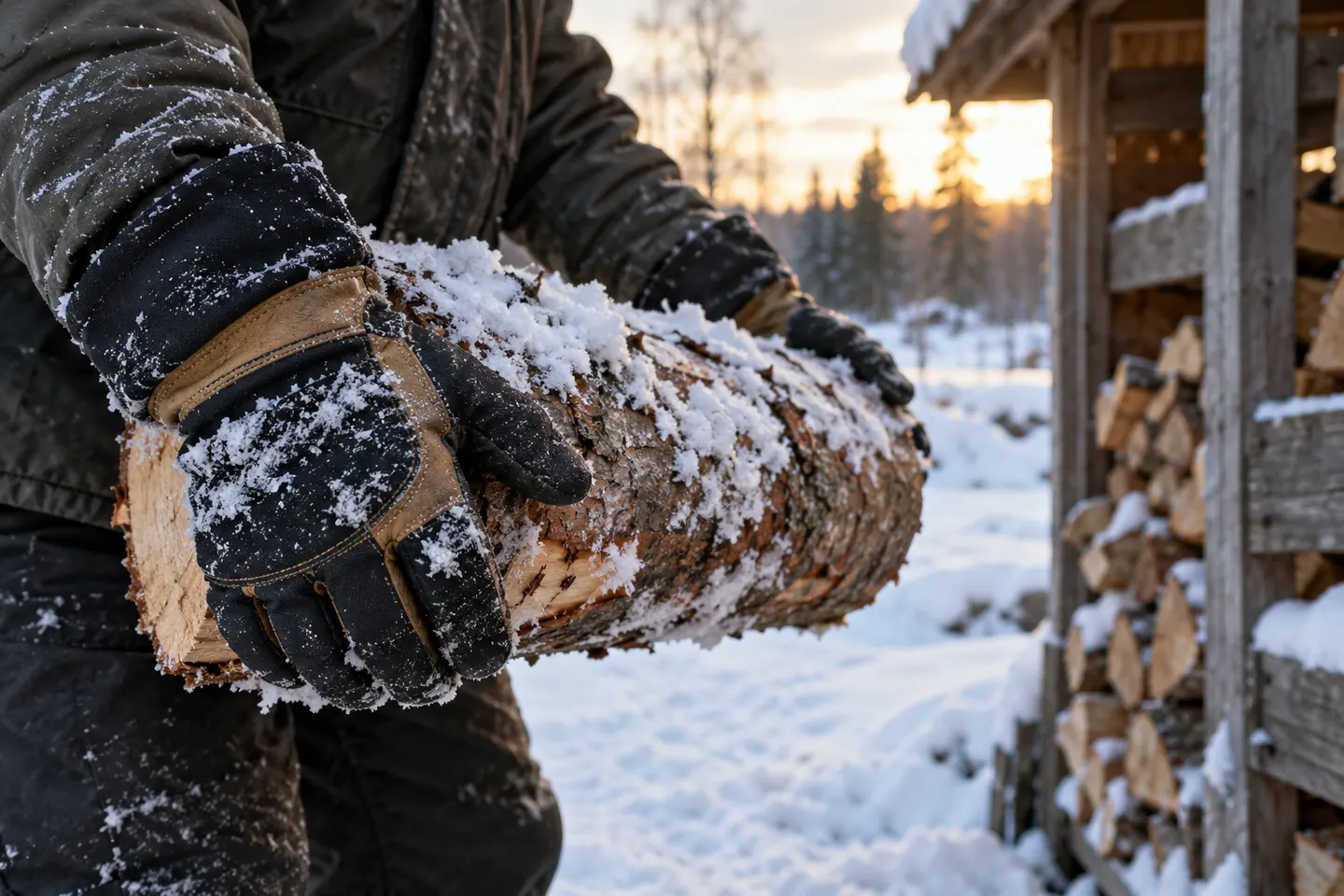
Best Winter Working Gloves for Cold-Weather Jobs in 2026
The Mechanix Wear ColdWork Original is a versatile choice for routine maintenance, while the SHOWA TEMRES 282 suits wet handling. For impact protection, consider the ColdWork M-Pact.

 Best picksThe Best Dash Cam Cameras for Different Drivers
 Best picksBest WiFi Extenders in Canada for Different Home Networks
 Best picksBest Meat Thermometers in Canada for 2026
 Best picksBest Winter Gloves for Canadian Conditions (2026)
 Best picksBest Headlamps: Compare Reliable Options for Canada
 Best picksRadar Detector Best Picks for Canadian Drivers (2026)
 Best picksBest Portable Air Coolers to Consider in 2026
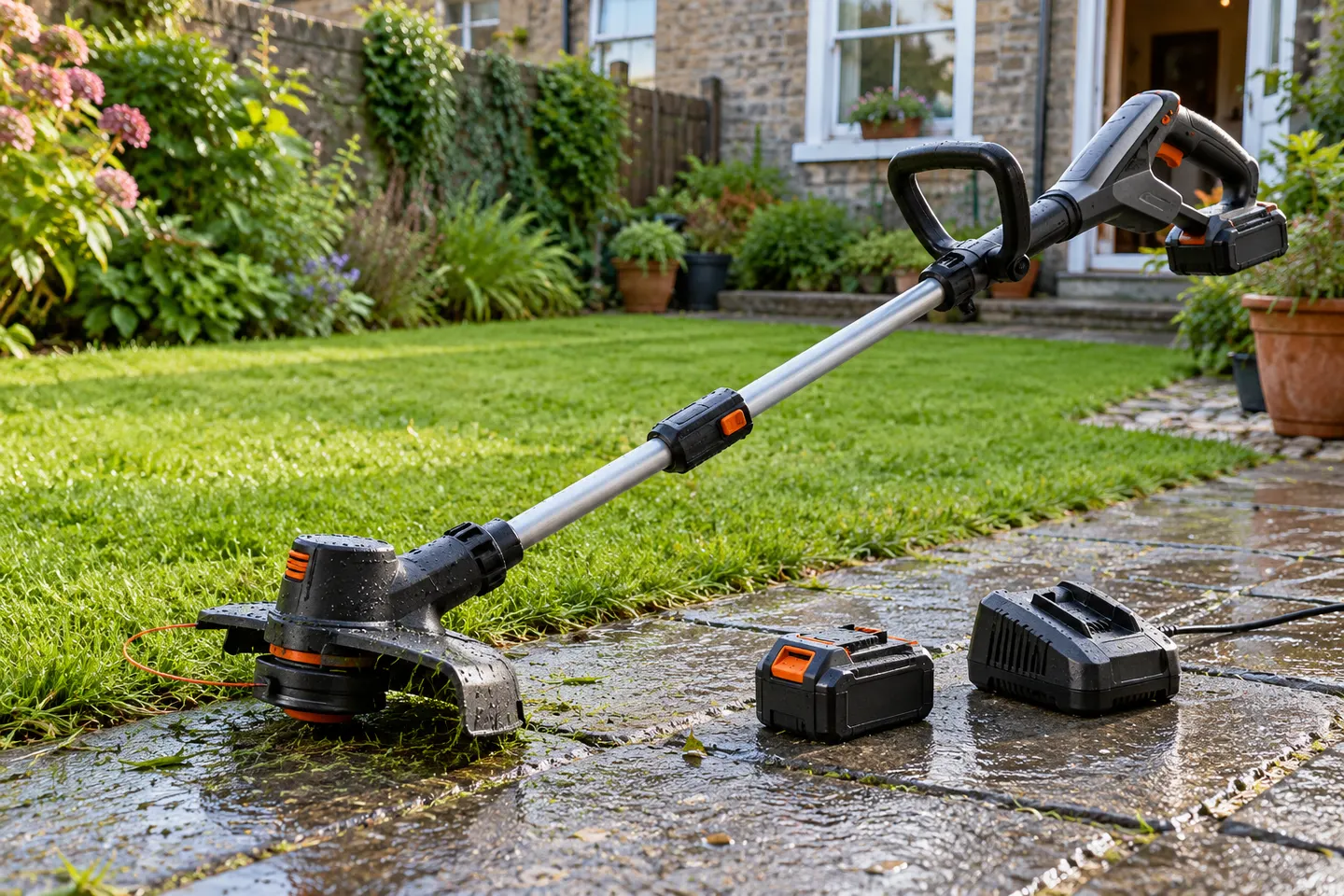 Best picksBest cordless grass trimmers with a battery and charger
 Best picksBest Air Purifier for Bedroom in the Canada: Quiet Models Compared
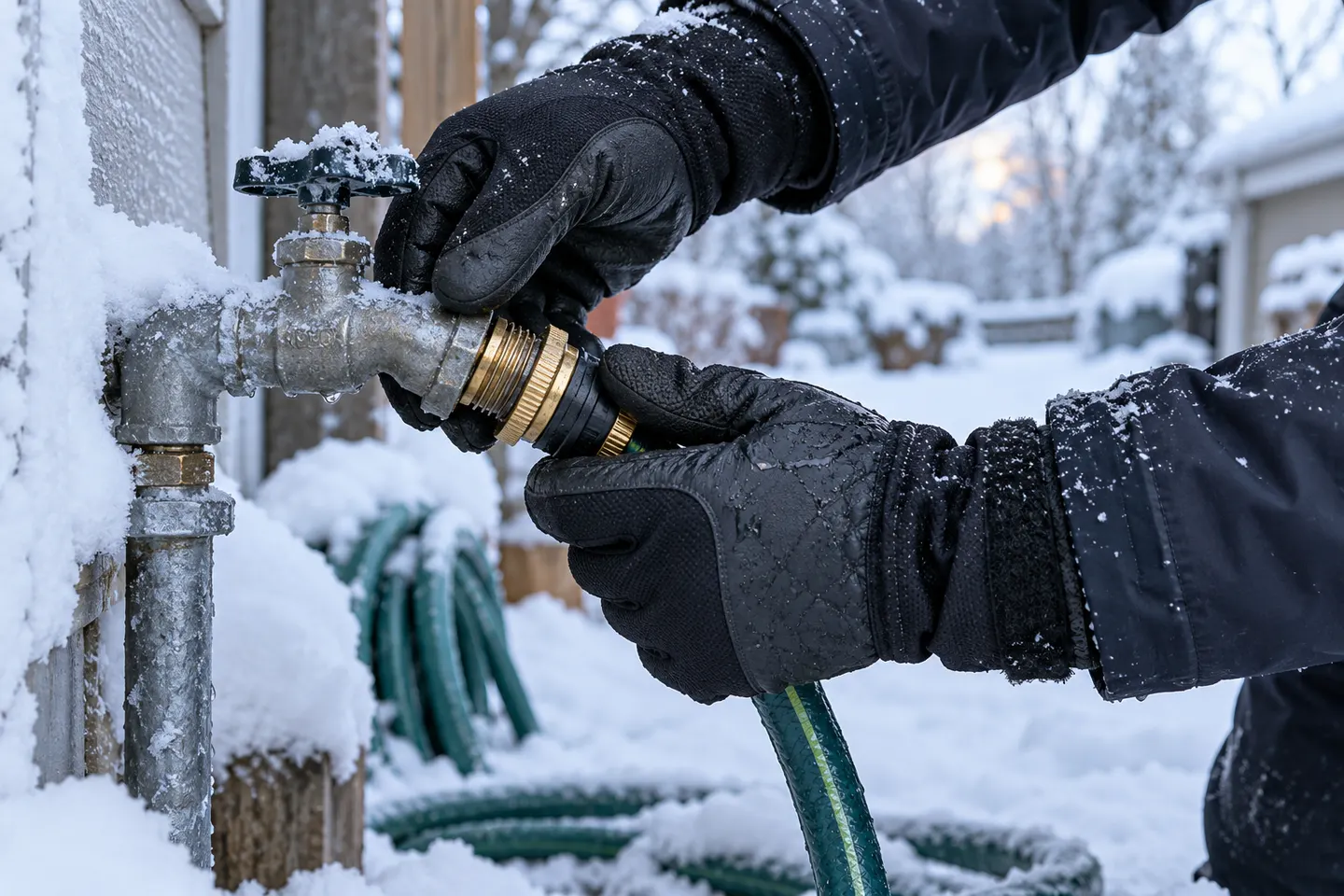
Start here
The Mechanix Wear ColdWork Original is a versatile choice for routine maintenance, while the SHOWA TEMRES 282 suits wet handling. For impact protection, consider the ColdWork M-Pact.
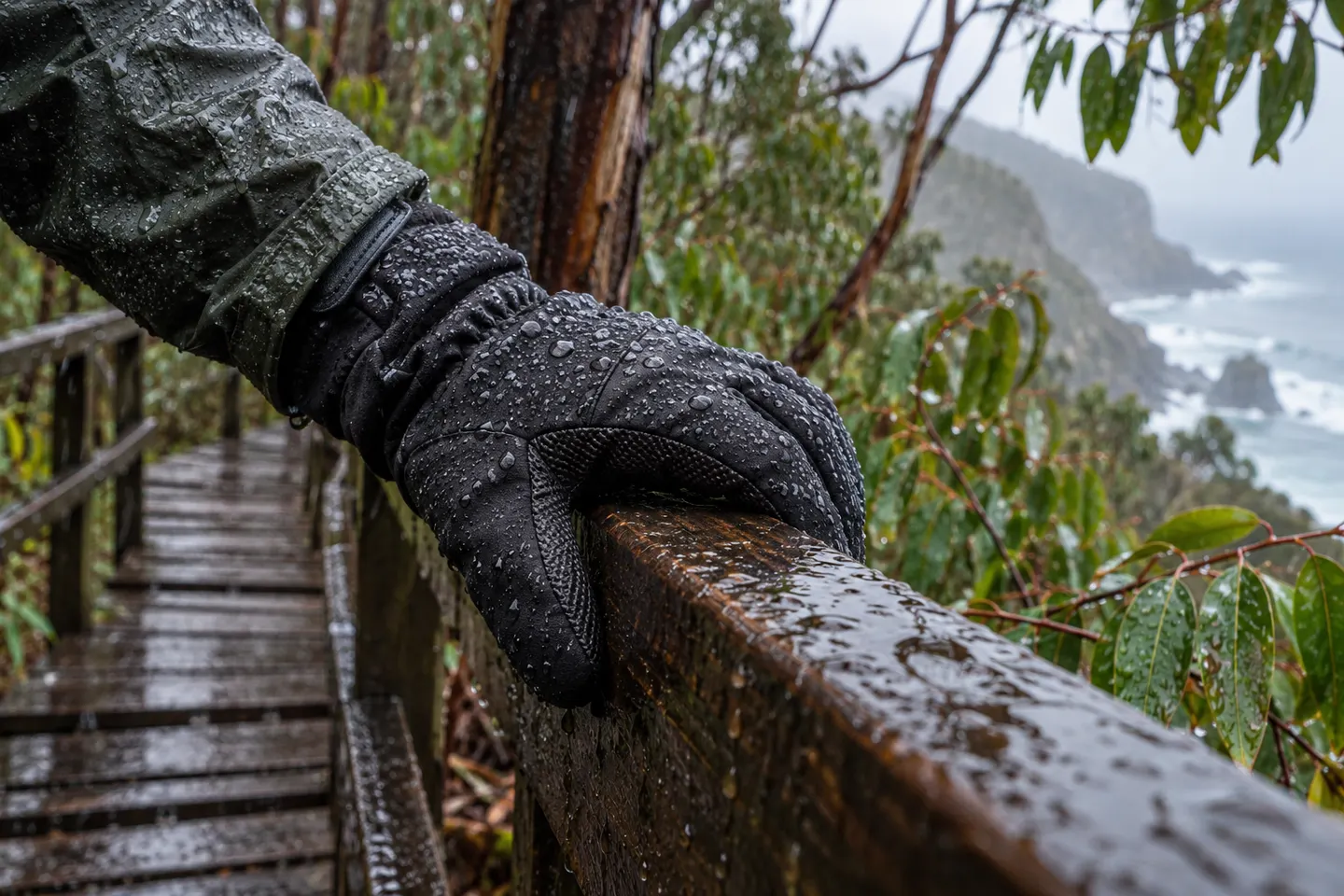
For snow and resort use, Columbia Whirlibird III is a balanced starting point; Burton GORE-TEX adds a removable liner, while Carhartt and Mechanix offer work-focused options.
Our picks
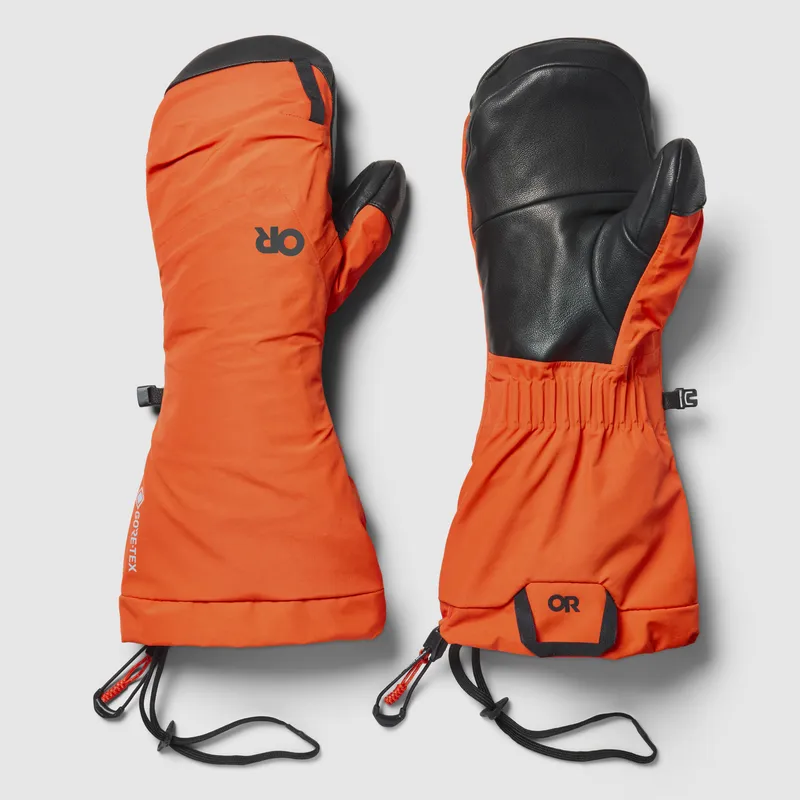 Official manufacturer image
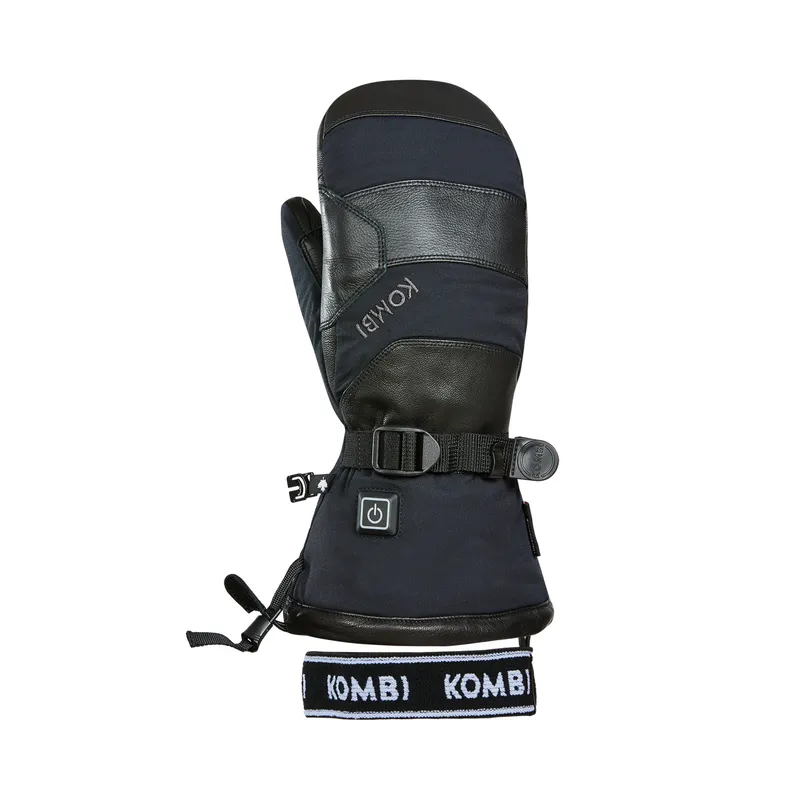 Official manufacturer image
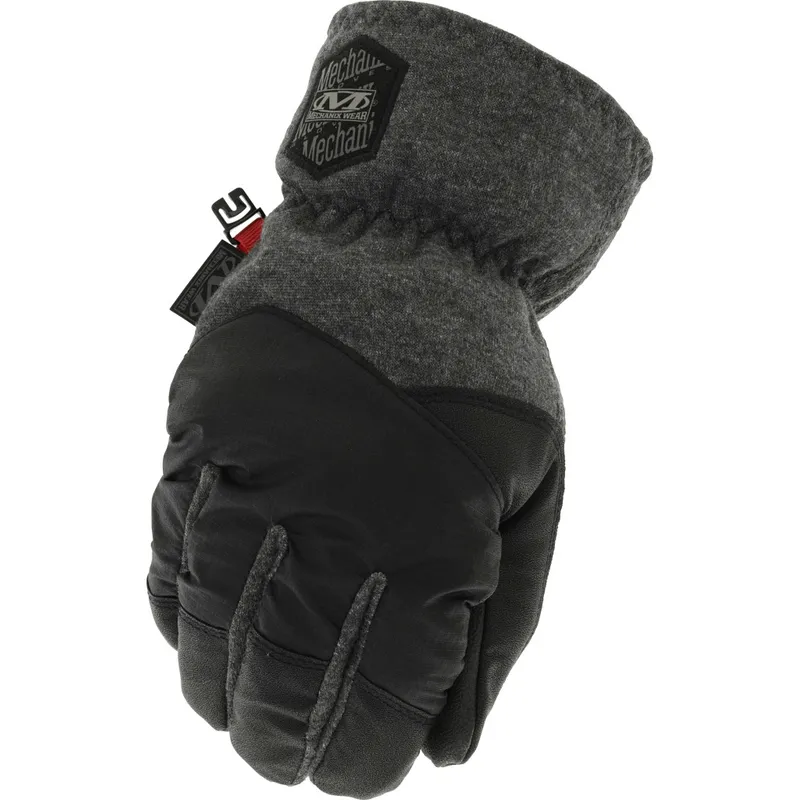 Official manufacturer image
Best picks
The Mechanix Wear ColdWork Original is a versatile choice for routine maintenance, while the SHOWA TEMRES 282 suits wet handling. For impact protection, consider the ColdWork M-Pact.
For snow and resort use, Columbia Whirlibird III is a balanced starting point; Burton GORE-TEX adds a removable liner, while Carhartt and Mechanix offer work-focused options.
Common questions
Waterproofing blocks external moisture, but warmth depends on insulation, fit and how long you stay outside. For prolonged cold, consider a roomy insulated glove or a liner-and-shell combination.
Yes, if the outer glove has enough room and the layers do not bunch at the fingertips. A removable liner also helps manage sweat during active work.
Look for secure grip, reinforced high-wear areas, a cuff that works with your coat and enough dexterity for the task. Waterproof construction helps when handling wet snow or materials.
They can be, but bulky insulation may reduce control. Choose a comfortable fit and check whether the palm material is designed for grip.
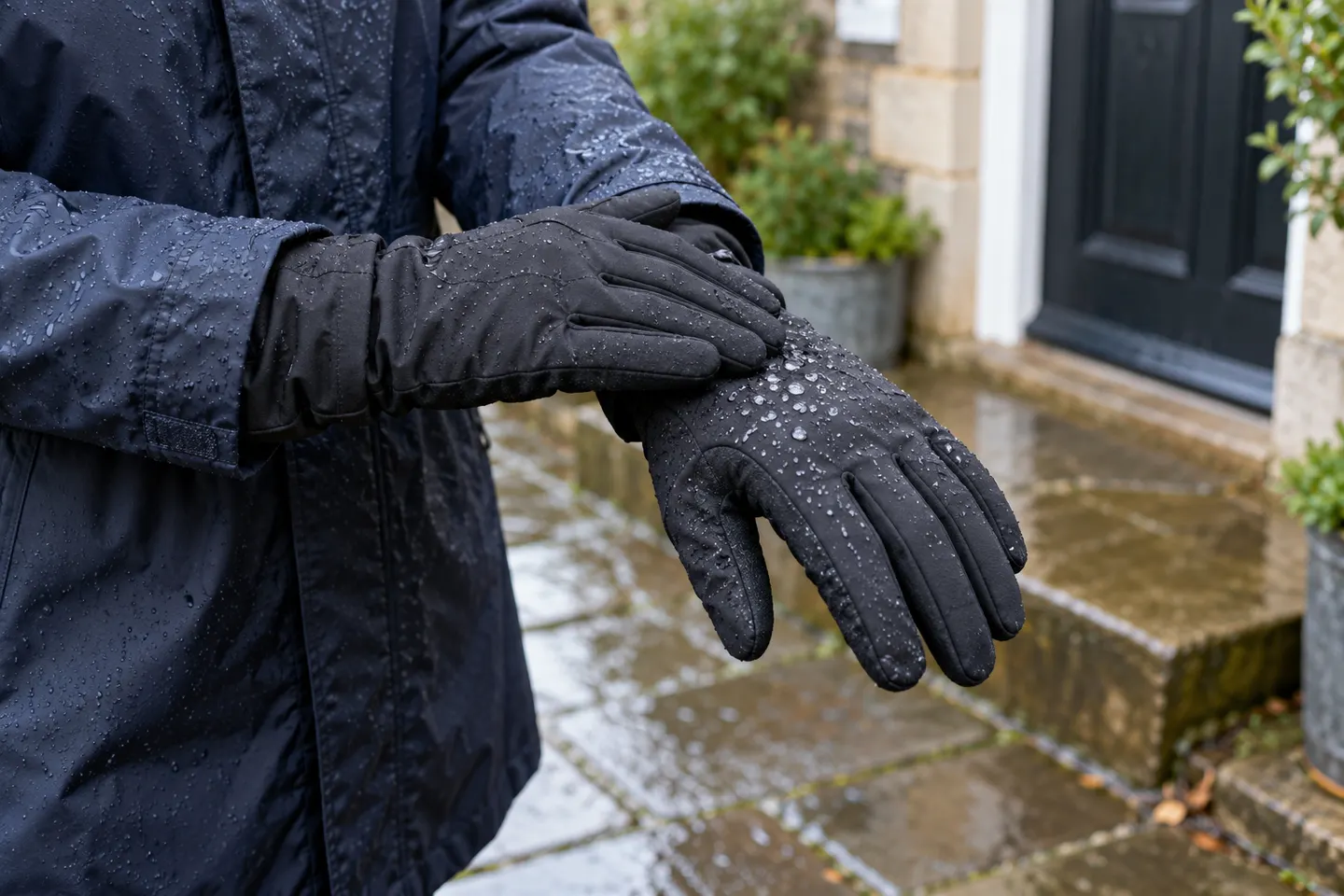 Women waterproof
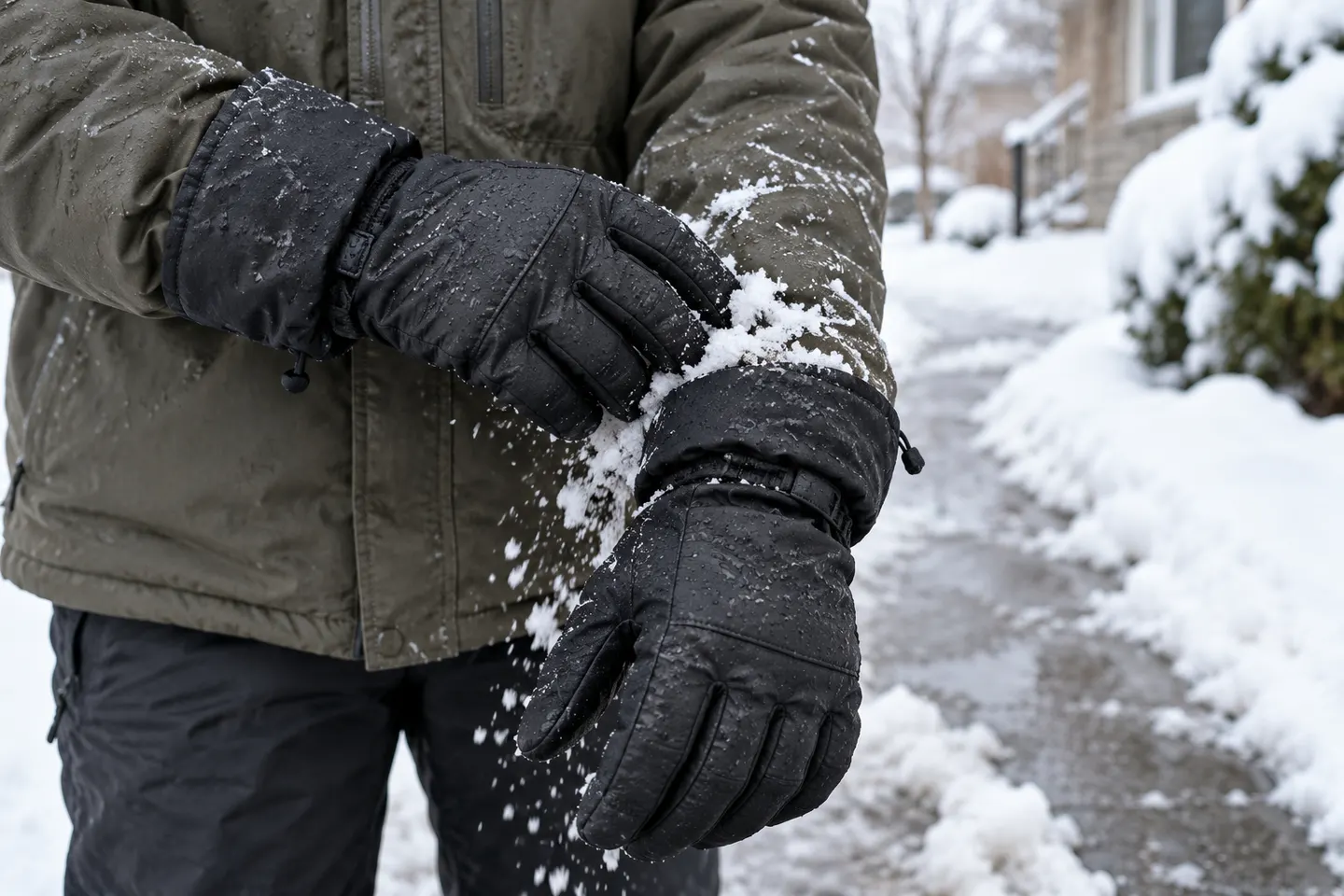 Waterproof men
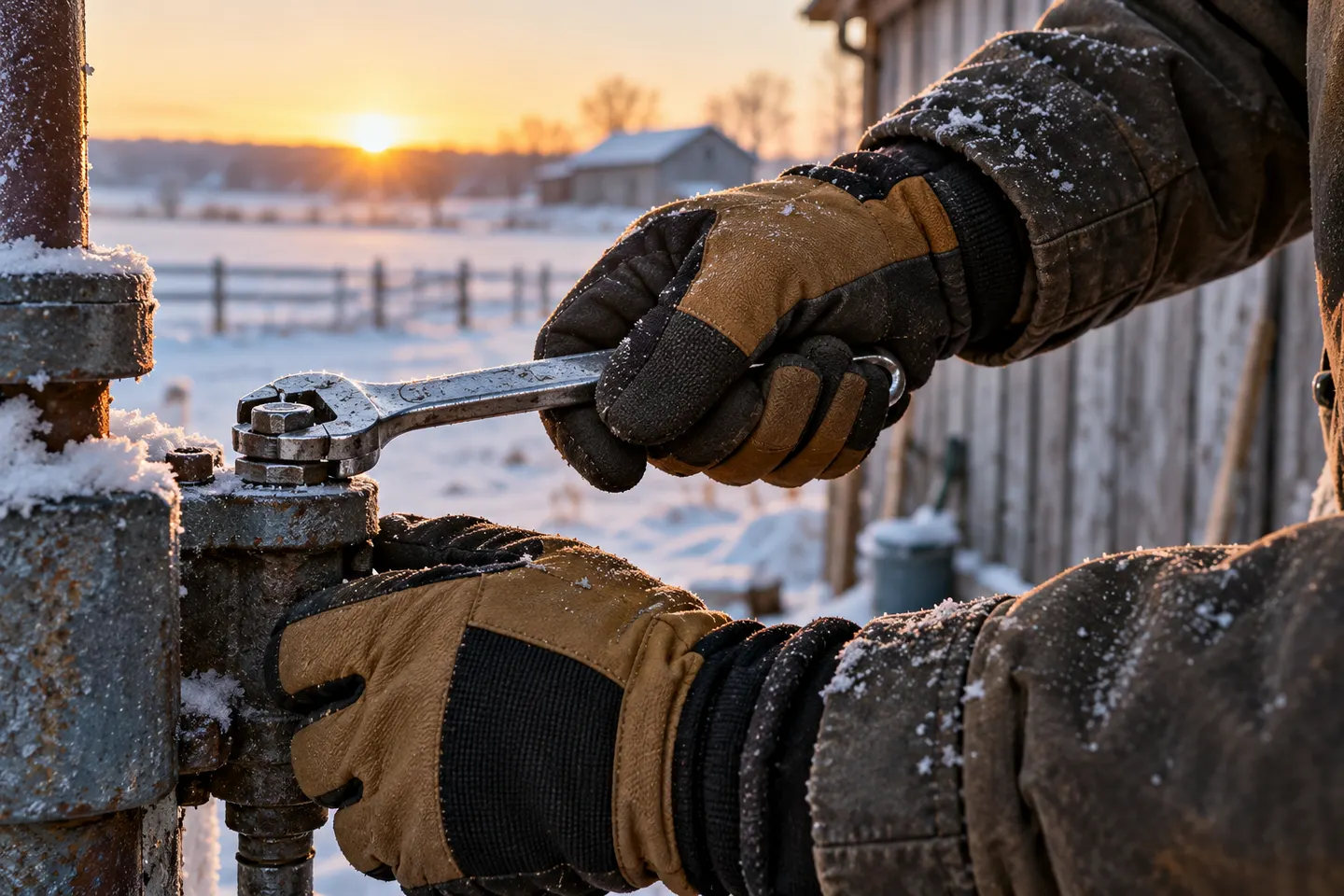 Working men
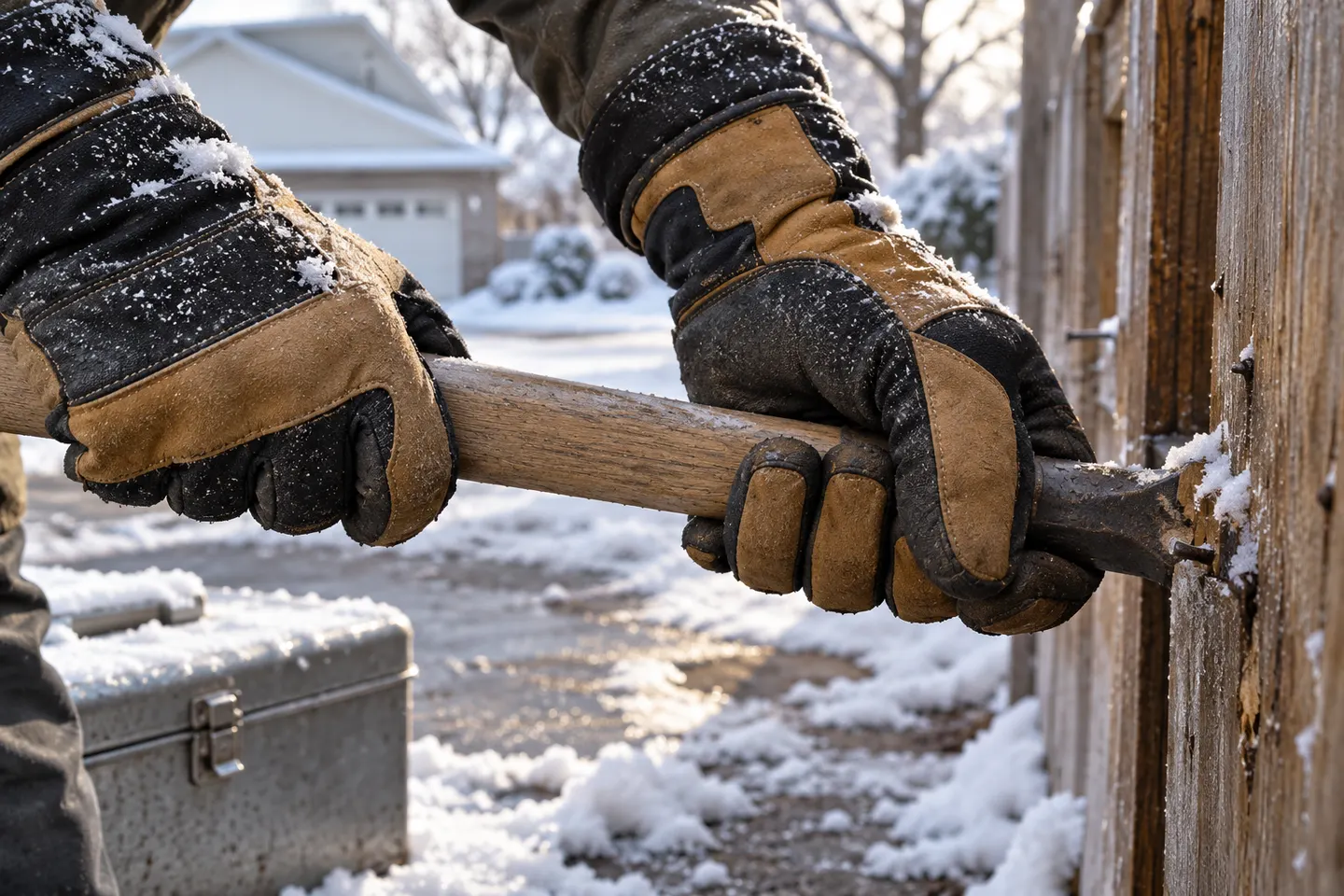 Working
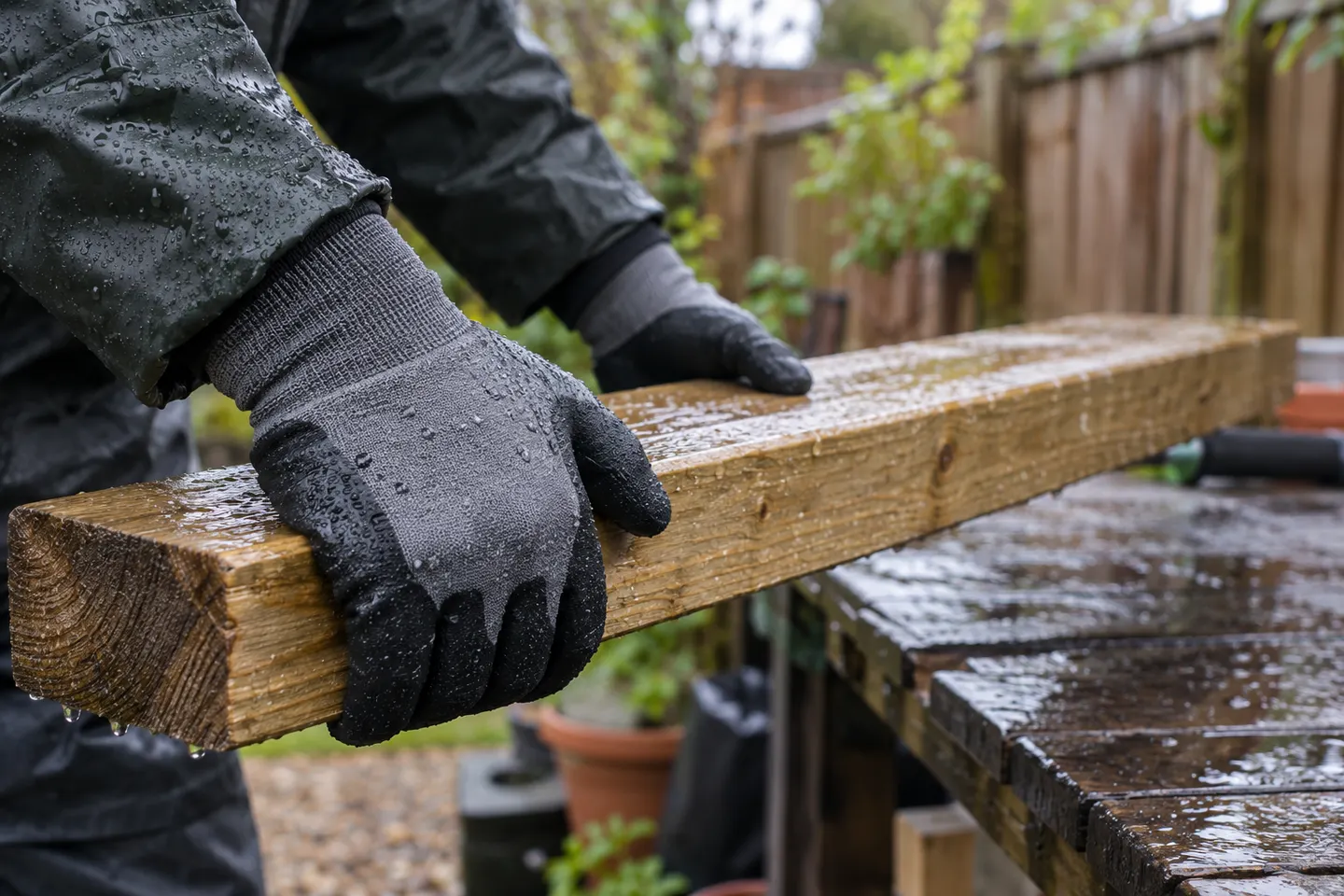 Waterproof work
 Waterproof