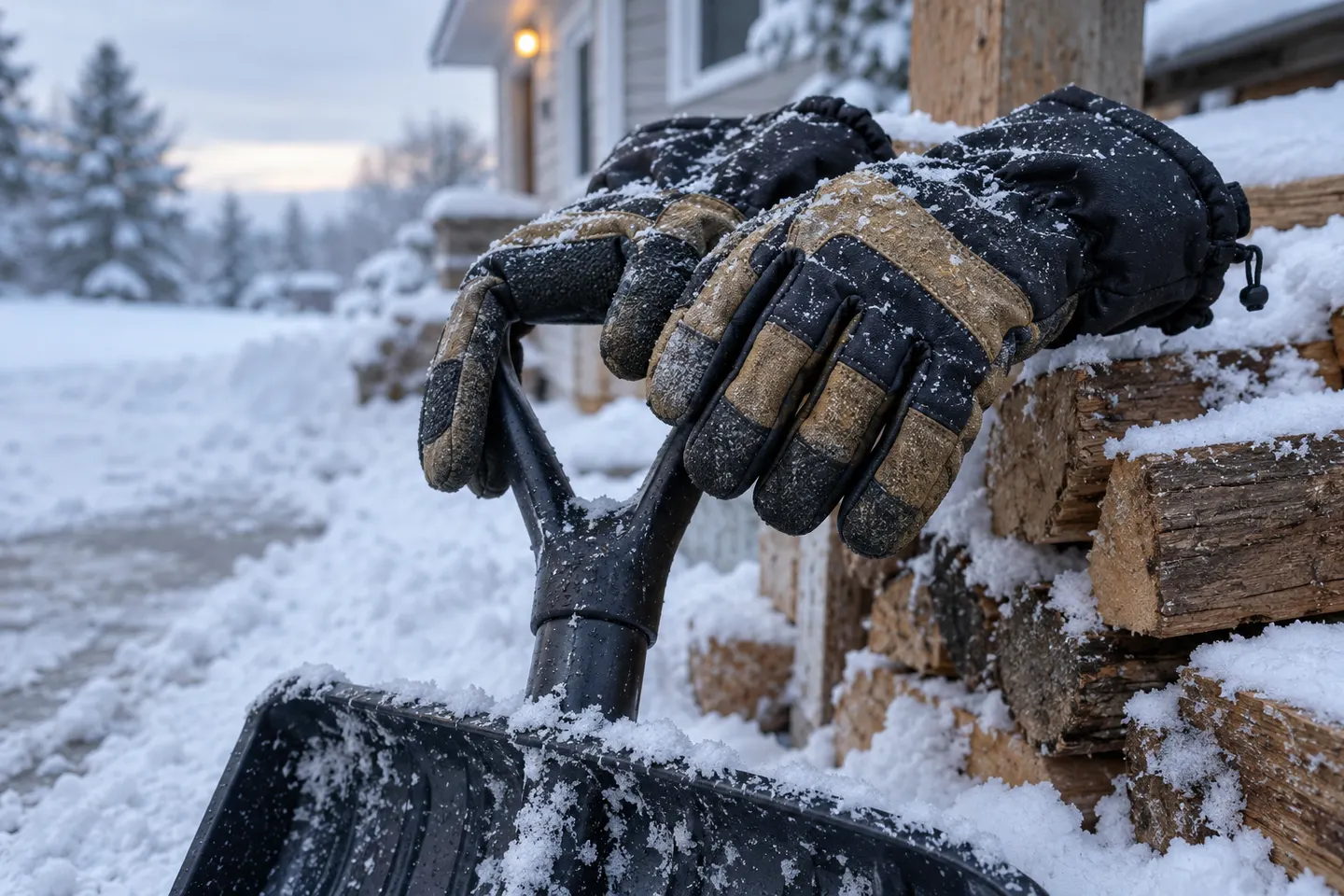
Best Winter Work Gloves for Cold Outdoor Jobs (2026)
Mechanix ColdWork Winter Utility adds insulation across palm and back; Carhartt Storm Defender offers waterproof gauntlet coverage for wet work.

 Best picksThe Best Dash Cam Cameras for Different Drivers
 Best picksBest WiFi Extenders in Canada for Different Home Networks
 Best picksBest Meat Thermometers in Canada for 2026
 Best picksBest Winter Gloves for Canadian Conditions (2026)
 Best picksBest Headlamps: Compare Reliable Options for Canada
 Best picksRadar Detector Best Picks for Canadian Drivers (2026)
 Best picksBest Portable Air Coolers to Consider in 2026
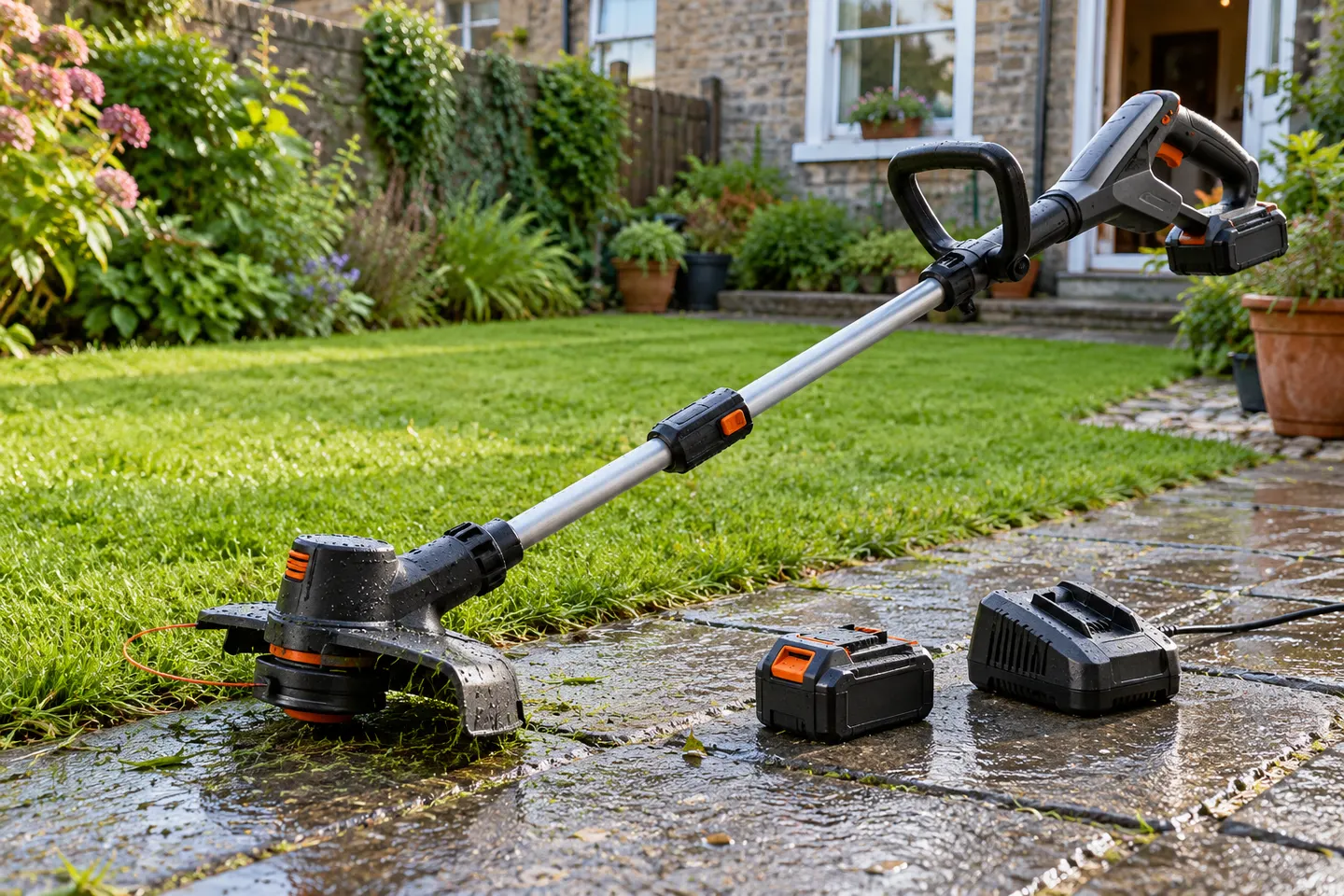 Best picksBest cordless grass trimmers with a battery and charger
 Best picksBest Air Purifier for Bedroom in the Canada: Quiet Models Compared
Start here
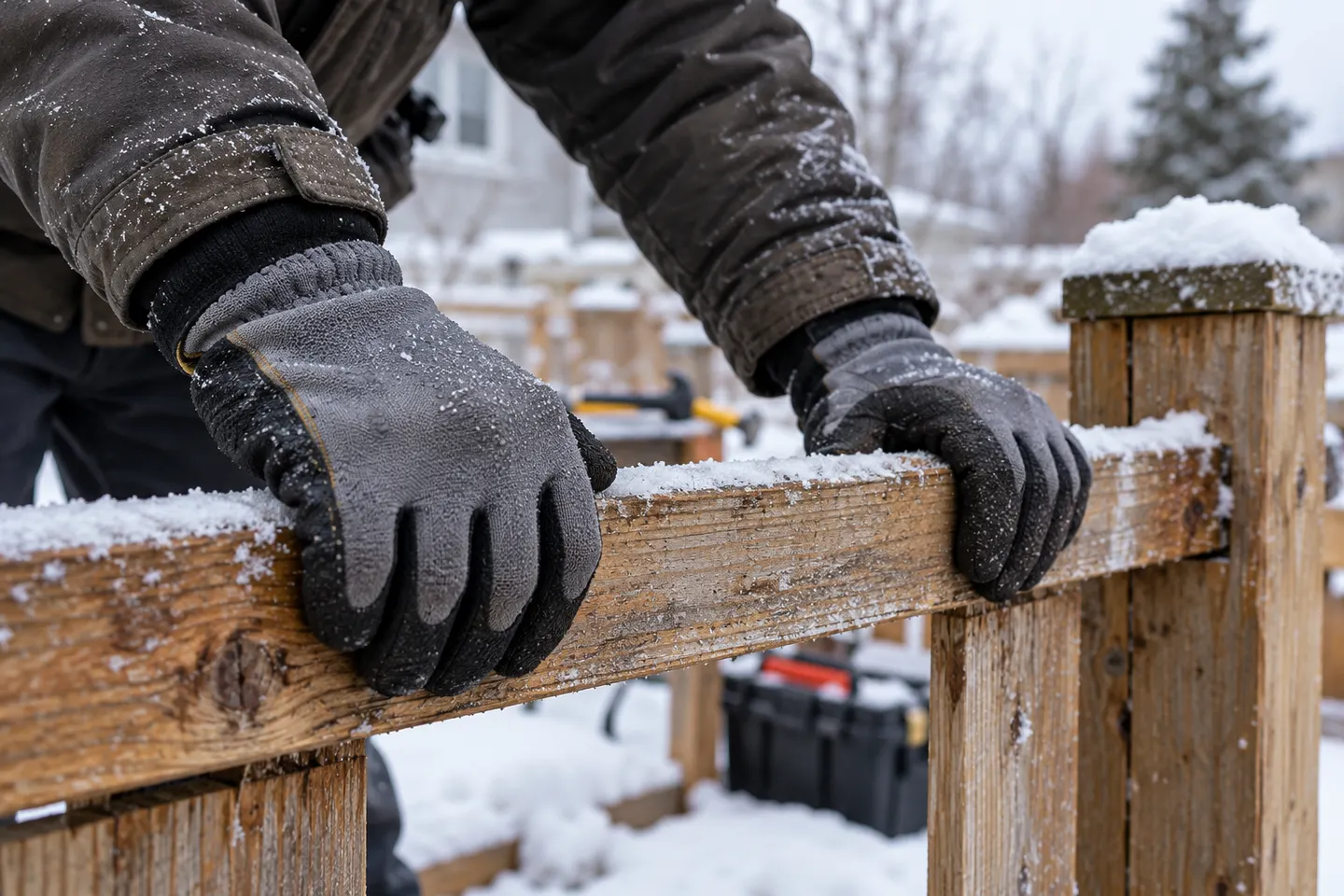
Mechanix ColdWork Winter Utility adds insulation across palm and back; Carhartt Storm Defender offers waterproof gauntlet coverage for wet work.

For cold, wet site work, Carhartt Waterproof Insulated Glove is a practical starting point; Mechanix ColdWork models suit tasks where reinforced grip or impact protection matters.
Our picks
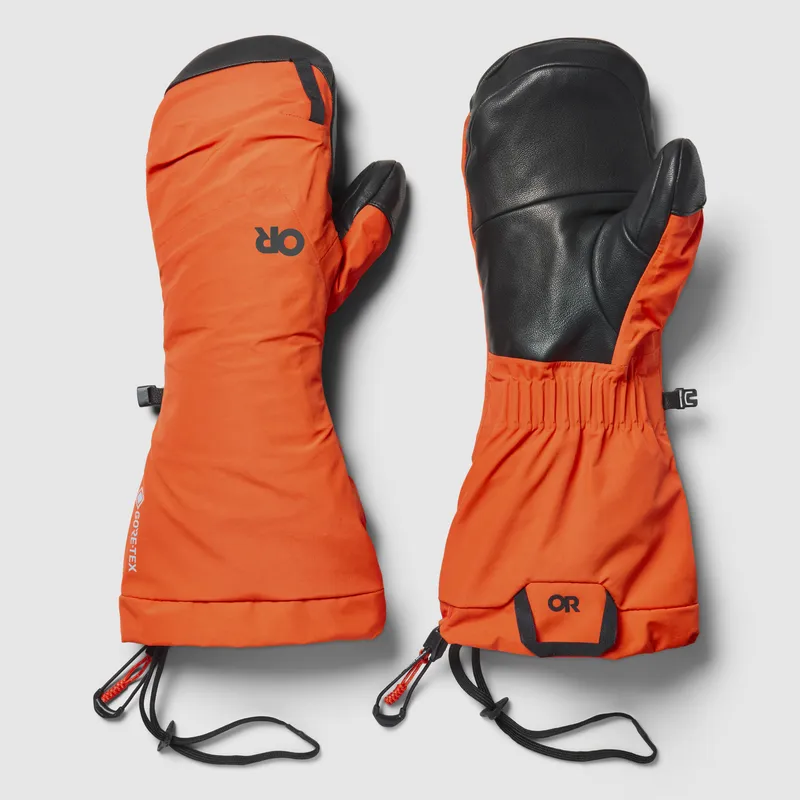 Official manufacturer image
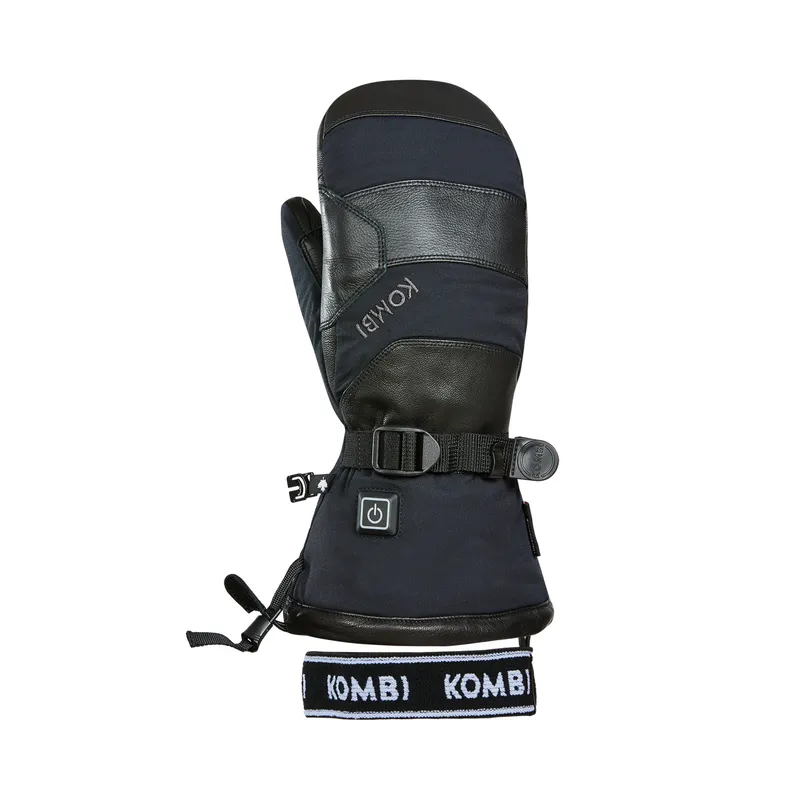 Official manufacturer image
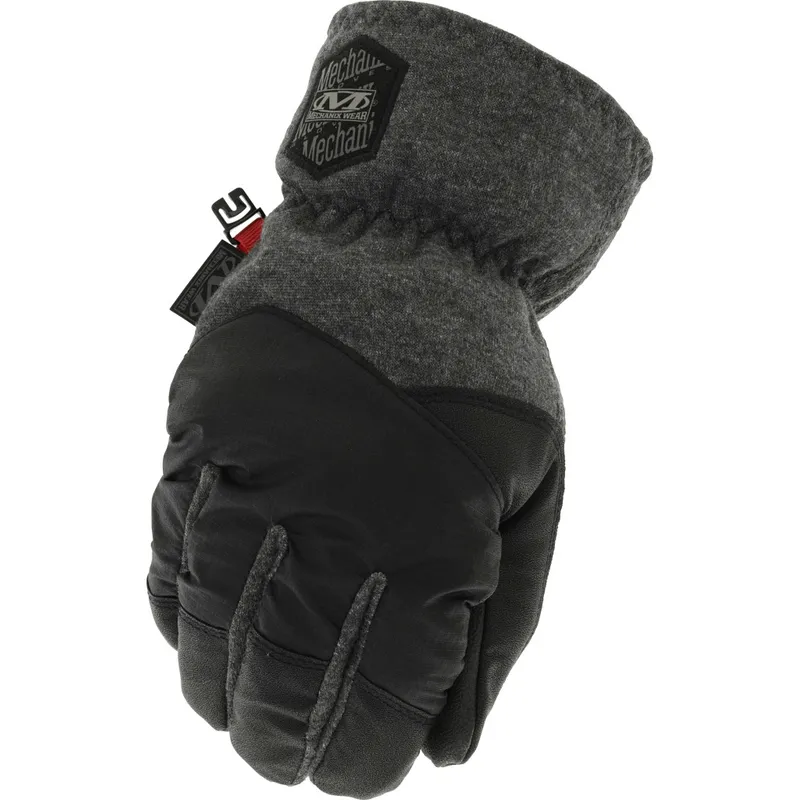 Official manufacturer image
Best picks
Mechanix ColdWork Winter Utility adds insulation across palm and back; Carhartt Storm Defender offers waterproof gauntlet coverage for wet work.
For cold, wet site work, Carhartt Waterproof Insulated Glove is a practical starting point; Mechanix ColdWork models suit tasks where reinforced grip or impact protection matters.
Common questions
Watson lists models such as the 95782 Storm Trooper and 9545TPR Scape Goat as winter work gloves. Their materials and protection differ, so choose by job hazards and fit.
Some models describe water-resistant leather or a water barrier; that wording does not mean every glove is waterproof. Check the exact product specification.
Bulk and glove pattern affect dexterity. Compare the task-specific fit and protection, and follow workplace requirements for the hazard.
It identifies an insulating layer, but does not set a universal temperature rating. Use manufacturer guidance and consider exposure, activity and moisture.
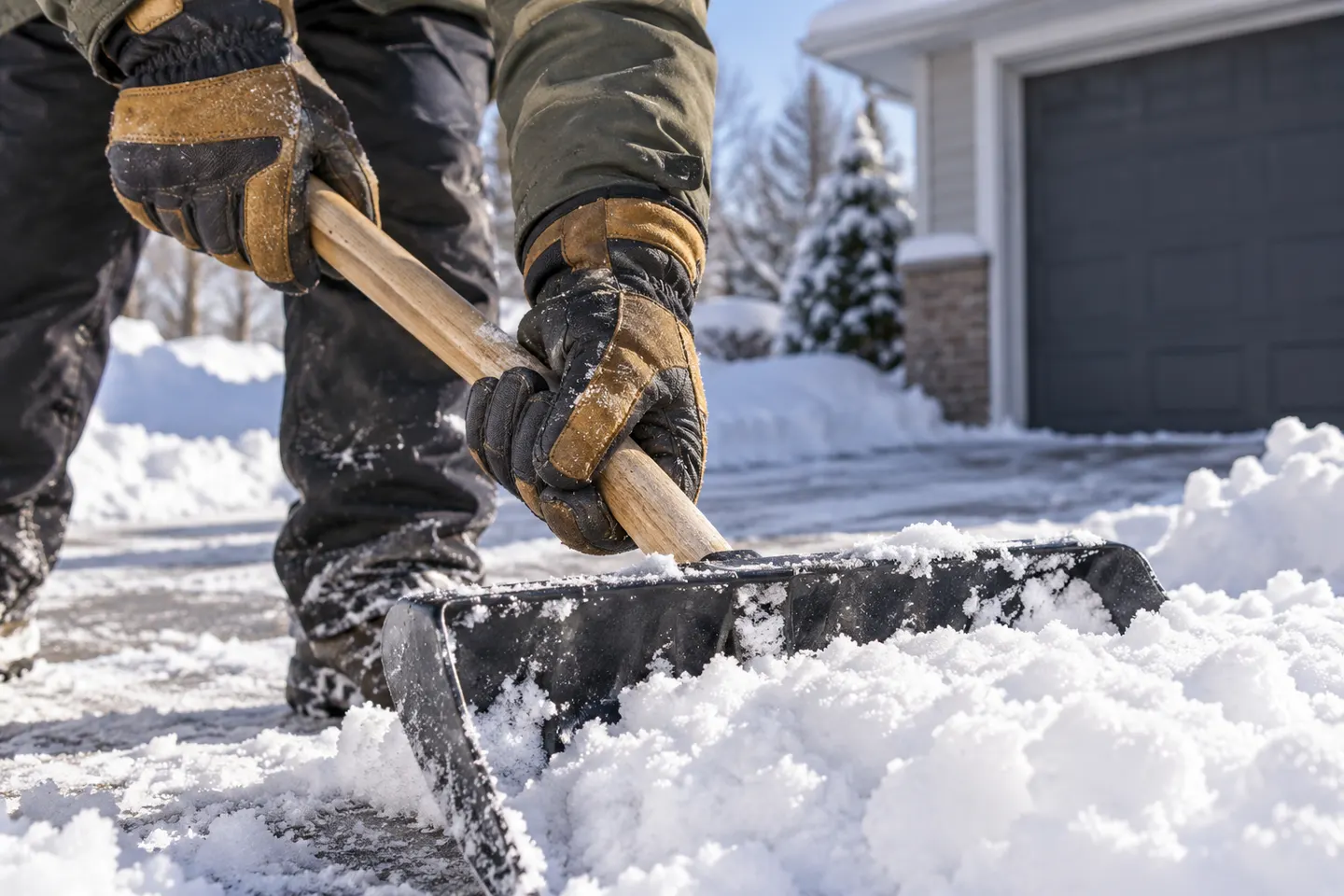 Men work
 Work
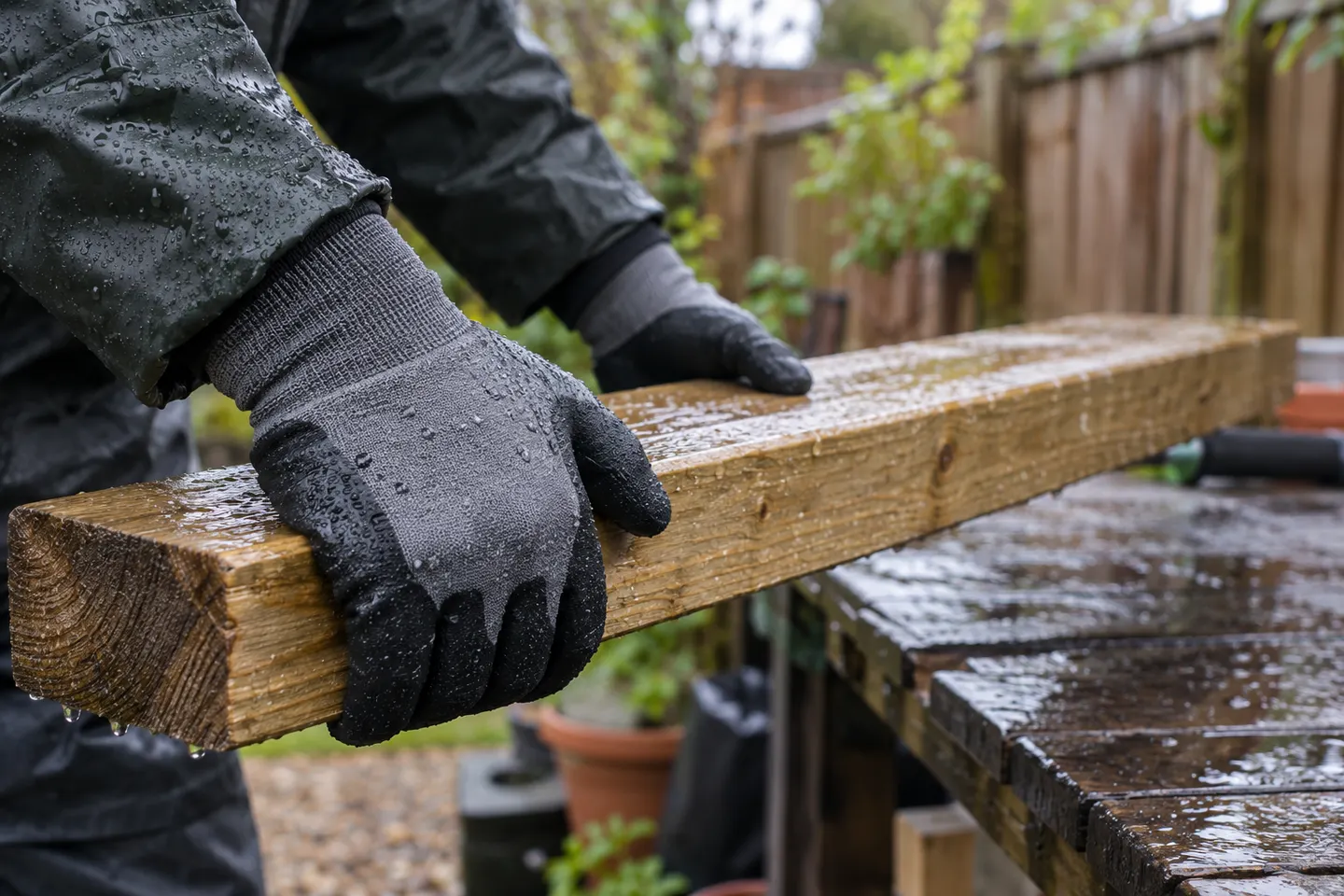 Waterproof work
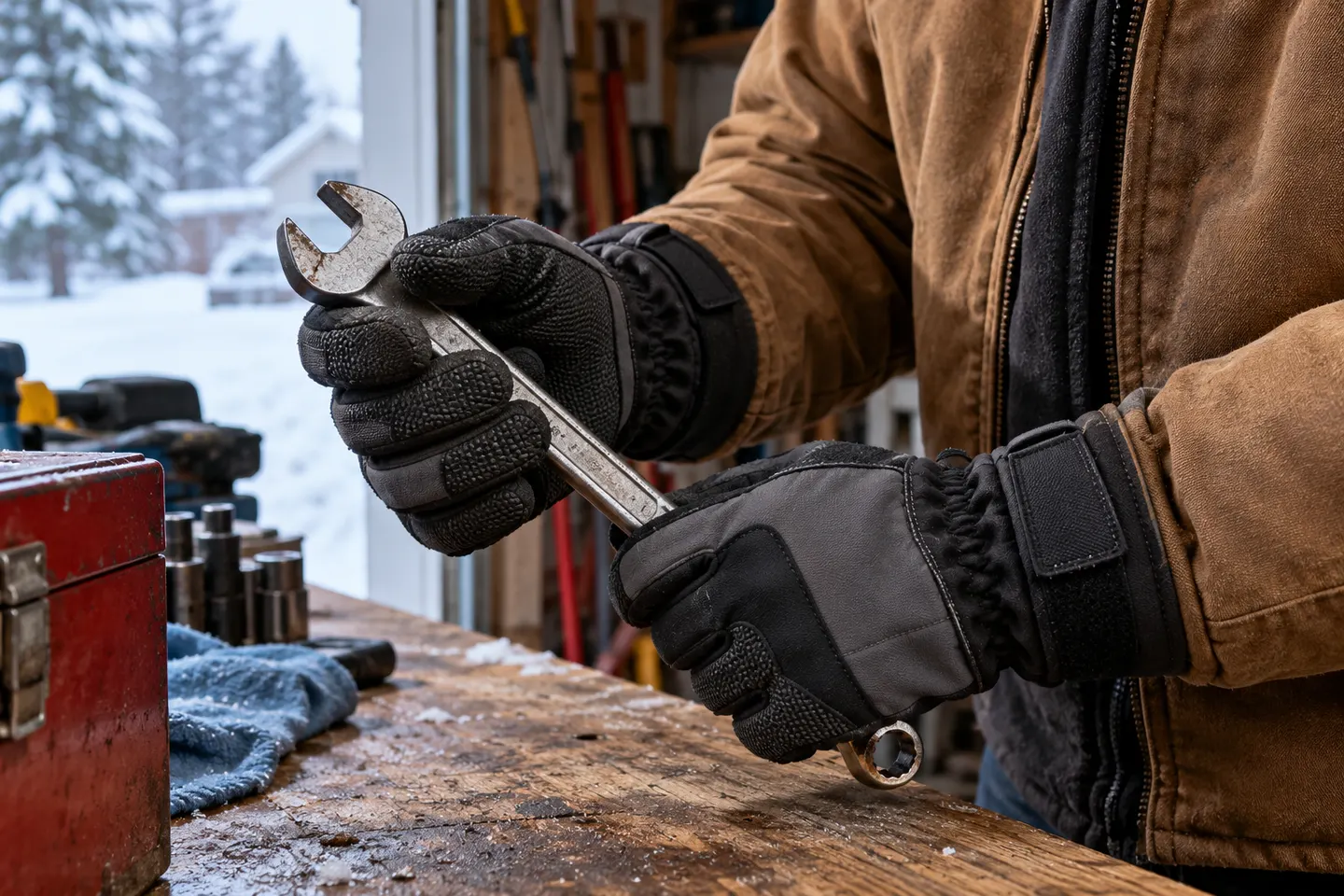 Insulated work
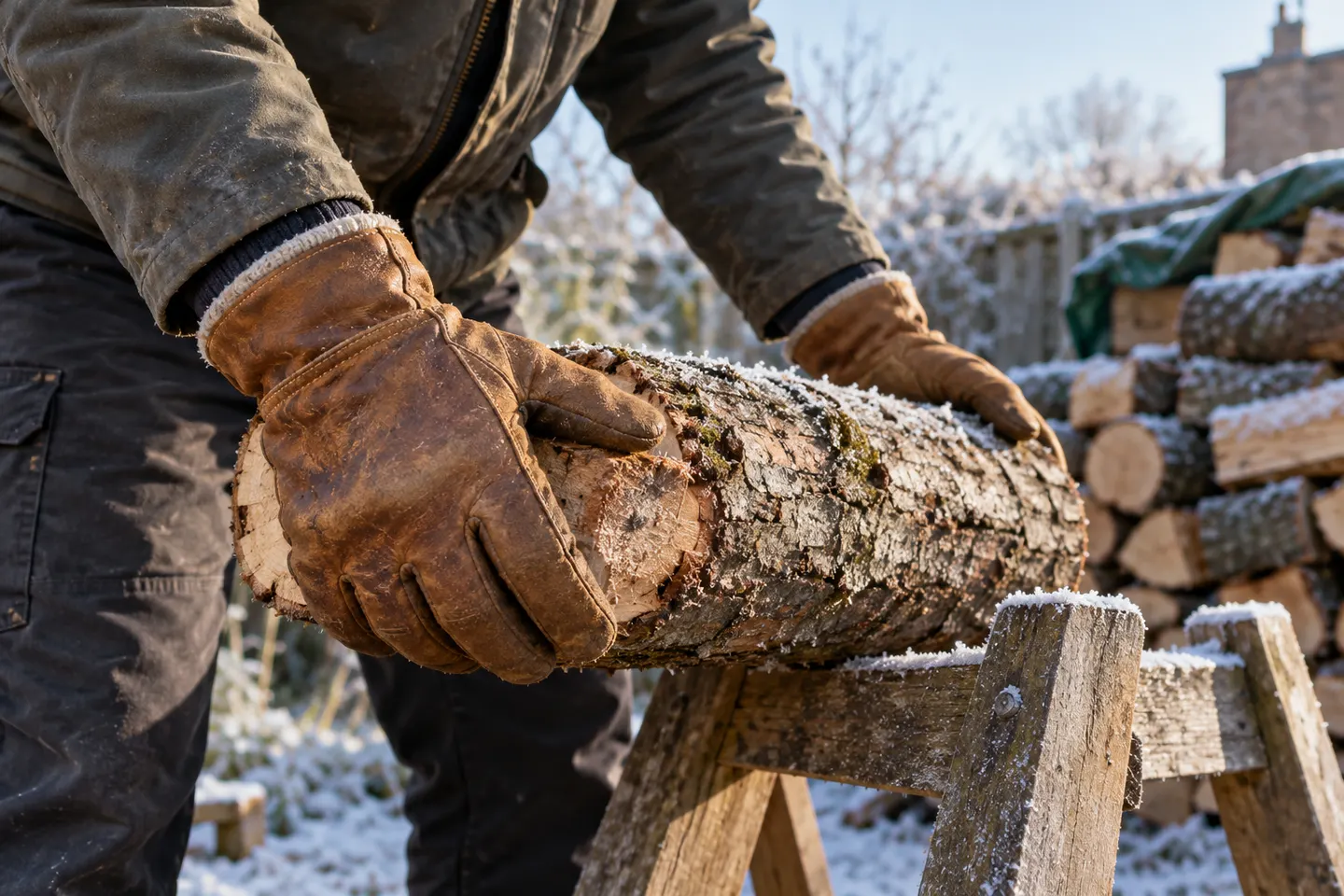 Leather work
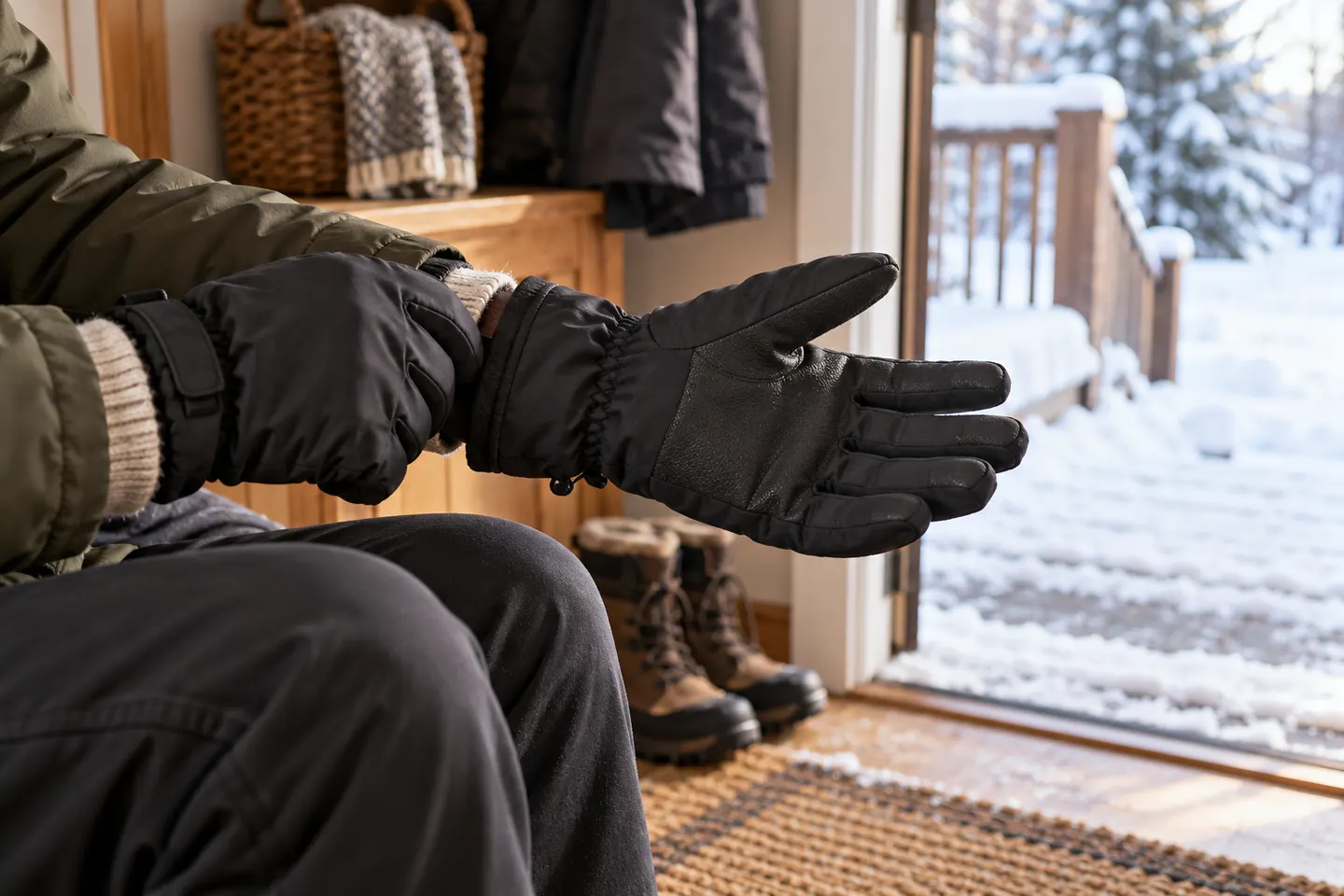 Watson Winter Gloves