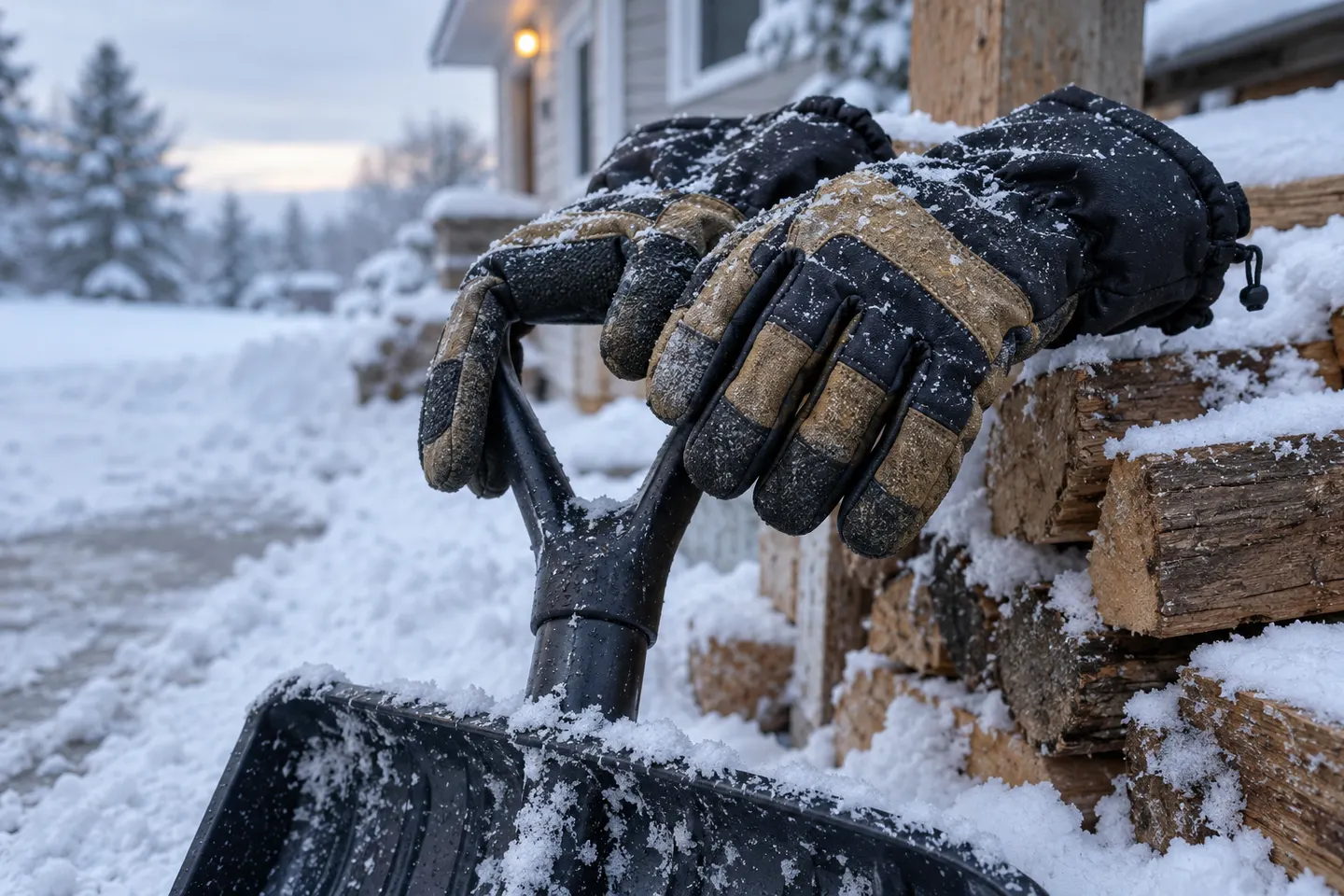
Best Winter Work Gloves for Cold Outdoor Jobs (2026)
Mechanix ColdWork Winter Utility adds insulation across palm and back; Carhartt Storm Defender offers waterproof gauntlet coverage for wet work.

 Best picksThe Best Dash Cam Cameras for Different Drivers
 Best picksBest WiFi Extenders in Canada for Different Home Networks
 Best picksBest Meat Thermometers in Canada for 2026
 Best picksBest Winter Gloves for Canadian Conditions (2026)
 Best picksBest Headlamps: Compare Reliable Options for Canada
 Best picksRadar Detector Best Picks for Canadian Drivers (2026)
 Best picksBest Portable Air Coolers to Consider in 2026
 Best picksBest cordless grass trimmers with a battery and charger
 Best picksBest Air Purifier for Bedroom in the Canada: Quiet Models Compared
Start here
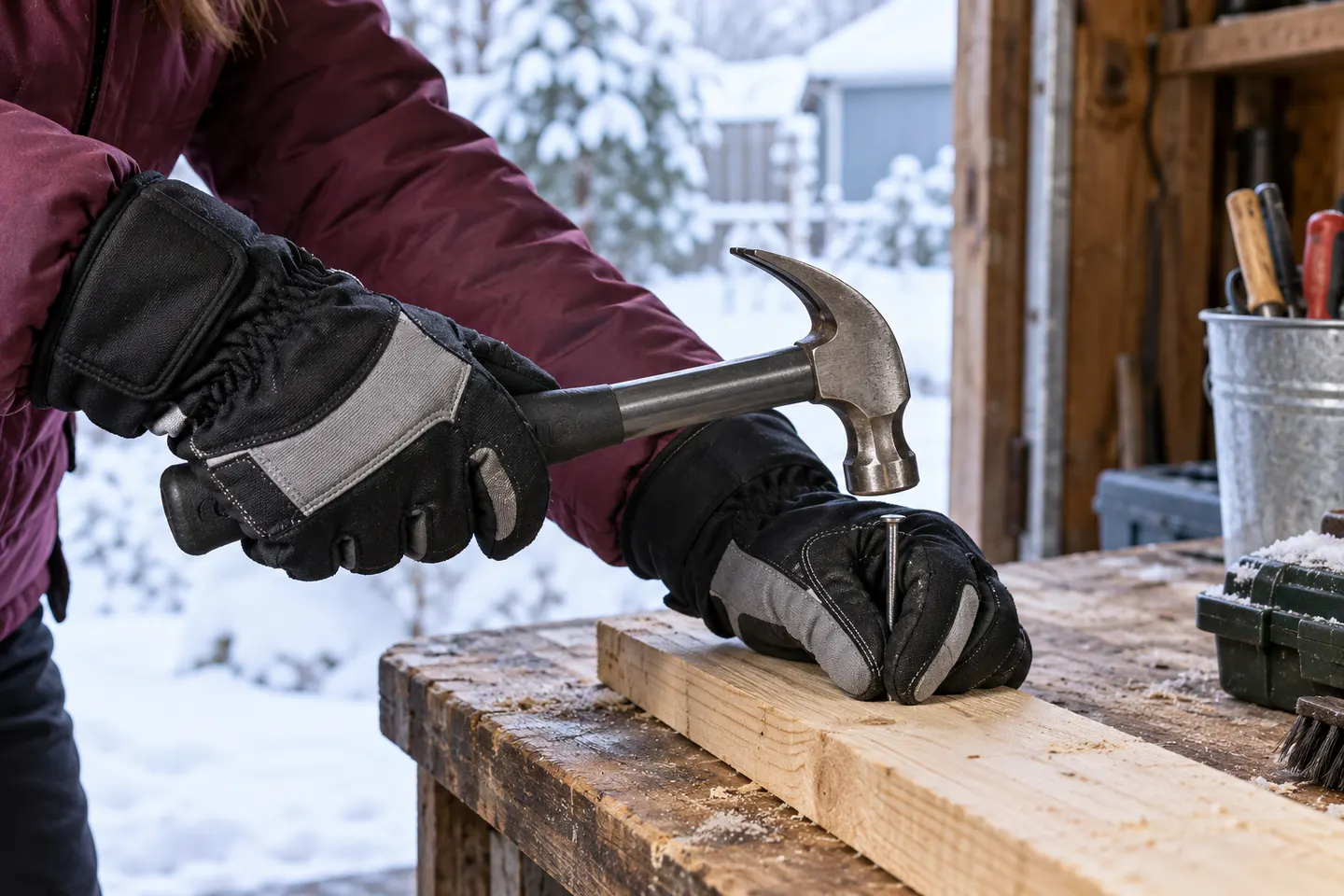
Mechanix ColdWork Winter Utility adds insulation across palm and back; Carhartt Storm Defender offers waterproof gauntlet coverage for wet work.
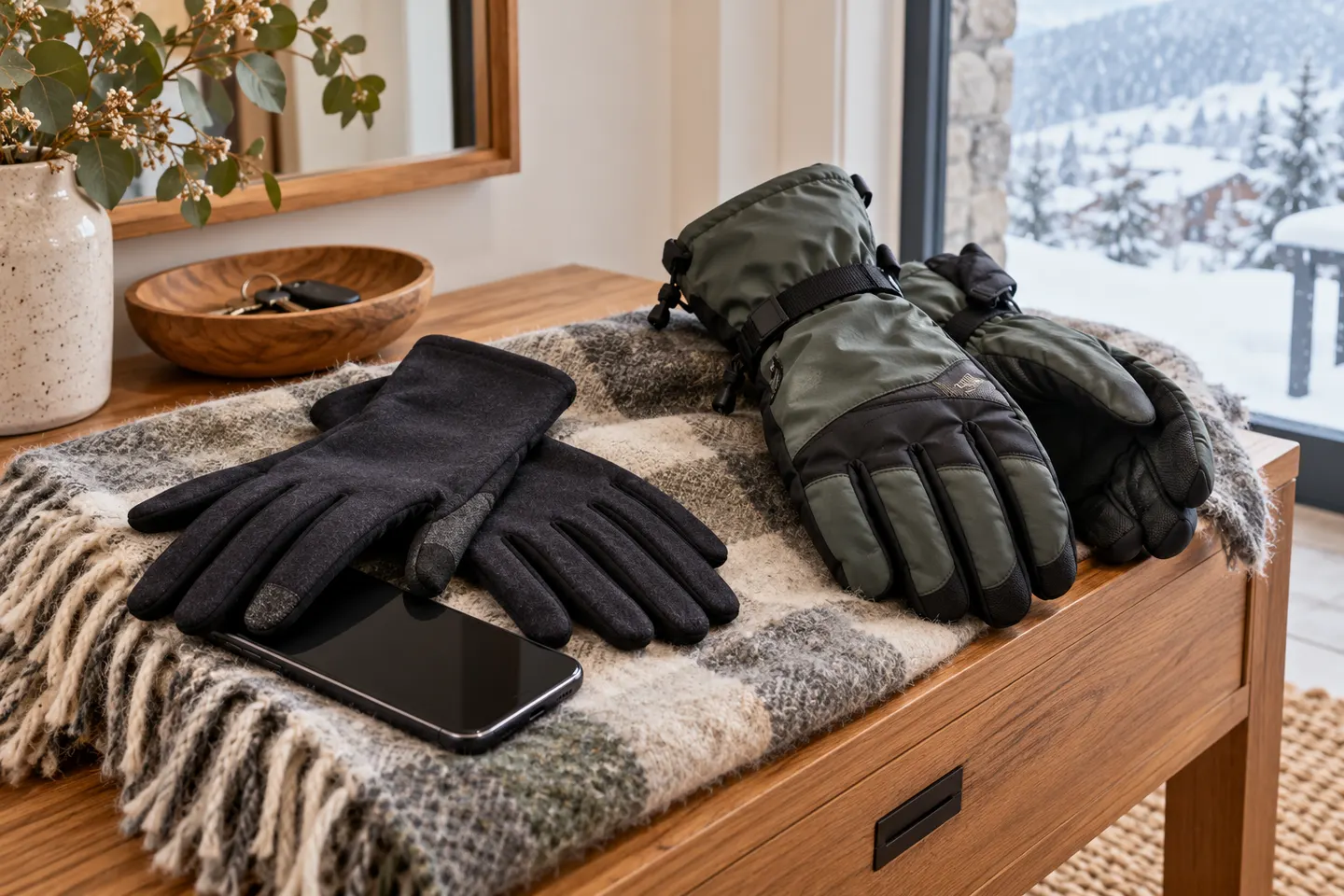
For active cold-weather use, start with a glove matched to the forecast and movement. Consider Nike Therma-FIT for running, KOMBI Original WATERGUARD for insulated winter wear, or a liner for layering.
Our picks
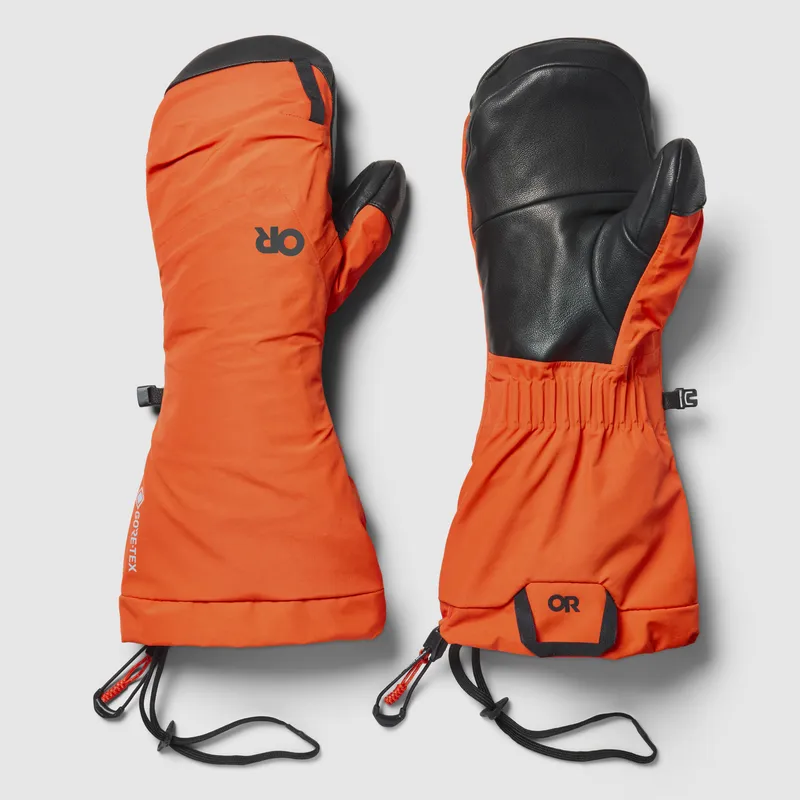 Official manufacturer image
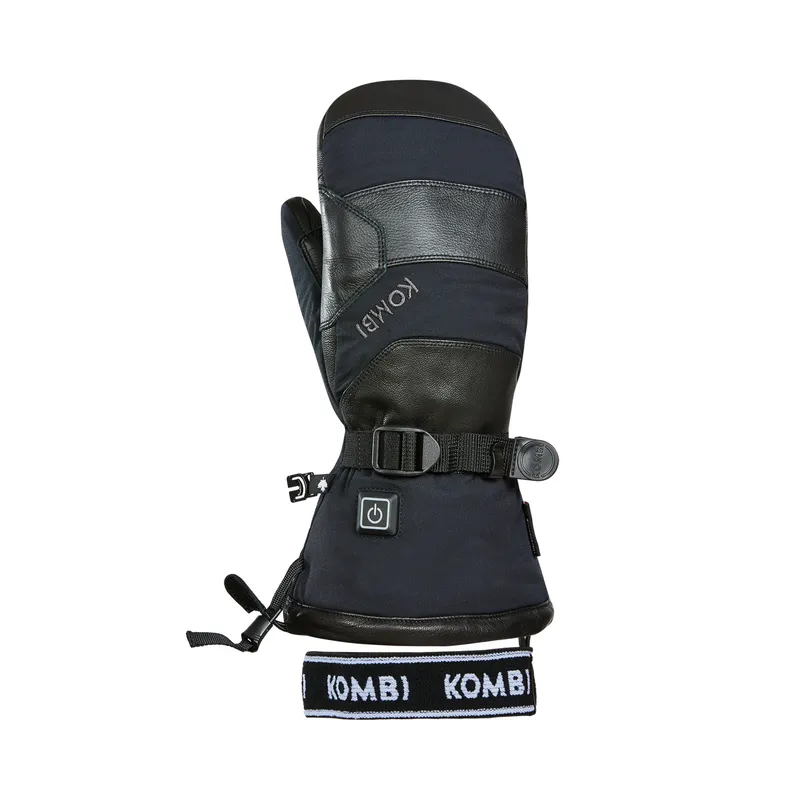 Official manufacturer image
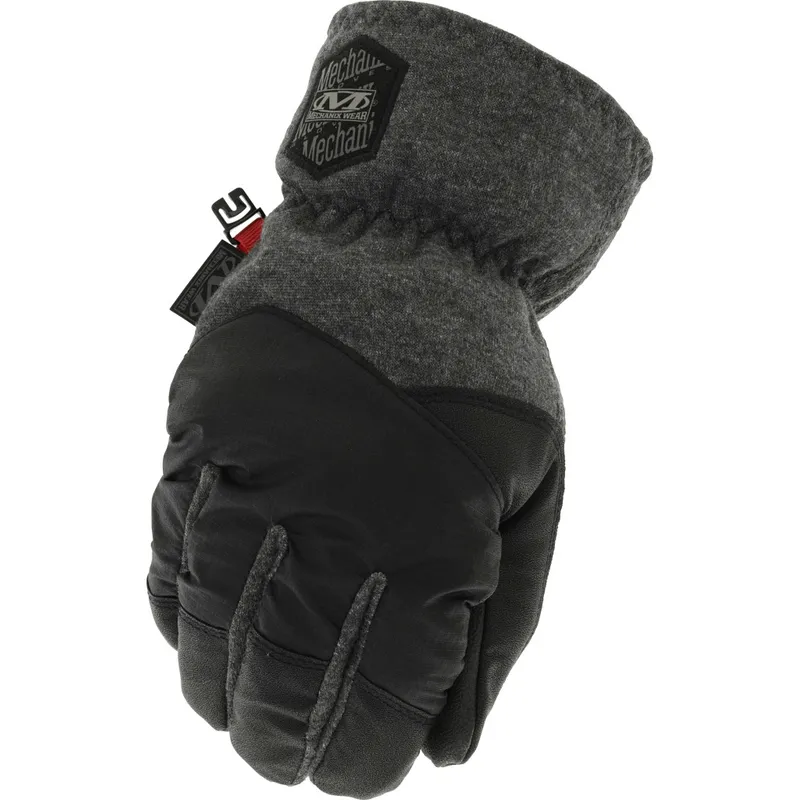 Official manufacturer image
Best picks
Mechanix ColdWork Winter Utility adds insulation across palm and back; Carhartt Storm Defender offers waterproof gauntlet coverage for wet work.
For active cold-weather use, start with a glove matched to the forecast and movement. Consider Nike Therma-FIT for running, KOMBI Original WATERGUARD for insulated winter wear, or a liner for layering.
Common questions
Start with job hazards and tasks, then check protection claims, fit, grip and insulation. A warm glove is not automatically suitable for safety-critical work.
No. Insulation addresses warmth but may not protect against cuts, chemicals, impact or other hazards. Choose a glove rated for the task.
A secure fit helps maintain control, but the glove must not restrict movement or circulation. Check sizing and liner requirements.
Replace gloves when damage, worn grip, failed seams or contamination reduces protection. Follow the maker’s inspection and care guidance.
 Women
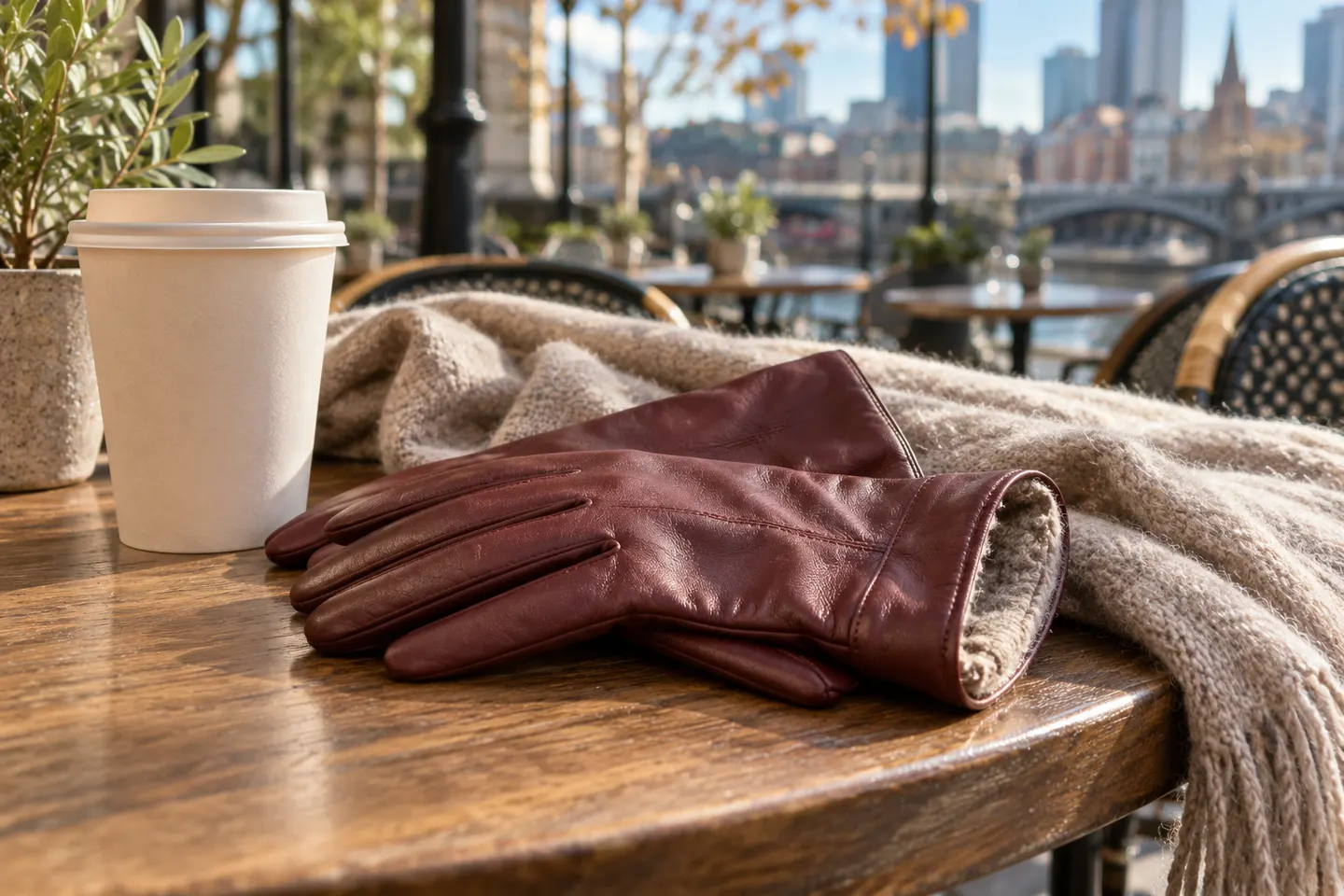 Leather women
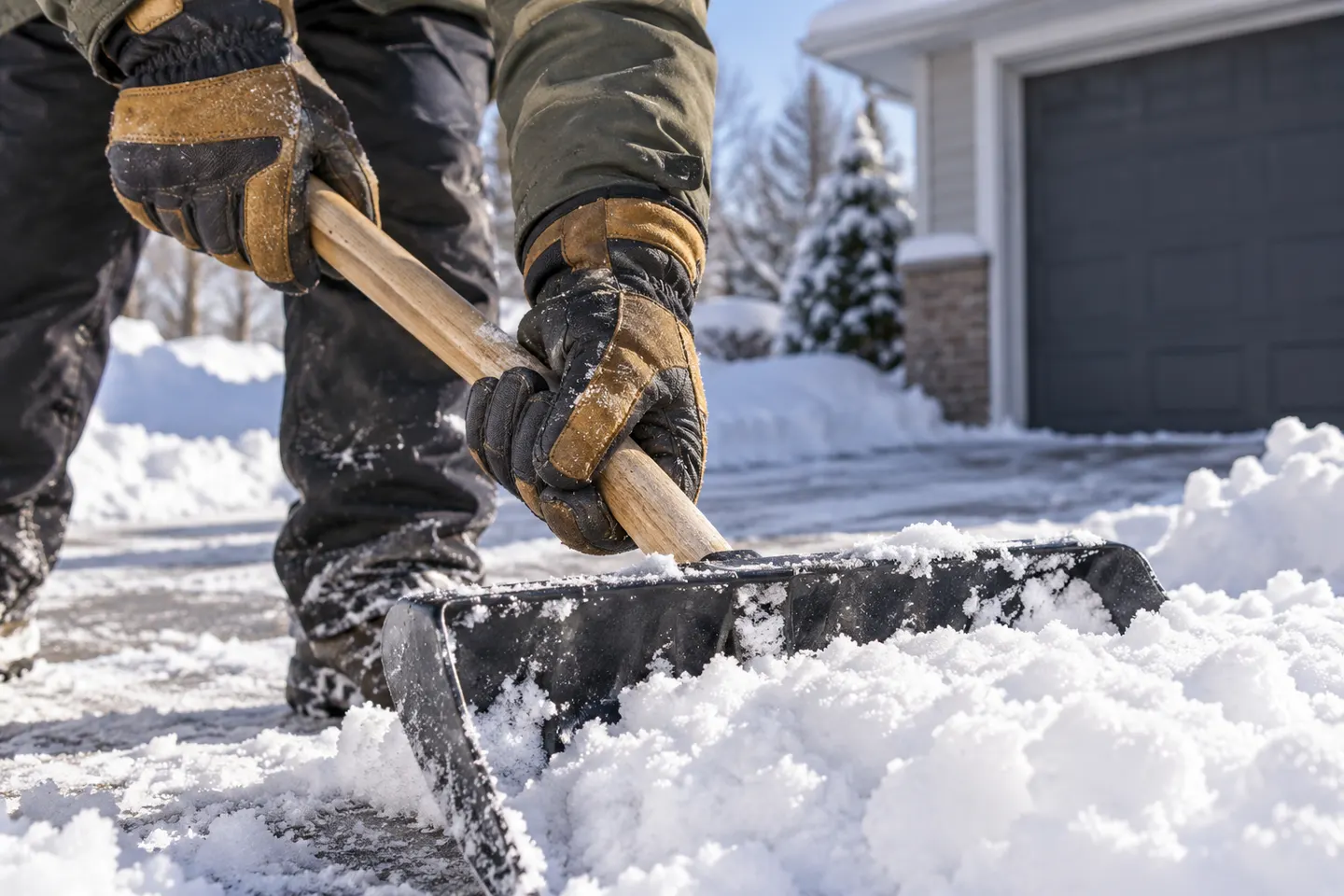 Men work
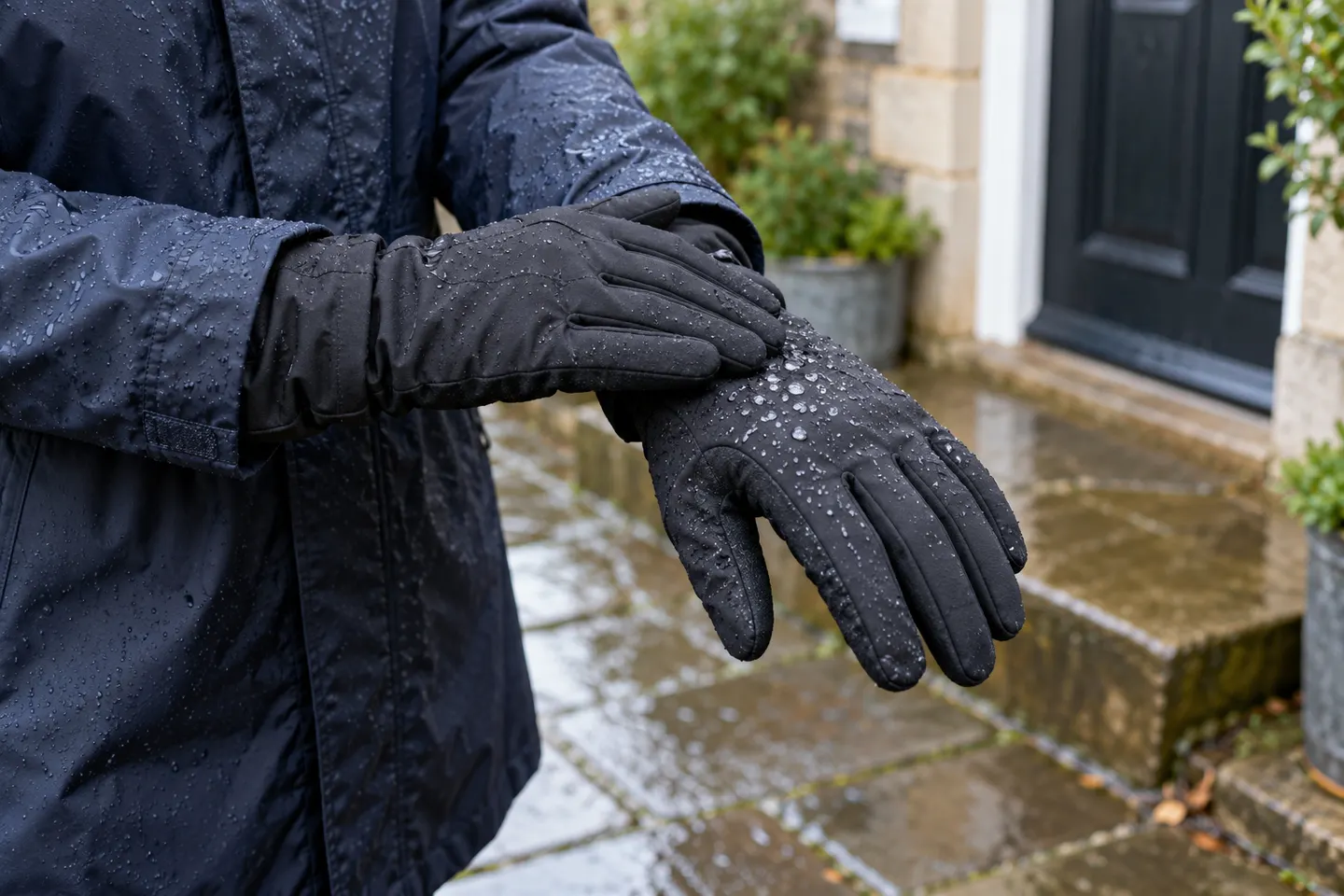 Women waterproof
 Work
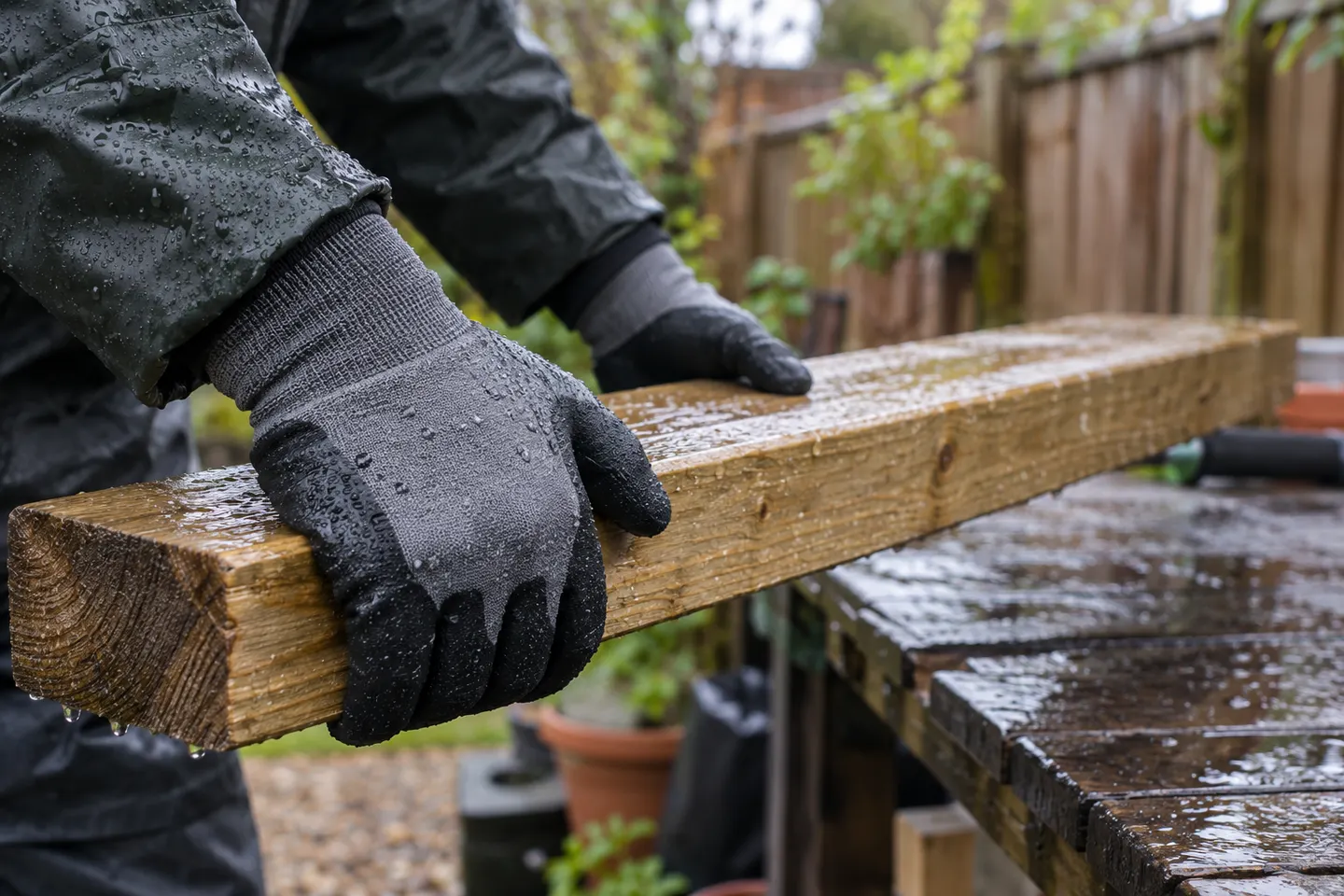 Waterproof work