




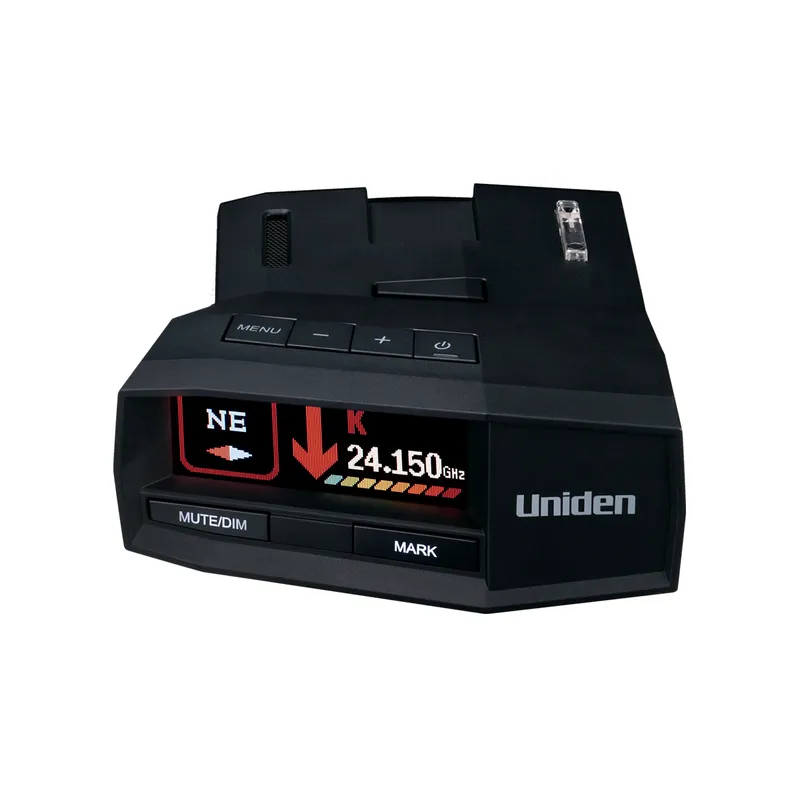
 Official manufacturer image

Our picks
Top picks
Official manufacturer image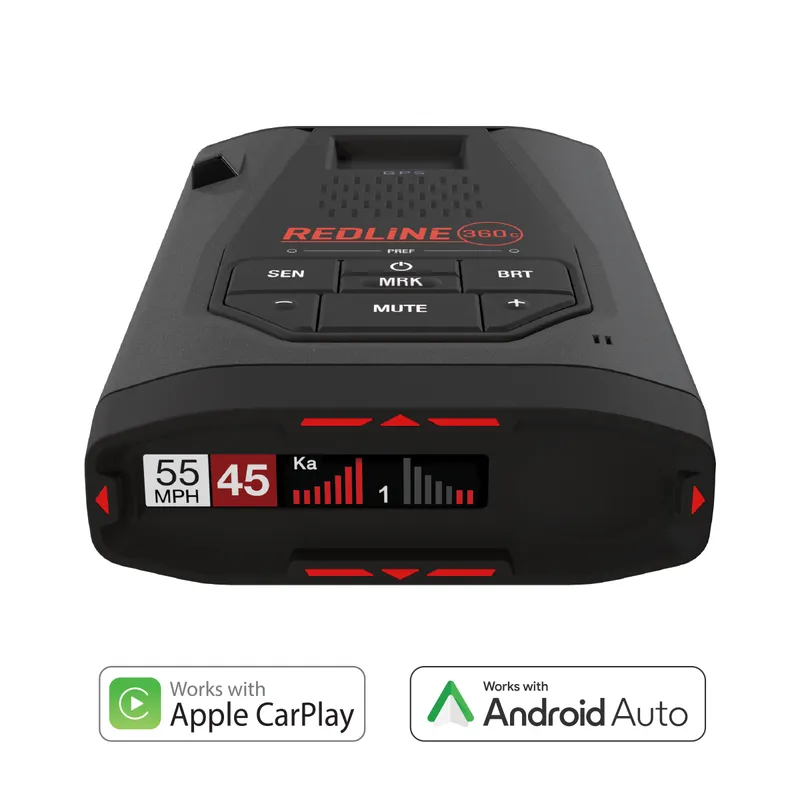 Official manufacturer image
Escort Redline 360c
Check price on Amazon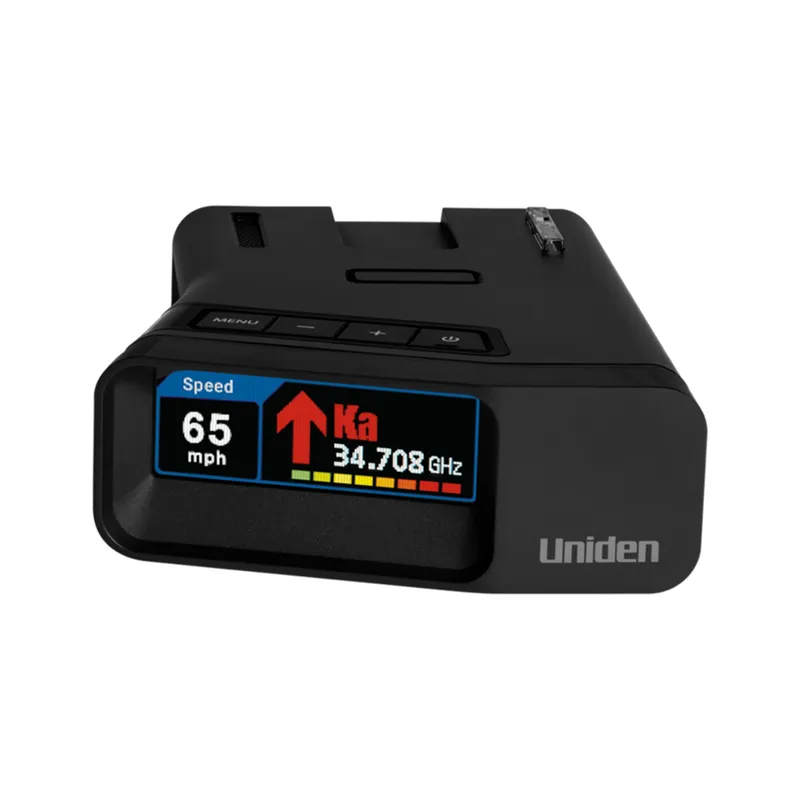 Official manufacturer image
Uniden R7
Check price on AmazonRules and how they work
 Legal
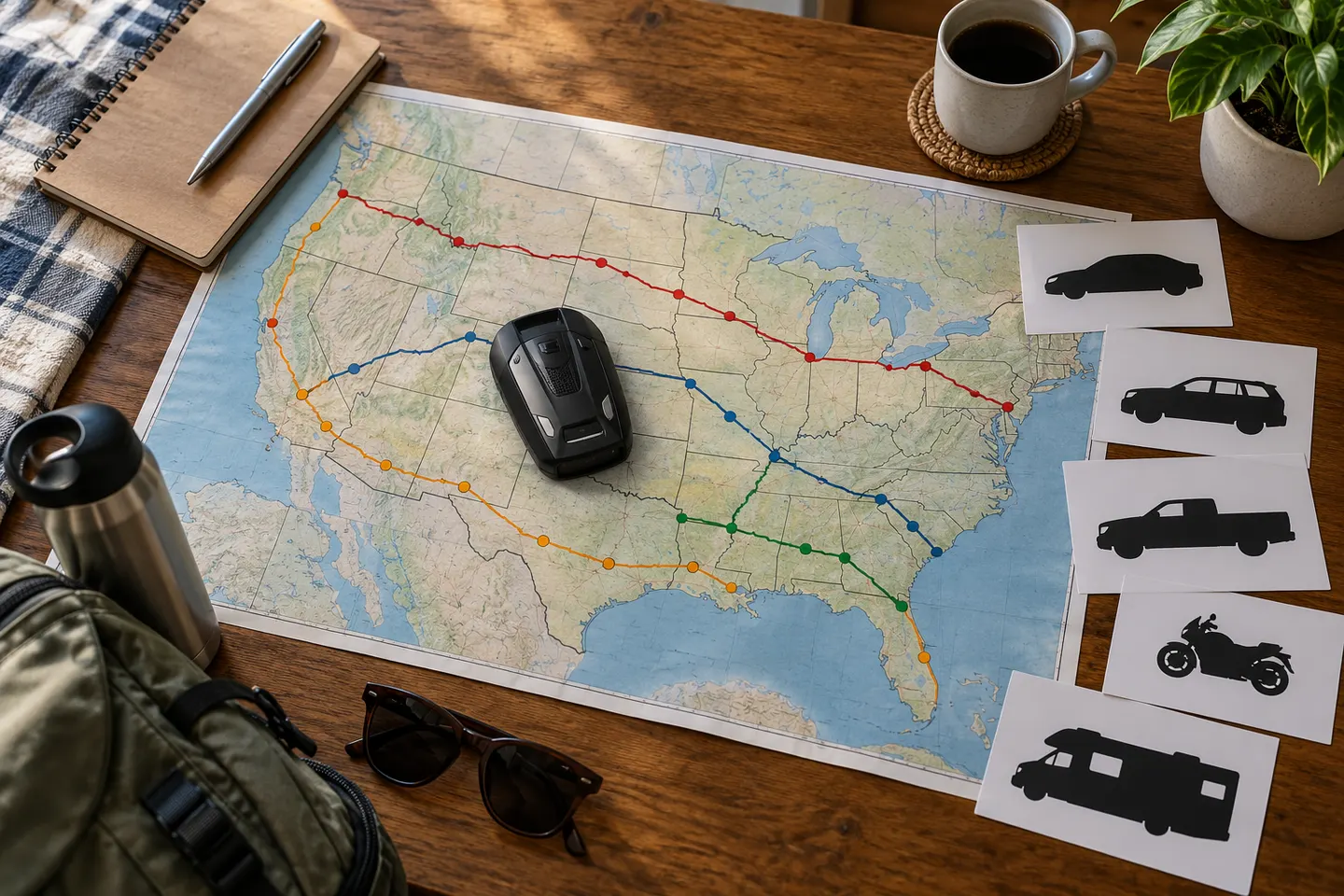 Legal states
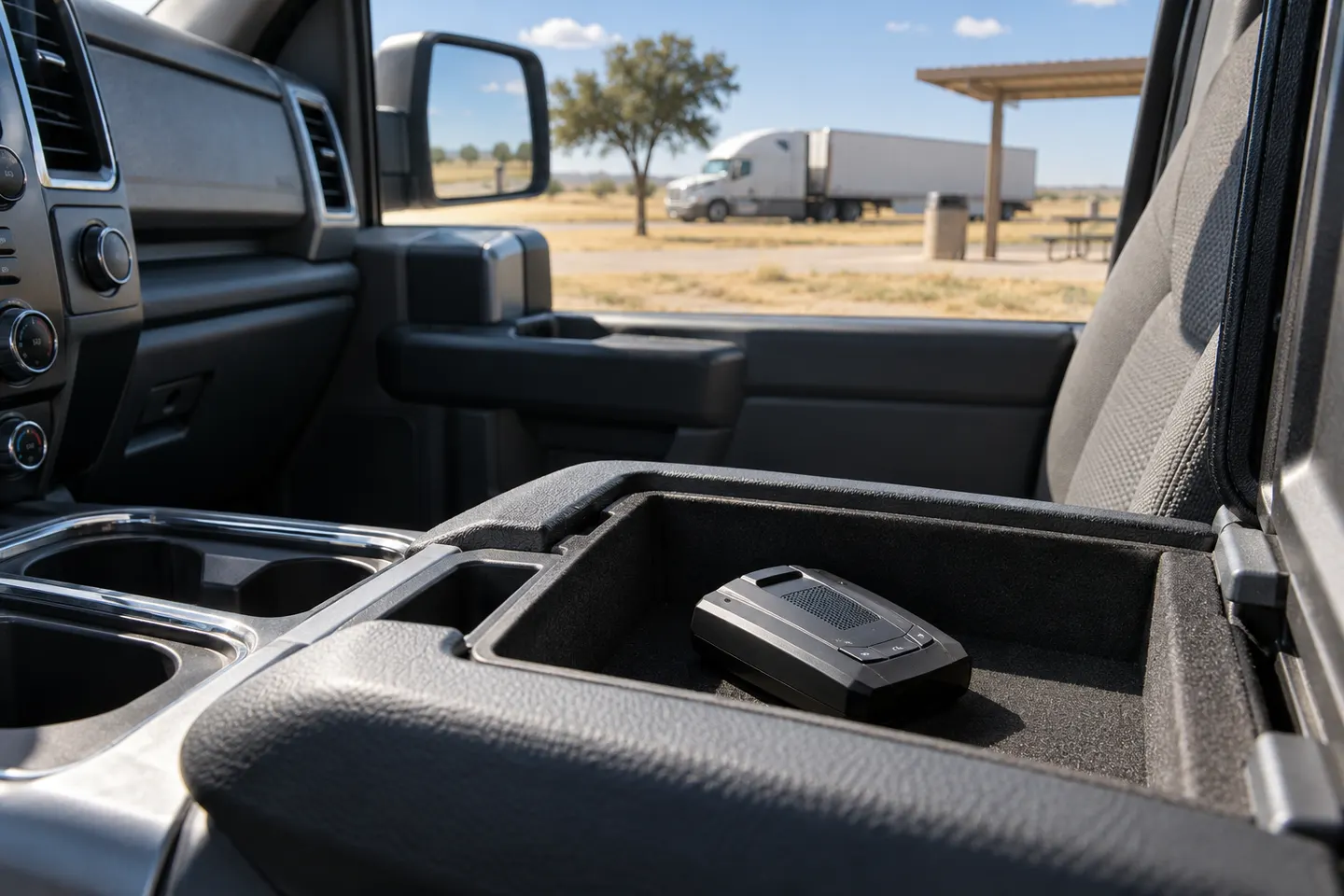 Texas laws
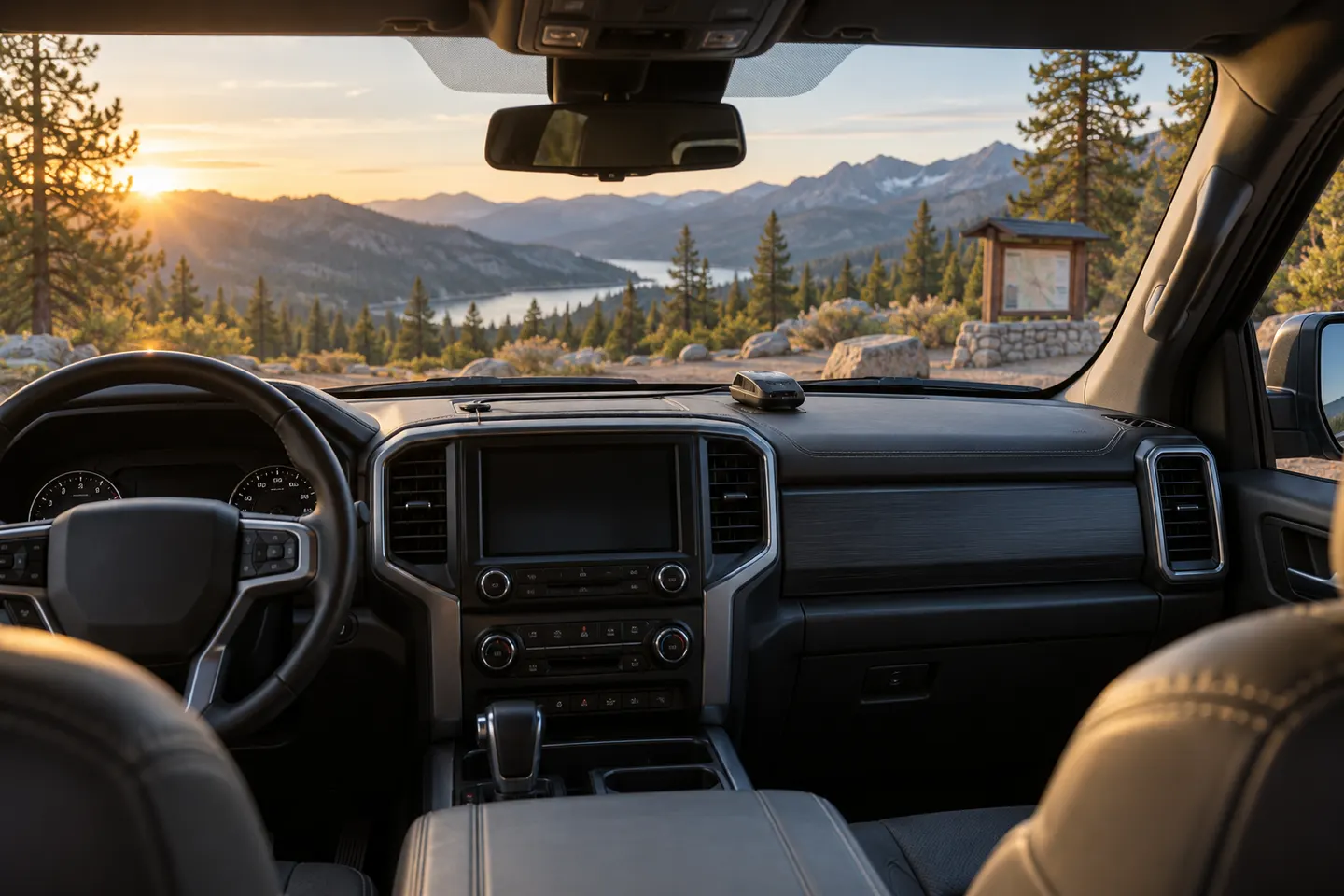 California legal
How-to guides
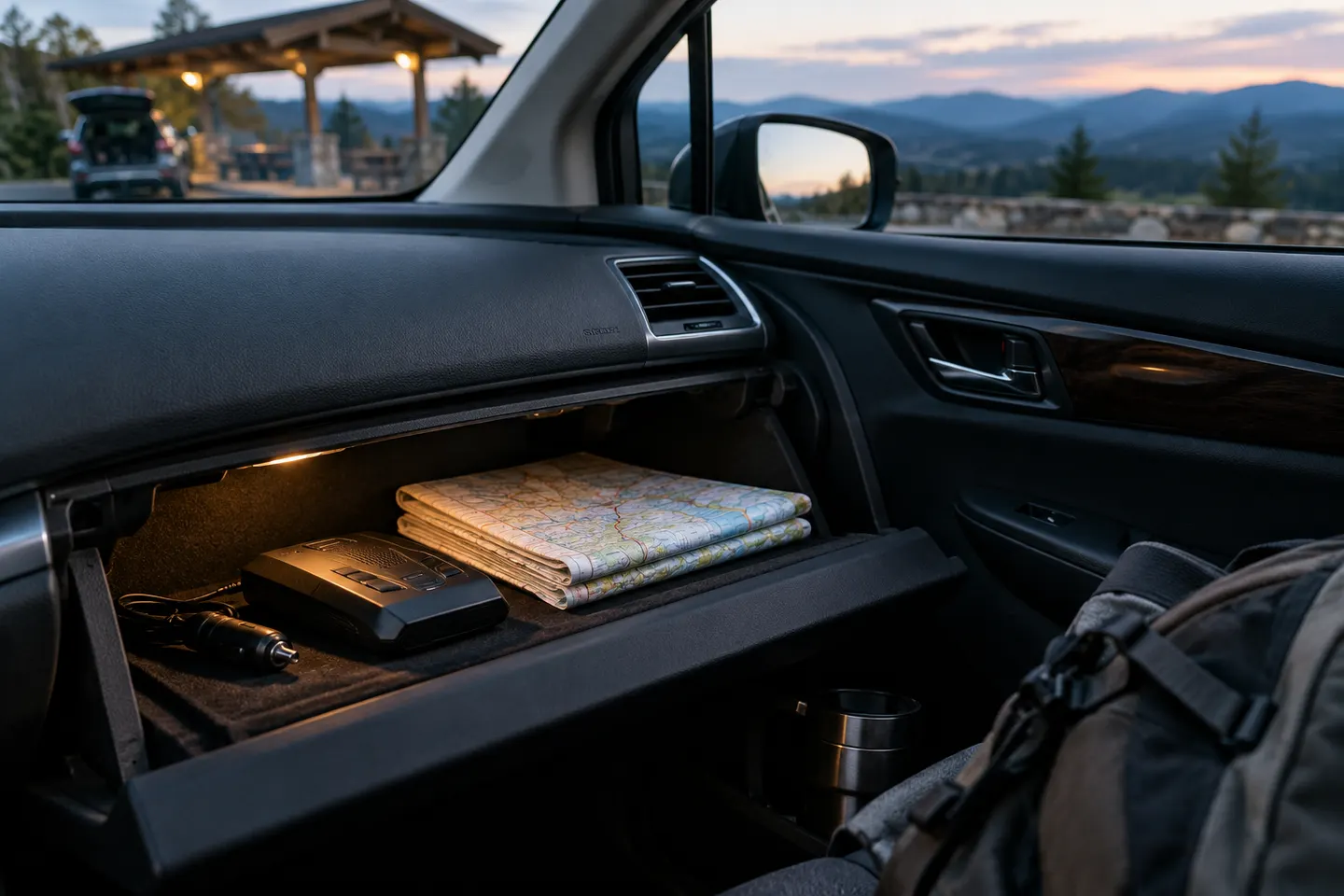 Is a Radar Detector Legal in the US?
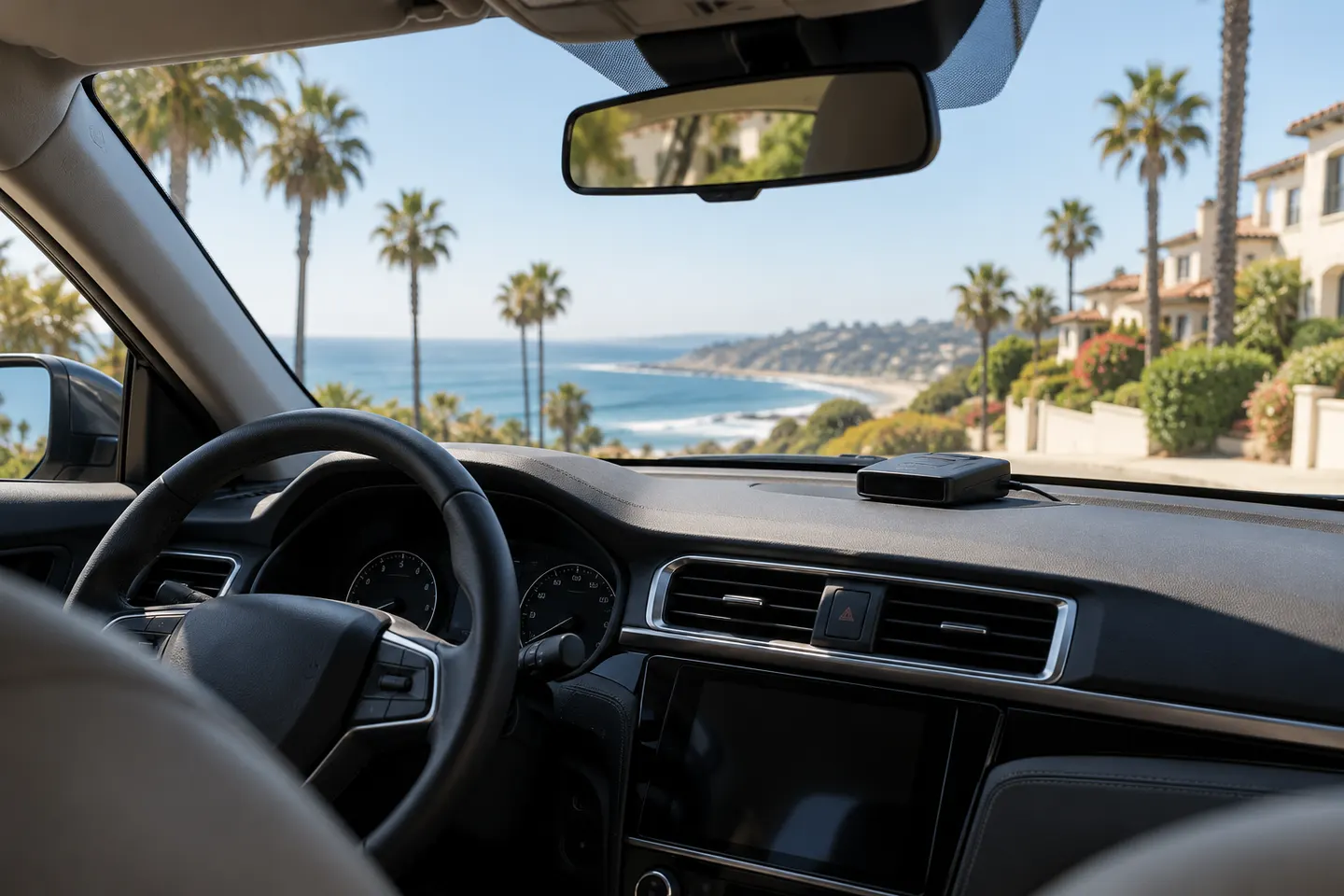 Is a Radar Detector Legal in California? What…
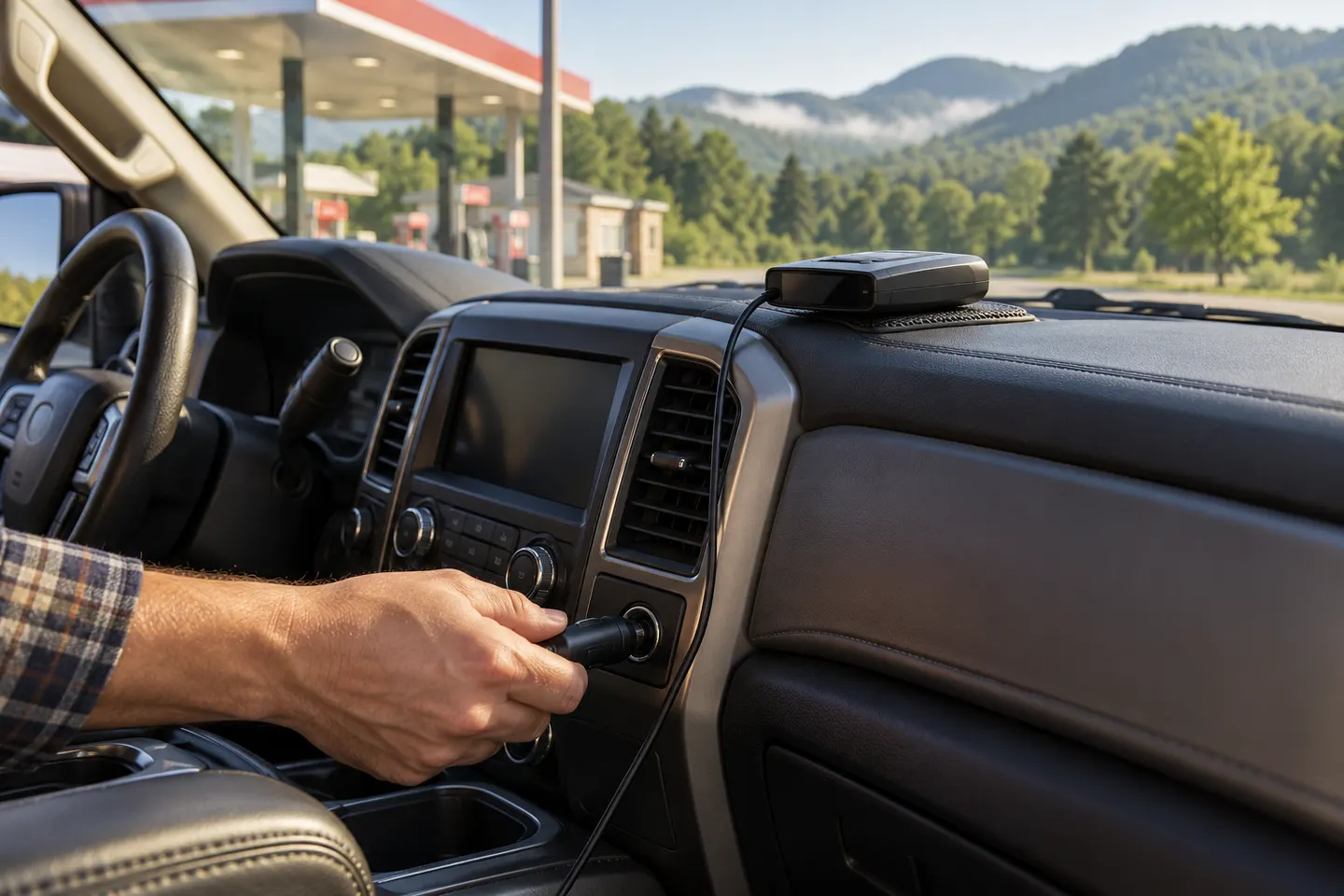 Are Radar Detectors Legal in Tennessee? What…
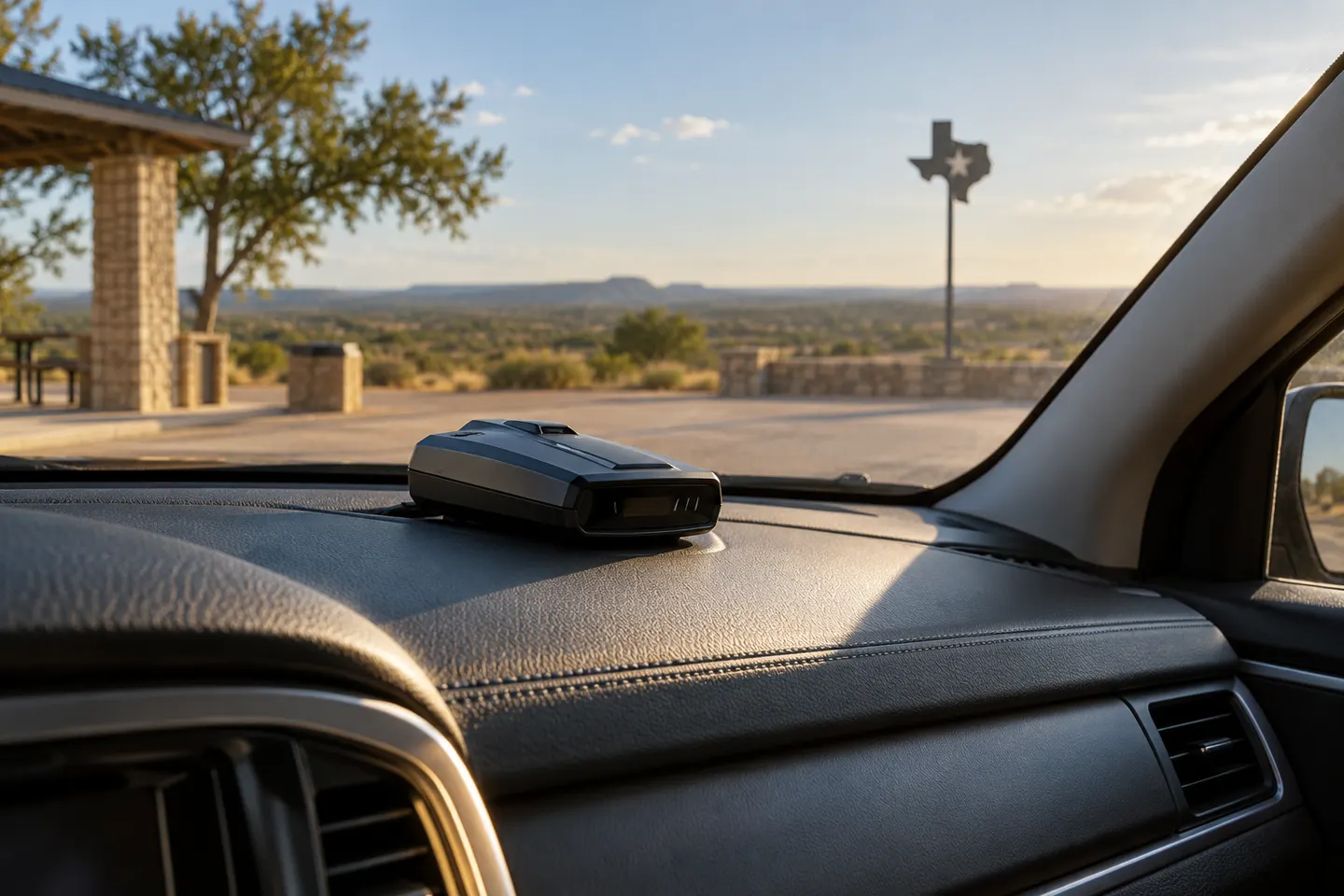 Is a Radar Detector Legal in Texas? Rules for…
Common questions
Questions before you buy
Are radar detectors legal in Texas for passenger cars?
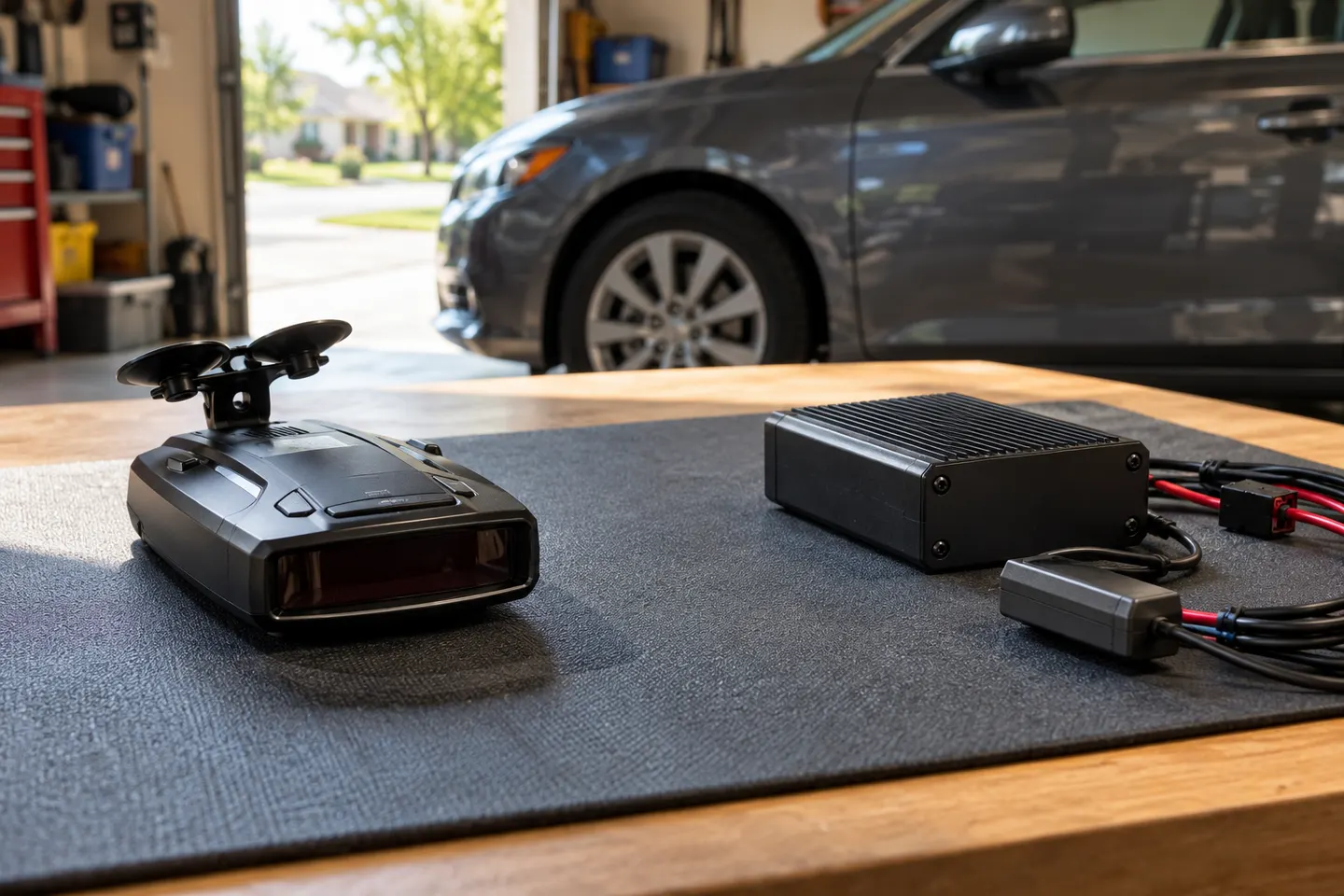
The cited Texas vehicle-equipment provisions do not prohibit ordinary radar detectors by name in passenger cars. Mounting must not obstruct or reduce clear view.
Why are radar detectors illegal in commercial vehicles?
Federal regulation 49 CFR §392.71 bars a driver from using a detector in a commercial motor vehicle or operating a vehicle that contains one.
Is a radar detector the same as a jammer?
No. A detector receives signals; a jammer or interference device is designed to disrupt speed-measuring equipment and is addressed separately under Texas law.
Can Texas police stop me for a windshield mount?
Texas law addresses objects that obstruct or reduce clear view. Keep the device out of the driver’s sightline and consult the current statute for its scope.