




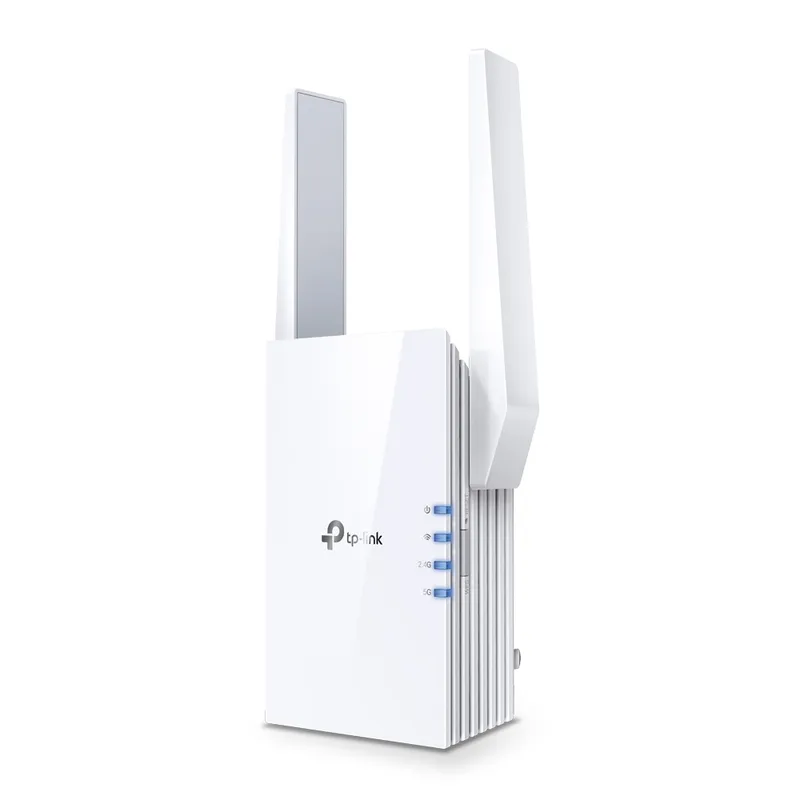
 Official manufacturer image
Our picks
Top picks
Official manufacturer image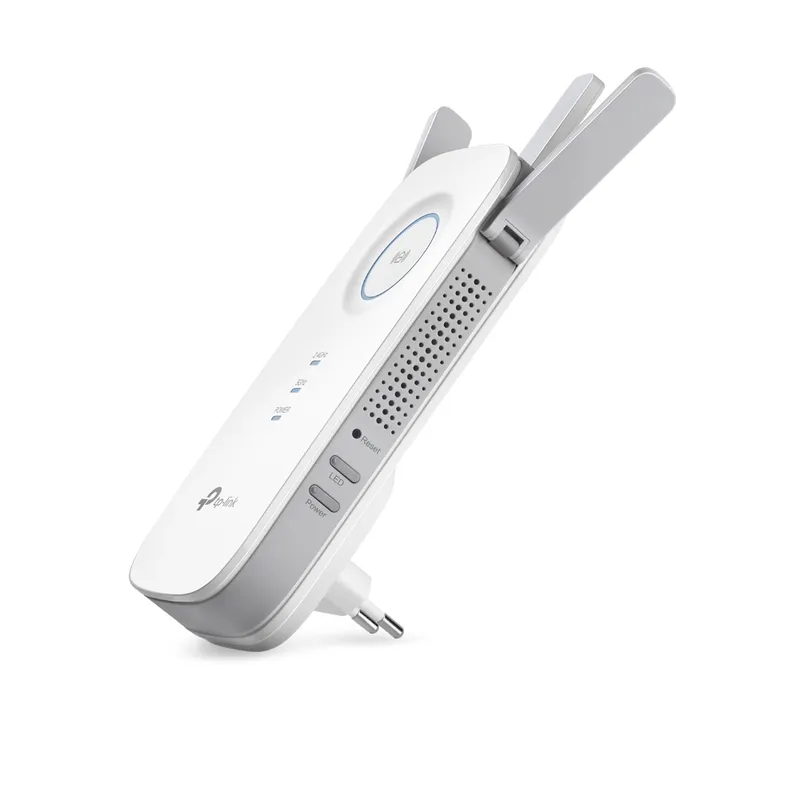 Official manufacturer image
TP-Link RE450
Check price on Amazon AU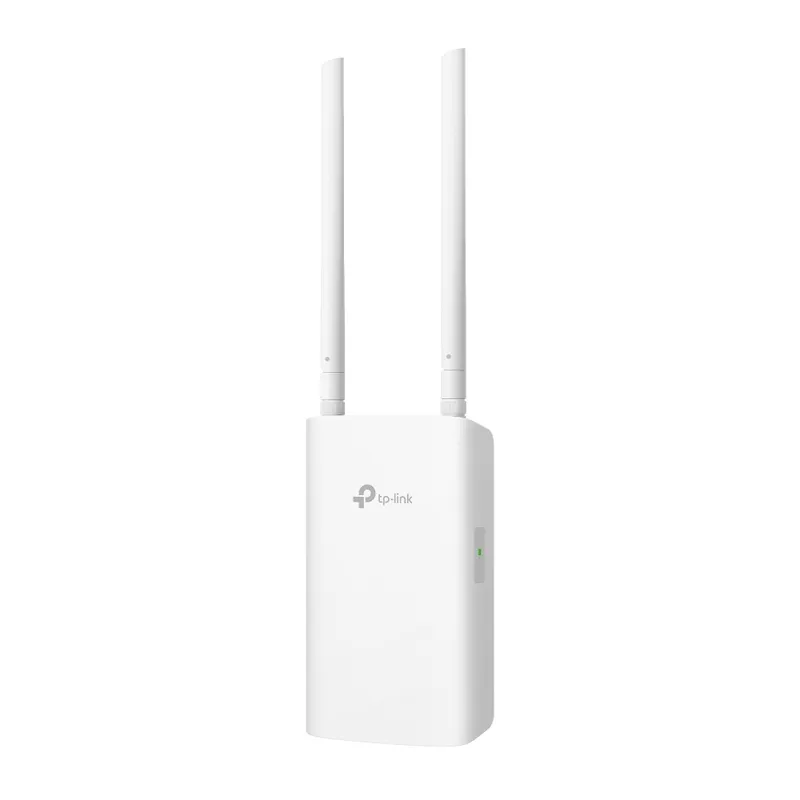 Official manufacturer image
TP-Link RE705X-Outdoor
Check price on Amazon AUCommon questions
Questions before you buy
What is a dual band WiFi range extender?
It supports wireless connections on 2.4 GHz and 5 GHz bands. The available band and speed at any point still depend on the router, client device and signal conditions.
Is NETGEAR EX3700 dual band?
Yes. NETGEAR describes the EX3700 as simultaneous dual-band WiFi on 2.4 GHz and 5 GHz, with an AC750 wireless rating and an Ethernet port.
What does AC750 mean on an extender?
AC750 is a class label for the model's maximum combined wireless link rates, not a promise of 750 Mbps internet throughput to one device. Actual performance varies with network and environment.
Do I need tri-band instead of dual-band?
Not necessarily. Tri-band can provide an additional radio for network traffic, but suitability depends on the router and model design. Compare a mesh system if you need coordinated coverage across many rooms.