







Avoiding a liquid loop
Gearjury may earn a commission from retailer links. Editorial content is based on cited evidence.
Head to head
AIO vs Air Cooler: Which CPU Cooler Should You Choose?
For a desktop PC, “air cooler†means a heatsink and fan; AIO means a sealed liquid-cooling loop. Match either to your CPU, case clearance and workload rather than expecting a universal winner.
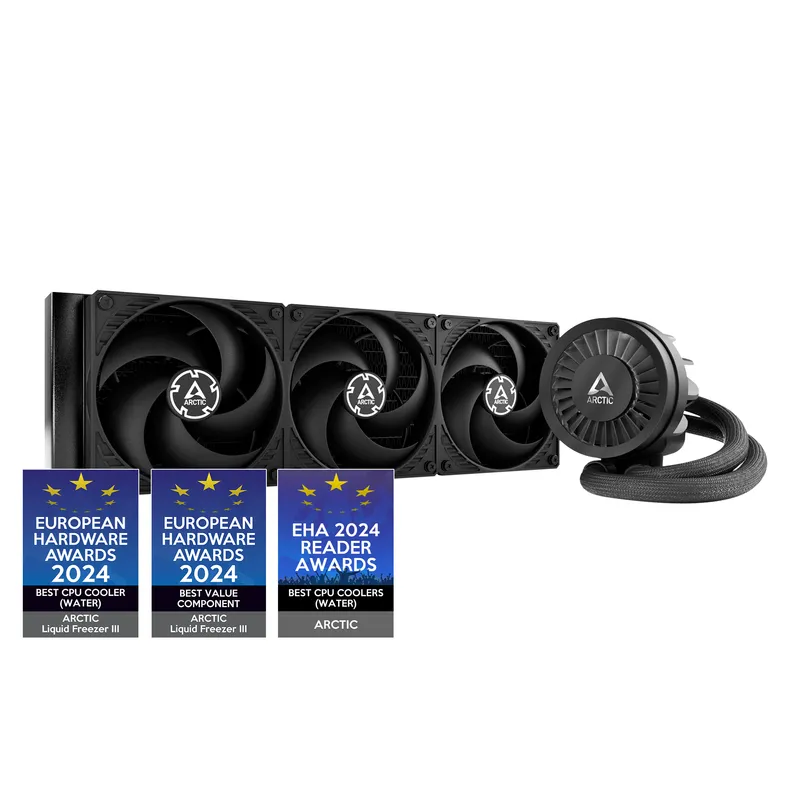 Official manufacturer image
Radiator-based CPU cooling
ARCTIC Liquid Freezer III 360
Check price on Amazon.caSponsored link · no live price shown
The verdict
No universal winner: fit and workload matter, and neither product is a household room cooler.
Avoiding a liquid loop: Noctua NH-D15 G2
A tower air cooler uses a heatsink and fans without a pump or radiator loop.
Radiator-based CPU cooling: ARCTIC Liquid Freezer III 360
The ARCTIC model is an all-in-one liquid cooler with a 360 mm radiator.
Small PC case: —
Check cooler height or radiator fit, memory clearance and case support before choosing.
Compare them side by side
| Noctua NH-D15 G2 | Official manufacturer imageARCTIC Liquid Freezer III 360 | |
|---|---|---|
| Cooling design | Heatsink and fans | AIO pump, loop and radiator |
| Listed size | 168 mm cooler height | 398 × 120 × 38 mm radiator |
| Case check | CPU cooler height clearance | Radiator mounting support |
| Pump | No pump | Integrated pump |
| Compatibility | Check socket list | Check socket list |
| Check price on Amazon.ca |
Common questions
Questions before you buy
Which is better, an AIO or air cooler?
Neither is universally better. An air cooler avoids a pump and radiator; an AIO may suit builds designed for a radiator. Check CPU requirements, case fit, noise and maintenance.
Will a 360 mm AIO lower CPU temperature more than an air cooler?
Results depend on processor, power limits, case airflow, fan settings and test method. Radiator size alone cannot establish a temperature result.
Is an AIO quieter than an air CPU cooler?
Not by definition. Both have fans, while an AIO also has a pump. Compare measured noise under the same workload and settings.
Does an AIO need maintenance?
AIO units are sealed systems and are not normally user-refilled; keep the radiator and fans clear and follow manufacturer instructions. Air coolers also need dust cleaning.
Sources and how we chose
- Noctua NH-D15 G2 · 2026-10-18
- ARCTIC Liquid Freezer III 360 · 2026-10-18
Keep exploring
Related guides

Best Portable Air Coolers to Consider in 2026
For a Canadian home, begin with Midea’s locally listed evaporative unit, then consider a personal fan or purifier fan if added moisture is a poor fit.
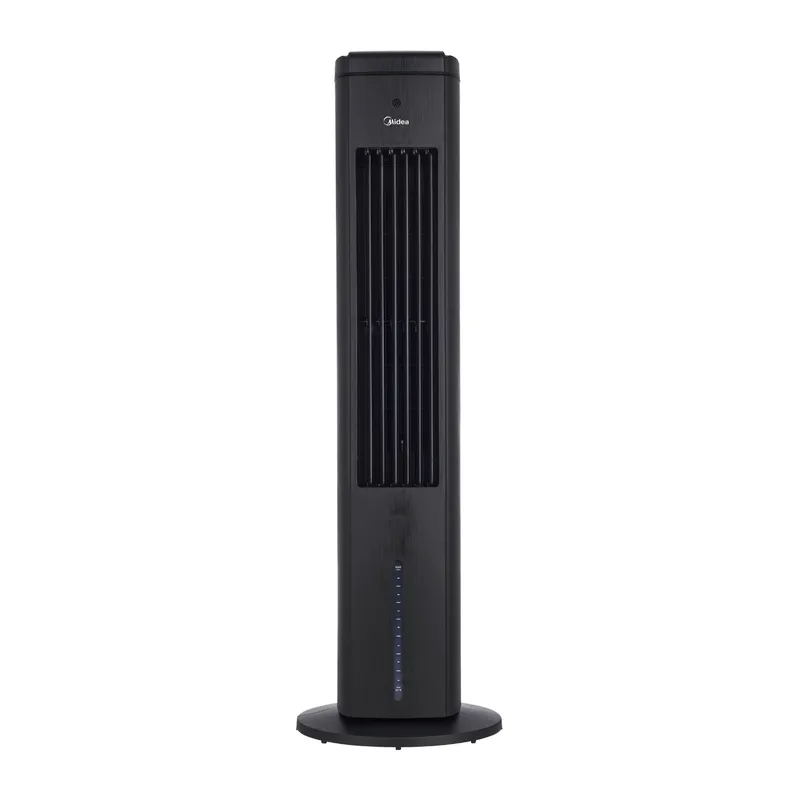
Midea Portable Air Cooler Options for Canadian Homes
Midea Canada lists a direct-cooling evaporative unit. Its product details make it possible to compare controls and dimensions, while humidity and room ventilation remain key to fit.
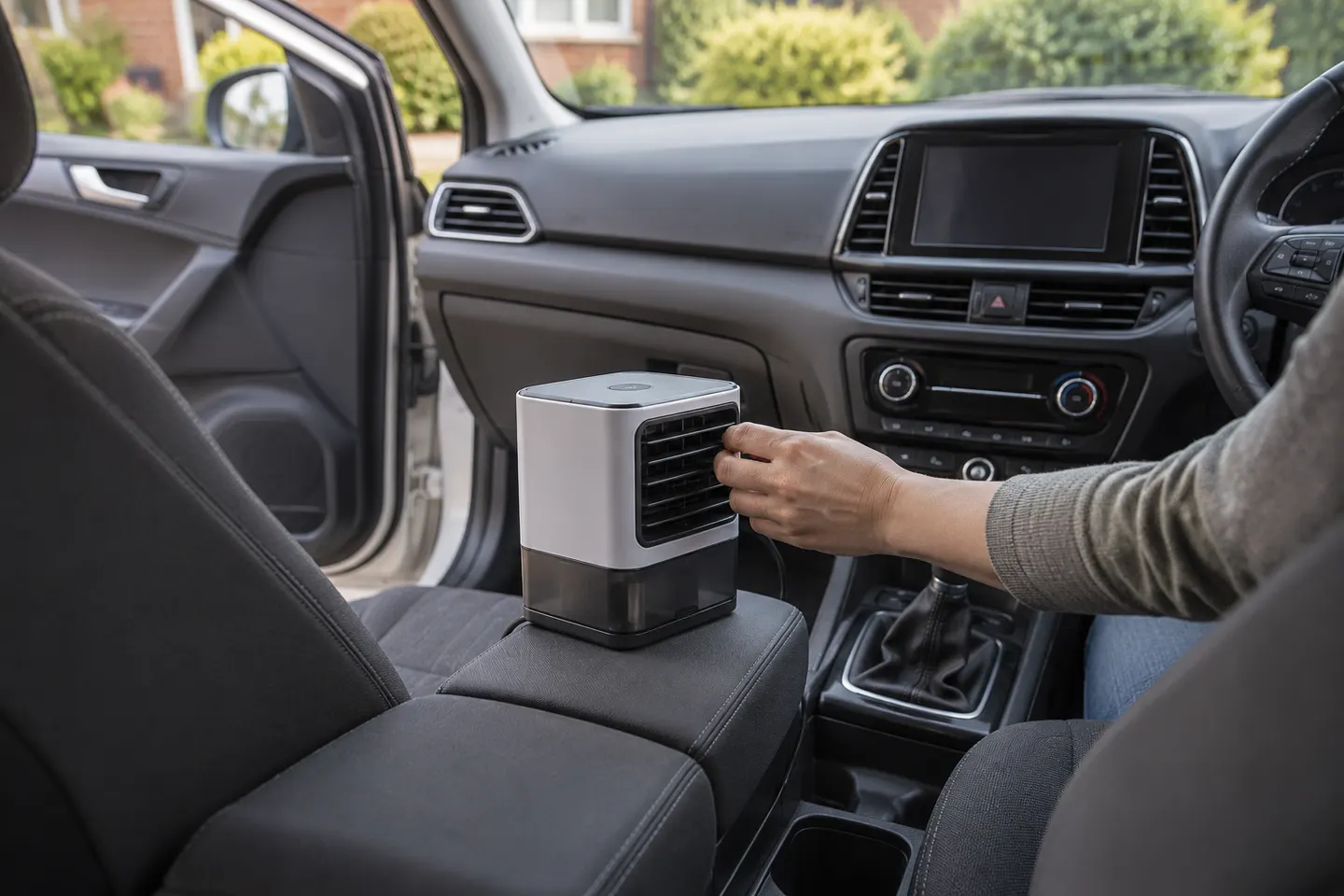
Car Air Coolers: Portable Cooling Options for Vehicles
A true evaporative cooler needs water, ventilation and a suitable power source. For most vehicles, a compact fan is easier to use than a household cooler.
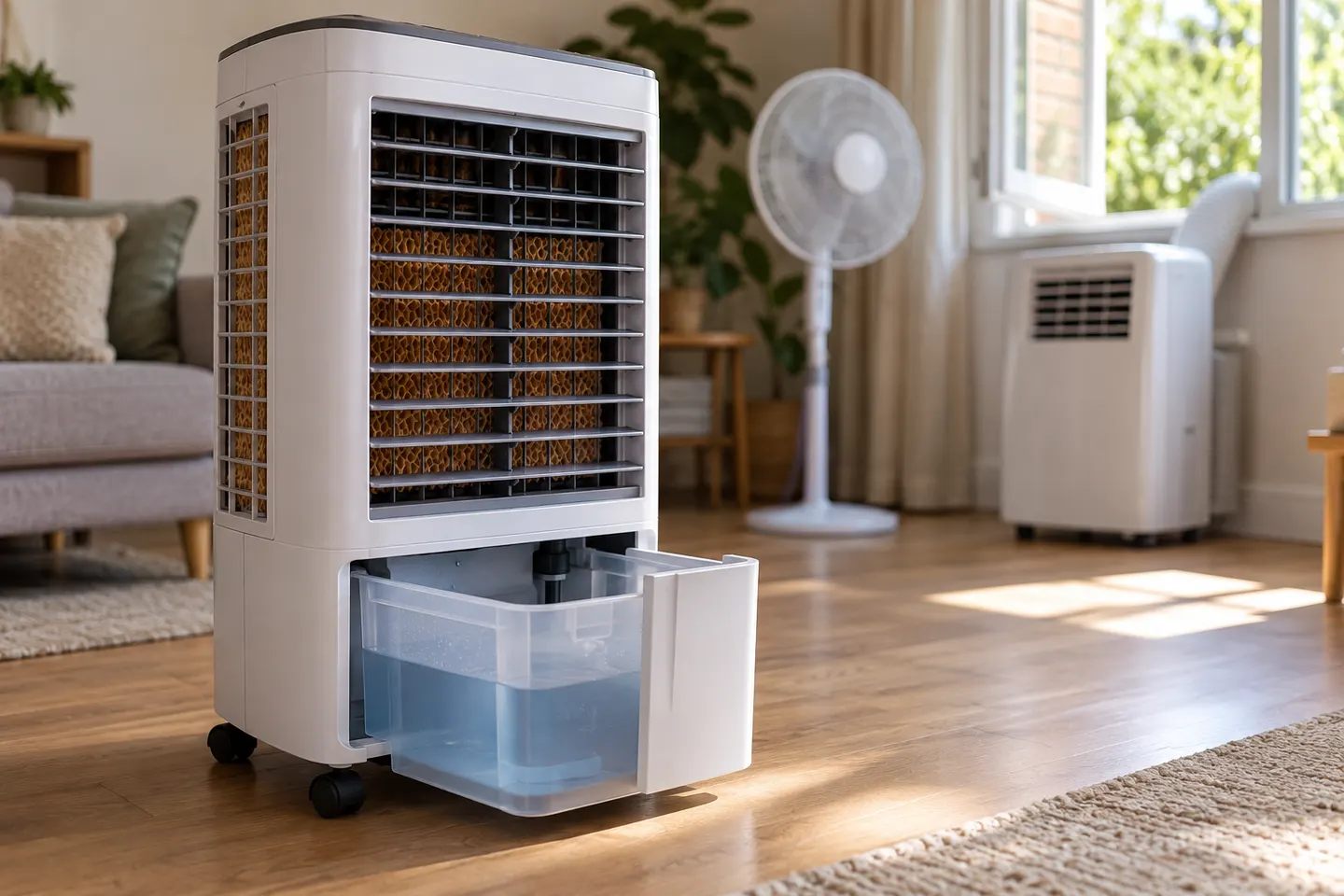
Portable Air Coolers: Compare Evaporative and Fan Options
A portable air cooler can mean an evaporative unit or simply a fan marketed for personal cooling. Start by matching the technology to your room and climate.