








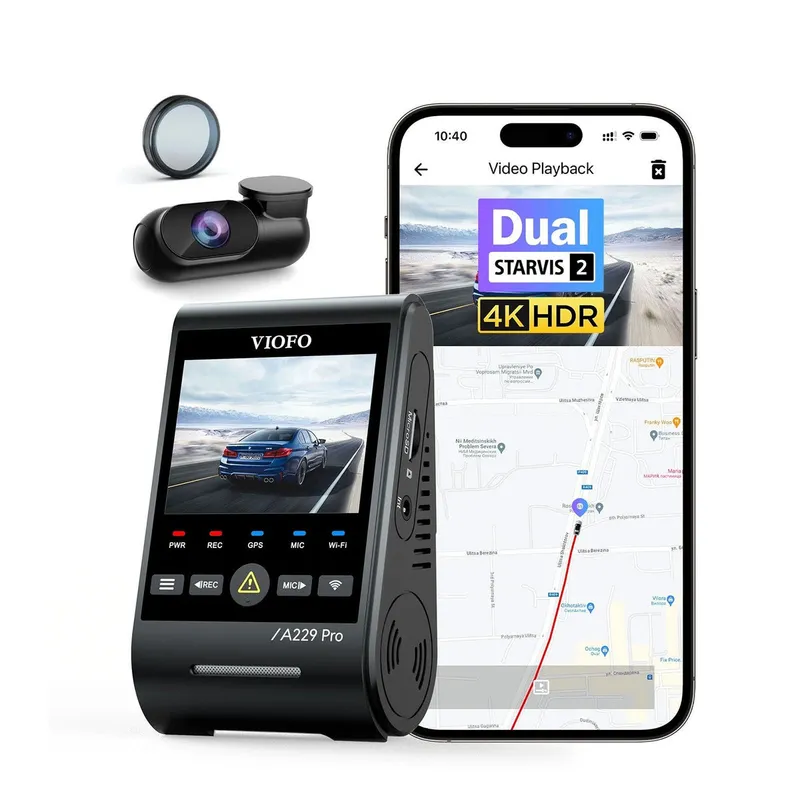
 Official manufacturer image
Our picks
Top picks
Official manufacturer image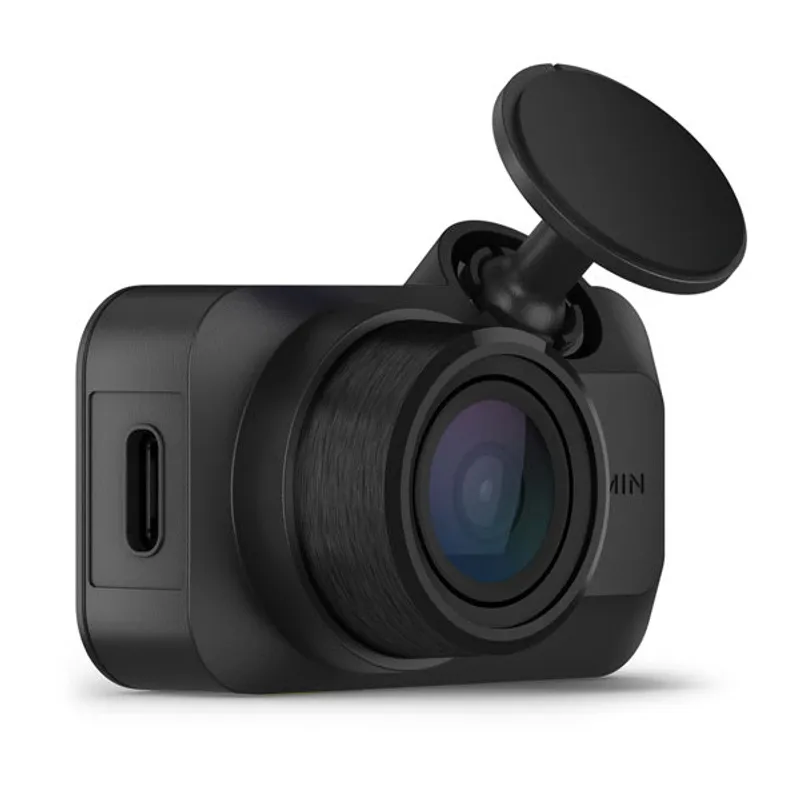 Official manufacturer image
Garmin Dash Cam Mini 3
Check price on Amazon.ca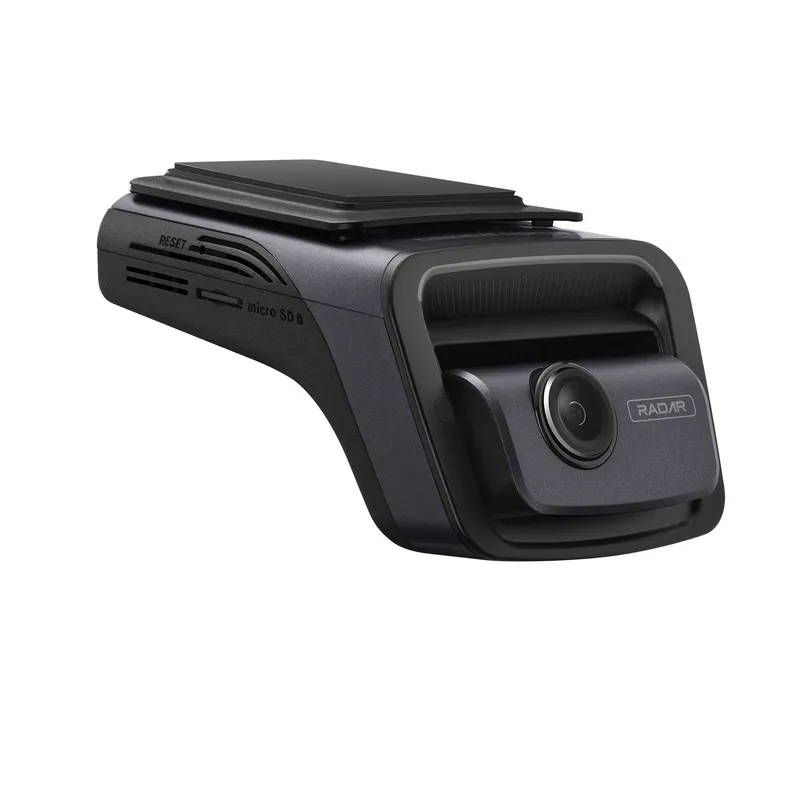 Official manufacturer image
Thinkware U3000
Check price on Amazon.caBy feature
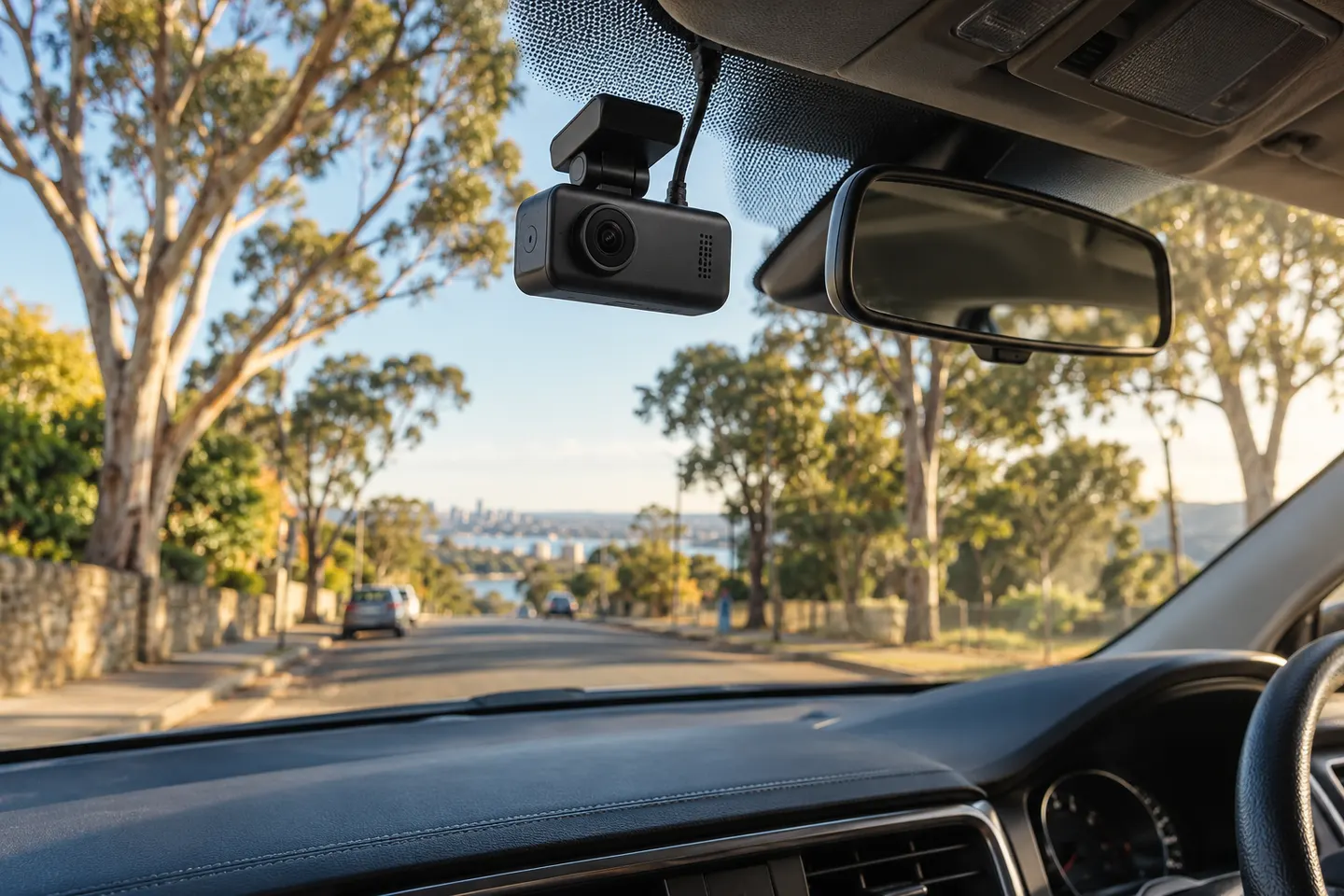 1080p
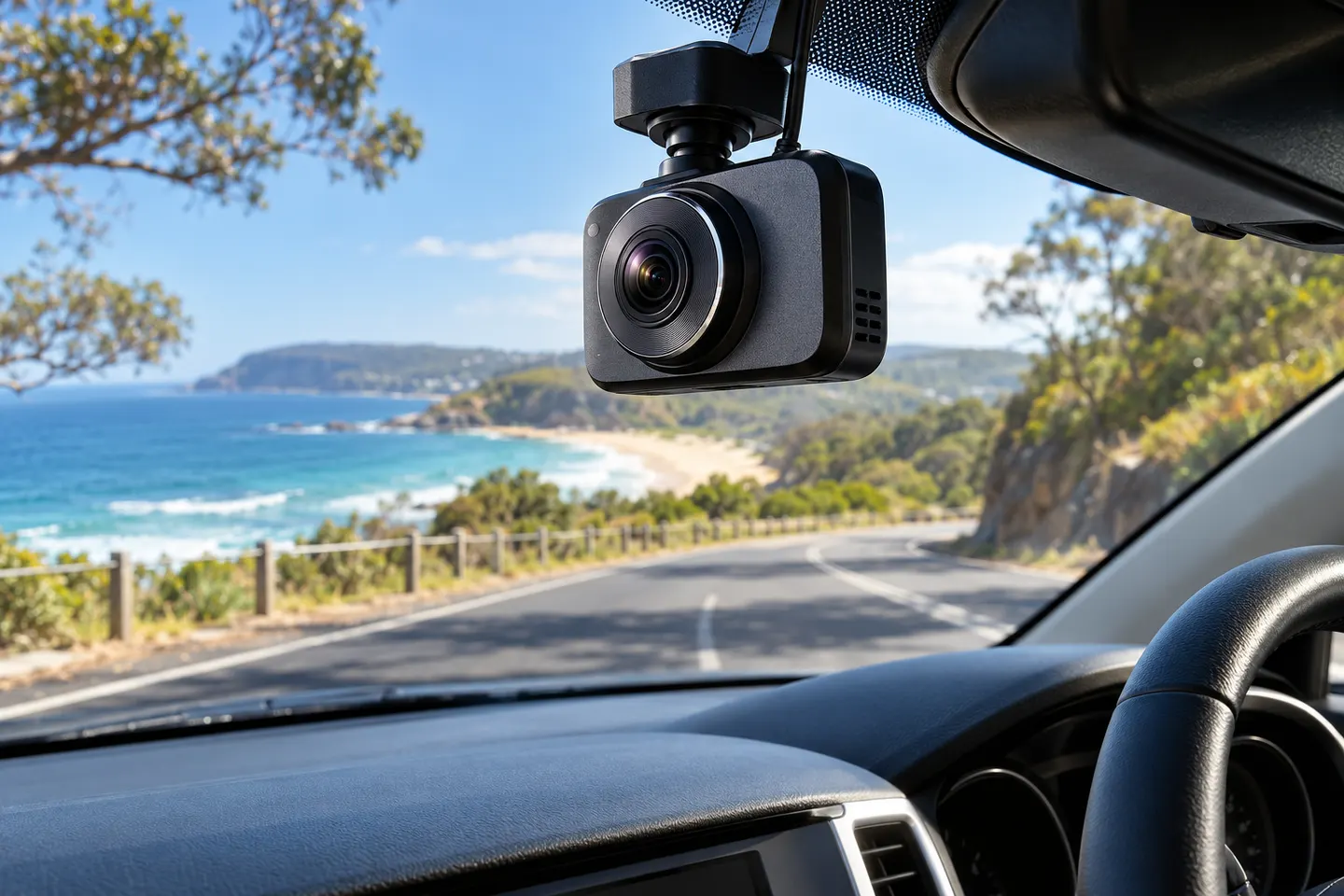 4k ultra hd
More topics
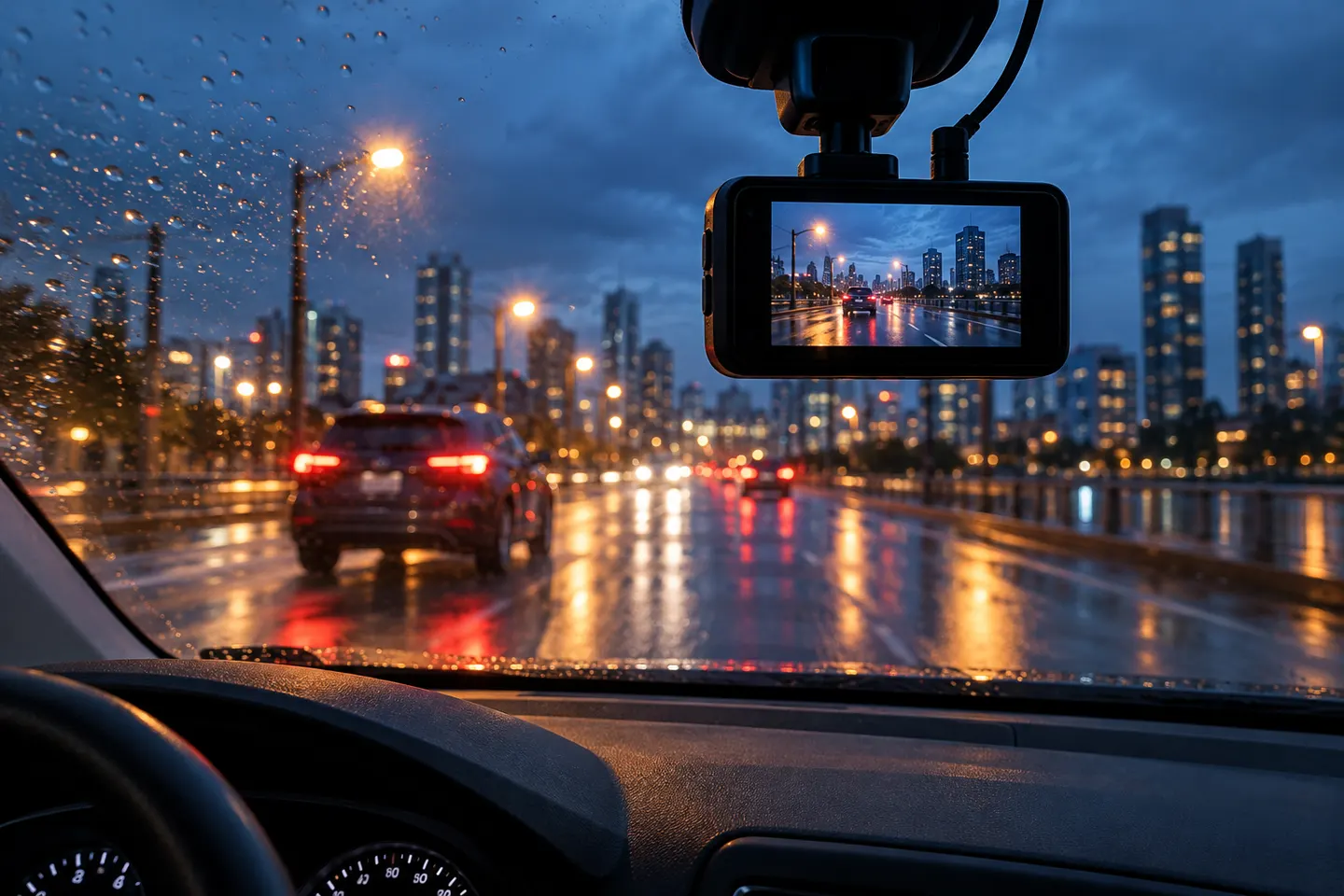 Dashcam HD Resolution and Video Quality Guide
Common questions
Questions before you buy
Is a 1080p dash cam good enough to read licence plates?
It may capture a nearby plate in favourable light, but no resolution guarantees it. Relative speed, distance, glare, focus and compression can all remove detail.
Does 1080p use less storage than higher-resolution video?
Usually, when other settings are comparable. Actual file size also depends on bitrate, frame rate, codec, audio and the number of camera channels.
Is 1080p adequate for a rear dash cam?
It can be adequate for broad incident context. Rear glass tint, defroster lines, distance and night glare still influence the useful detail.
What matters besides resolution in a car camera?
Look at lens and sensor performance, processing, bitrate, frame rate, exposure control, mounting stability and sample footage in conditions similar to your driving.
Should I replace a working 1080p dash cam with a higher-resolution model?
Not solely for the larger number. Upgrade if your current footage, reliability, coverage or parking features fail a real need, and compare original files before choosing.