








 Official manufacturer image
Our picks
Top picks
Official manufacturer image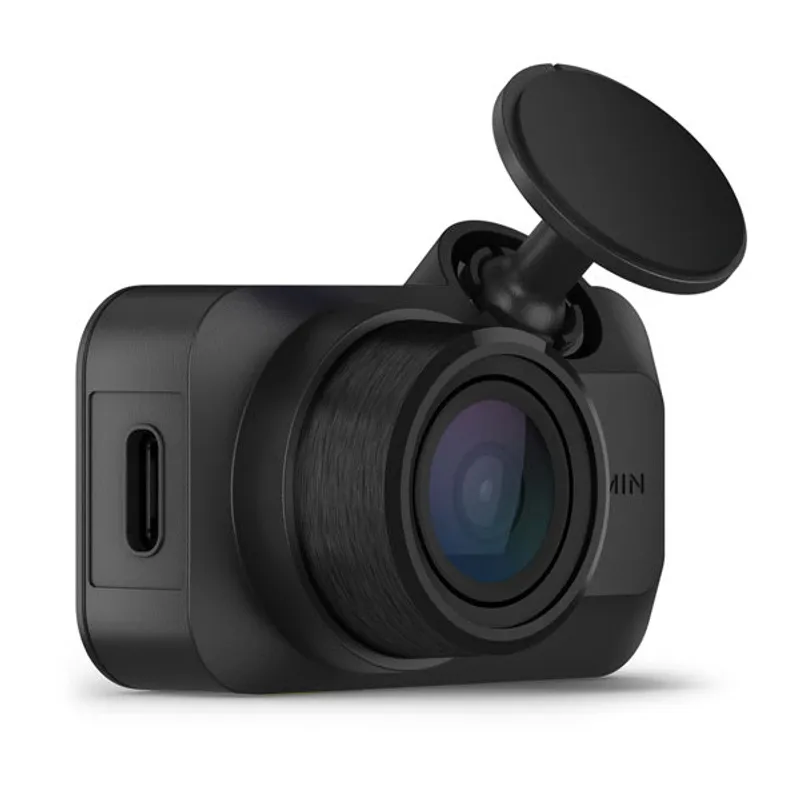 Official manufacturer image
Garmin Dash Cam Mini 3
Check price on Amazon.ca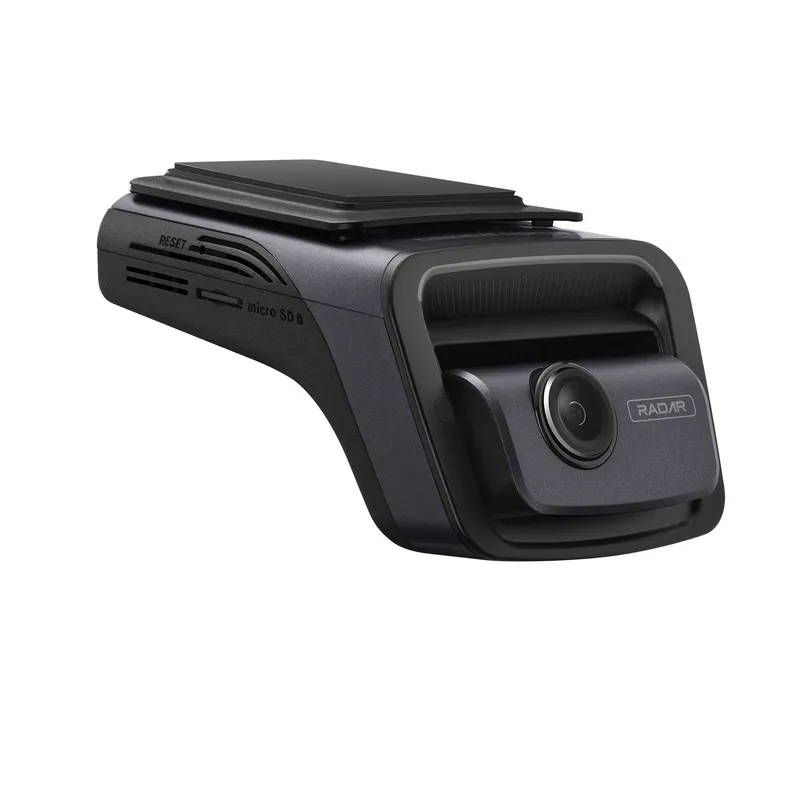 Official manufacturer image
Thinkware U3000
Check price on Amazon.caBy feature
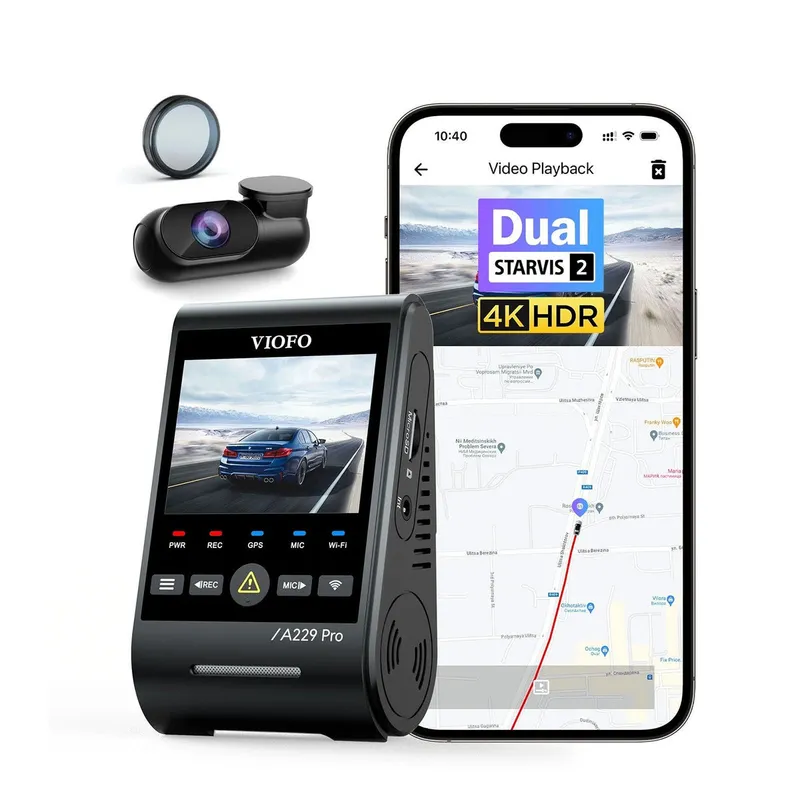
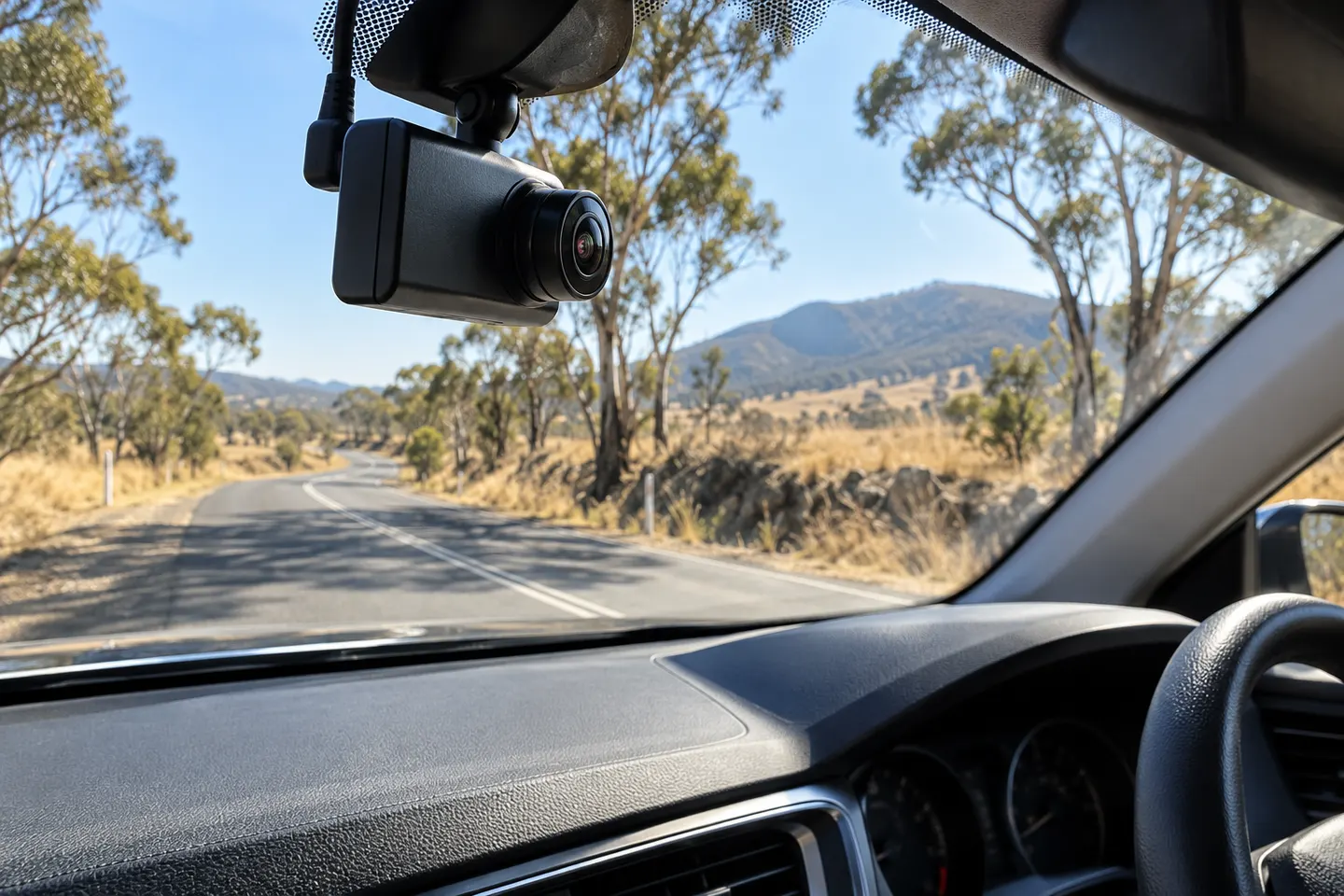 4k
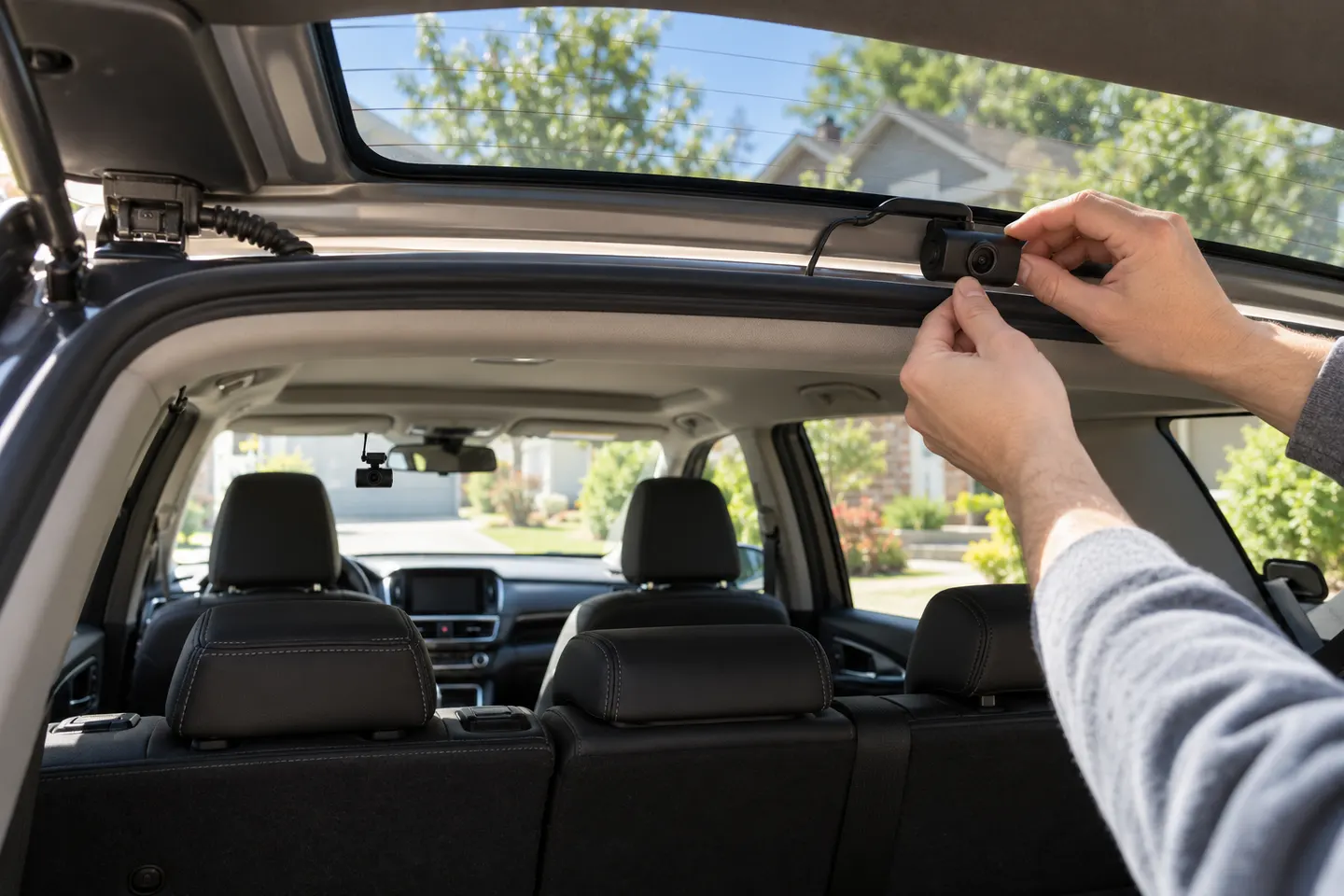 Dual channel
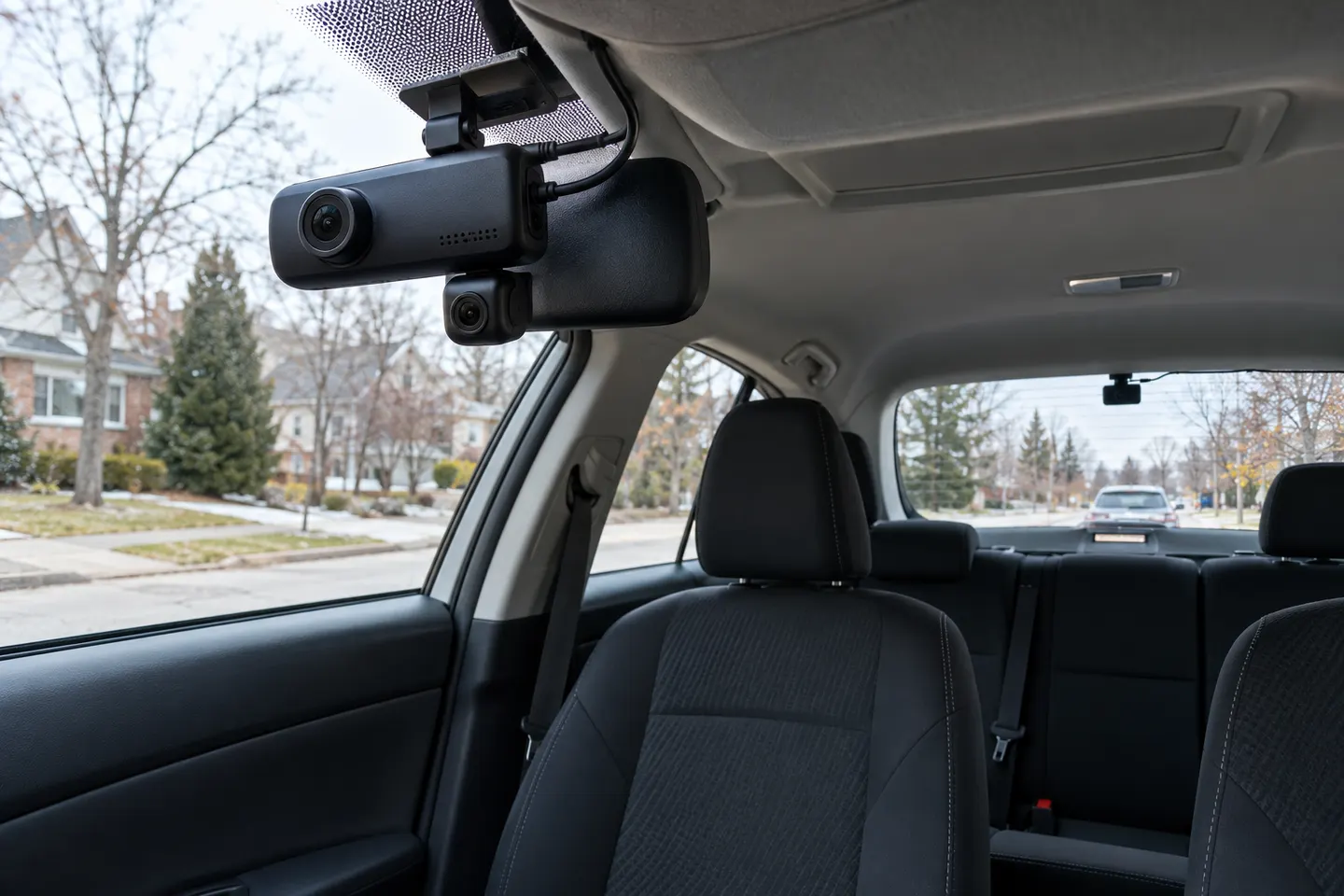
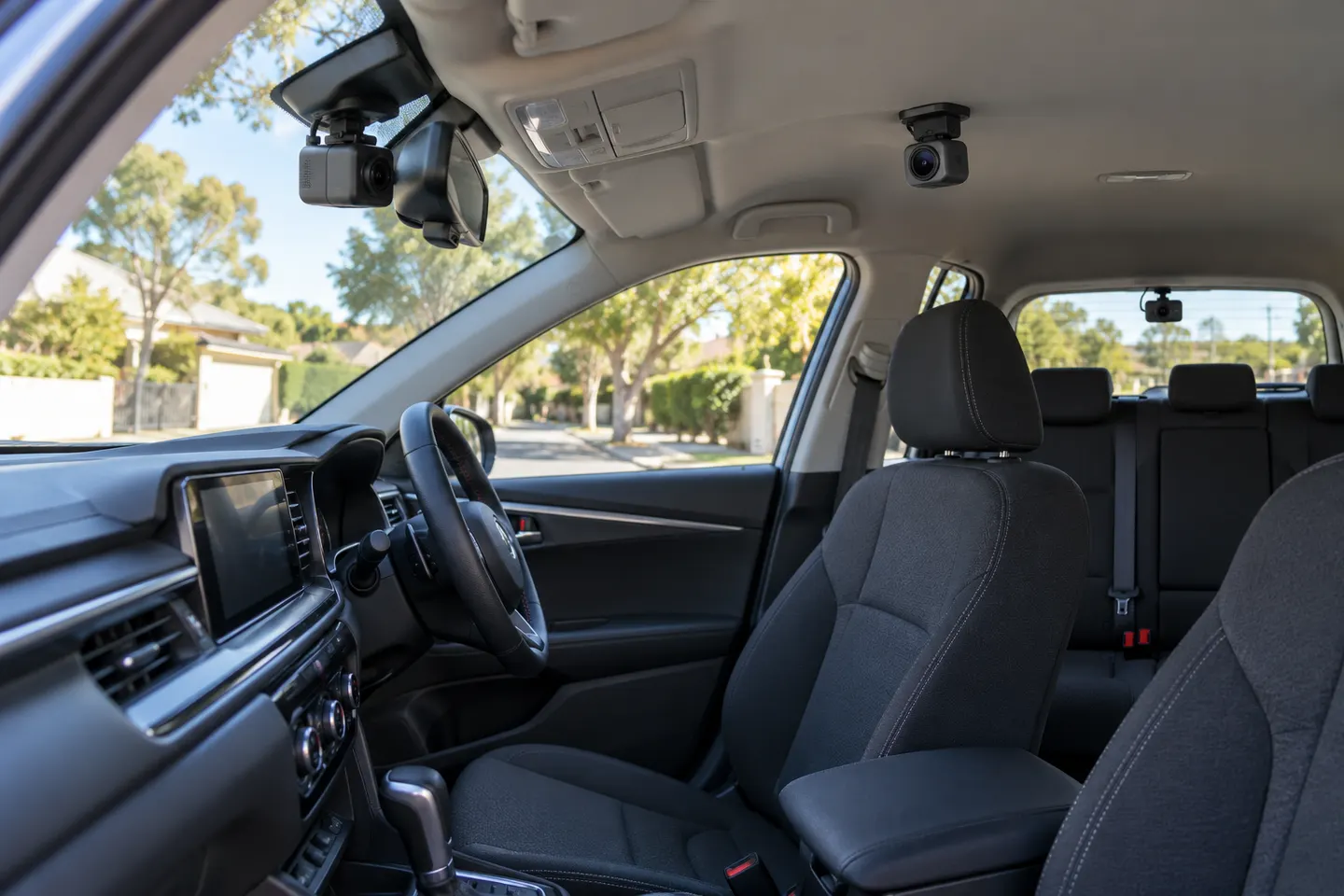 3 channel
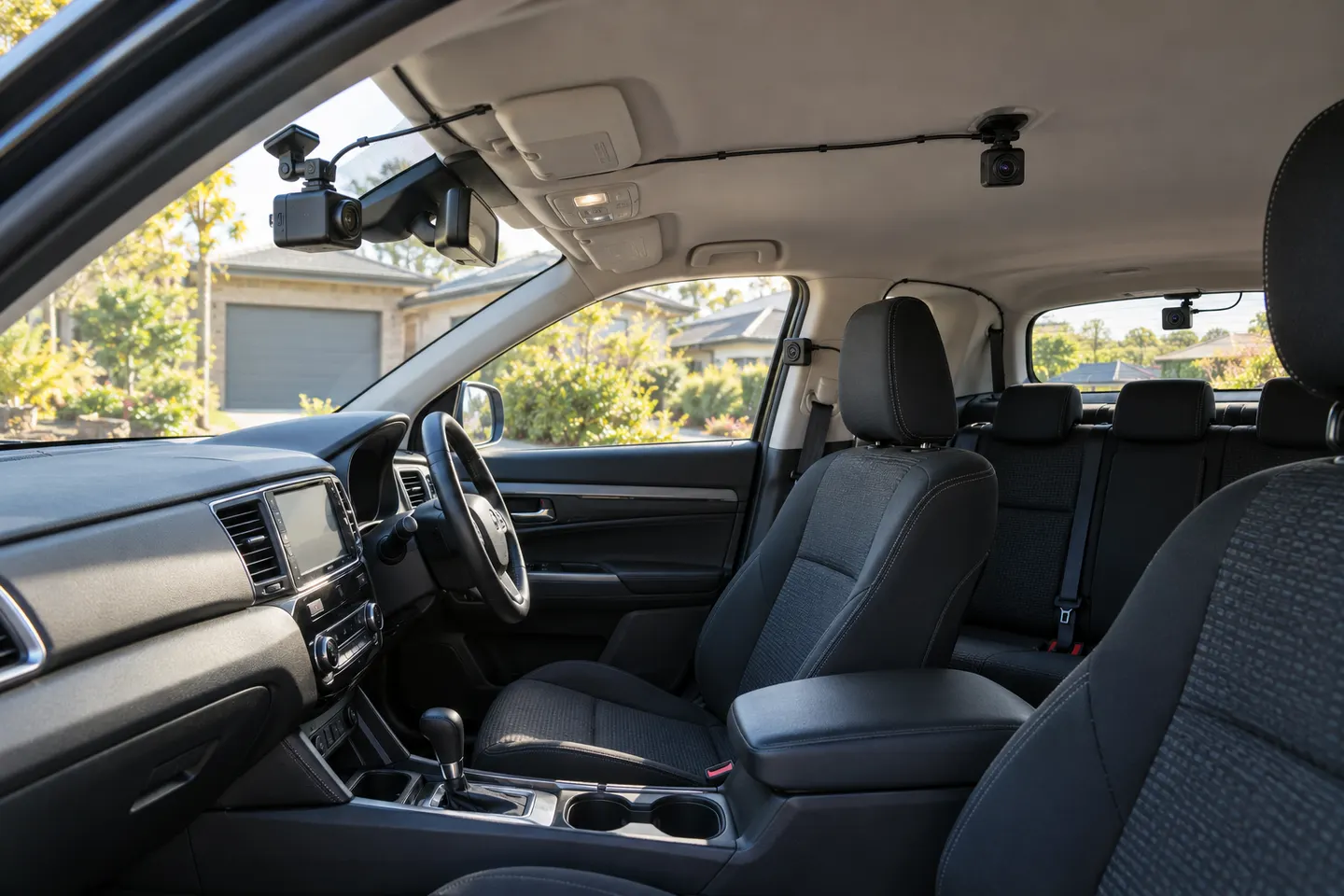 4 channel
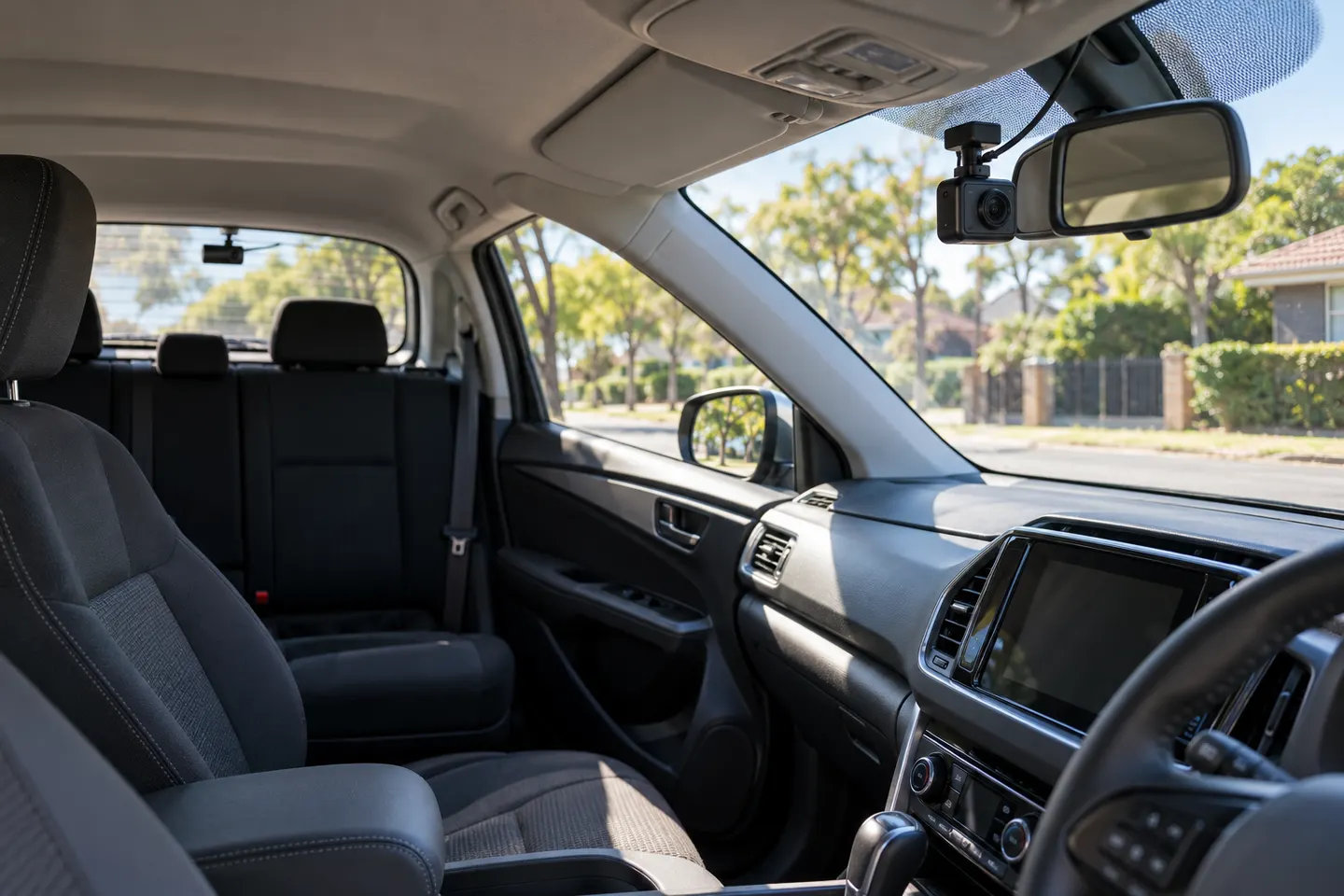 2 channel
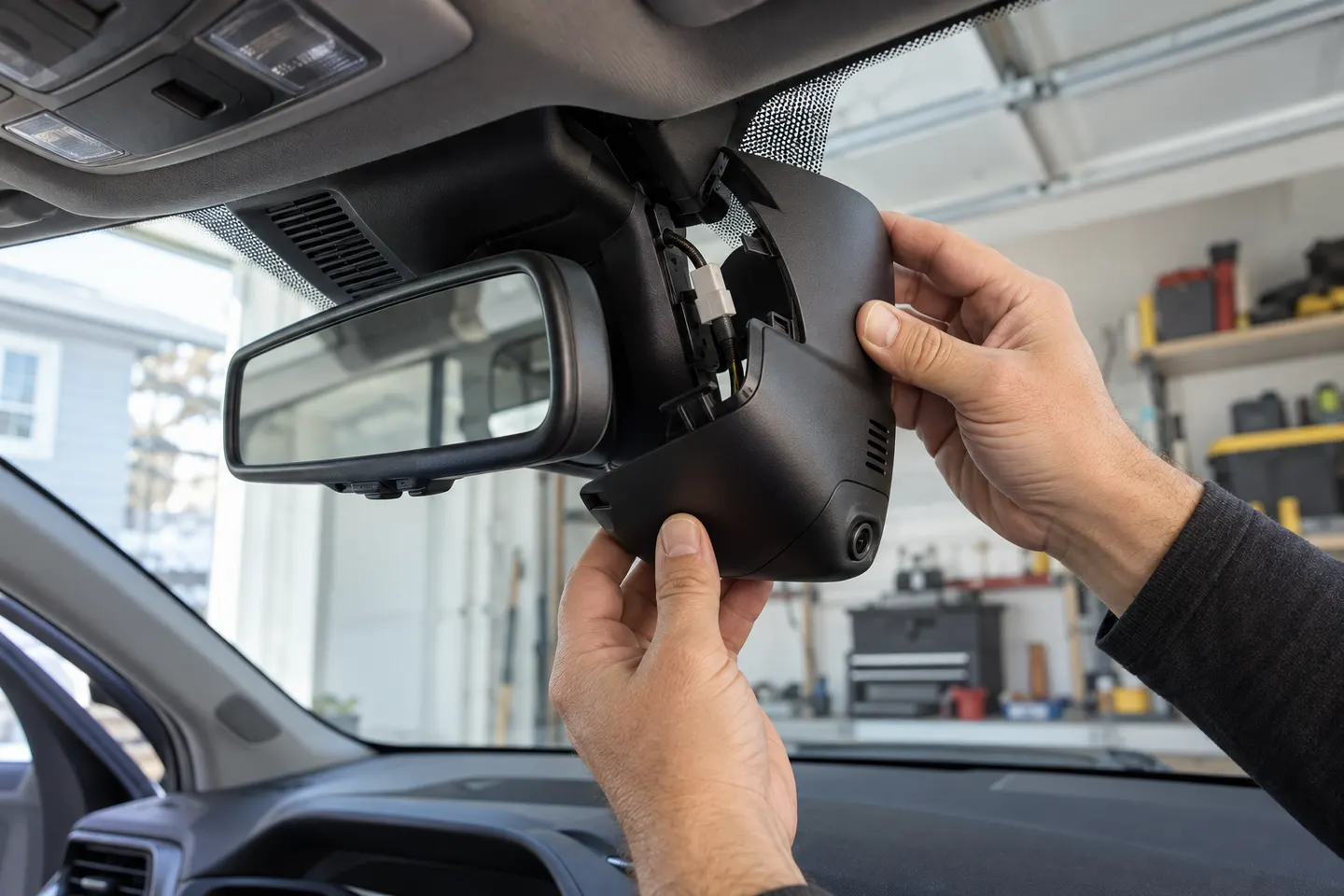 Fitcamx 4k
Common questions
Questions before you buy
Are all three cameras 4K on a 3 channel dash cam?
Usually not. The 4K label commonly applies to the front camera, with rear and cabin feeds recording at lower resolutions.
Who benefits from front, rear and cabin recording?
Rideshare drivers and people who want interior context may benefit most. Drivers who do not need cabin footage may prefer a simpler front-and-rear kit.
How much storage does a three-channel camera need?
It depends on bitrate, codec and resolution across all feeds. Use the maker's recording-time table and only supported endurance-card capacities.
Can infrared cabin lights see through the rear window?
They are designed for the nearby interior, not distant exterior detail. Reflections from glass can also affect infrared footage.