








 Official manufacturer image
Our picks
Top picks
Official manufacturer image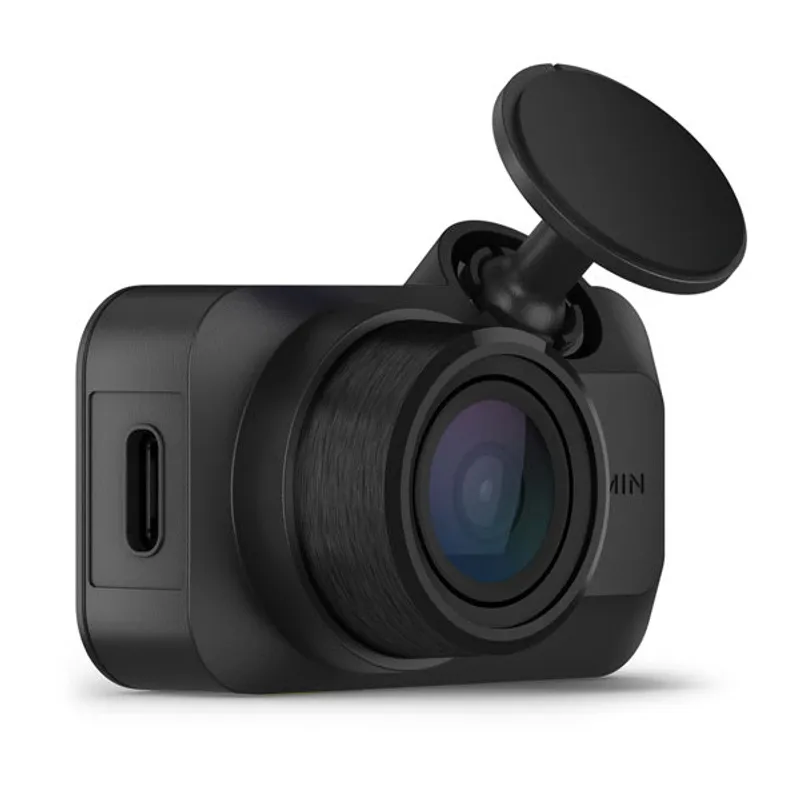 Official manufacturer image
Garmin Dash Cam Mini 3
Check price on Amazon.ca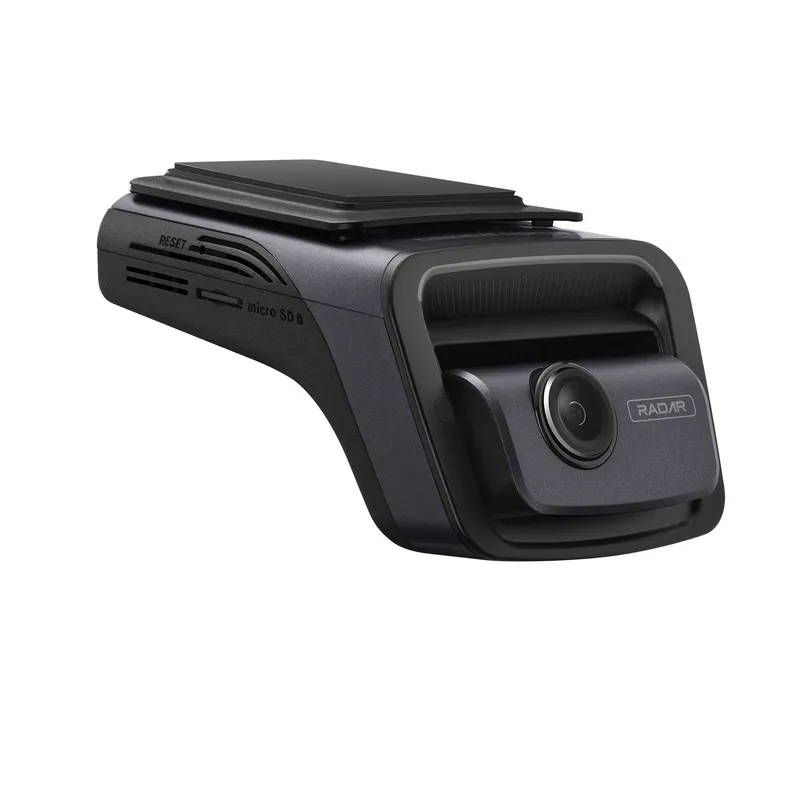 Official manufacturer image
Thinkware U3000
Check price on Amazon.caCommon questions
Questions before you buy
Can a dash cam run on its internal battery?
Usually only briefly. The internal cell is commonly intended for shutdown or short event handling, while normal recording needs vehicle power.
Is a capacitor better than a battery in a dash cam?
A supercapacitor is generally chosen for temperature tolerance and reliable shutdown, but it stores less energy. The better design depends on the camera's intended operation.
Will parking mode drain the car battery?
It can consume vehicle power. Use a compatible hardwire kit with a configured low-voltage cutoff, or a dedicated pack approved for the camera.
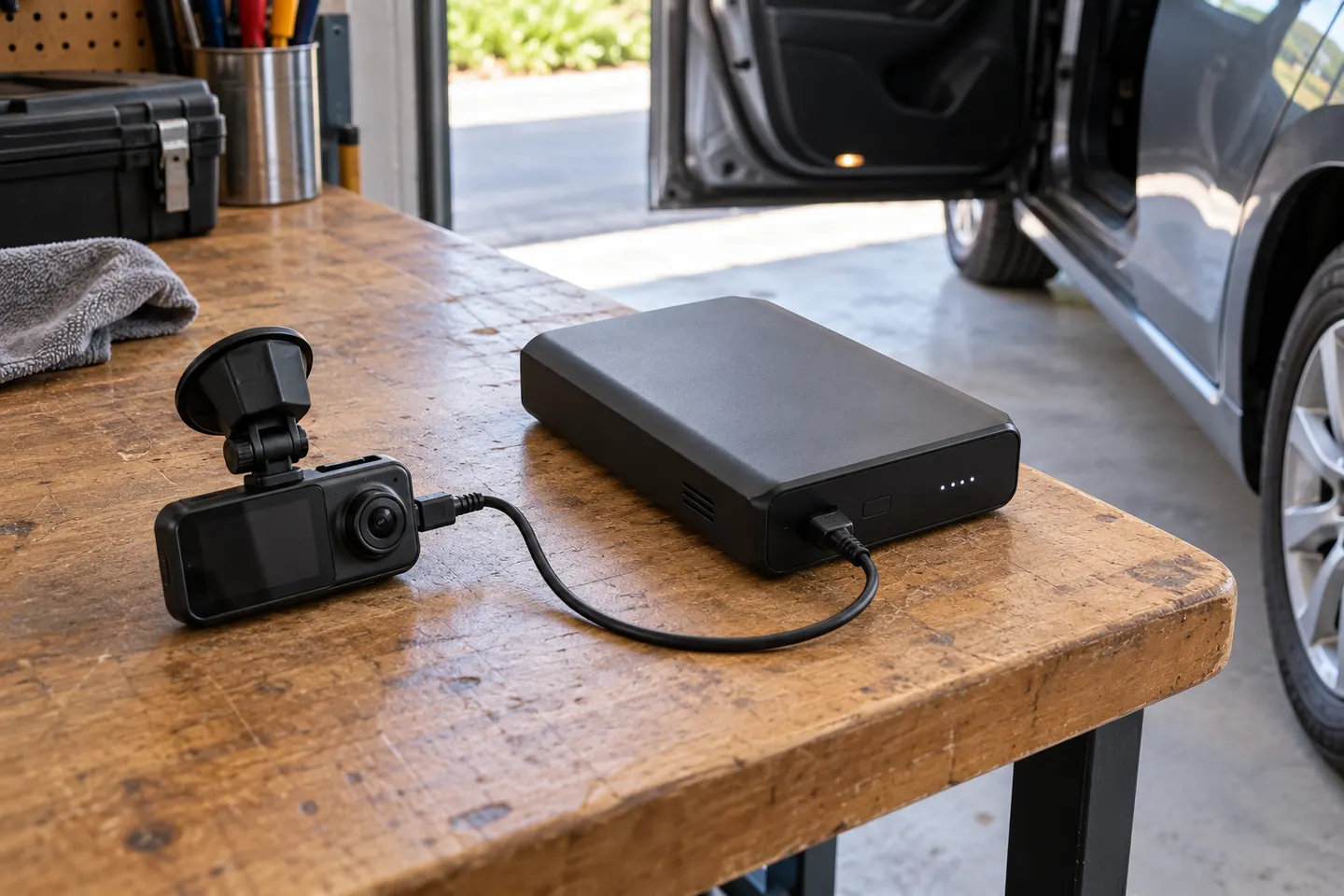
Can I use a regular power bank for a dash cam in a car?
A consumer power bank may not be designed for vehicle-cabin temperatures, pass-through charging or unattended use. Use a purpose-built solution and follow its safety instructions.