








 Official manufacturer image
Our picks
Top picks
Official manufacturer image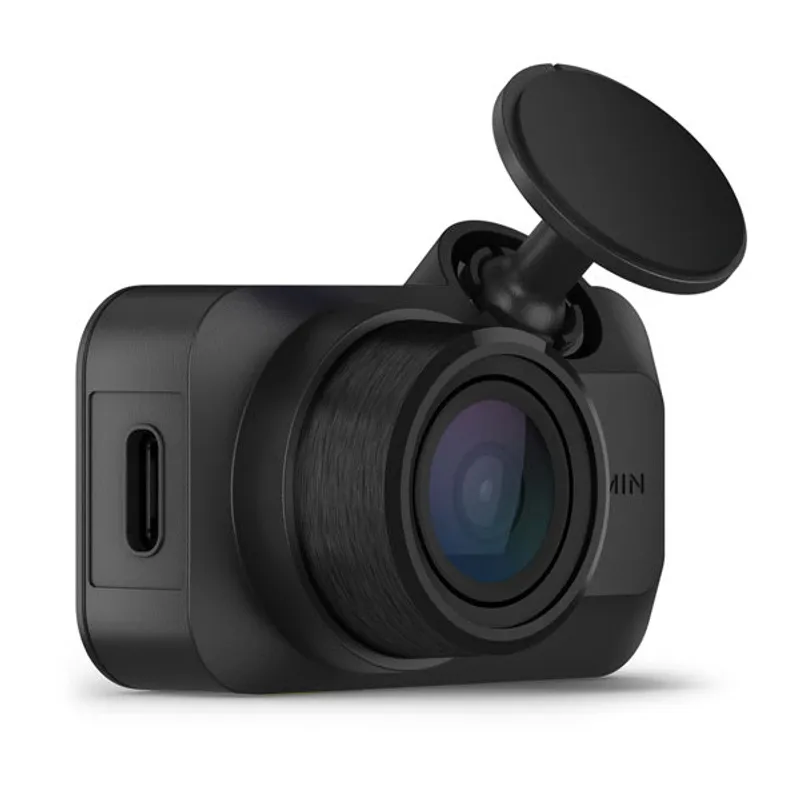 Official manufacturer image
Garmin Dash Cam Mini 3
Check price on Amazon.ca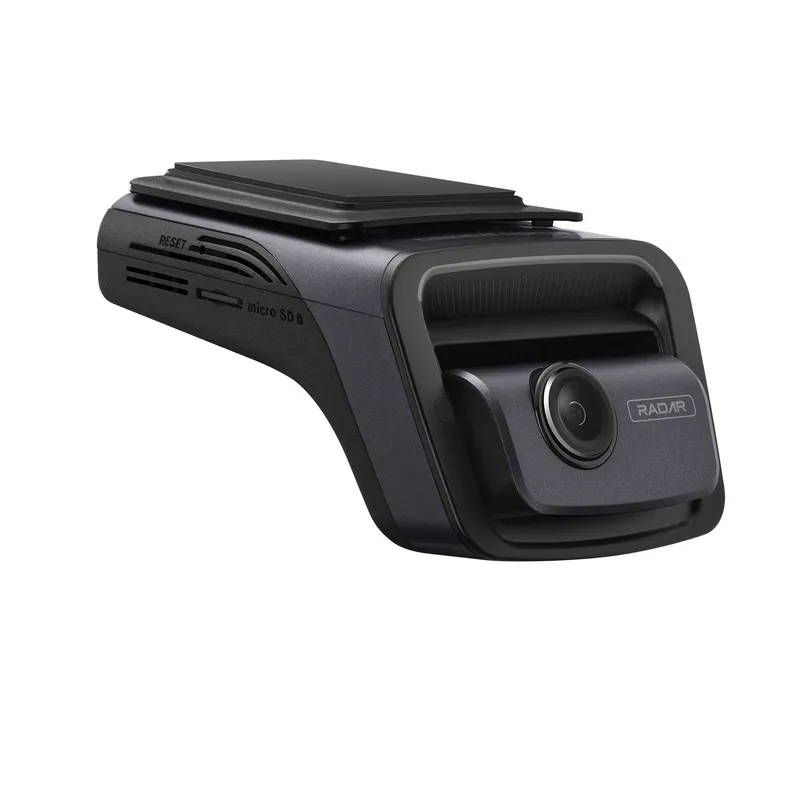 Official manufacturer image
Thinkware U3000
Check price on Amazon.caInstallation and accessories
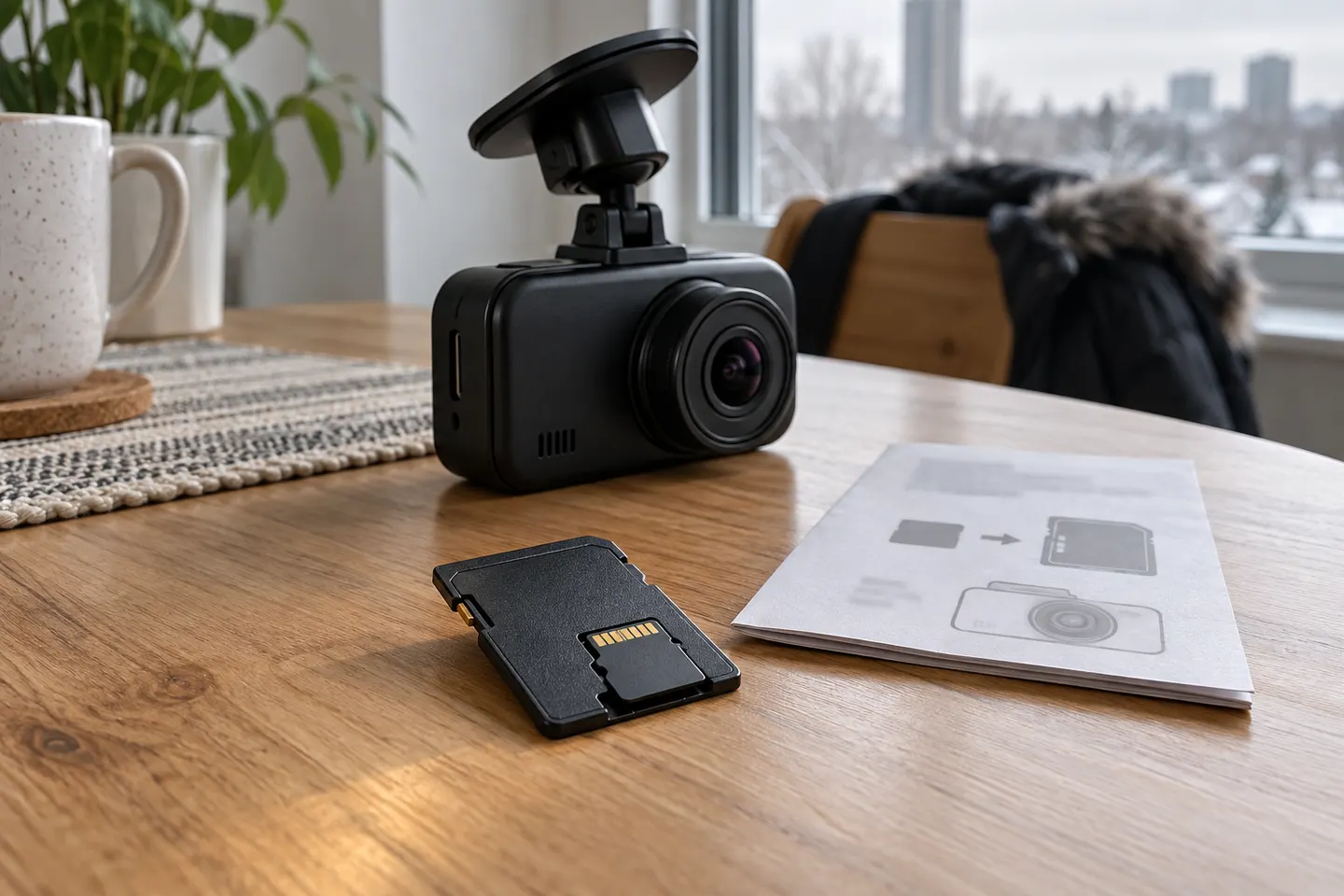 High endurance sd card
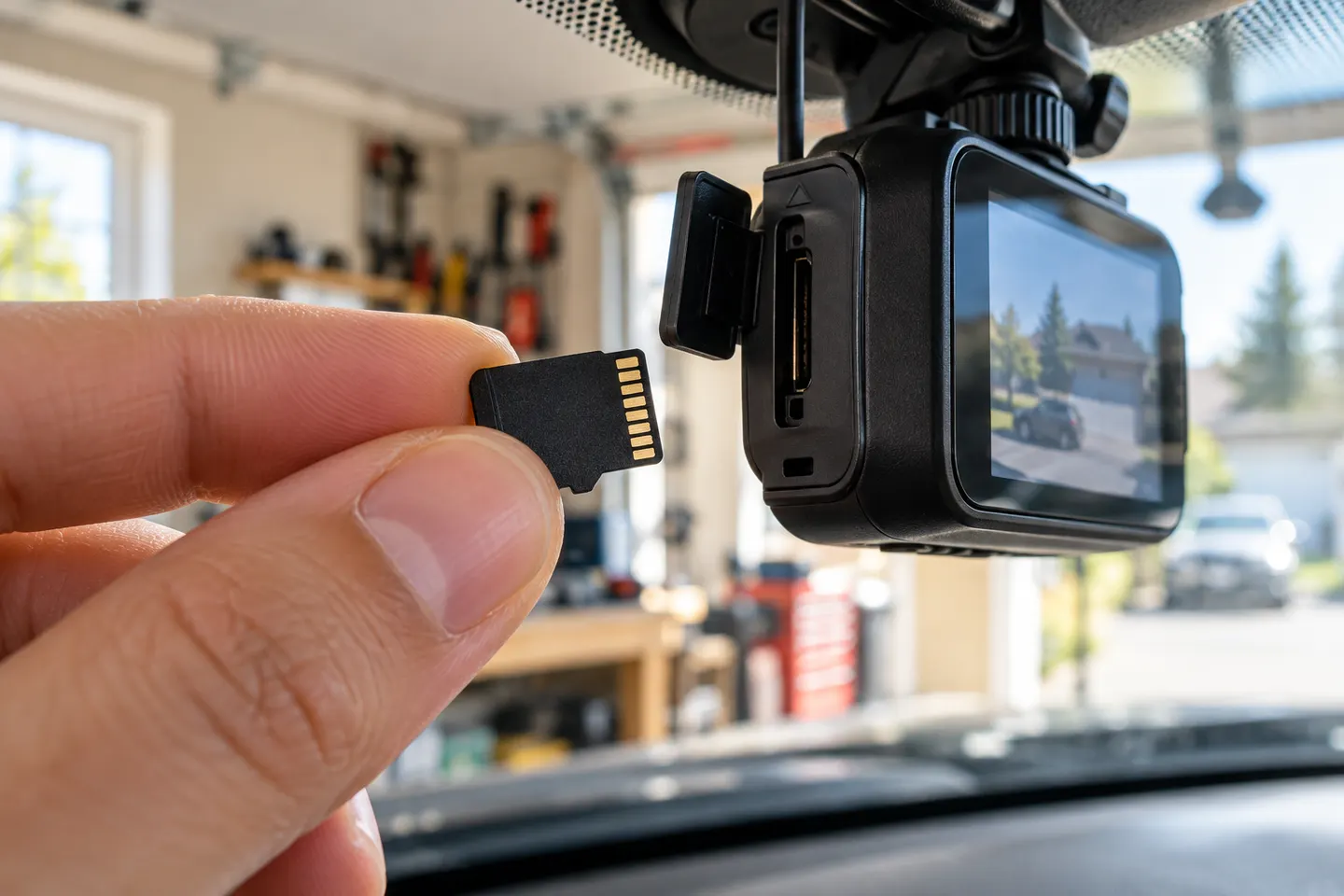 High endurance micro sd card
More topics
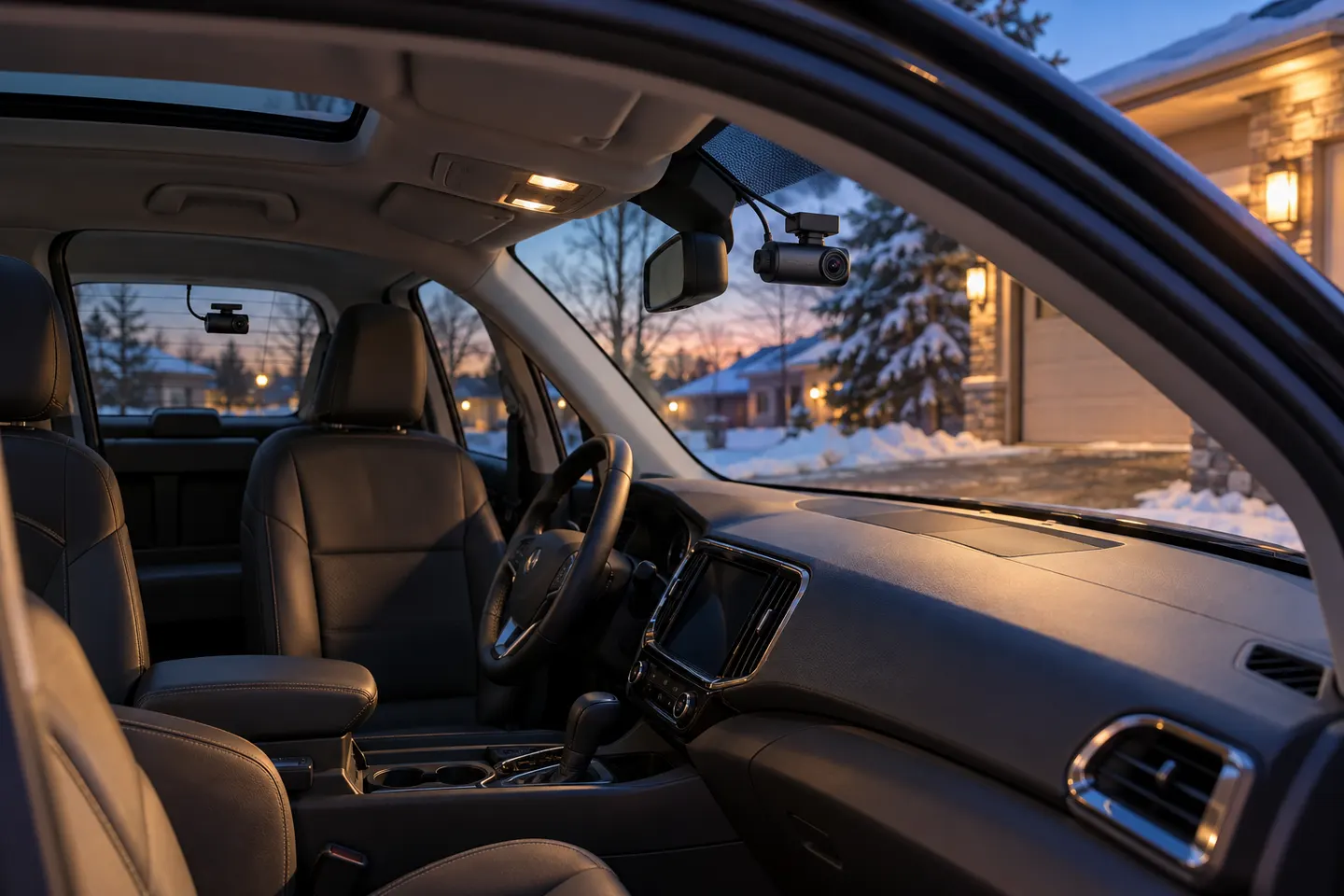 High-End Dash Cam Features Worth Paying Attention To
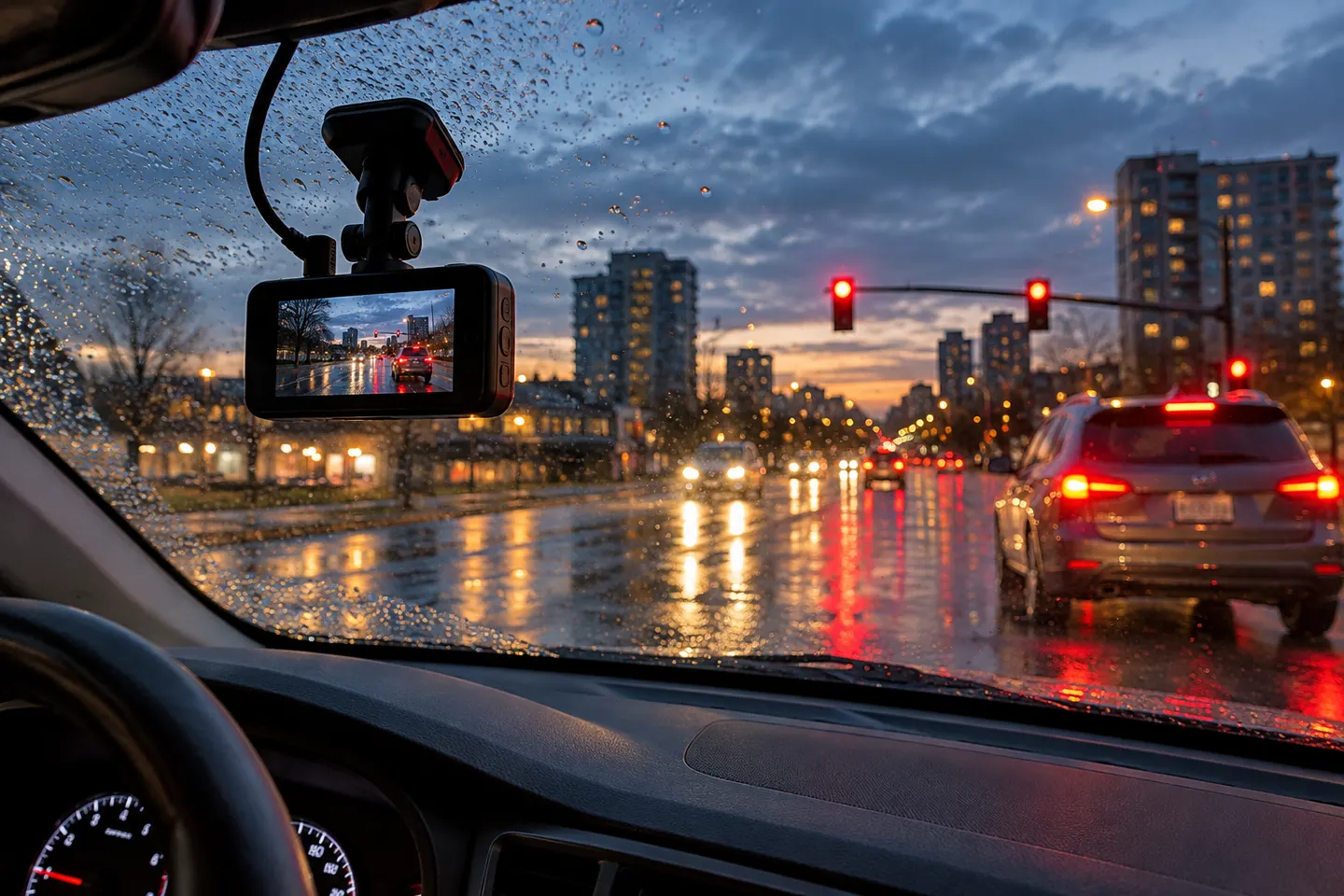 High-Quality Dash Cams
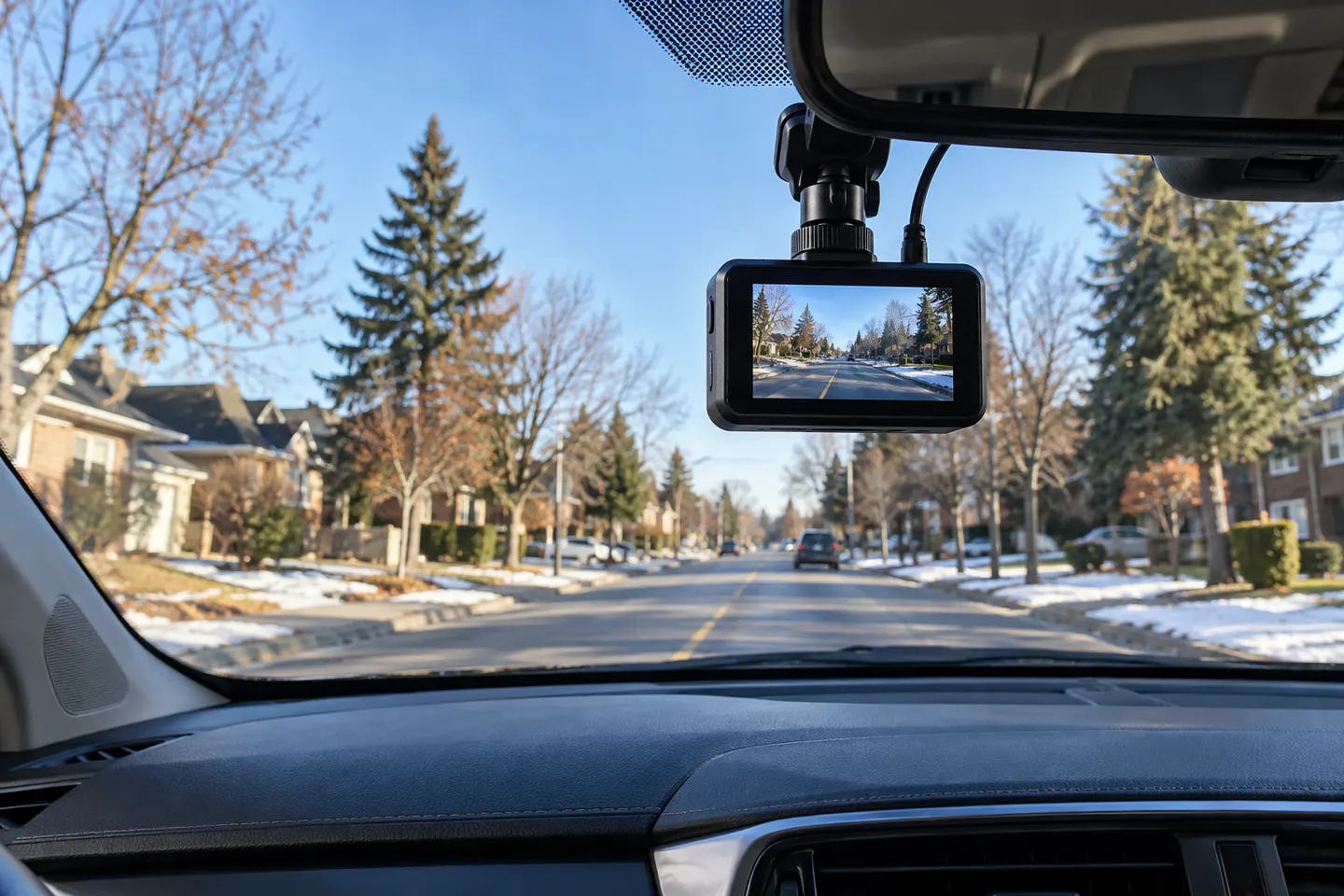 High Definition Dash Cams
Common questions
Questions before you buy
Is 1080p high definition enough for a dash cam?
It can be sufficient for general incident context, particularly with good exposure and bitrate. It provides less scope for cropping than 2K or 4K.
Does a 4K dash cam always capture licence plates?
No. Distance, motion, glare, darkness, compression and lens focus can all prevent a readable plate even at 4K.
What does HDR do on a dash cam?
HDR combines or balances exposure information to retain detail across bright and dark areas, such as headlights against a dark road.
Does higher dash cam resolution use more storage?
Generally yes. Resolution, frame rate, bitrate, codec and the number of active channels determine how quickly the card fills.