








 Official manufacturer image
Our picks
Top picks
Official manufacturer image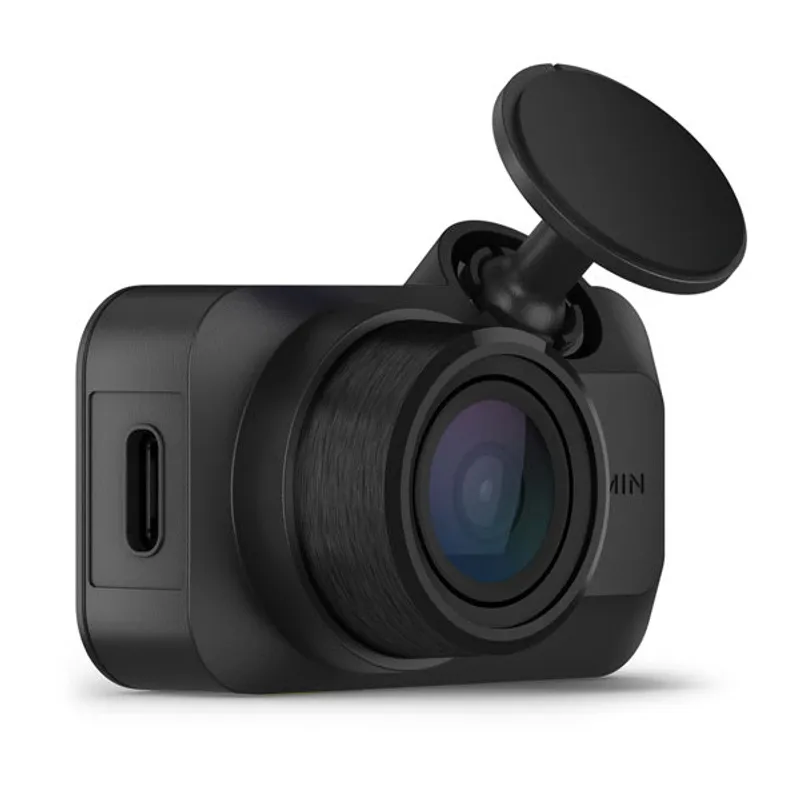 Official manufacturer image
Garmin Dash Cam Mini 3
Check price on Amazon.ca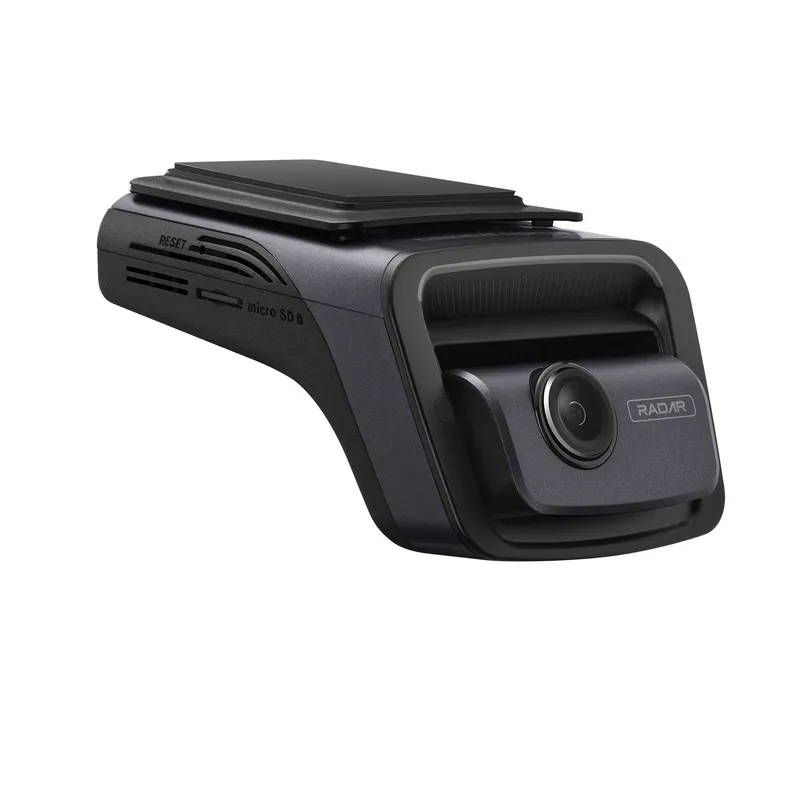 Official manufacturer image
Thinkware U3000
Check price on Amazon.caInstallation and accessories
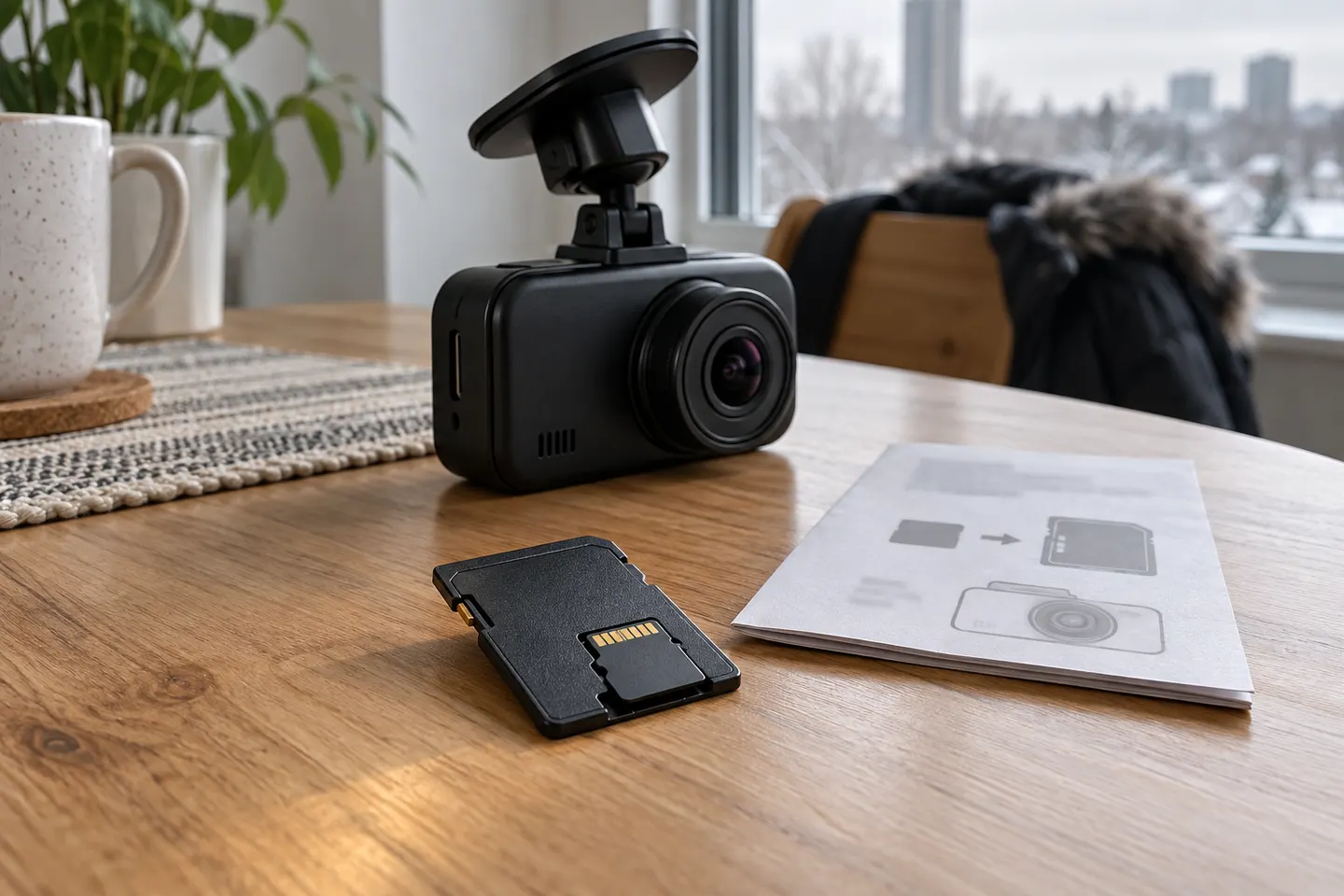 High endurance sd card
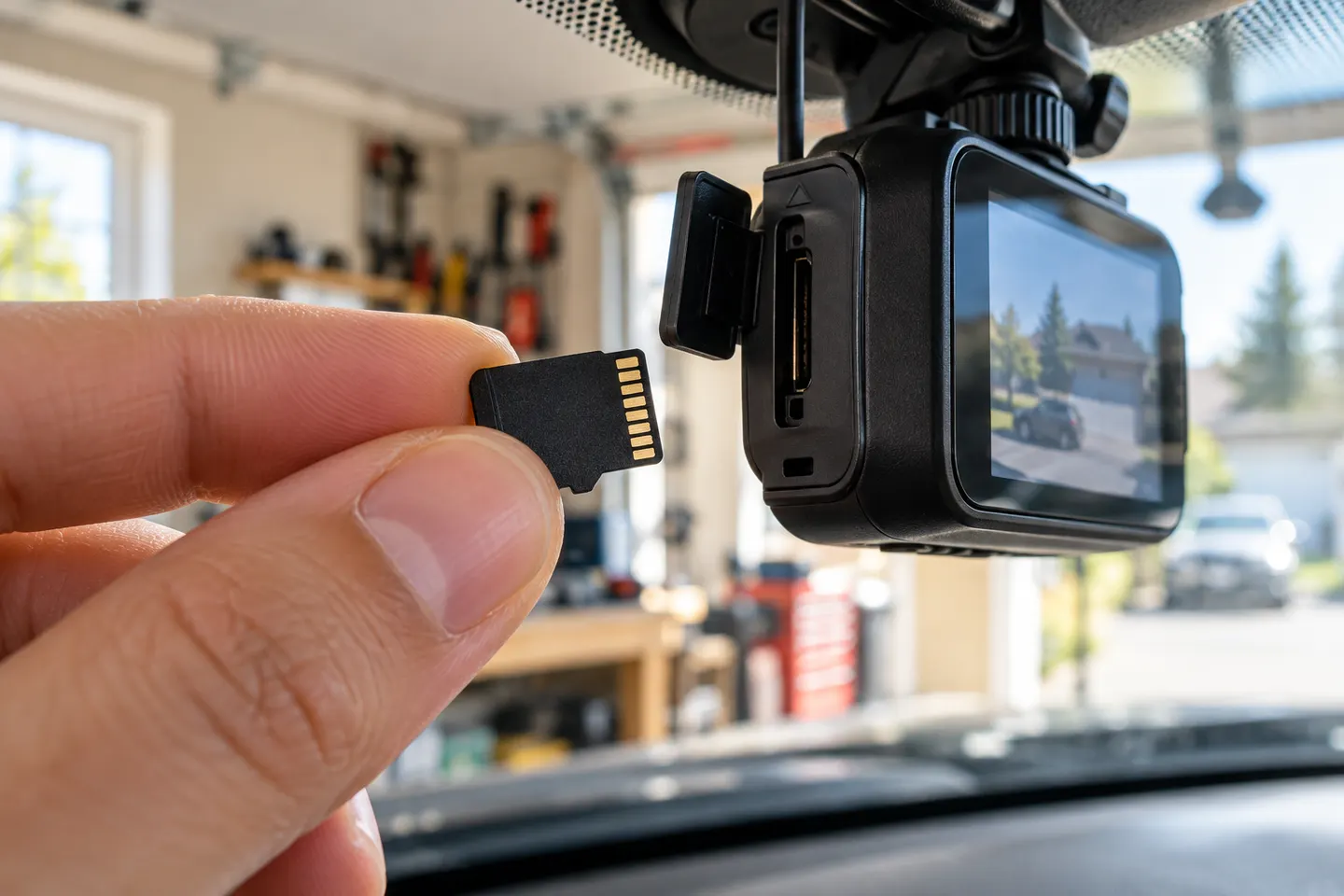 High endurance micro sd card
More topics
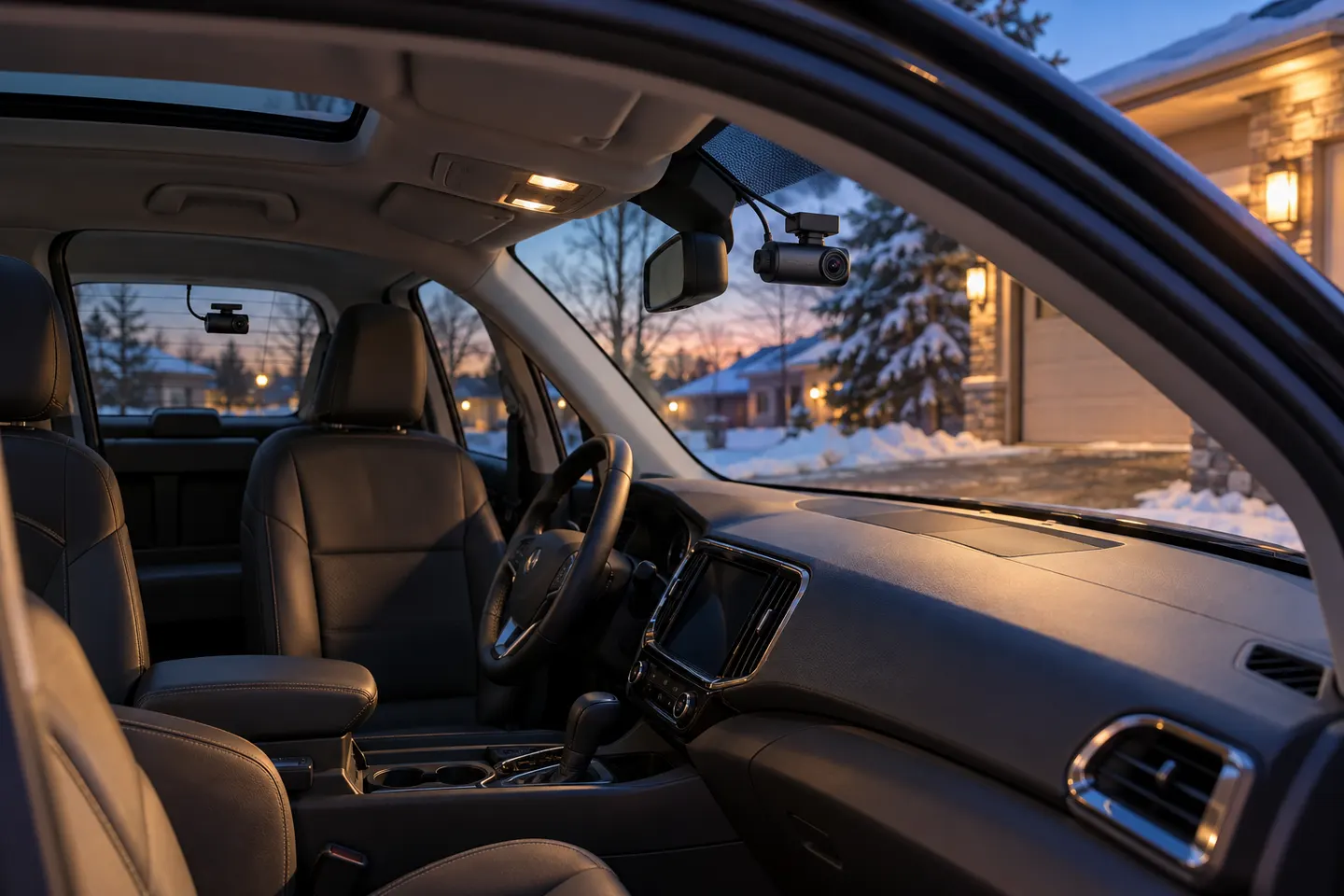 High-End Dash Cam Features Worth Paying Attention To
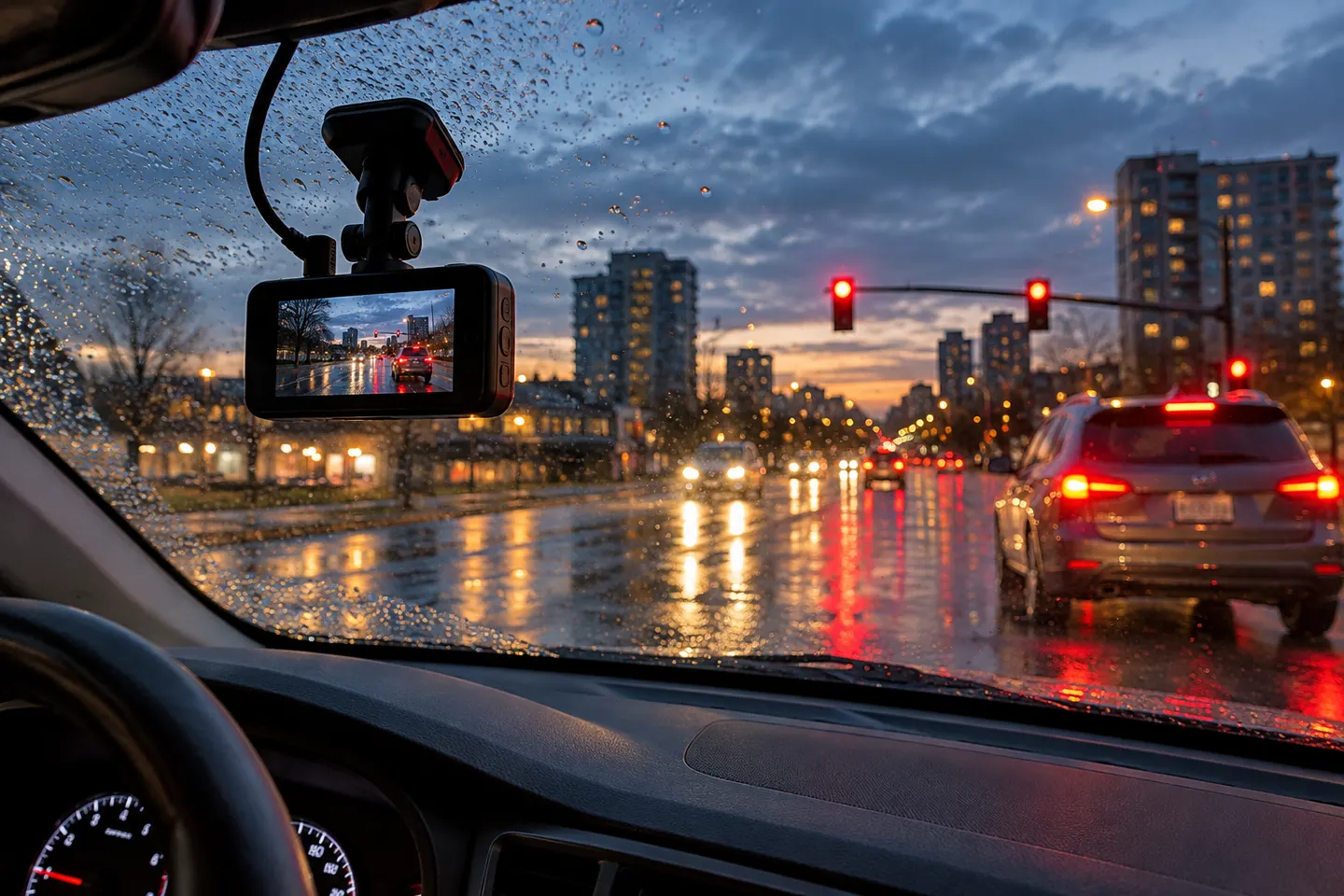 High-Quality Dash Cams
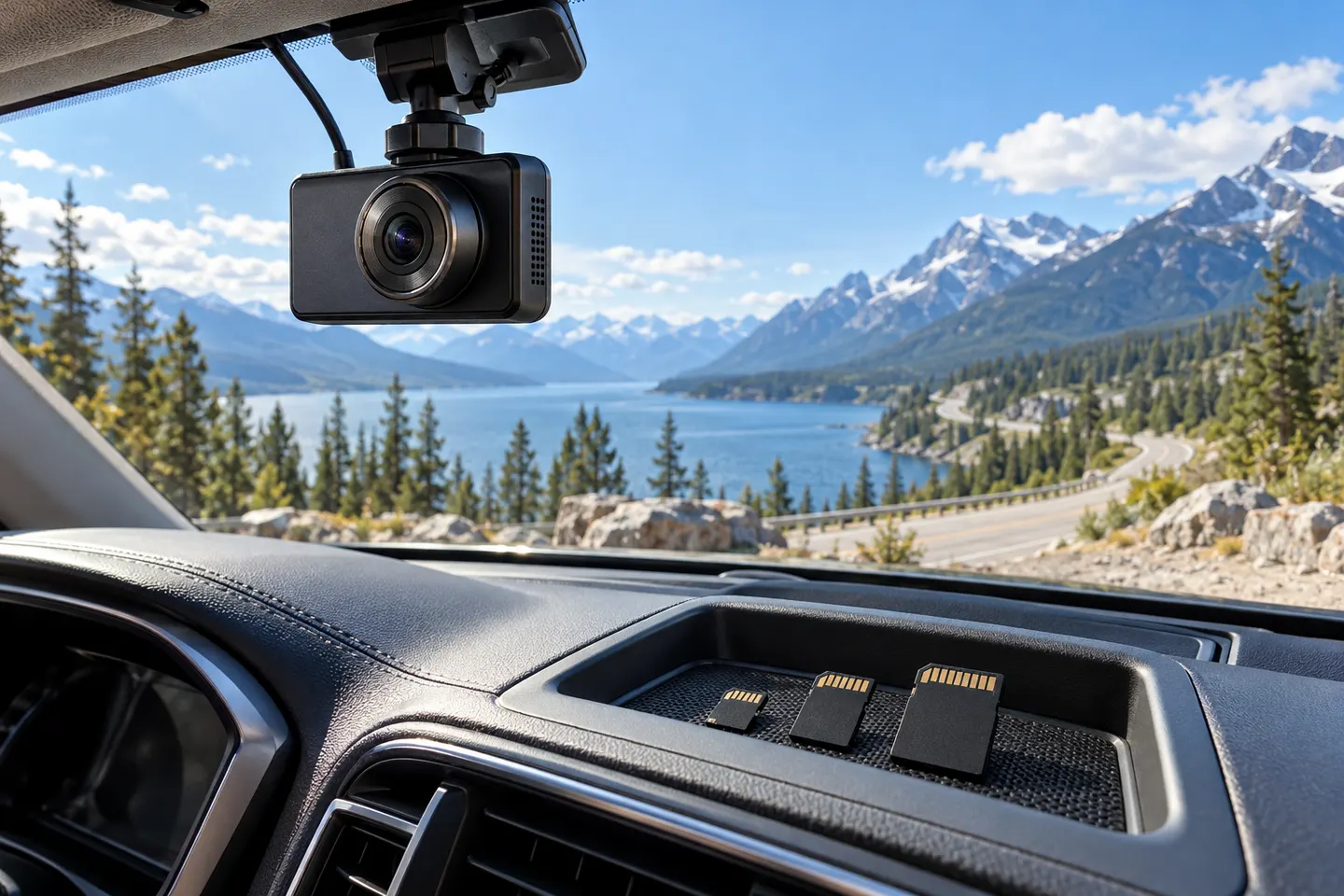 High-Definition Dash Cams
Common questions
Questions before you buy
Is 1080p high definition enough for a dash cam?
It can document the overall event, especially in daylight, but it preserves less fine detail than well-implemented 2K or 4K recording. Image processing and exposure remain important.
Is 4K always better than 2K for dash cams?
No. A strong 2K camera can outperform a weak 4K implementation in motion or low light. Compare sensor, bitrate, HDR, frame rate and independent footage where available.
What does HDR do on a dashcam?
HDR aims to balance bright and dark areas, which can help around headlights, shadows and changing light. Results depend on the camera's implementation and recording mode.
Does a wider dash cam lens capture more detail?
It captures more of the scene, but spreads pixels across a wider view and can distort edges. Choose enough coverage for adjacent lanes without treating maximum width as automatically superior.