








 Official manufacturer image
Our picks
Top picks
Official manufacturer image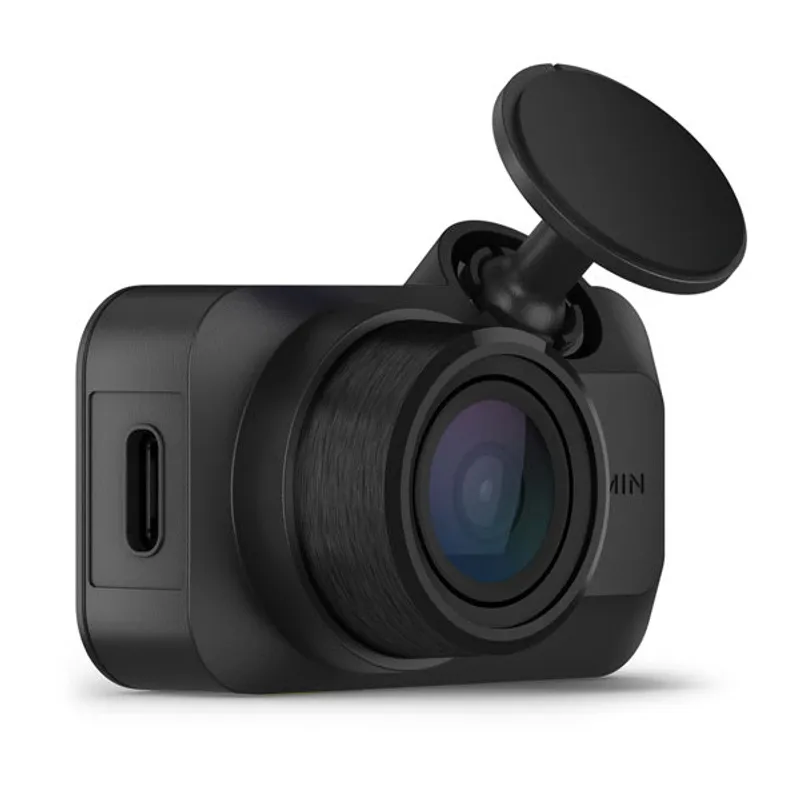 Official manufacturer image
Garmin Dash Cam Mini 3
Check price on Amazon.ca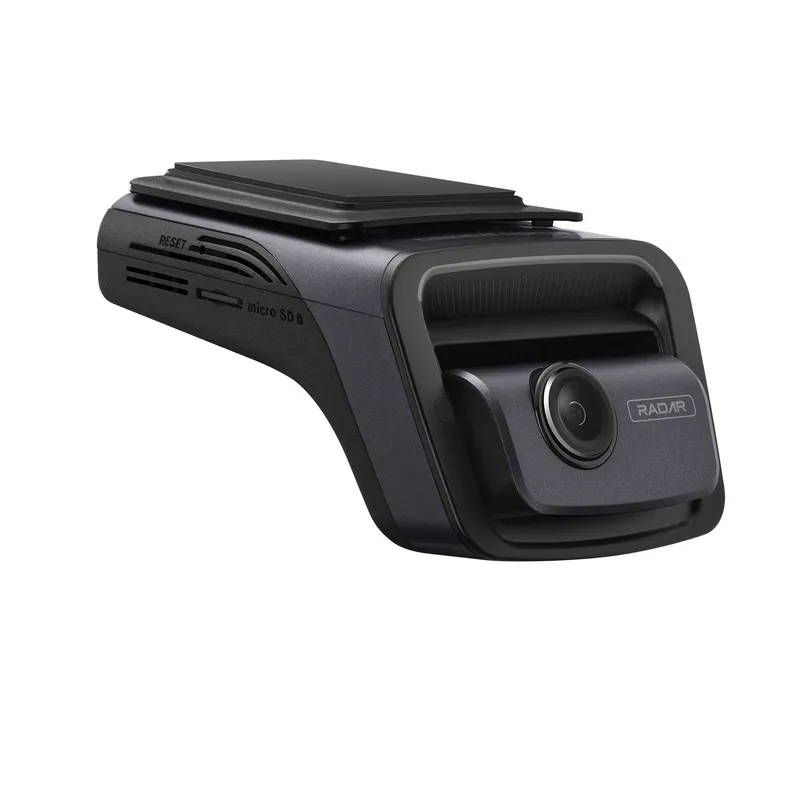 Official manufacturer image
Thinkware U3000
Check price on Amazon.caBy vehicle
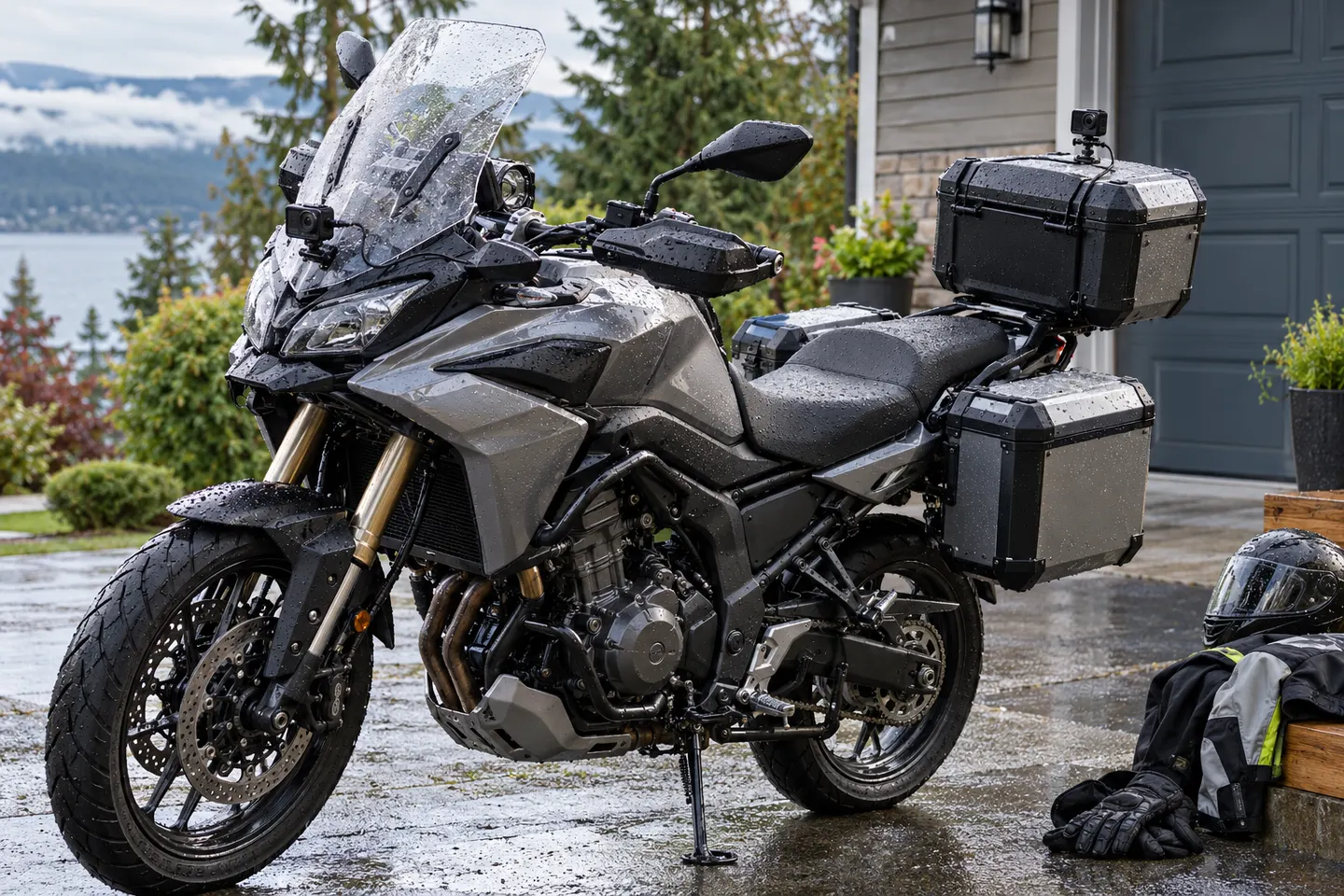 Motorcycle
By feature
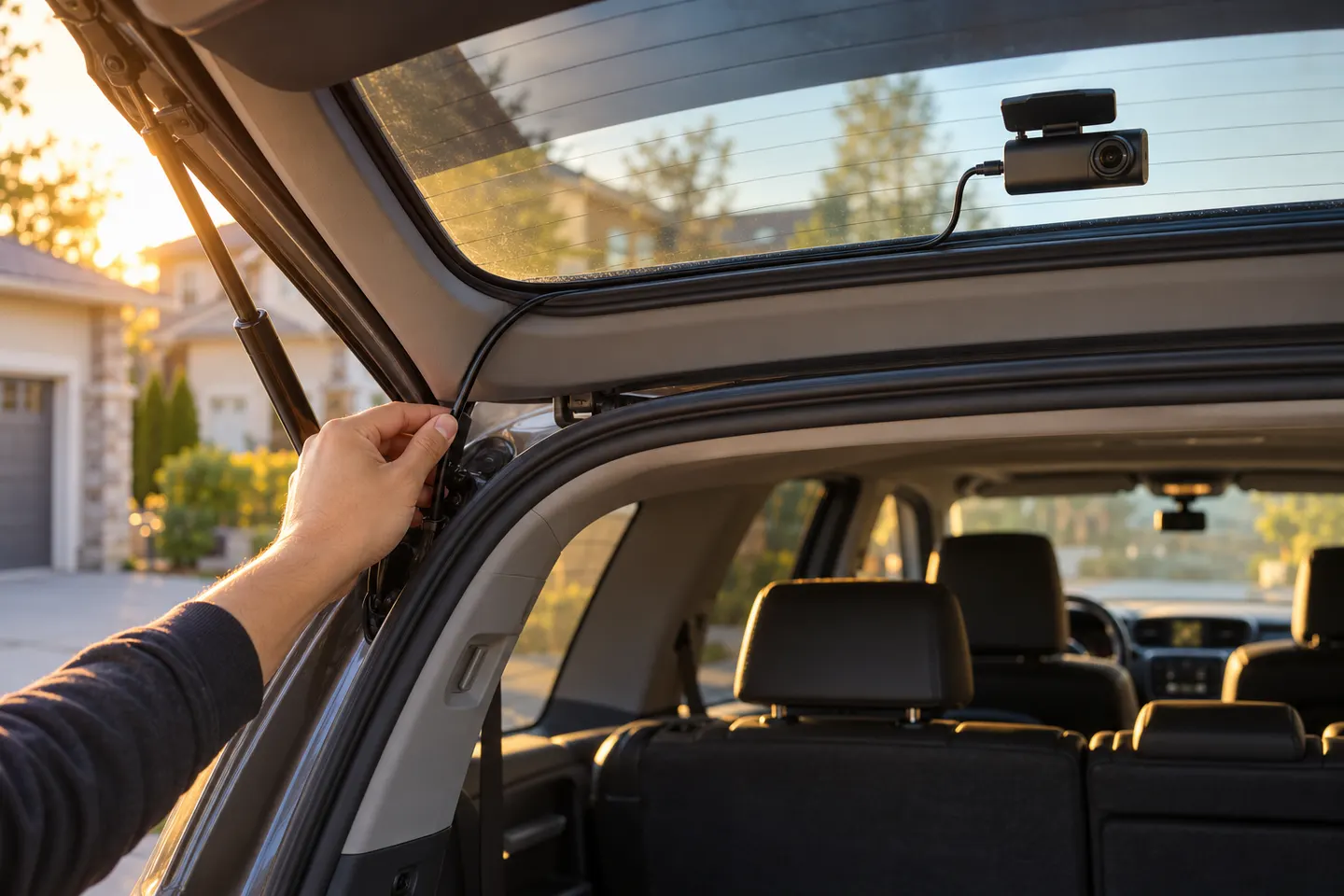 Front rear
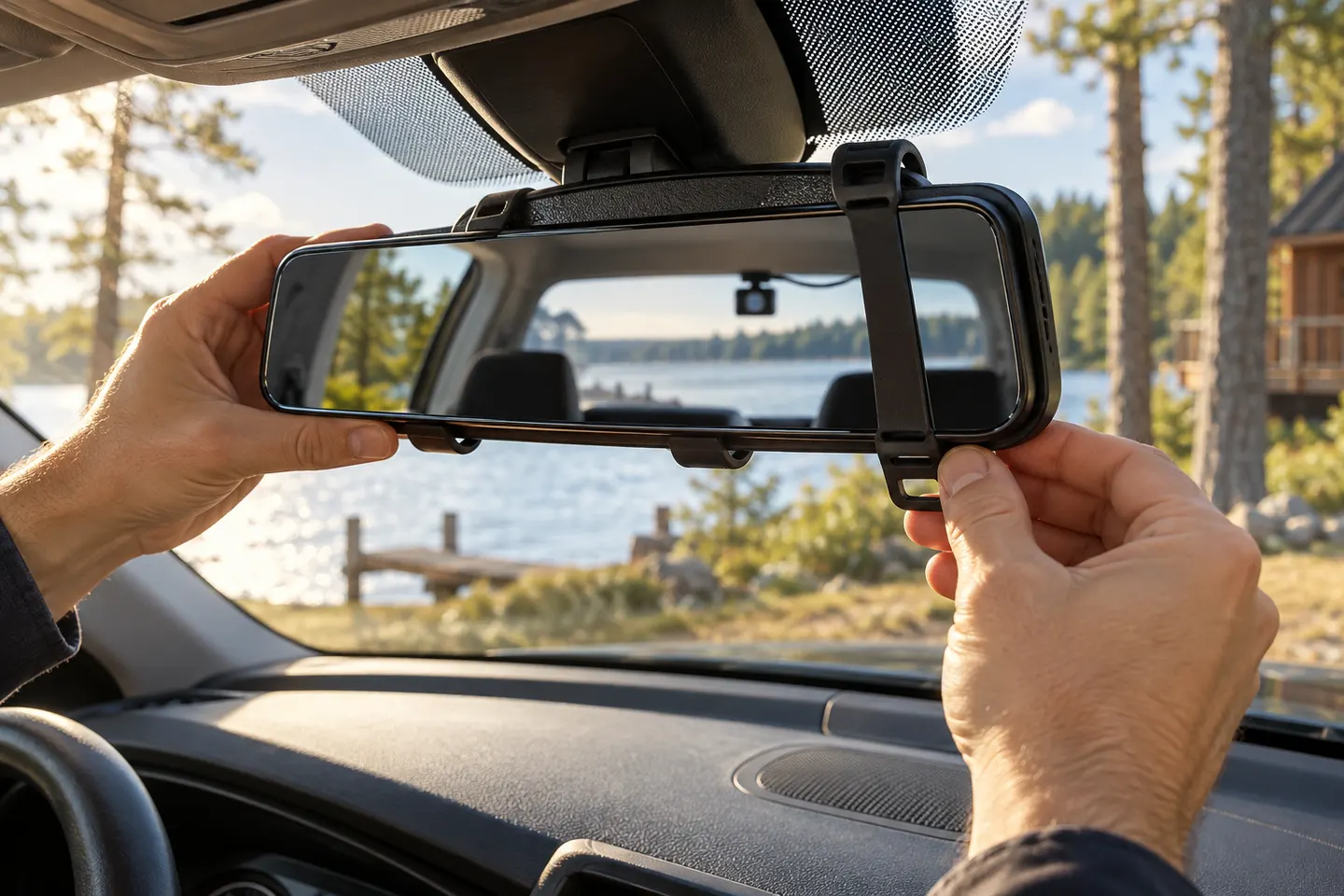 Rear view mirror
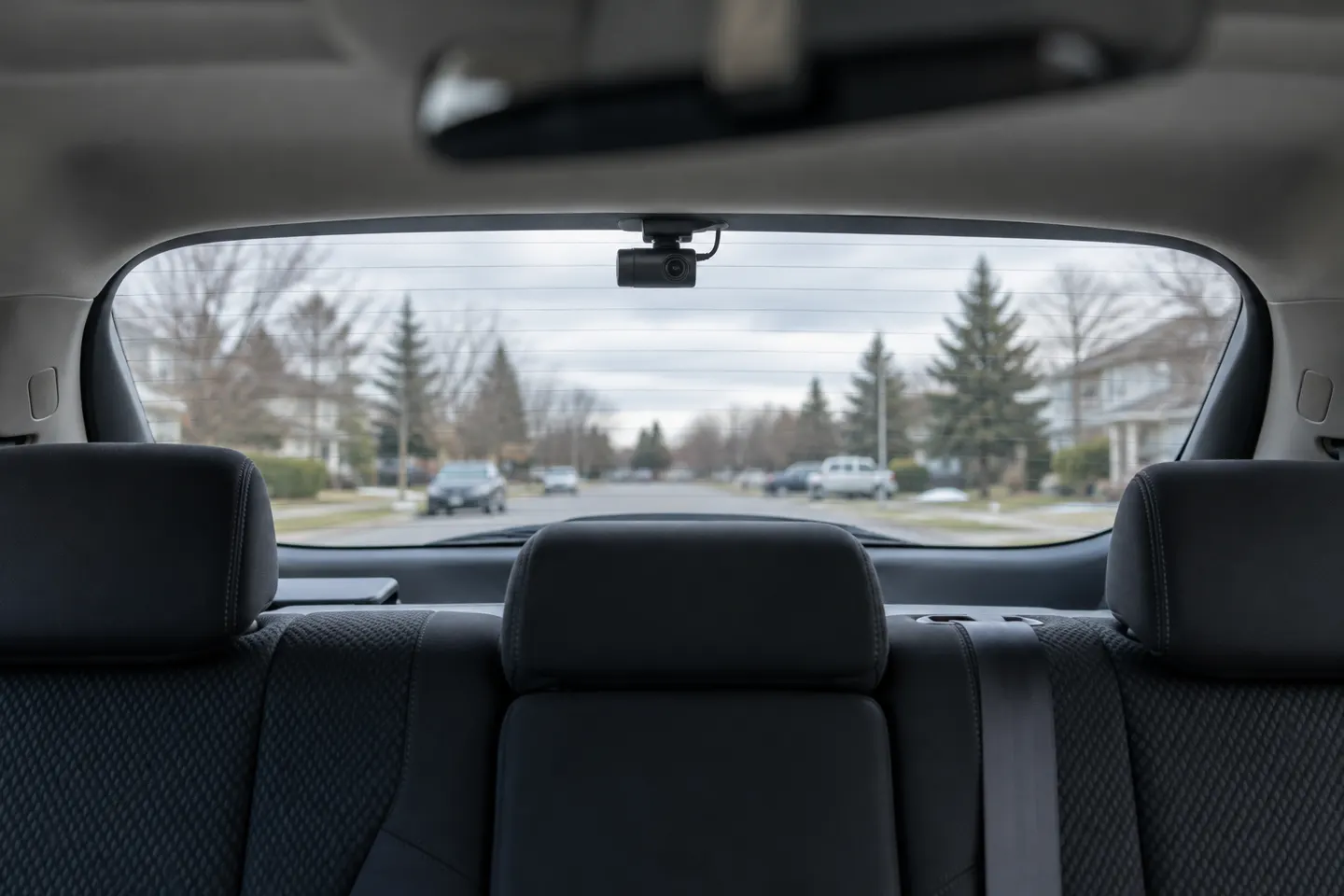 Rear
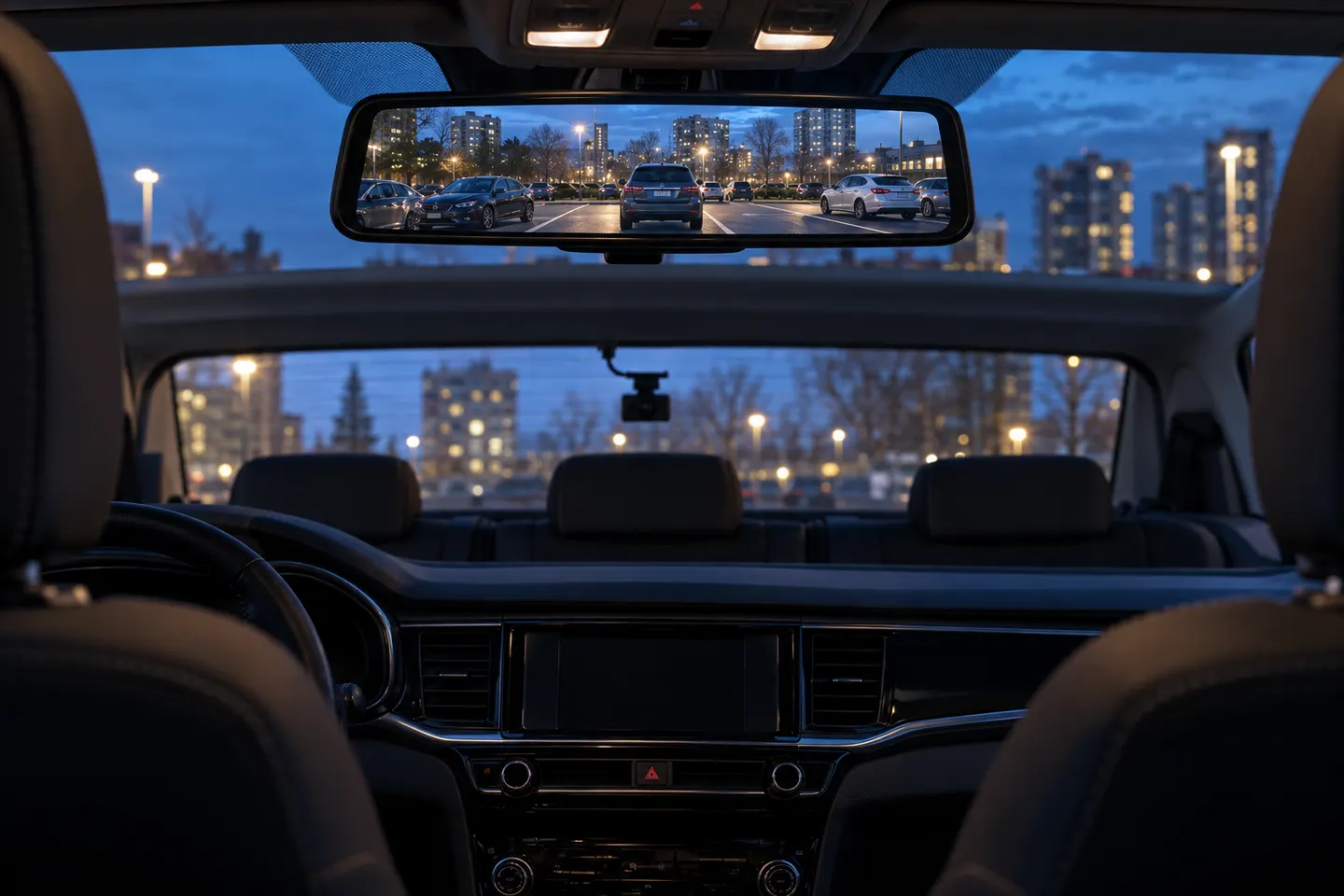 Rear view
Show all (6)
Common questions
Questions before you buy
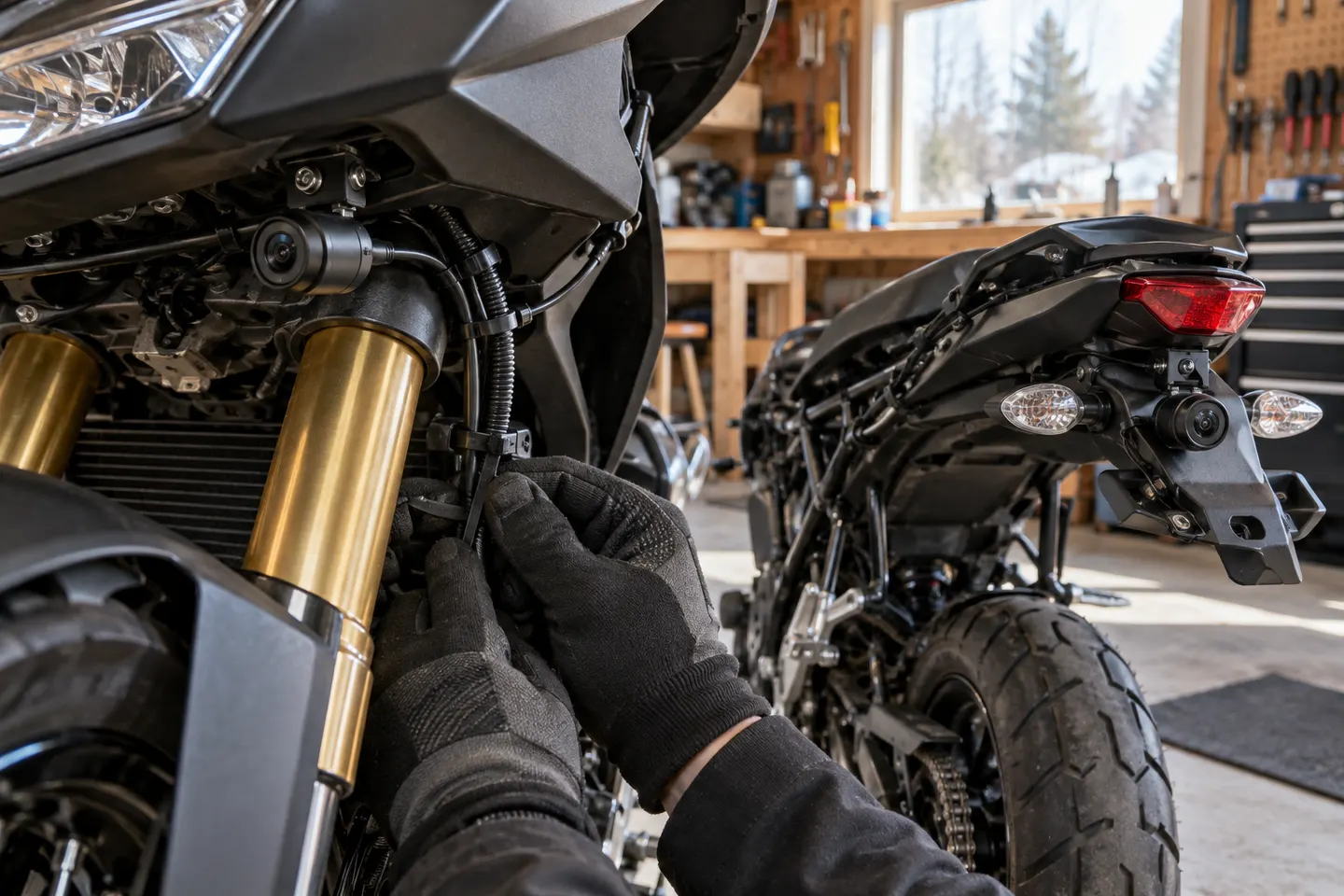
Where should front and rear motorcycle cameras be mounted?
Choose rigid, unobstructed positions that do not interfere with controls or moving parts, following the maker's orientation and clearance instructions.
Does a motorcycle dash cam drain the battery?
It can if permanently powered. Use the supplied hardwire module and its low-voltage protection, especially for parking mode.
Are motorcycle dash cams waterproof?
Only where the maker specifies an ingress rating for each exposed camera and connector. The main recorder may still require sheltered placement.
Is a helmet camera a substitute for a dual motorcycle dash cam?
It can record where you look, but it needs charging and may not cover the rear continuously. A hardwired dual system starts with the bike when installed correctly.