








 Official manufacturer image
Our picks
Top picks
Official manufacturer image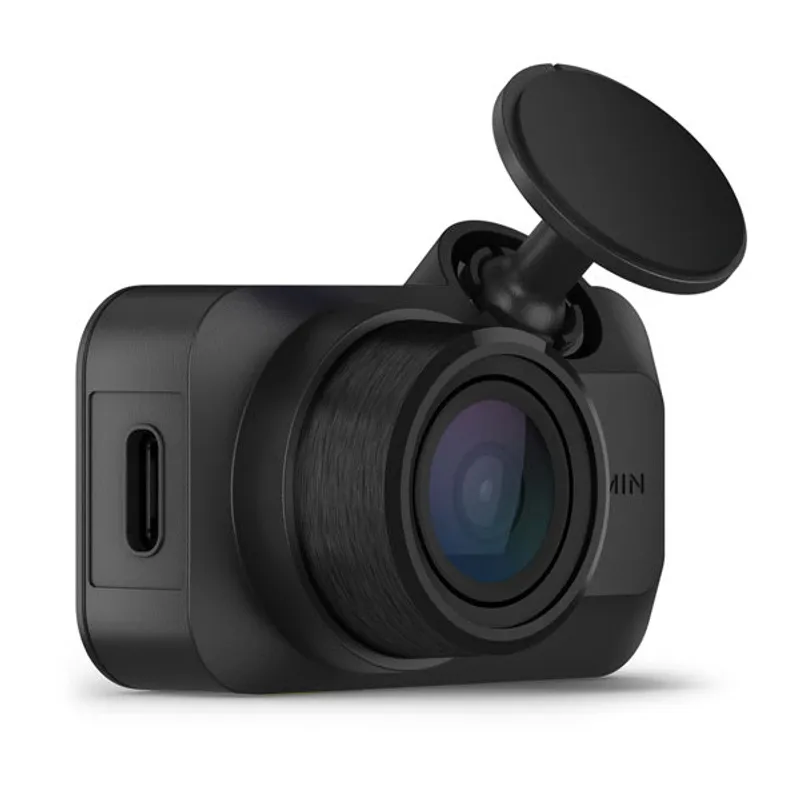 Official manufacturer image
Garmin Dash Cam Mini 3
Check price on Amazon.ca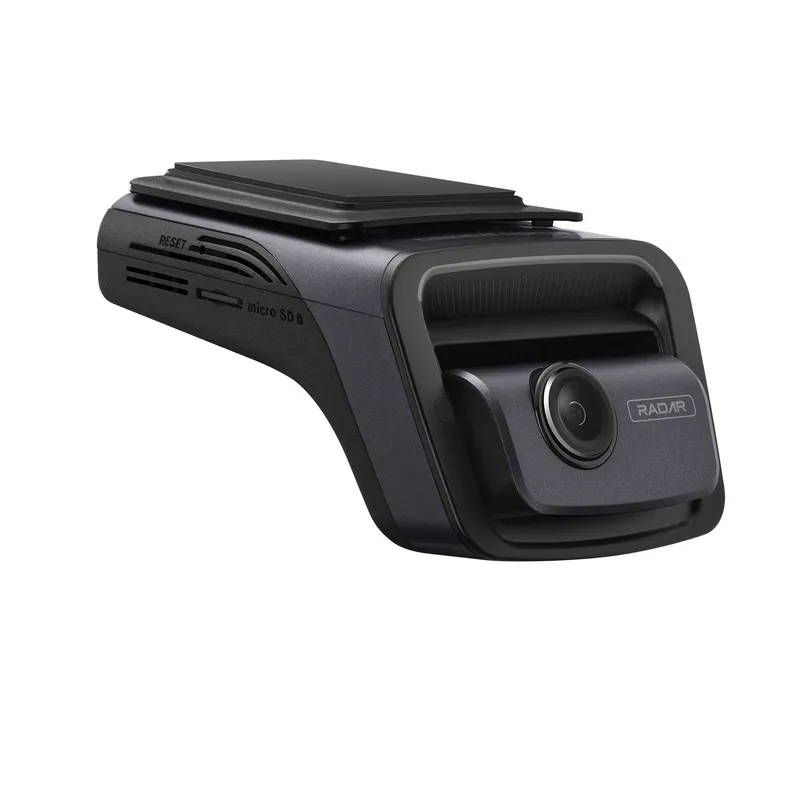 Official manufacturer image
Thinkware U3000
Check price on Amazon.caHow-to guides
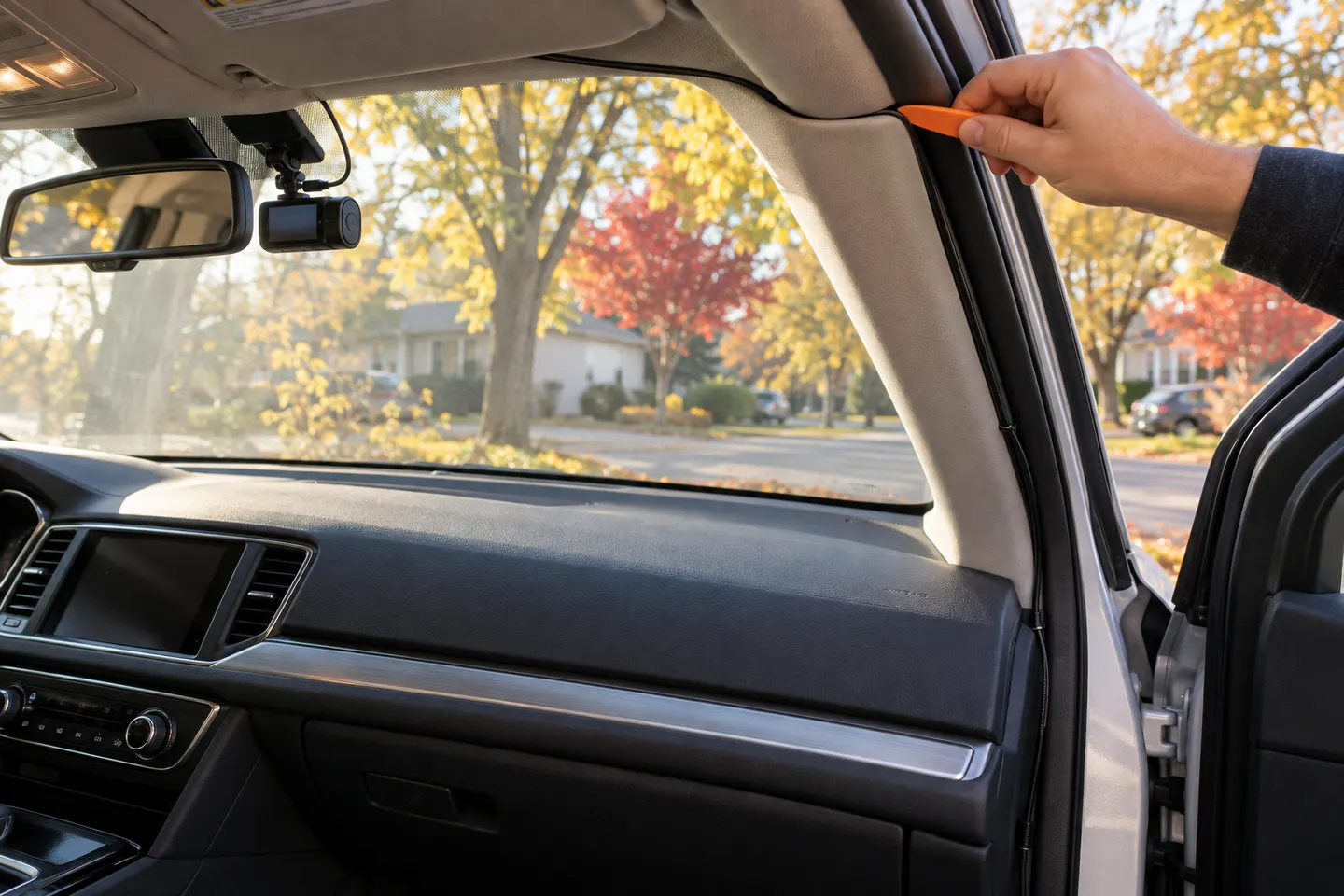 How to Wire a Dash Cam Safely and Neatly
More topics
Common questions
Questions before you buy
Are dash cam power cables interchangeable?
Not necessarily. Connector, voltage, current and wiring may differ, so use a cable listed for the exact camera.
What wires are in a dash cam hardwire kit?
Many kits use constant-power, ignition-switched and ground connections, but layouts vary. Follow the kit's labelled instructions.
Can I extend a rear dash cam cable?
Only with an extension approved for that camera system. An unsuitable cable can cause signal, fit or reliability problems.
How do I hide a dashcam wire safely?
Route it along suitable trim while maintaining clearance from airbags, controls and moving parts. Seek professional help if trim and airbag paths are uncertain.