








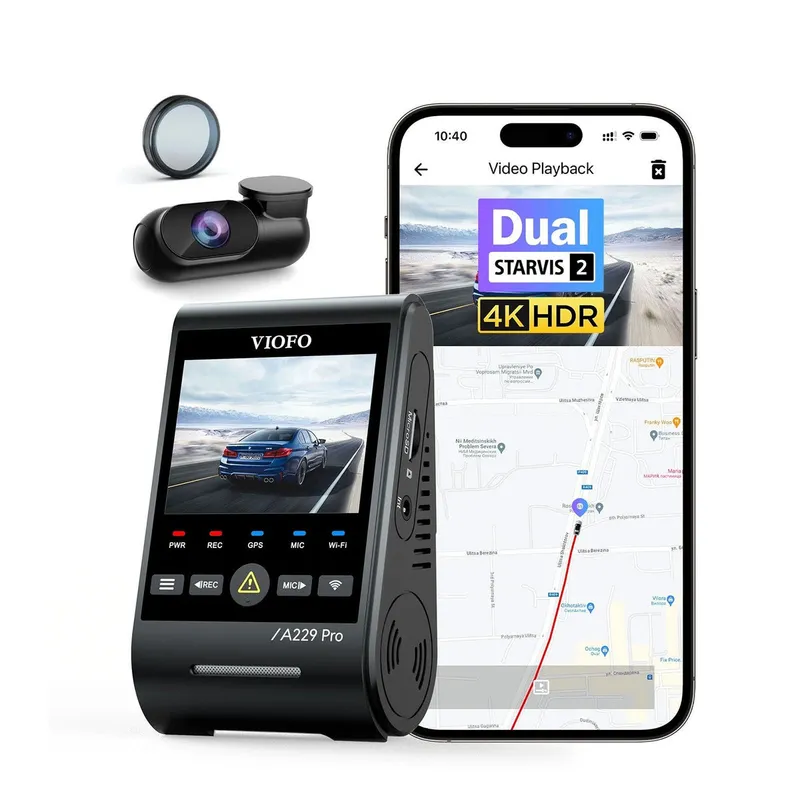
 Official manufacturer image
Our picks
Top picks
Official manufacturer image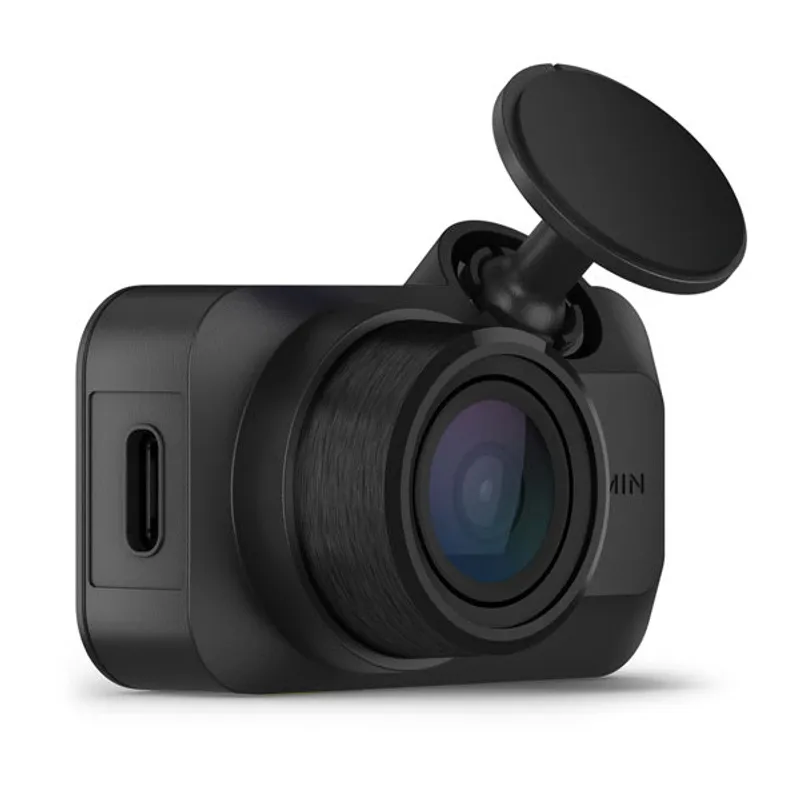 Official manufacturer image
Garmin Dash Cam Mini 3
Check price on Amazon.ca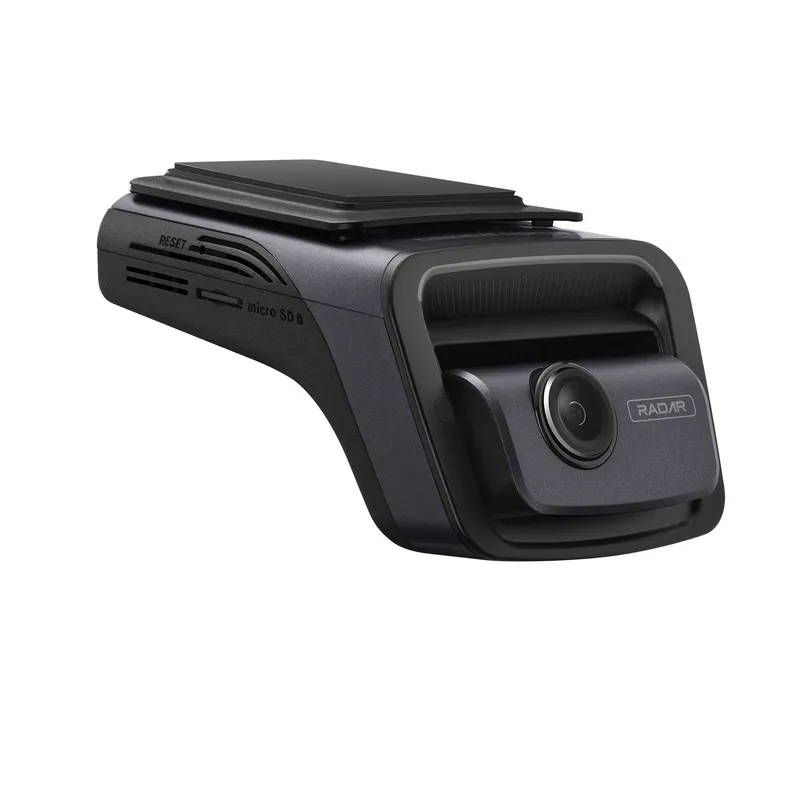 Official manufacturer image
Thinkware U3000
Check price on Amazon.caCommon questions
Questions before you buy
Is it better to hardwire a dash cam?
Hardwiring gives a cleaner installation and can support parking mode, but a plug-in lead is easier to move or remove. The better choice depends on your camera and vehicle.
Can a wired dash cam drain a car battery?
A parking-mode installation can draw power while the engine is off. Use the manufacturer's compatible kit with low-voltage protection and follow its settings.
Can I install a wired dash cam myself?
A plug-in setup is often straightforward. Fuse-box work and cable routing near airbags are better handled by a qualified installer if you are unsure.
Where should dash cam wires run?
They should be secured along trim without obstructing vision, controls, pedals or airbags. Consult the vehicle and camera instructions before removing trim.