







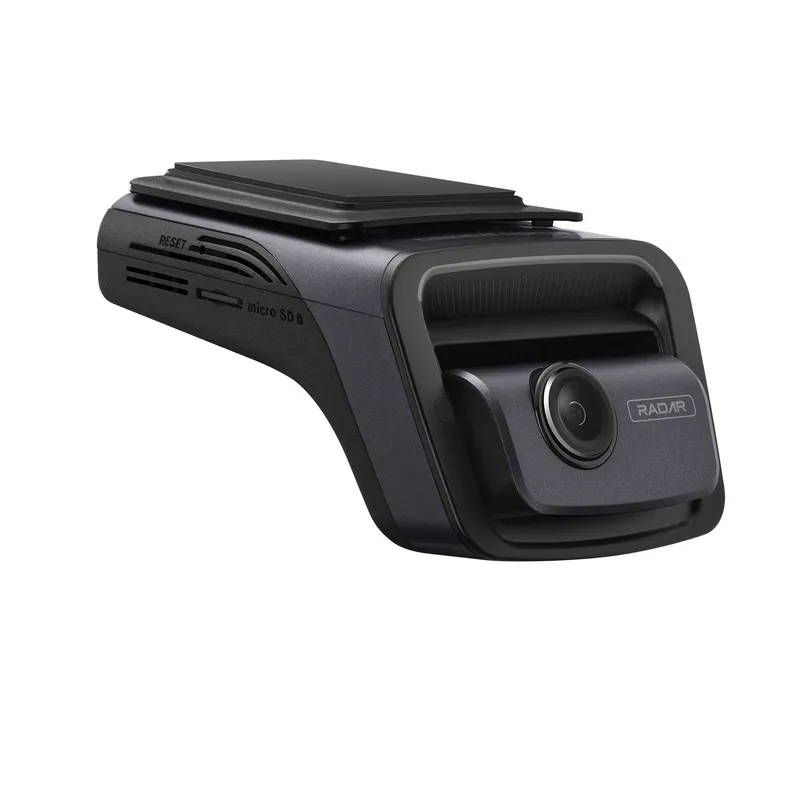
 Official manufacturer image
Our picks
Top picks
Official manufacturer image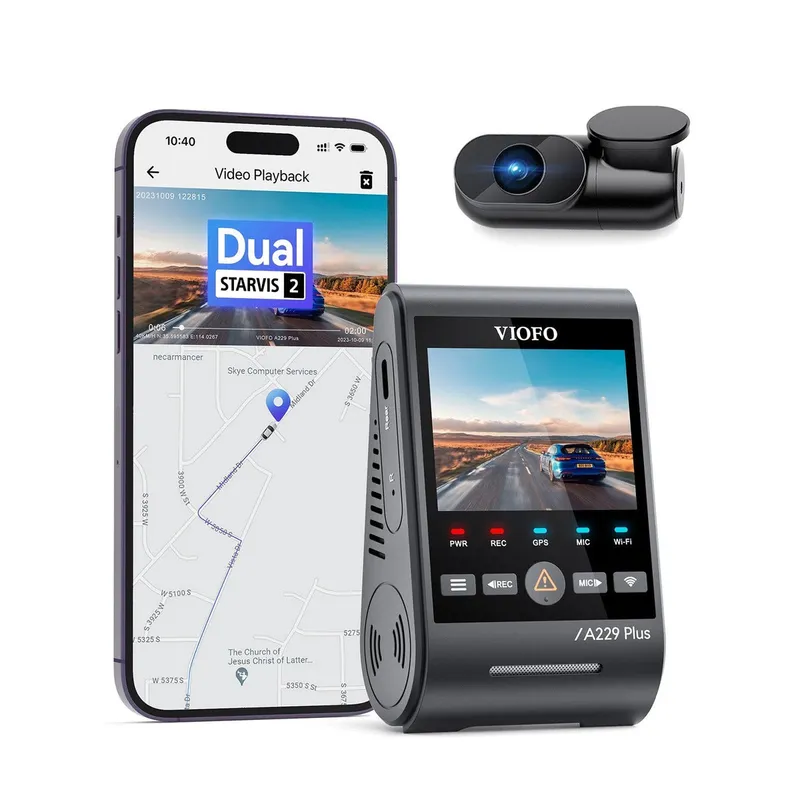 Official manufacturer image
VIOFO A229 Plus 2CH
Check price on Amazon AU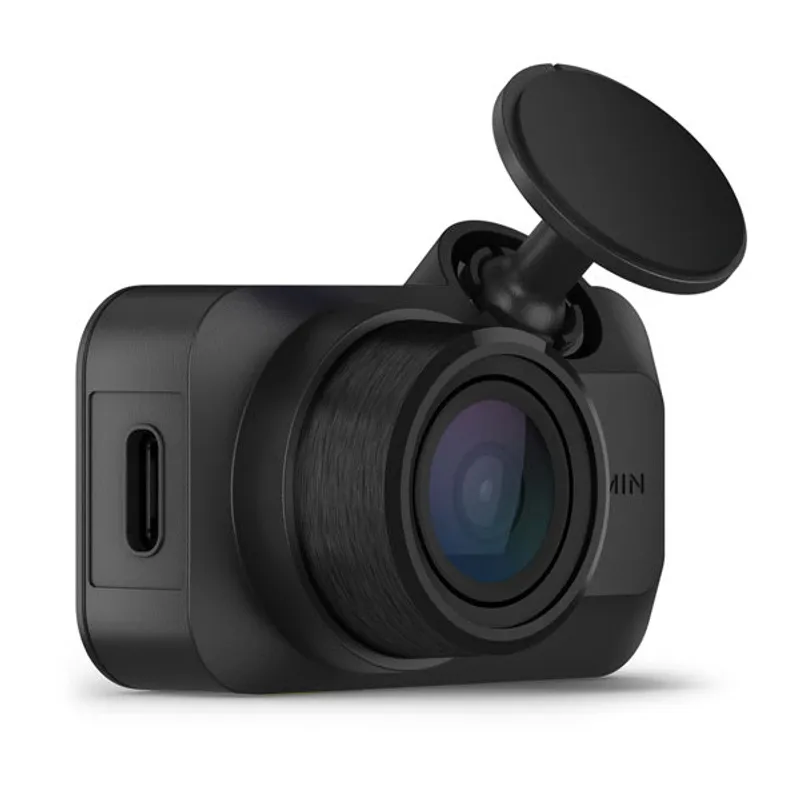 Official manufacturer image
Garmin Dash Cam Mini 3
Check price on Amazon AUCommon questions
Questions before you buy
What is the difference between wired and hardwired dash cams?
A plug-in camera uses a visible socket cable, while a hardwired installation connects through the vehicle's electrical system with a compatible kit.
Does a dash cam need to be hardwired?
Not for normal driving recording. Hardwiring is commonly needed for automatic parking mode and a concealed installation.
Can I hardwire a dash cam myself?
It is possible with the correct kit and vehicle knowledge, but fuse and airbag routing mistakes can be unsafe. Professional fitting is the safer choice if unsure.
What does low-voltage protection do?
It cuts dashcam power at a configured battery-voltage threshold to reduce excessive vehicle-battery discharge.