Trail Running Headlamps: Compare Fit, Beam and Runtime
A trail-running headlamp needs a stable fit and a beam that makes terrain readable. Compare bounce control, beam spread, weather protection and runtime.
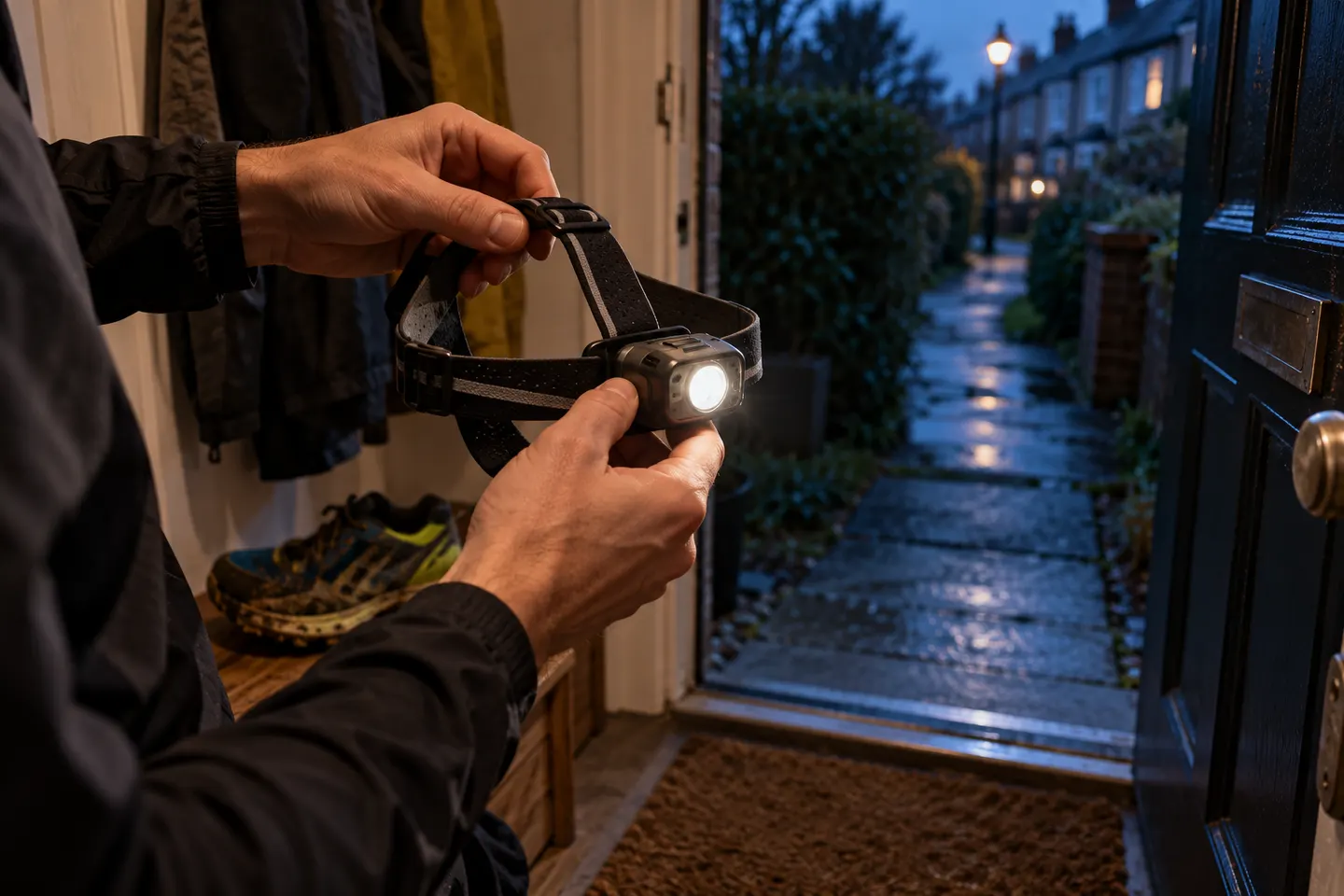
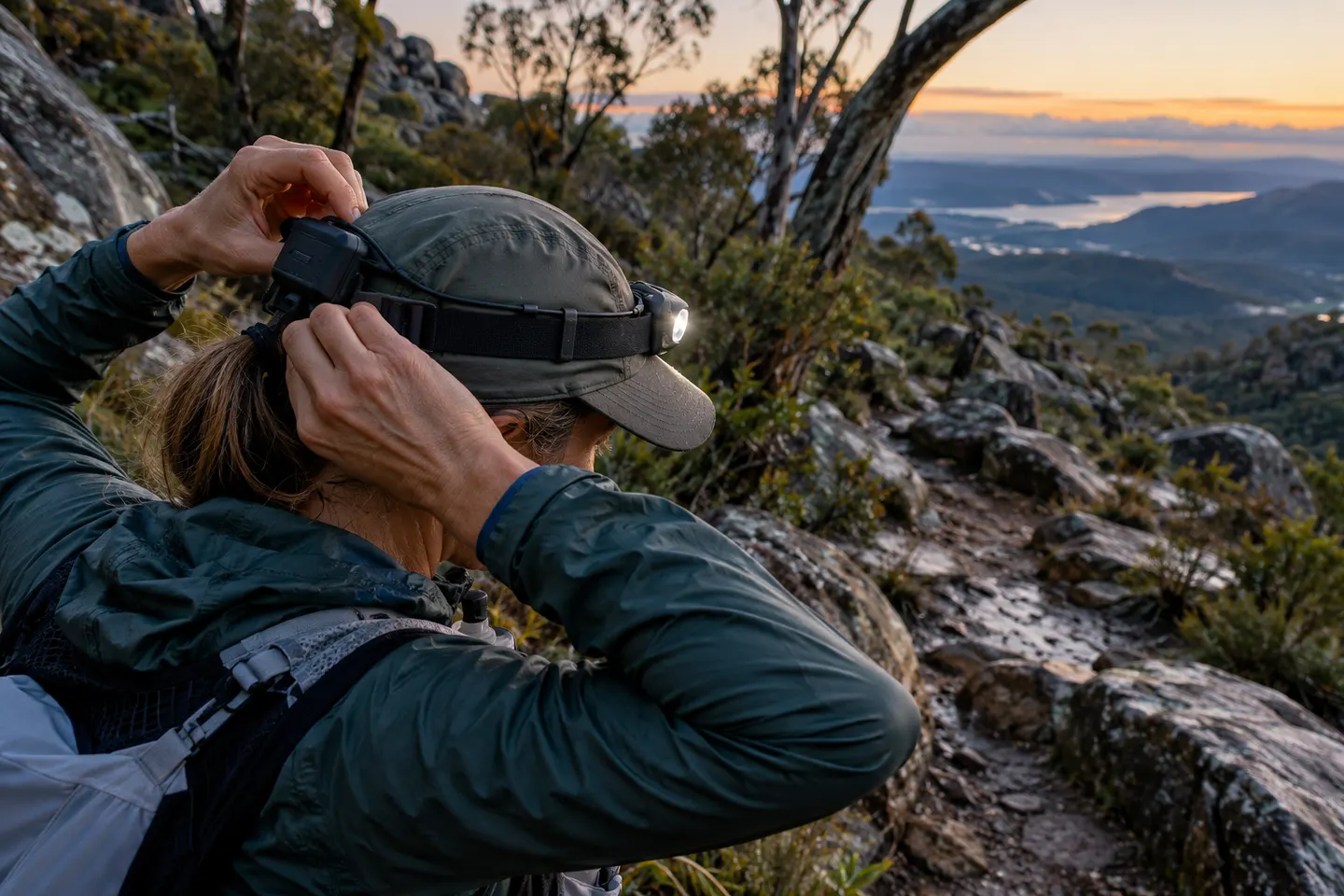
A trail running headlamp is a moving-light choice: fit and beam consistency matter as much as headline brightness. Look for a secure band, controls you can operate with gloves, and a beam pattern that reveals both the route ahead and nearby footing.
For most night runners, the Black Diamond Distance LT 1100 pairs a stable, running-focused design with a high-output beam. The Petzl SWIFT RL suits runners who want adaptive lighting, while lighter and lower-output choices cover shorter routes.
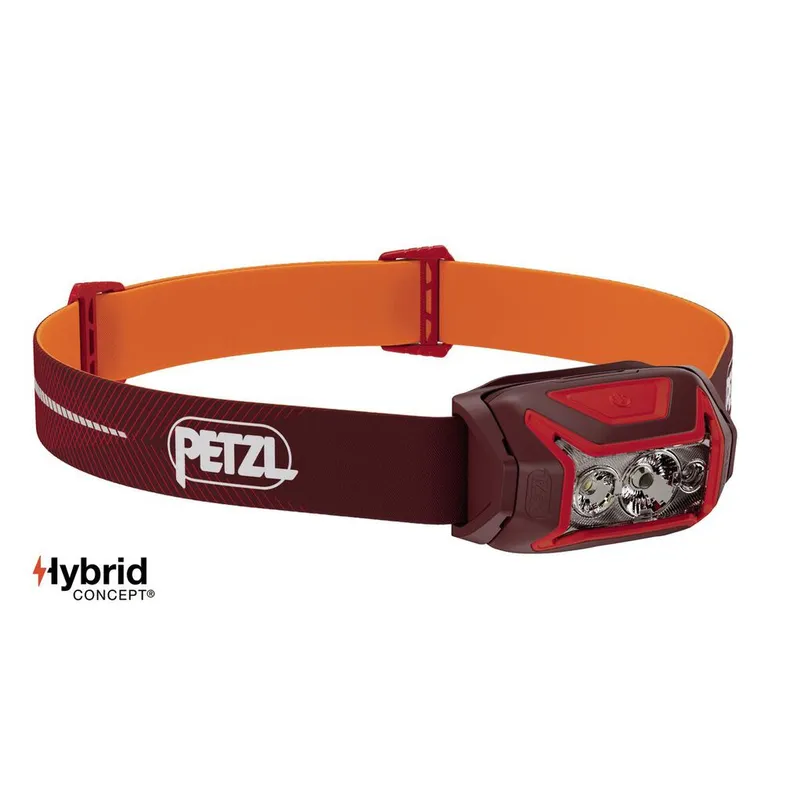
Petzl SWIFT RL is our balanced pick for its mixed beam and removable rechargeable battery. BioLite HeadLamp 800 Pro suits cold-weather outings with pass-through power; Petzl ACTIK CORE is a simpler hybrid option.
Petzl NAO RL is the feature-rich pick for long night races; Black Diamond Distance 1500 suits runners who want a swappable battery, while Petzl SWIFT RL is a lighter alternative.
Common questions
Questions before you buy
How many lumens do I need for trail running?
It depends on speed, terrain and ambient light. Compare beam distance and width at sustained modes rather than relying on peak output.
How do I stop a running headlamp bouncing?
Adjust the band snugly, use a top strap if supplied, and balance the lamp as designed. Check the fit while moving before a long run.
Is a waist light better than a headlamp for trail running?
A waist light changes shadow direction and can complement a headlamp, but does not replace hands-free light aimed with your gaze. Some runners prefer both.
Should I carry a spare light on a night trail run?
For remote or long routes, a backup light or power option reduces dependence on one battery. Follow event and local safety guidance.
Your privacy
We use cookies and similar technologies. Necessary ones keep the site working. With your permission we also use statistics cookies (Google Analytics and Microsoft Clarity) to understand which guides help readers. You can accept all, reject all or choose. You can change your choice at any time from "Cookie settings" at the bottom of every page. Cookie policy










 Official manufacturer image
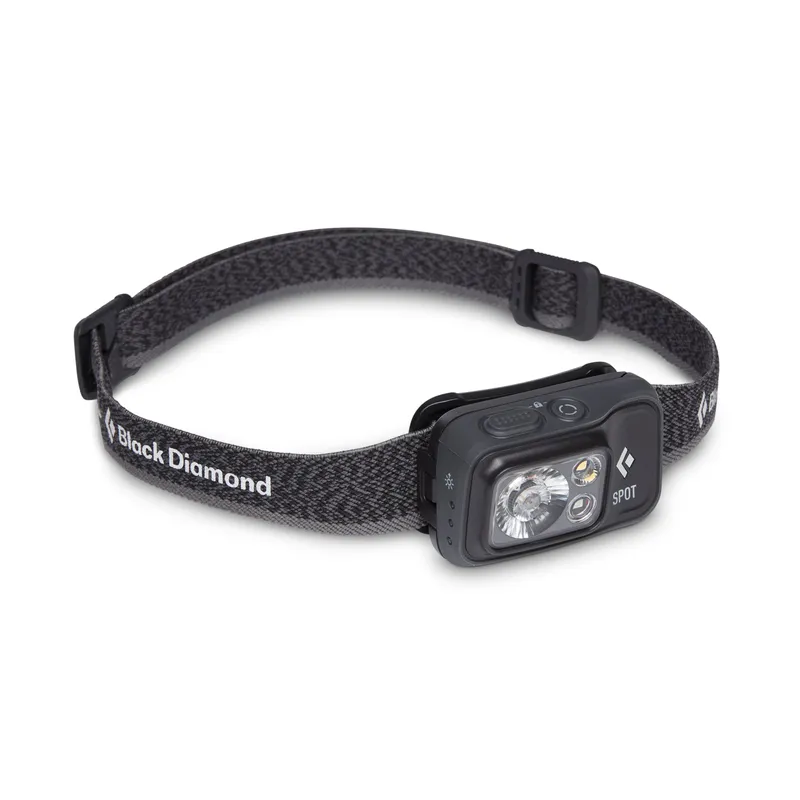 Official manufacturer image
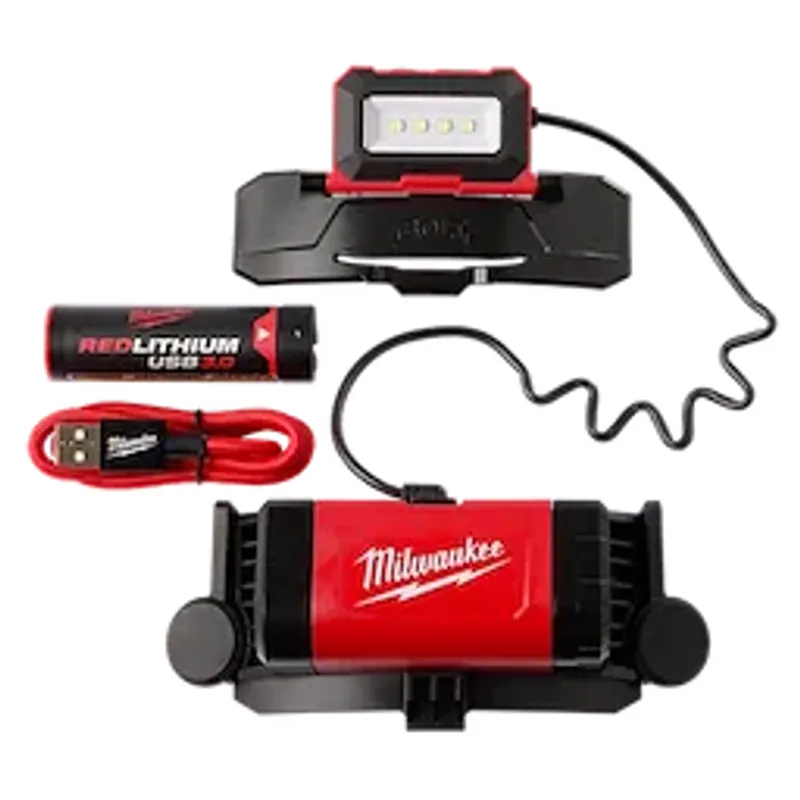 Official manufacturer image
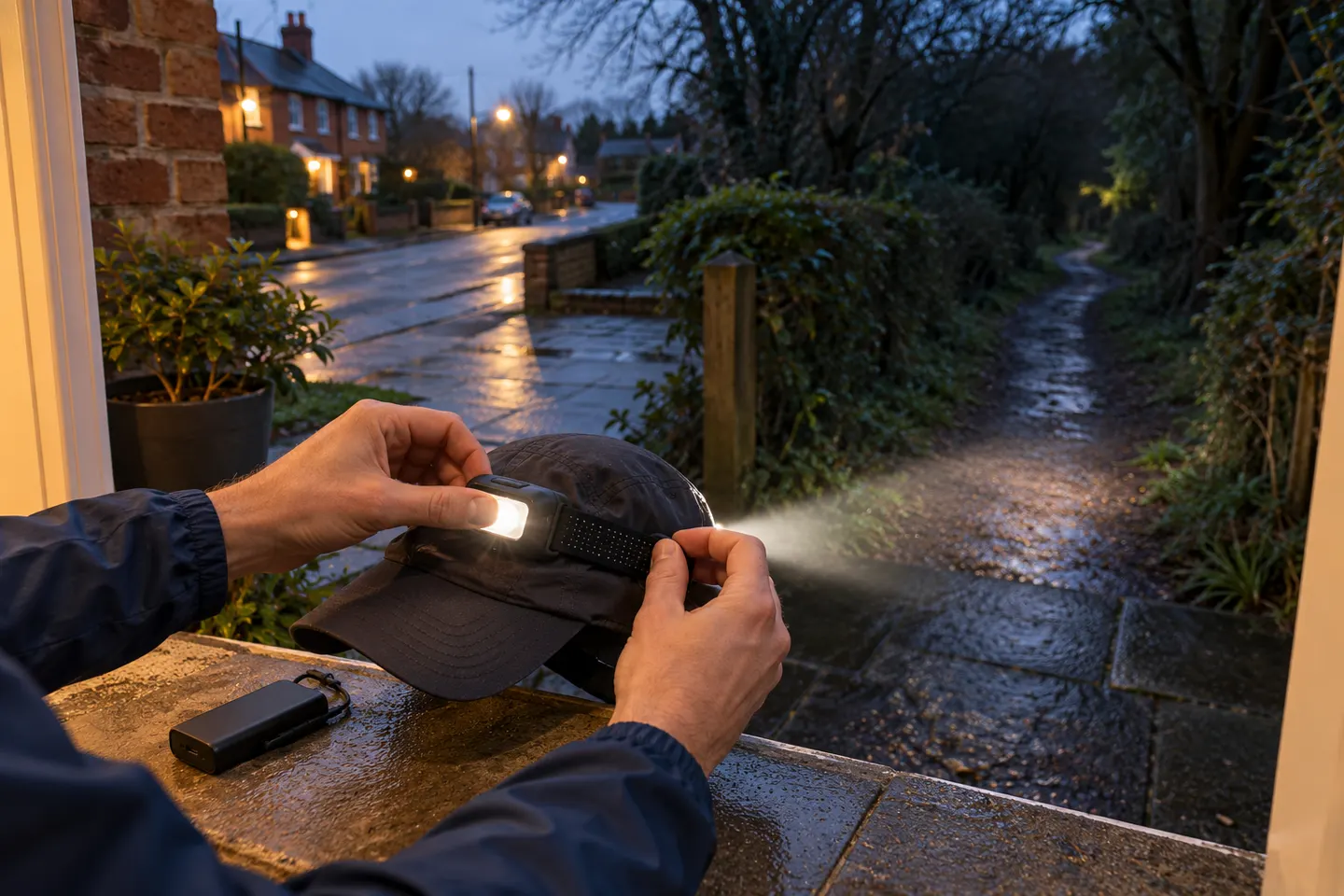 Running
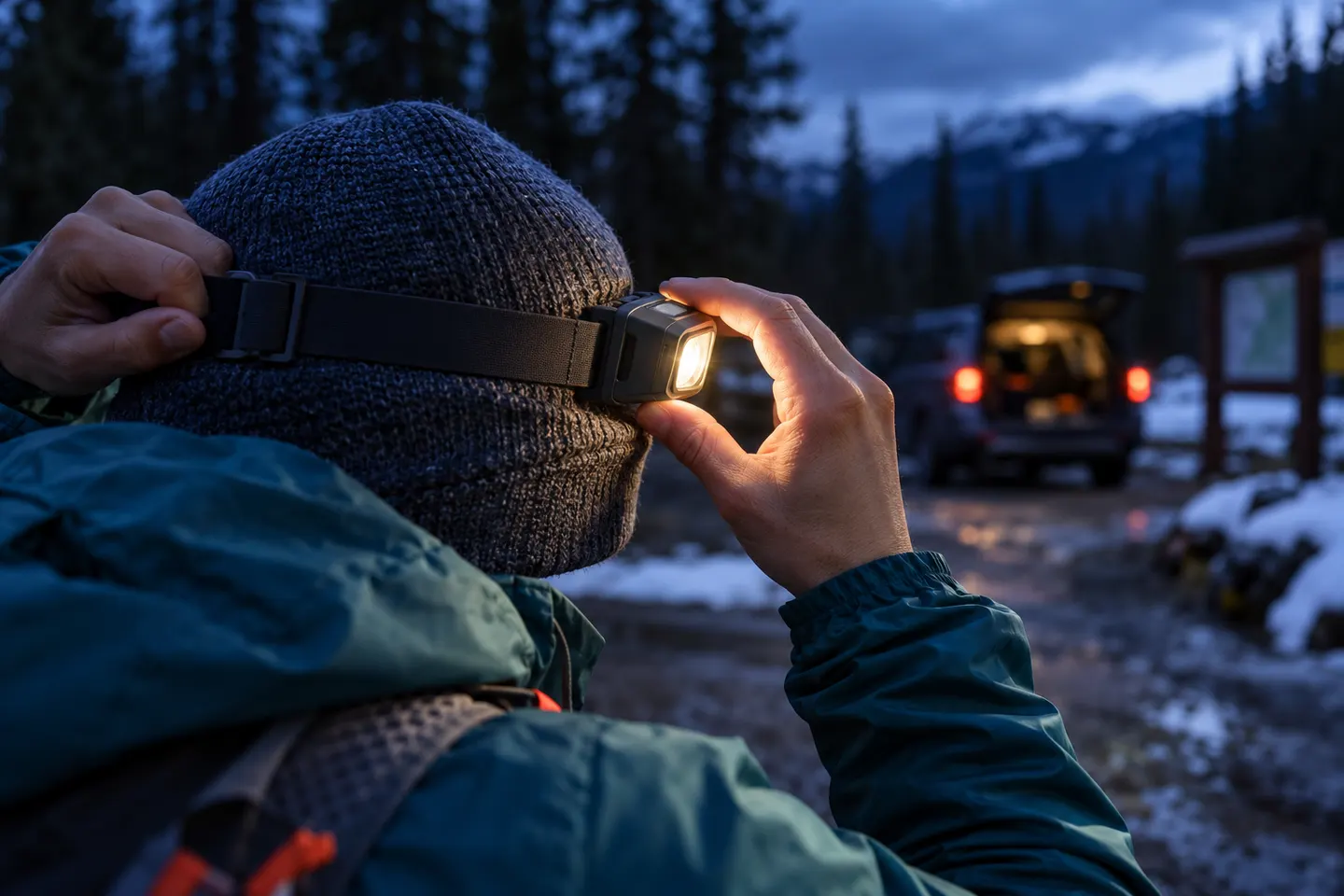 Trail runner
 Rechargeable running