








 Official manufacturer image
Our picks
Top picks
Official manufacturer image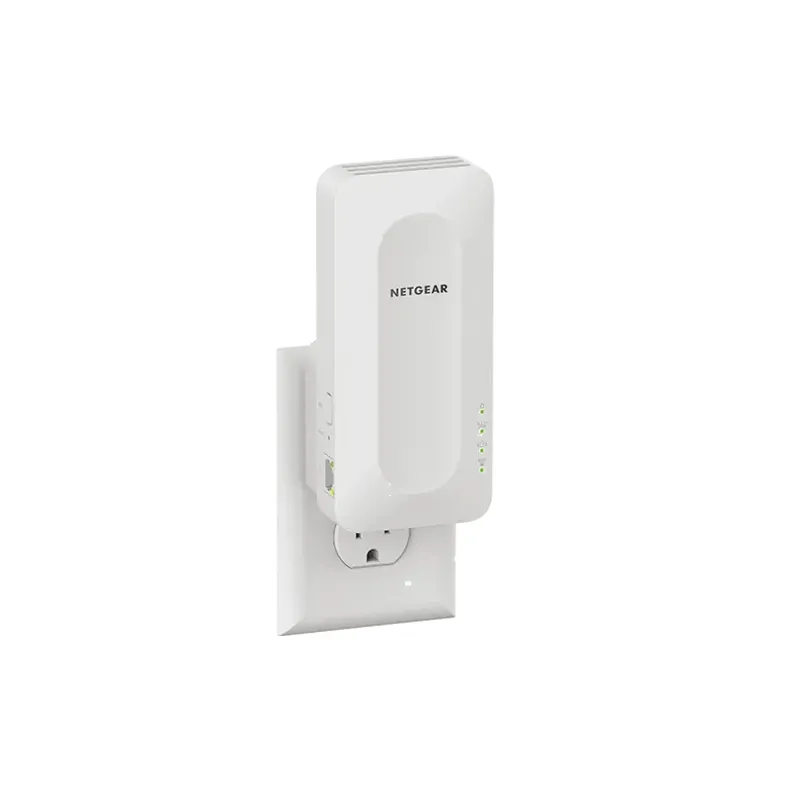 Official manufacturer image
NETGEAR EAX15
Check price on Amazon.ca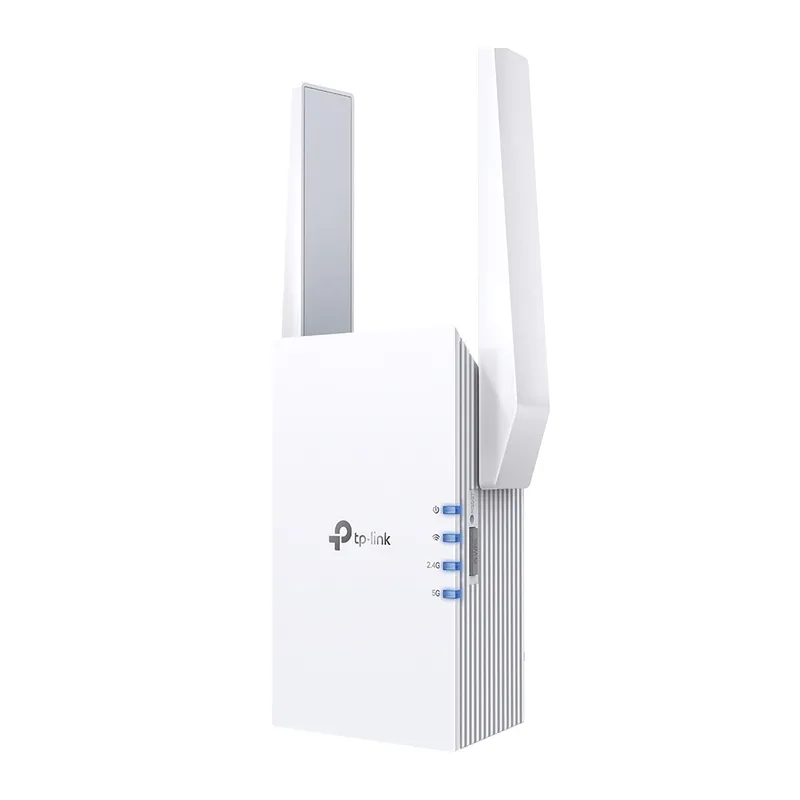 Official manufacturer image
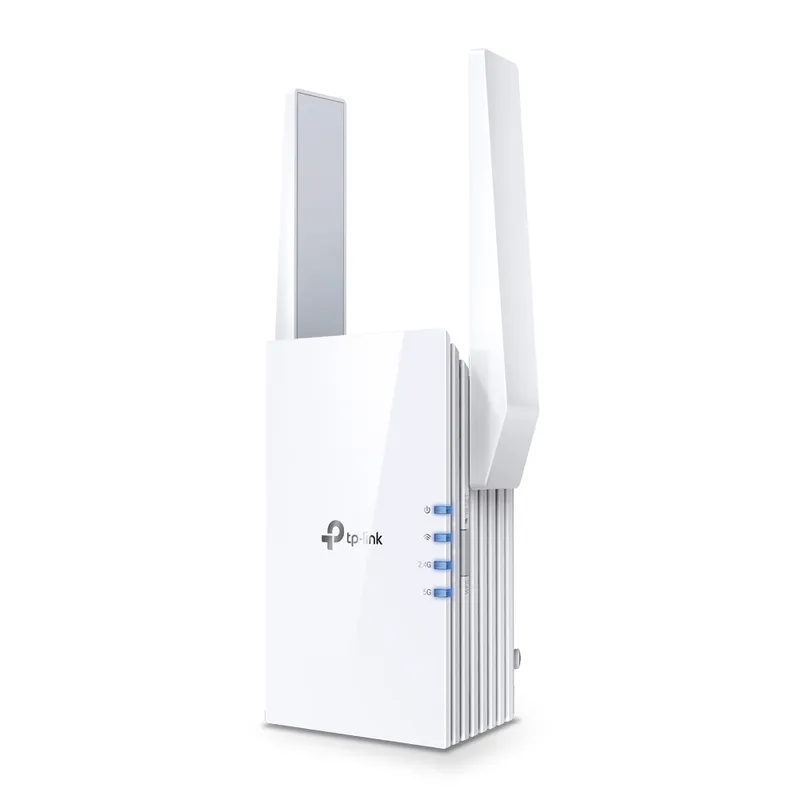
TP-Link RE605X
Check price on Amazon.caCommon questions
Questions before you buy
Do external aerials make a Wi-Fi extender better?
Not by themselves. Antenna design is only one part of performance; radio configuration, supported bands, placement, interference, and the quality of the router link also matter.
Can I replace the aerial on a Wi-Fi booster?
Only if the manufacturer designed the model with user-replaceable antennas and specifies compatible replacements. Do not unscrew or modify a sealed device based on appearance alone.
Where should Wi-Fi extender aerials point?
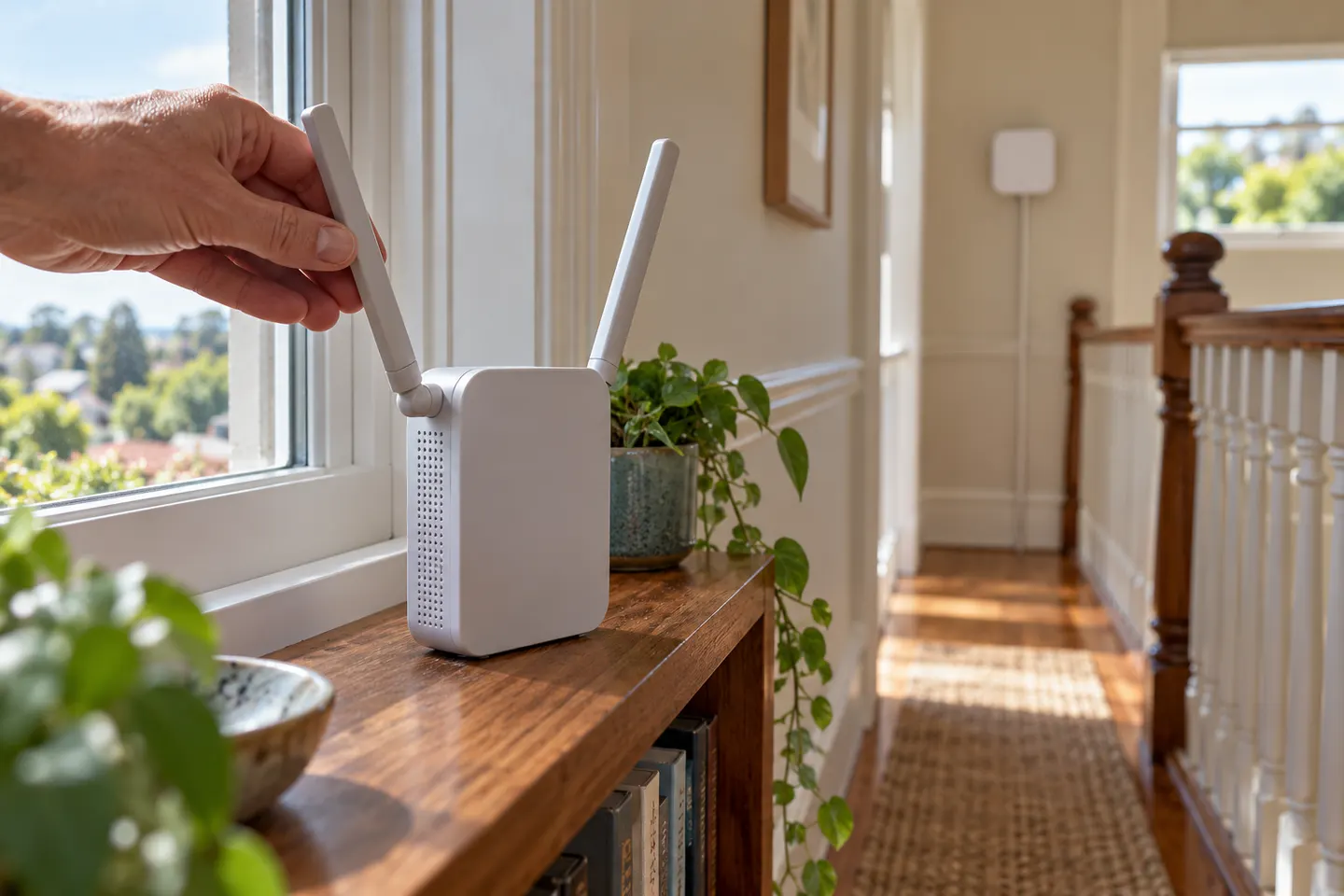
Follow the product manual because antenna orientation and design vary. For adjustable antennas, the manufacturer’s placement guidance is more reliable than a universal orientation rule.
Will a high-gain aerial reach outdoors?
A conventional indoor extender is not automatically suitable for outdoor use. Outdoor radios need an appropriate weather-rated enclosure and installation, and a directional antenna requires careful alignment.