What makes leather gloves warm?
Leather is primarily an outer material. The lining, insulation, fit and protection from wind and moisture determine how warm the complete glove feels. A close fit should not squeeze the fingers.

 Best picksThe Best Dash Cam Cameras for Different Drivers
 Best picksBest WiFi Extenders in Canada for Different Home Networks
 Best picksBest Meat Thermometers in Canada for 2026
 Best picksBest Winter Gloves for Canadian Conditions (2026)
 Best picksBest Headlamps: Compare Reliable Options for Canada
 Best picksRadar Detector Best Picks for Canadian Drivers (2026)
 Best picksBest Portable Air Coolers to Consider in 2026
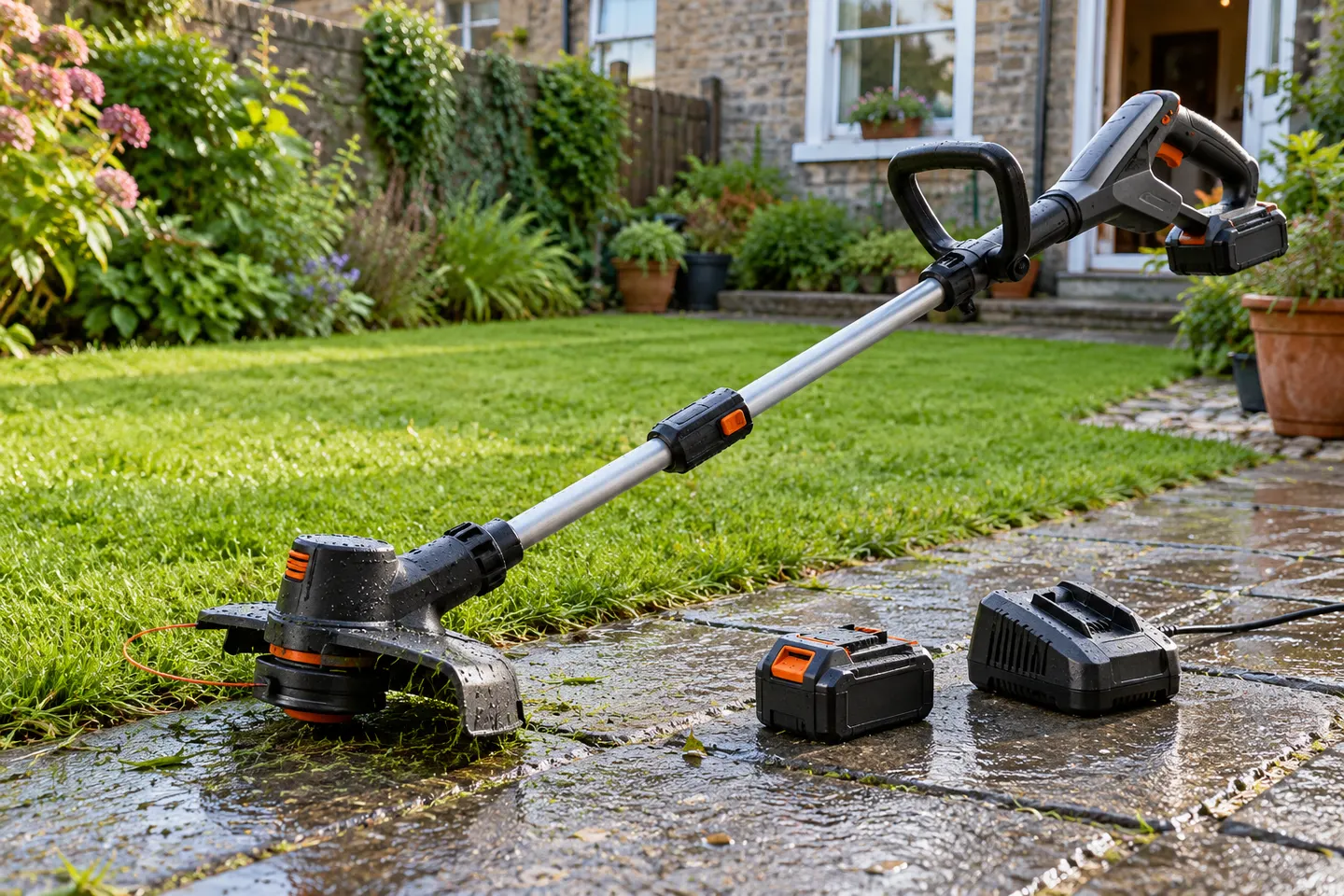 Best picksBest cordless grass trimmers with a battery and charger
 Best picksBest Air Purifier for Bedroom in the Canada: Quiet Models Compared
Gearjury may earn a commission from qualifying retailer links.
Guide
Leather gloves can work well in winter when their lining, fit and weather protection match the conditions. Leather alone does not make a glove warm.
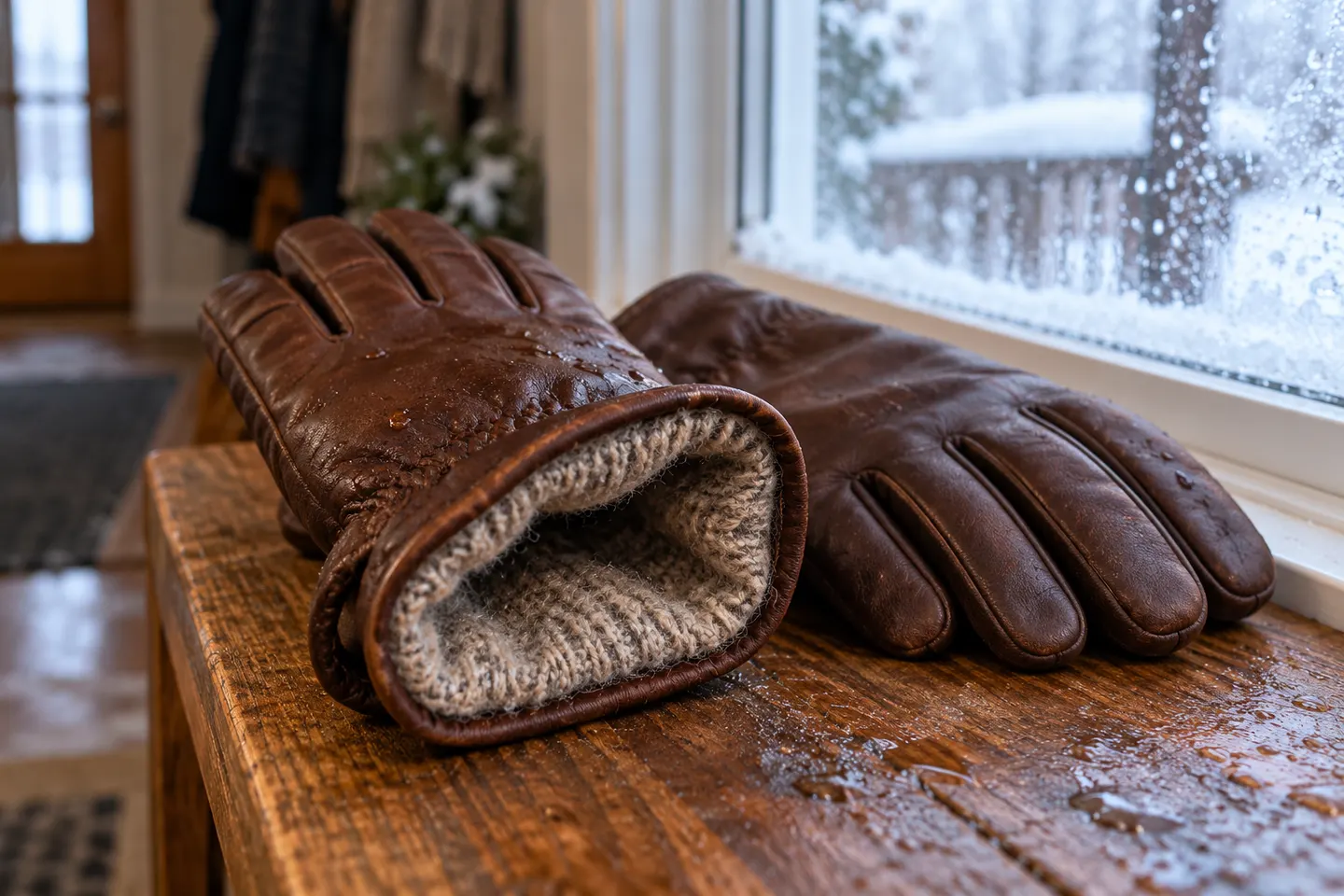
Leather is primarily an outer material. The lining, insulation, fit and protection from wind and moisture determine how warm the complete glove feels. A close fit should not squeeze the fingers.
They can be, especially when paired with a suitable insulating lining and treated or designed for expected moisture. Plain fashion leather may be a poor choice for wet snow, so check care directions and weather claims.
A thin insulating liner under a leather shell can add warmth while keeping the outer glove relatively flexible. The extra layer needs enough room; compression can reduce comfort and dexterity.
Wool, fleece, cashmere and synthetic insulation each feel different and require different care. Look for the actual material and construction listed for the model rather than inferring performance from a product name.
For repeated contact with slush or rain, choose a glove specifically described as waterproof or use a waterproof shell. Leather may need maintenance, and wet leather can take longer to dry.
For commuting, tactile control and easy care may matter most; for hiking, layering and weather protection matter more. Try the glove with the movements you need and confirm that the cuff works with your coat.
Common questions
A silk lining adds a smooth inner layer, but silk is light insulation. Warmth depends more on the glove construction, fit and wind protection.
Vessi is best known for footwear; check the exact glove model before assuming the brand offers one. For warmth, compare the product lining and weather protection rather than the brand name.
Some UGG gloves use shearling or other insulating linings, but warmth varies by model. Check the specific lining, shell and care instructions.
Cowhide is a durable outer material, not insulation by itself. A lining and wind-blocking construction contribute more directly to warmth.
Cashmere provides a soft insulating lining, while leather can block some wind. These gloves suit everyday cold better than prolonged wet exposure unless the model is designed for moisture.
A fur lining can trap warmth, but the result depends on thickness, fit and shell construction. Verify the source and care requirements of any fur product.
Warmth differs across Isotoner styles and linings. Check the chosen model insulation and intended use rather than relying on the label alone.
Alpaca fibre can provide insulation in knitted gloves, but wind can pass through knit fabric. A windproof shell or close weave helps in exposed conditions.
Merino can insulate and manage moisture, making it useful in liners and knit gloves. A thin merino glove may still need a shell in wind or wet snow.
Kinco sells lined winter work and ski gloves, with warmth depending on the model. Check its specific insulation and waterproofing details for the task.
Fleece provides lightweight insulation and dries relatively quickly, but many fleece gloves are not waterproof or windproof. Add a shell for wet, exposed conditions.
Neoprene can reduce water exchange and is used in water-sport gloves, but it is not a universal winter glove material. Match thickness and fit to the activity and exposure.
Keep exploring
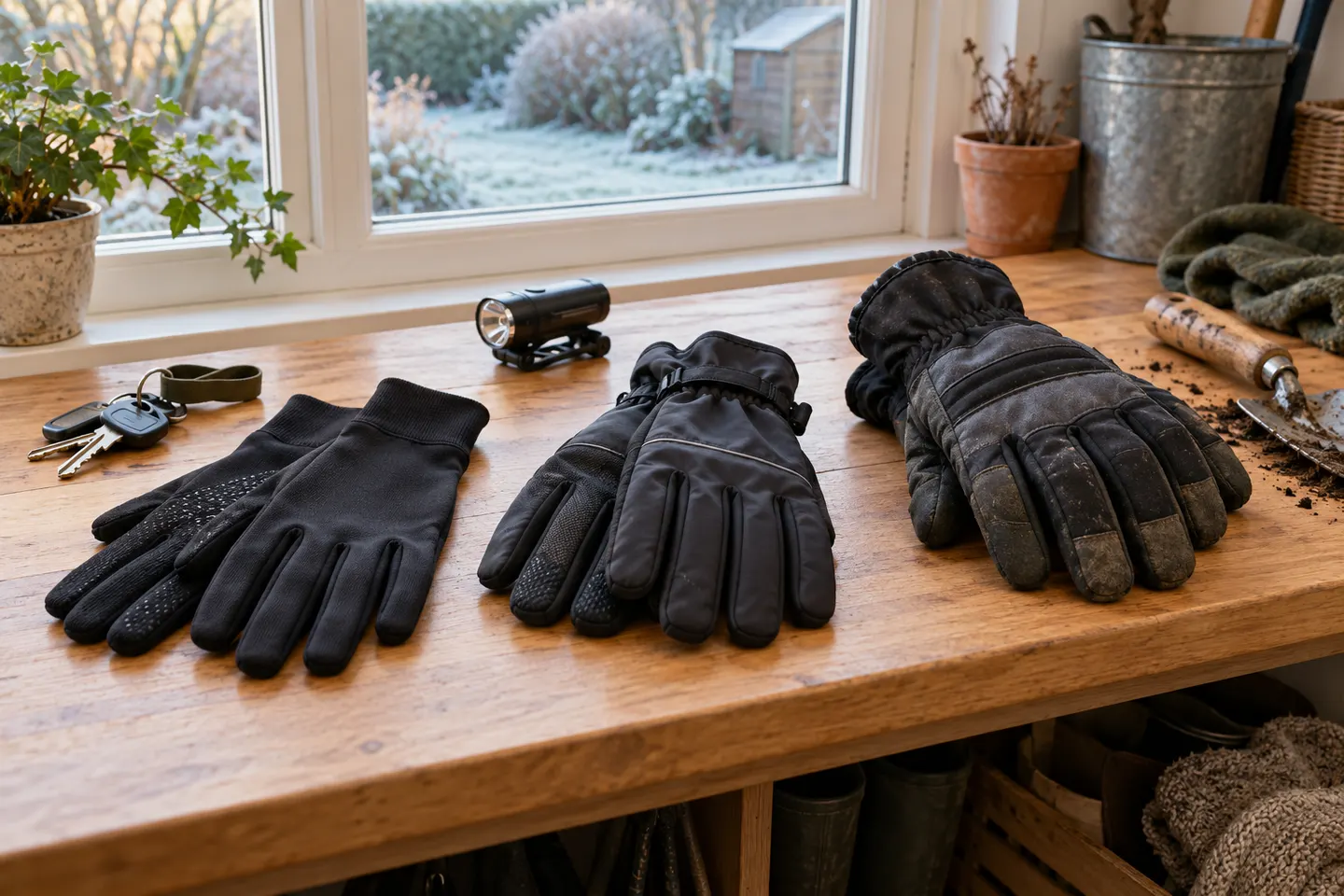
Choose insulated gloves for dexterity or mitts for shared warmth. Start with your activity, then compare insulation, weather protection and cuff coverage.
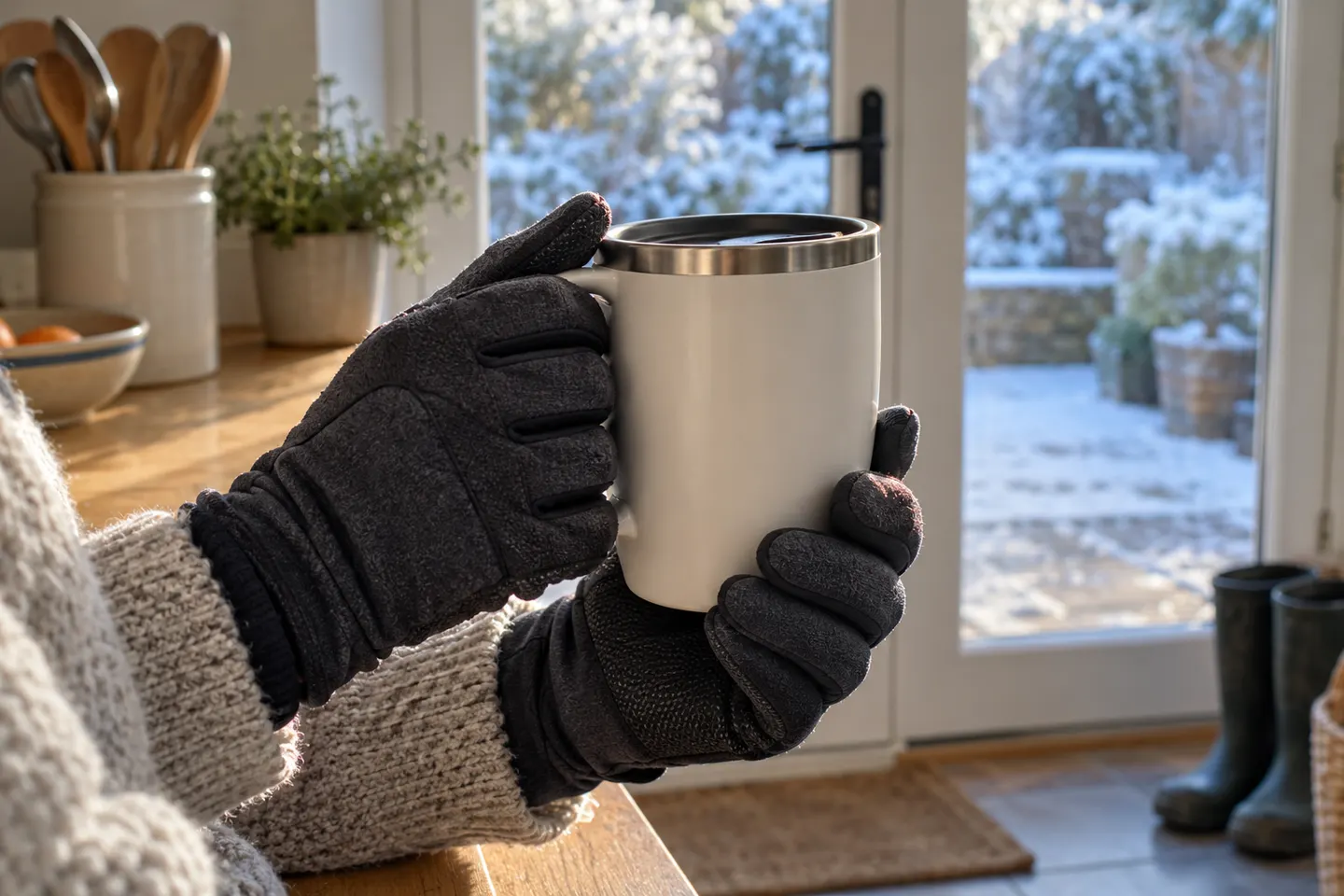
Prioritize fit and the conditions you face: everyday gloves suit errands, while insulated mitts can help during long spells outdoors.
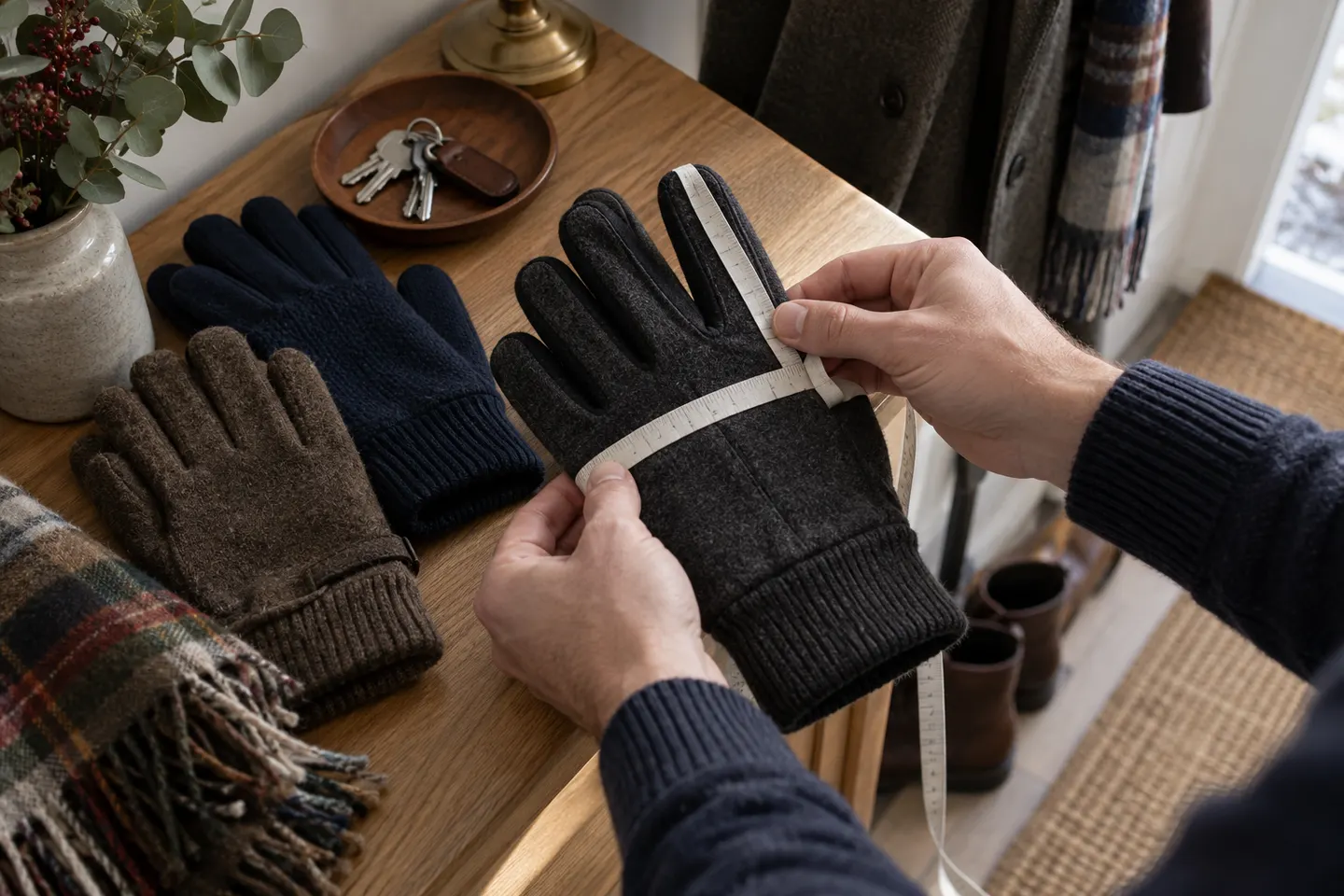
A useful pair balances warmth with the grip and movement your day requires. Check sizing, insulation and cuff design before choosing.
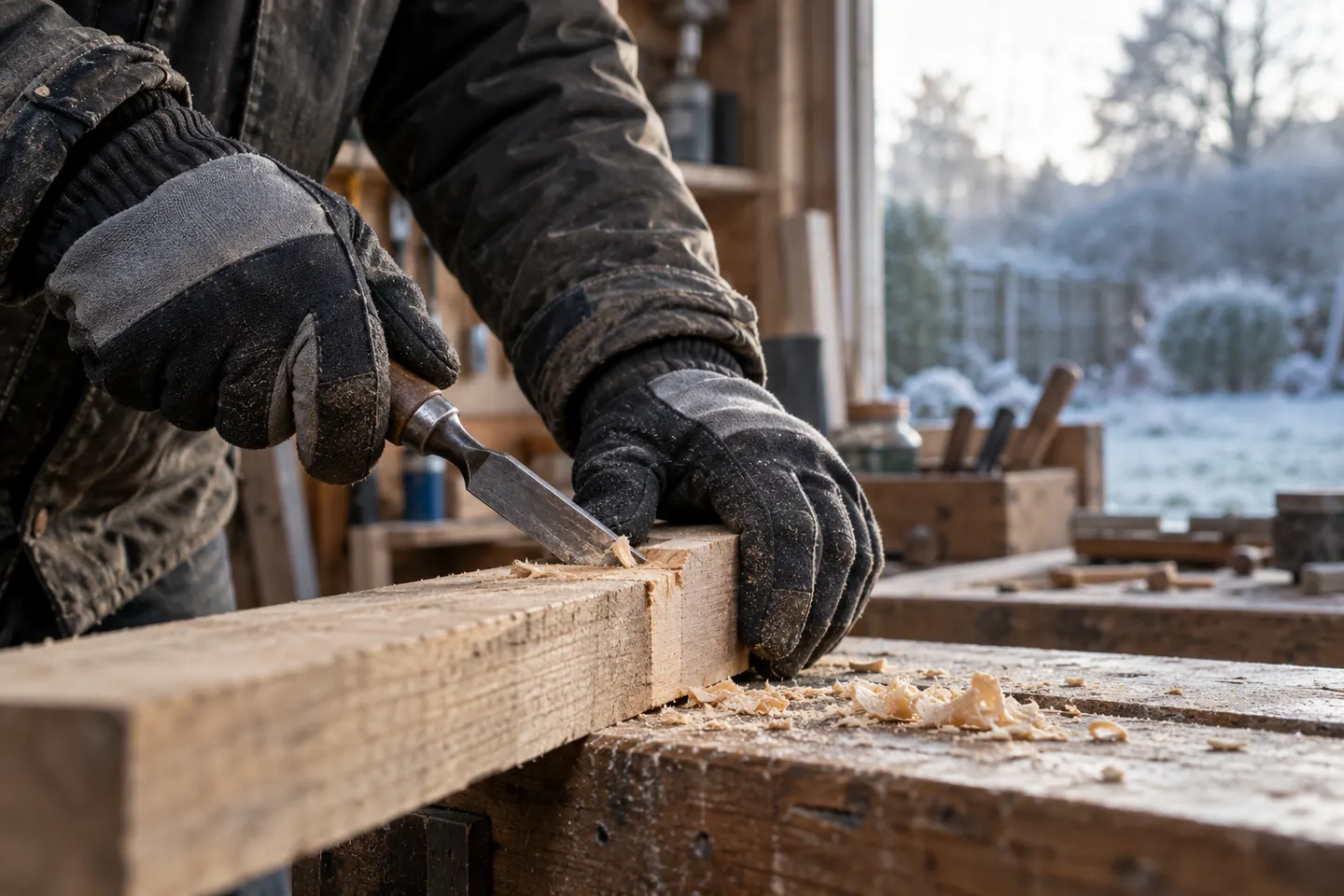
Match glove construction to the job: nimble insulated gloves suit equipment handling, while waterproof gauntlets cover wetter, colder work.