How warm are leather gloves?
Leather itself is not a warmth rating. It can form a wind-resistant outer layer, while insulation or a lining traps warmth. Check whether the manufacturer identifies a lining and intended conditions.

 Best picksGood Meat Thermometers for Every Kind of Cook
 Best picksBest WiFi Extenders: Which Range Extender Should You Buy?
 Best picksBest Dash Cams for Cars in 2026
 Best picksBest Radar Detectors for Cars: Models Compared
 Best picksGood Winter Gloves for Cold Weather: Five Useful Picks
 Best picksBest Headlamps: Six Lights Compared for Different Uses
 Best picksTop 10 Best Battery-Powered Weed Eaters for Different Yards
 Best picksBest Portable Air Coolers for Patios, Workshops and Small Spaces (2026)
 Best picksBest Air Purifier for Bedroom in the US: Quiet Models Compared
Gearjury may earn a commission when you buy through retailer links.
Guide
Leather can block wind and provide a durable outer layer, but warmth depends on the lining, fit and weather protection. Unlined leather alone is not an insulation system.
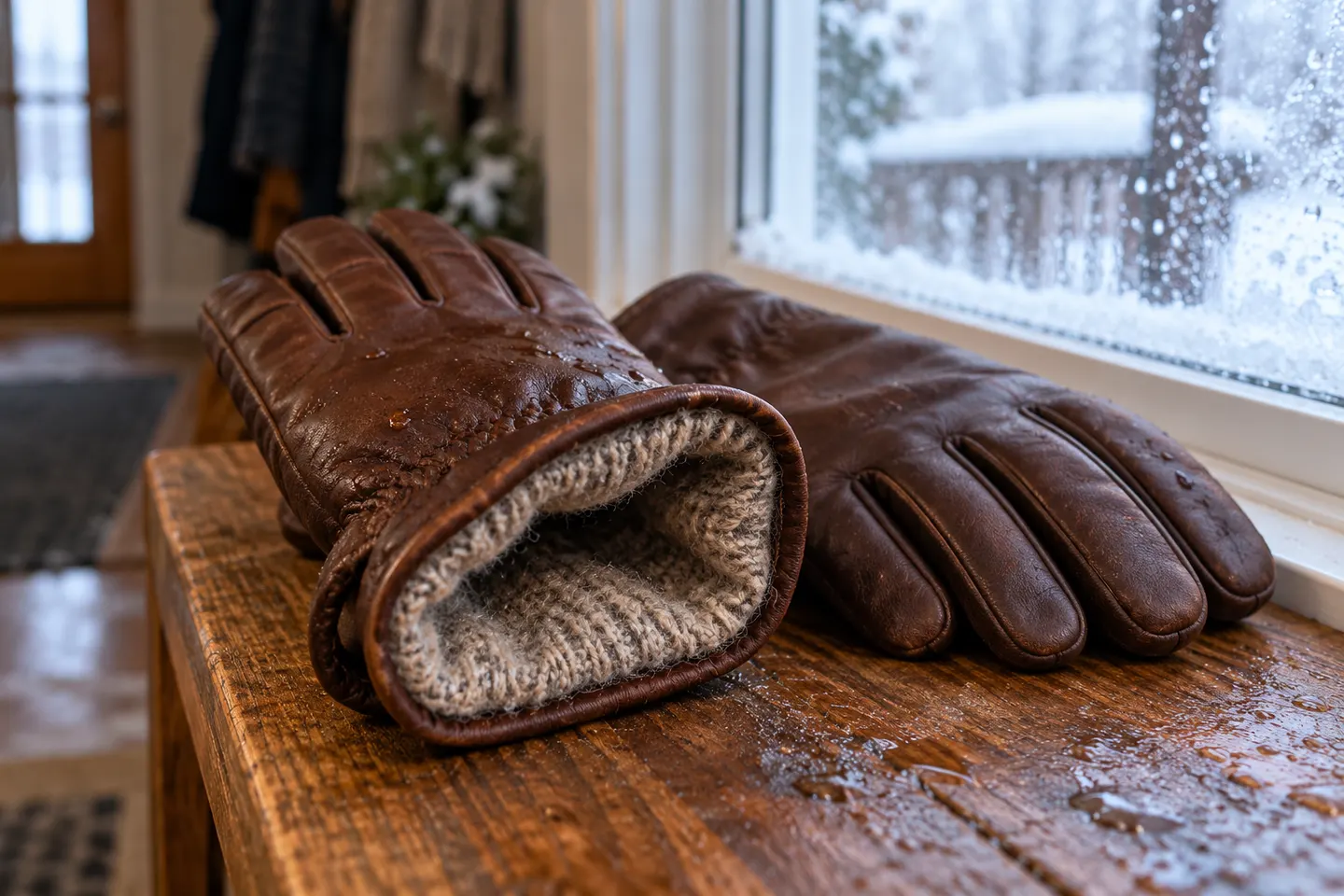
Leather itself is not a warmth rating. It can form a wind-resistant outer layer, while insulation or a lining traps warmth. Check whether the manufacturer identifies a lining and intended conditions.
Fleece, wool or synthetic insulation changes how a leather glove feels in cold weather. A thin lining may suit a mild commute; prolonged exposure calls for more insulation and longer cuff coverage.
A glove should leave room for natural movement and any liner you plan to wear. Tight leather gloves can compress the lining; an overly loose fit can make grip and fine tasks harder.
Leather is not automatically waterproof. Some gloves combine leather palms with a waterproof membrane, while others need careful treatment and drying. Follow the maker’s care instructions and do not assume a treated surface equals a waterproof construction.
For driving or everyday wear, dexterity and a close fit may matter most. For snow, fishing or long periods outside, compare insulation, waterproofing, wind protection and cuff design rather than choosing by shell material alone.
Common questions
Unlined leather provides little added insulation by itself. Wind blocking can help, but warmth depends on the glove design and conditions.
It depends on the lining, knit density and wind exposure. A lined leather glove may block wind better, while a thick wool knit can insulate well in dry conditions.
Some models use waterproof membranes or treatments, but leather does not make a glove waterproof by default. Check the maker’s specific claim and care guidance.
Choose the right insulation and fit, keep them dry according to care directions, and use a compatible liner if there is room. Avoid direct high heat when drying.
Keep exploring
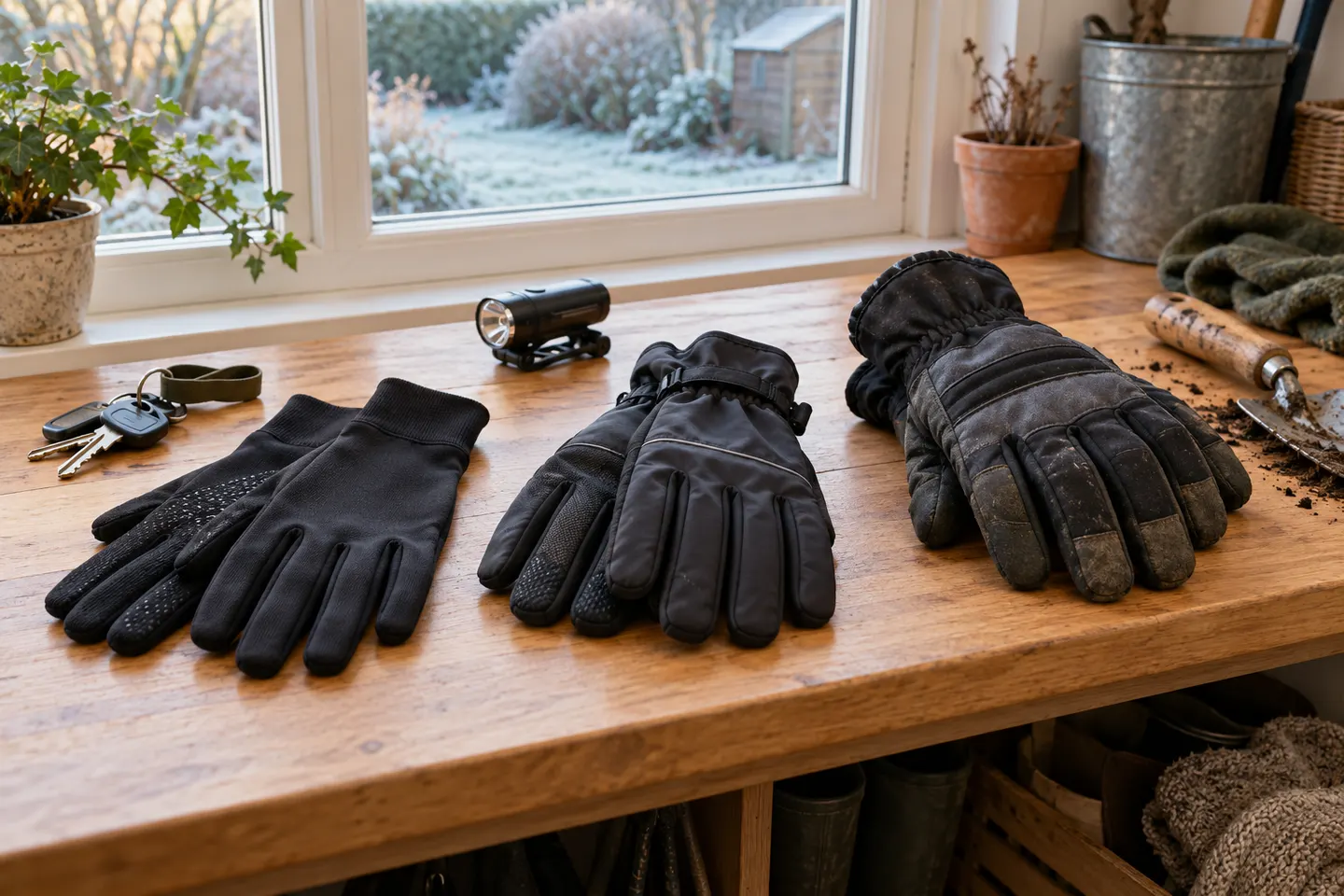
Start with the conditions you face: everyday cold, wet weather, hands-on work, or snow sports. The right insulation and shell matter more than a generic warmth label.
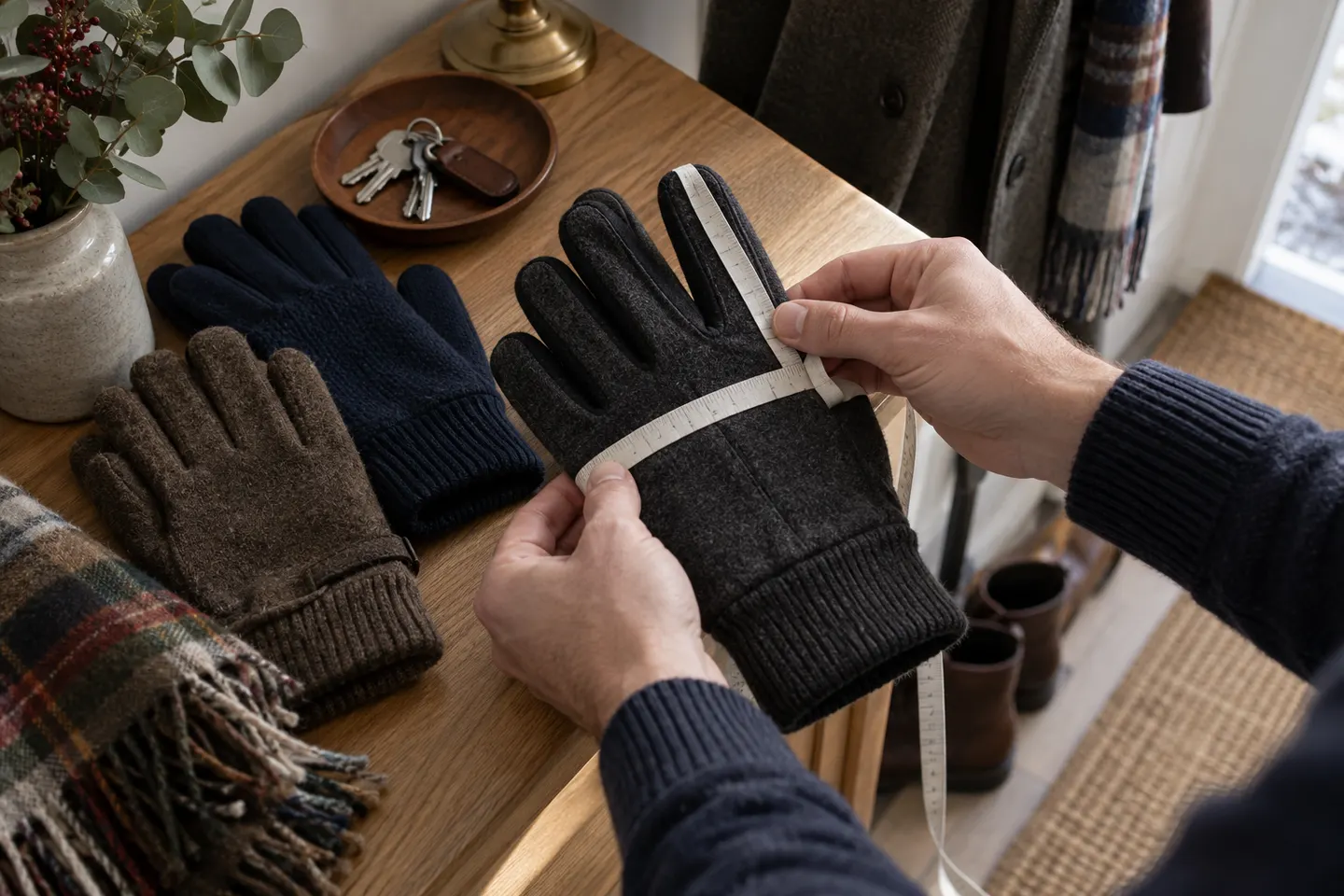
Match insulation and shell construction to the job: daily wear needs flexibility, while wet snow and outdoor work call for more coverage and durable materials.
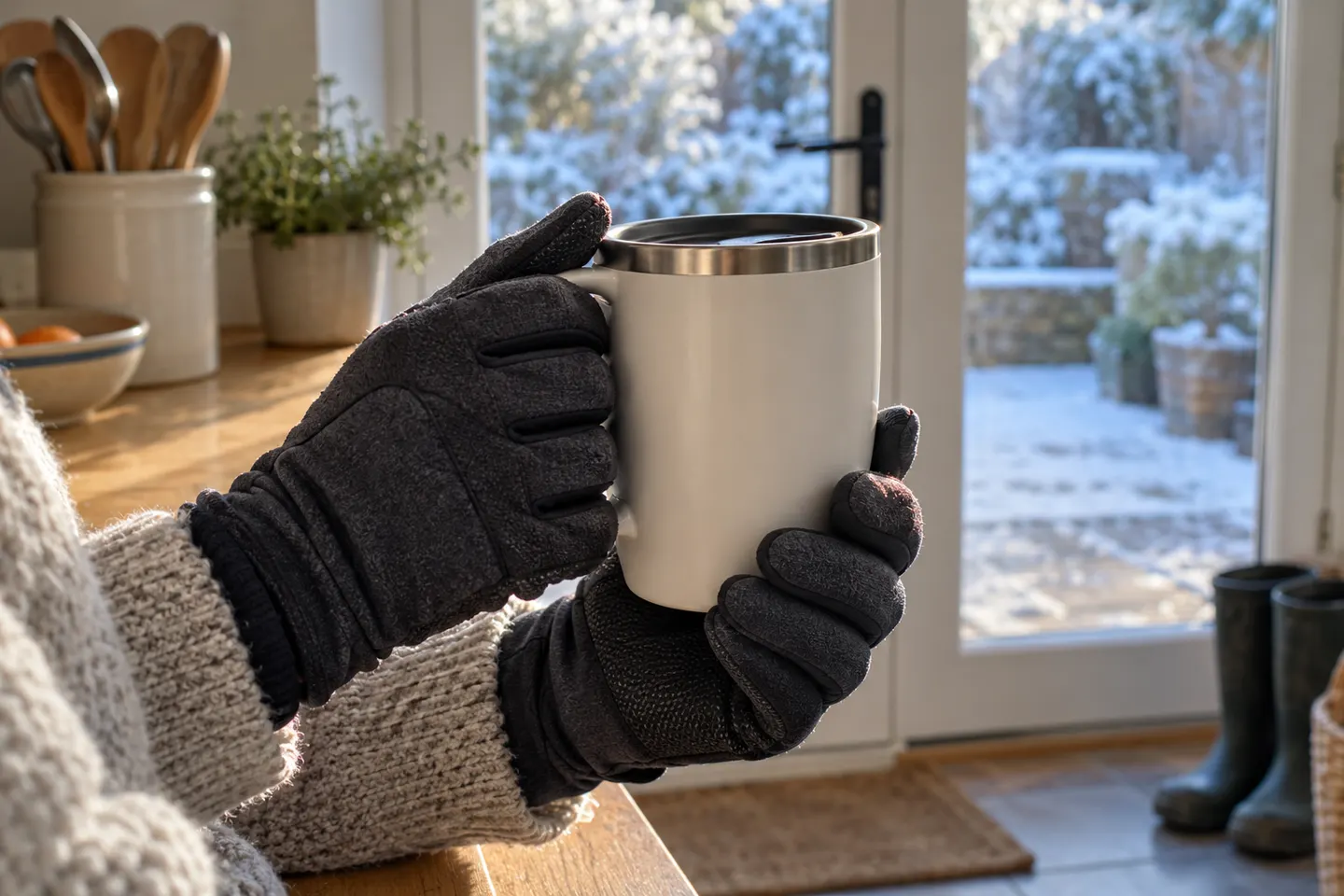
Begin with fit and intended use, then choose insulation and weather protection for your routine. A close but comfortable fit helps preserve warmth without restricting movement.
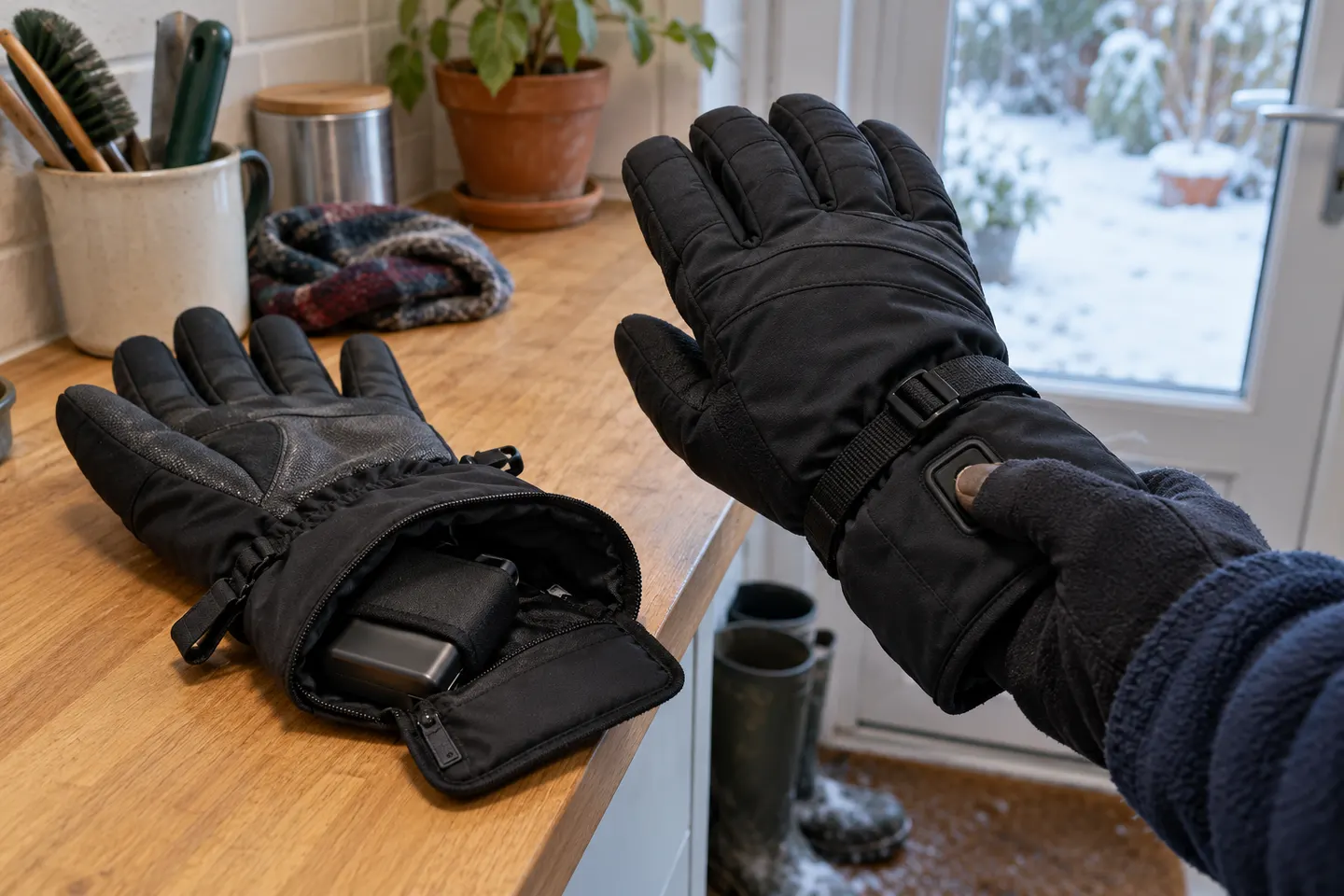
Powered warmth adds charging and care considerations to the usual questions of fit, insulation, and weather protection. Compare those trade-offs before choosing a style.