









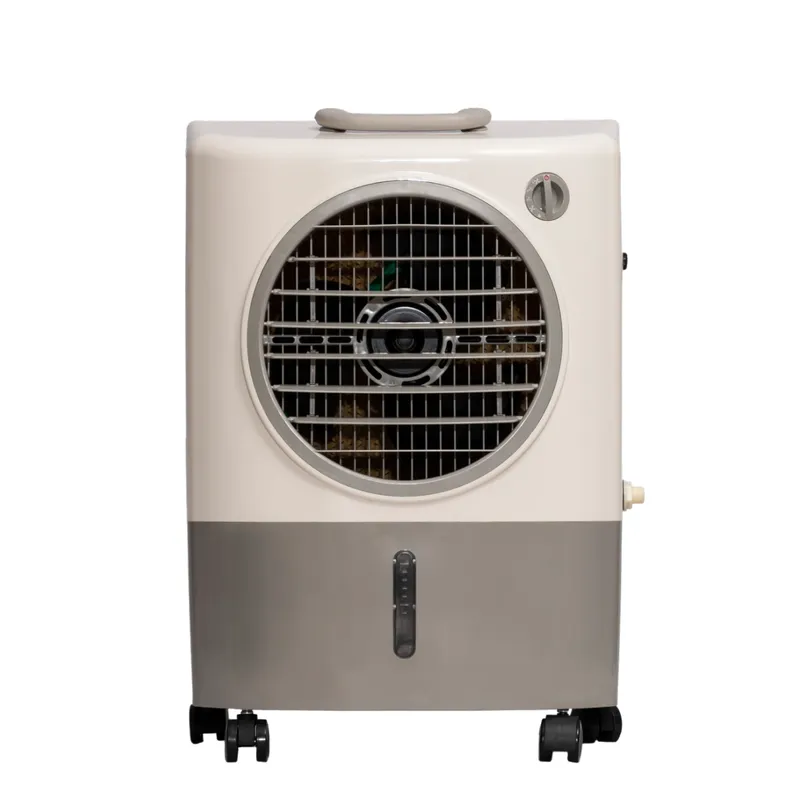
 Official manufacturer image
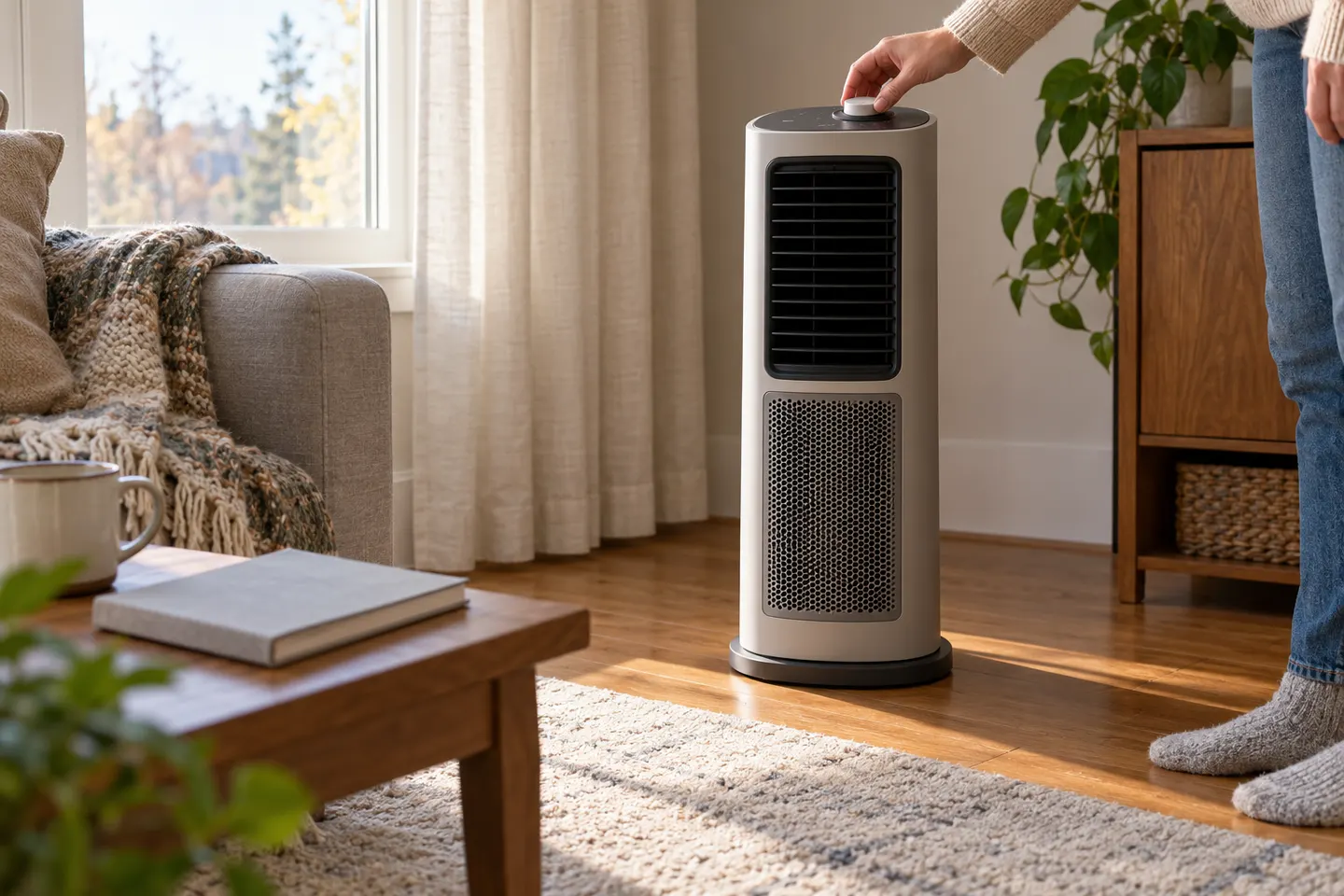
Our picks
Top picks
Official manufacturer image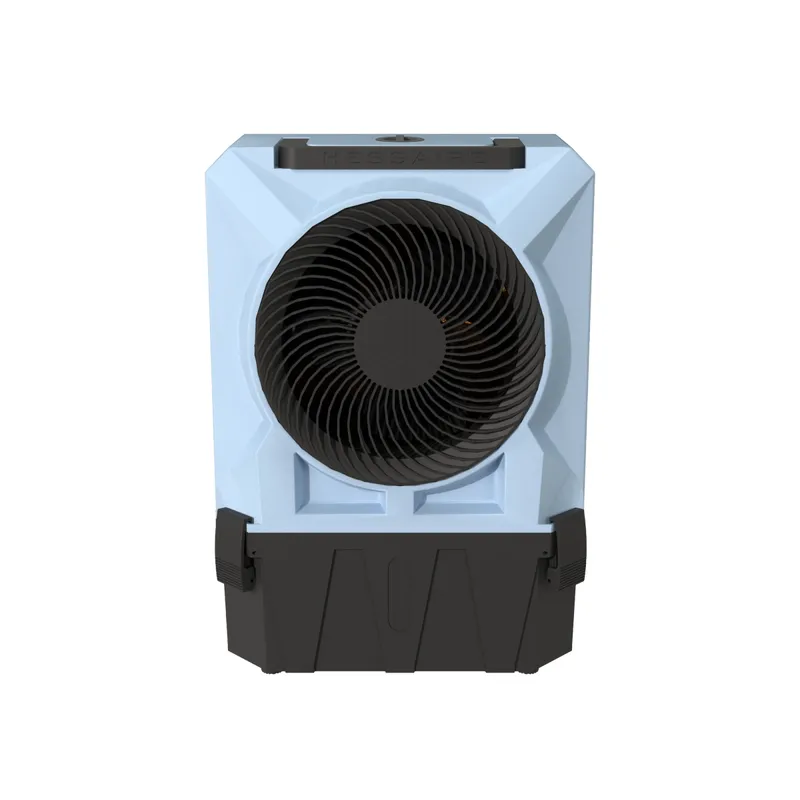 Official manufacturer image
Hessaire MC12V
Check price on Amazon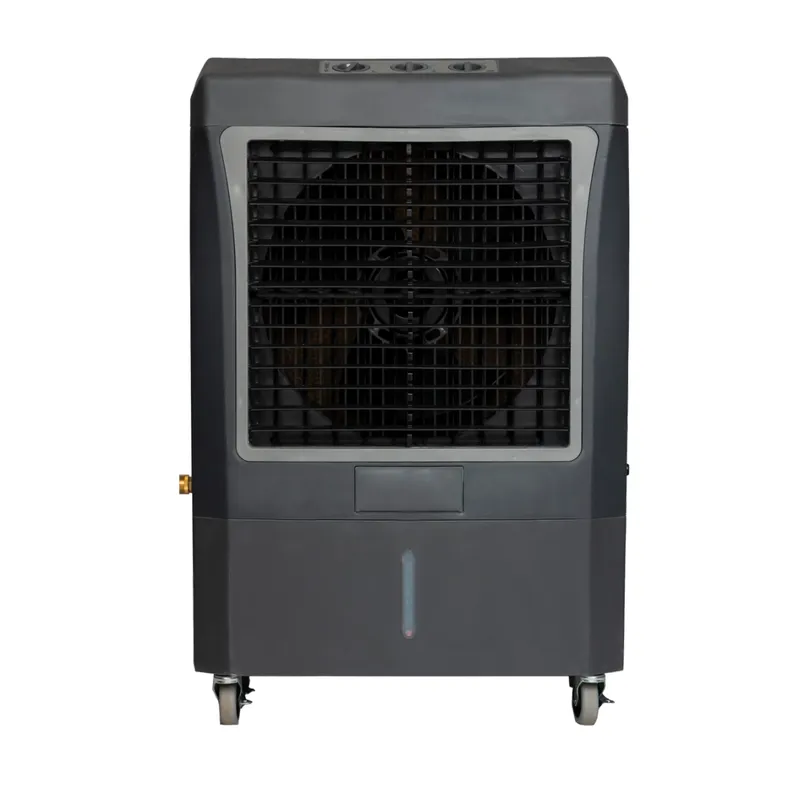 Official manufacturer image
Hessaire MC37M
Check price on AmazonBy feature
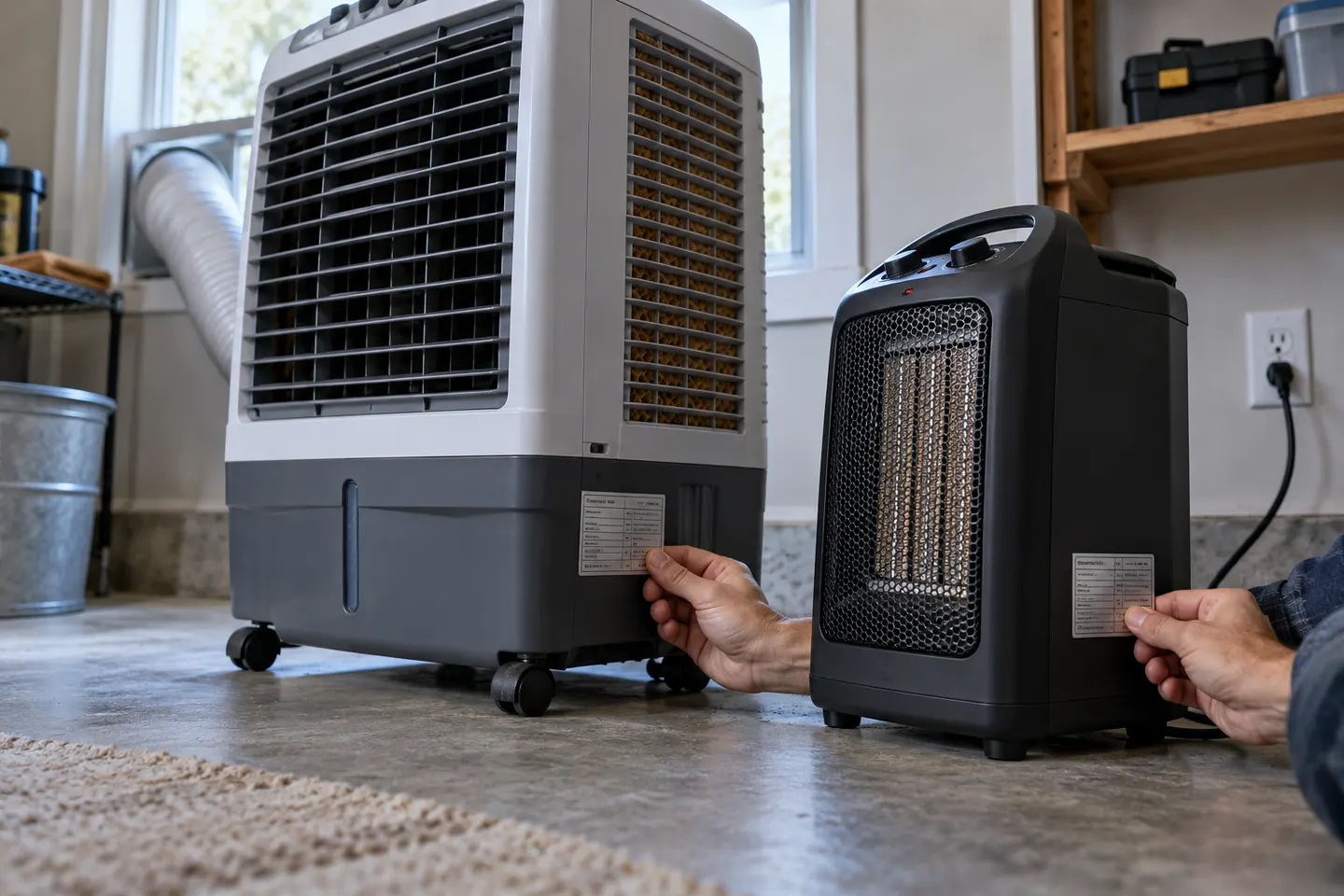 Mira cool cooler heater
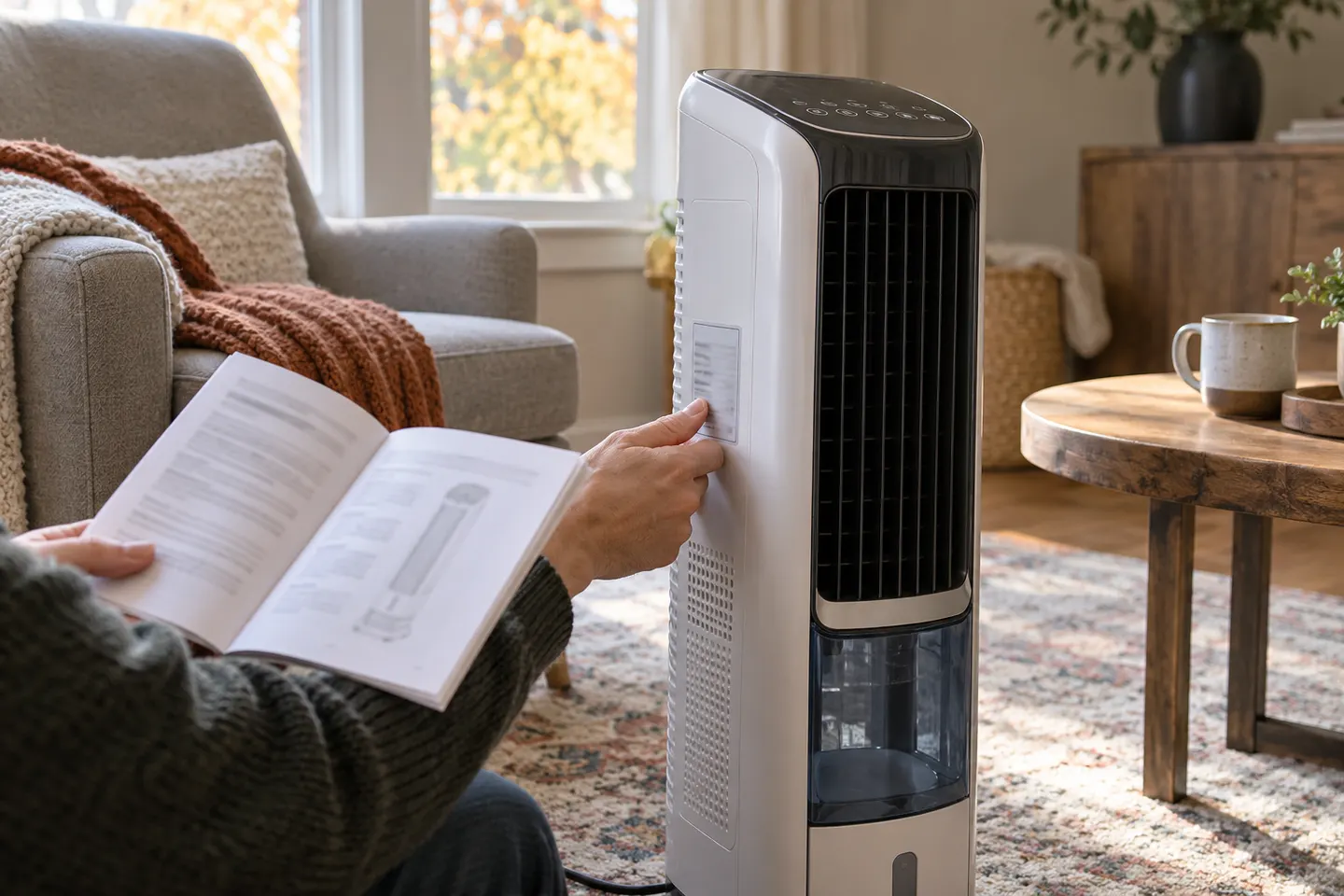 Mira cool heater
Common questions
Questions before you buy
Can one portable air cooler also heat a room?
Some appliances combine heating with fan or evaporative modes. Verify the exact product’s listed functions and heat output; do not assume every cooler includes a heater.
Does an evaporative air cooler and heater work like a heat pump?
Not necessarily. A combined fan/heater product may use electric resistance heat while its cooling function evaporates water. Check the technical manual for the actual design.
Can a portable cooler heater dehumidify?
An evaporative cooling mode adds moisture rather than removing it. A heater alone does not establish that the device dehumidifies; consult the model specifications.
What safety details should I check on a cooler and heater?
Review electrical load, required clearances, tip-over and overheat protections, water handling and the manufacturer’s instructions for using heating and cooling modes.