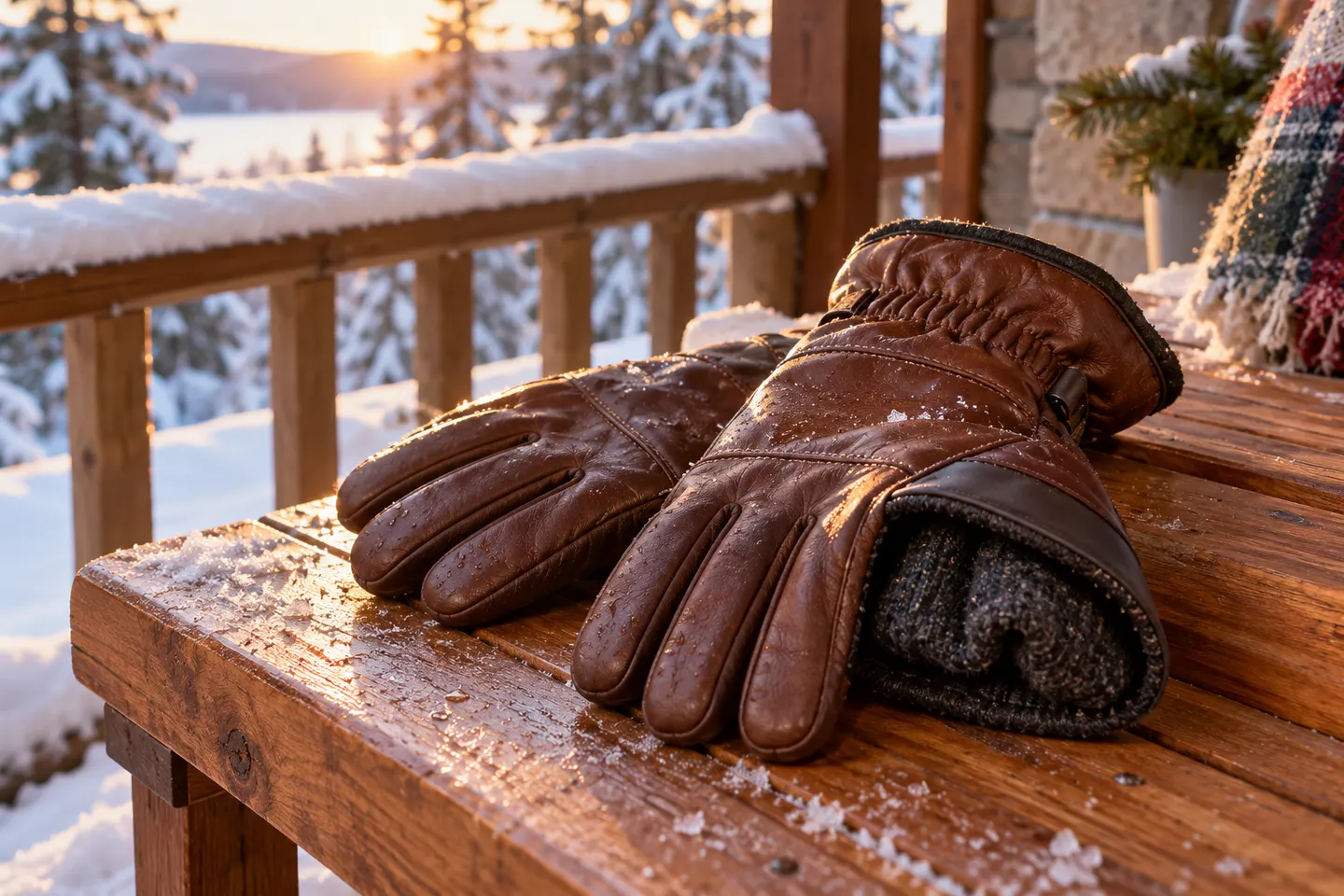
Best Winter Leather Gloves for Work, Snow and Cold Weather (2026)
For wet snow, choose a leather glove with an explicit waterproof insert; for daily work, a lined pigskin palm may be more flexible. These picks separate those use cases.

 Best picksGood Meat Thermometers for Every Kind of Cook
 Best picksBest WiFi Extenders: Which Range Extender Should You Buy?
 Best picksBest Dash Cams for Cars in 2026
 Best picksBest Radar Detectors for Cars: Models Compared
 Best picksGood Winter Gloves for Cold Weather: Five Useful Picks
 Best picksBest Headlamps: Six Lights Compared for Different Uses
 Best picksTop 10 Best Battery-Powered Weed Eaters for Different Yards
 Best picksBest Portable Air Coolers for Patios, Workshops and Small Spaces (2026)
 Best picksBest Air Purifier for Bedroom in the US: Quiet Models Compared
Start here
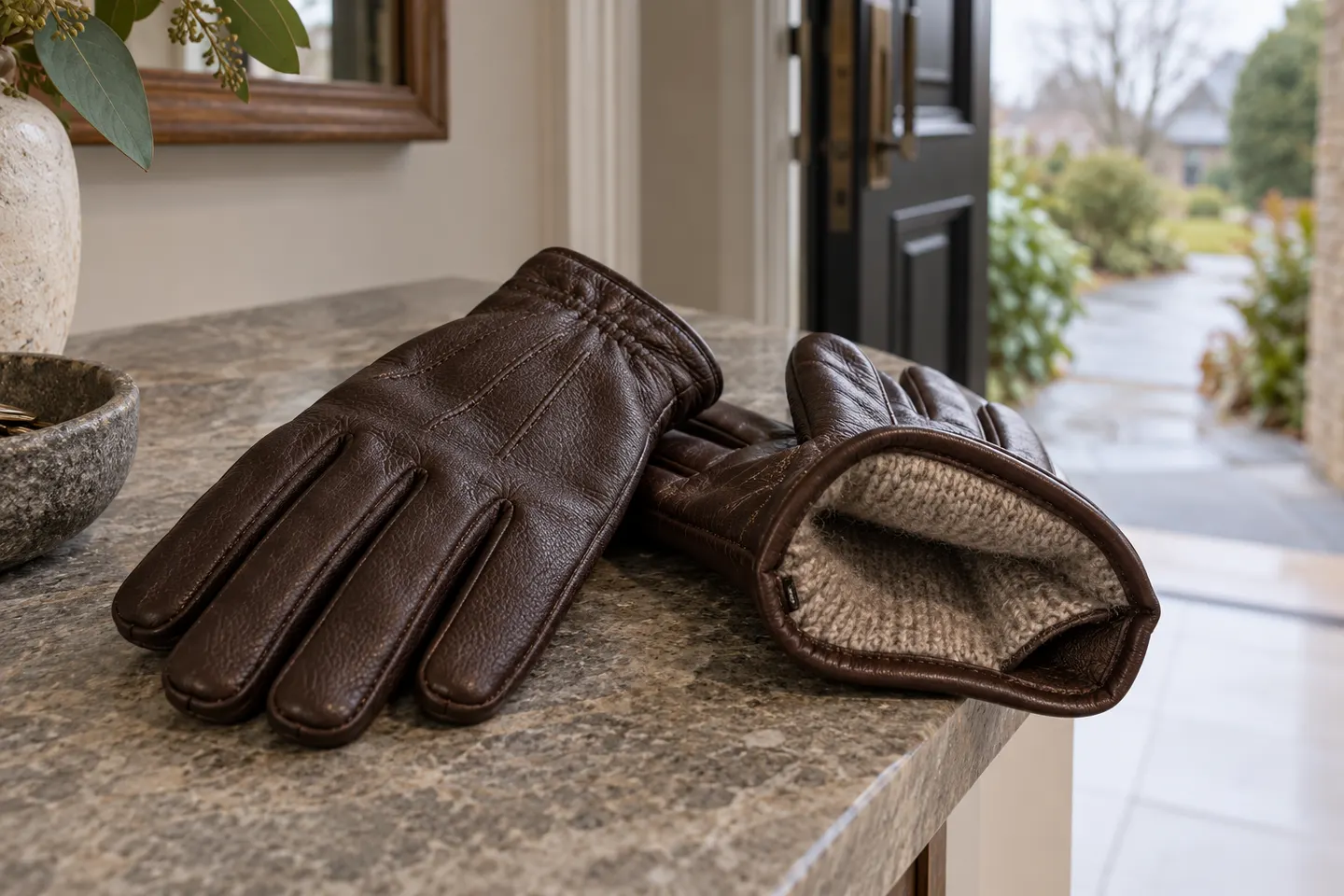
For wet snow, choose a leather glove with an explicit waterproof insert; for daily work, a lined pigskin palm may be more flexible. These picks separate those use cases.
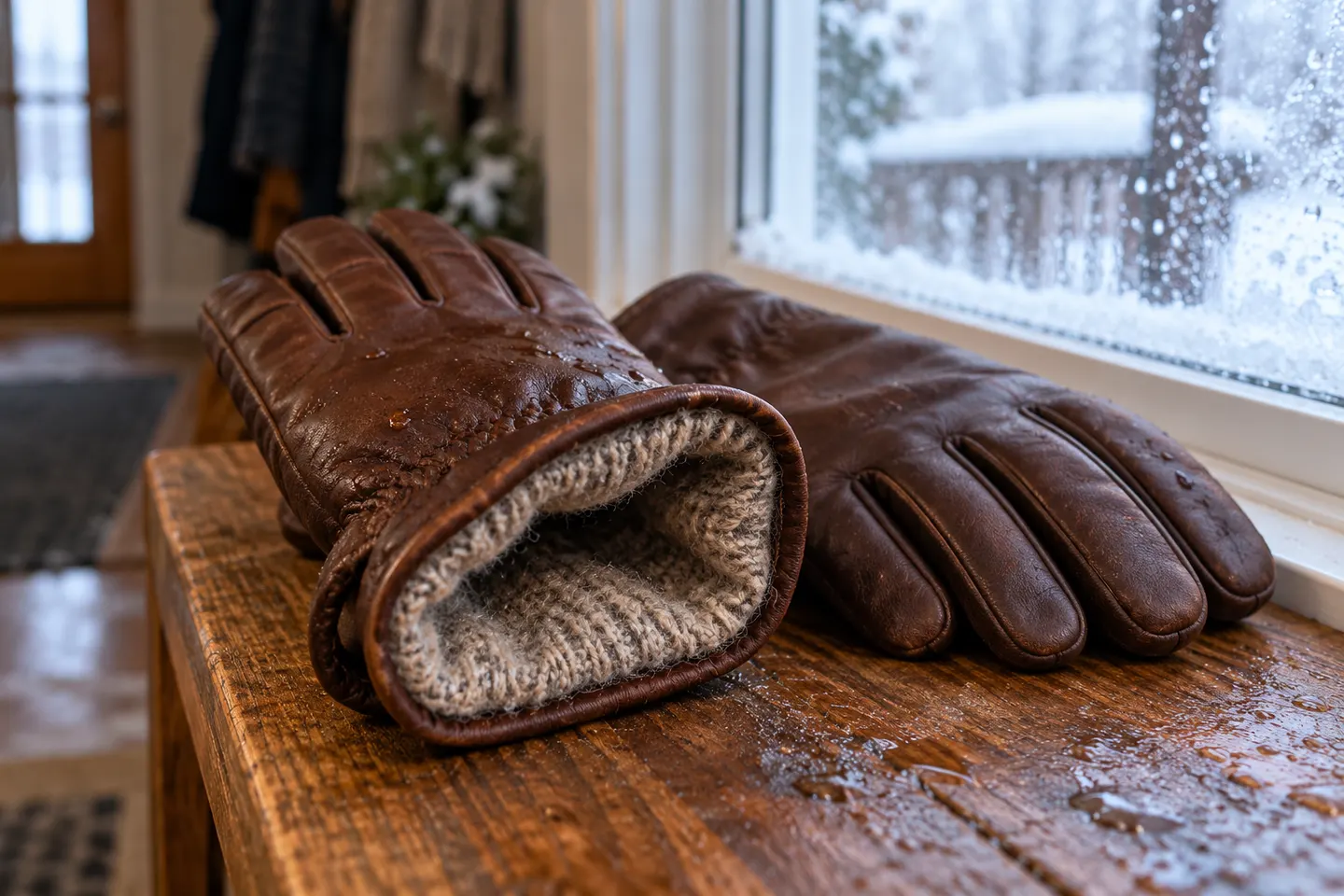
Leather can block wind and provide a durable outer layer, but warmth depends on the lining, fit and weather protection. Unlined leather alone is not an insulation system.
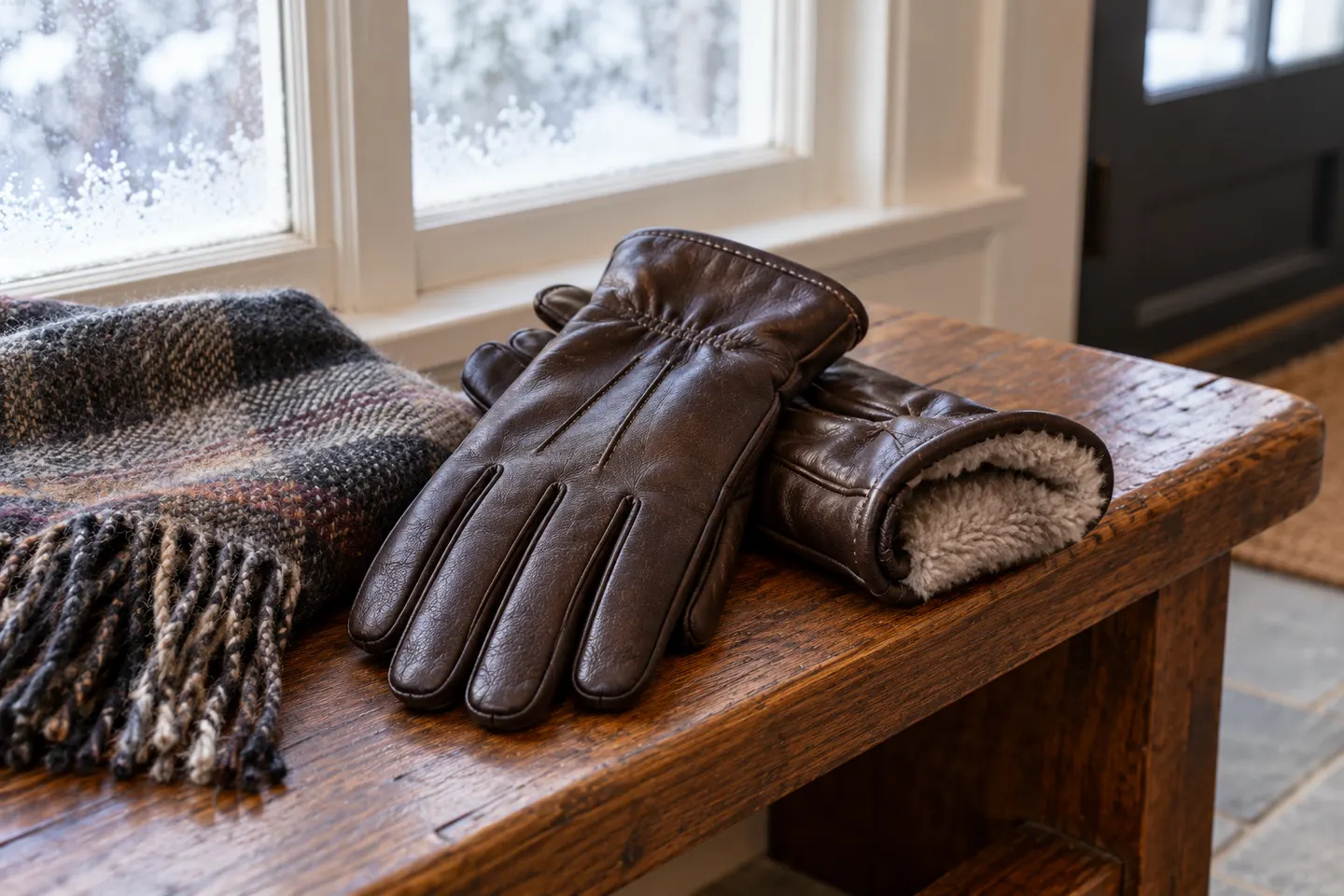
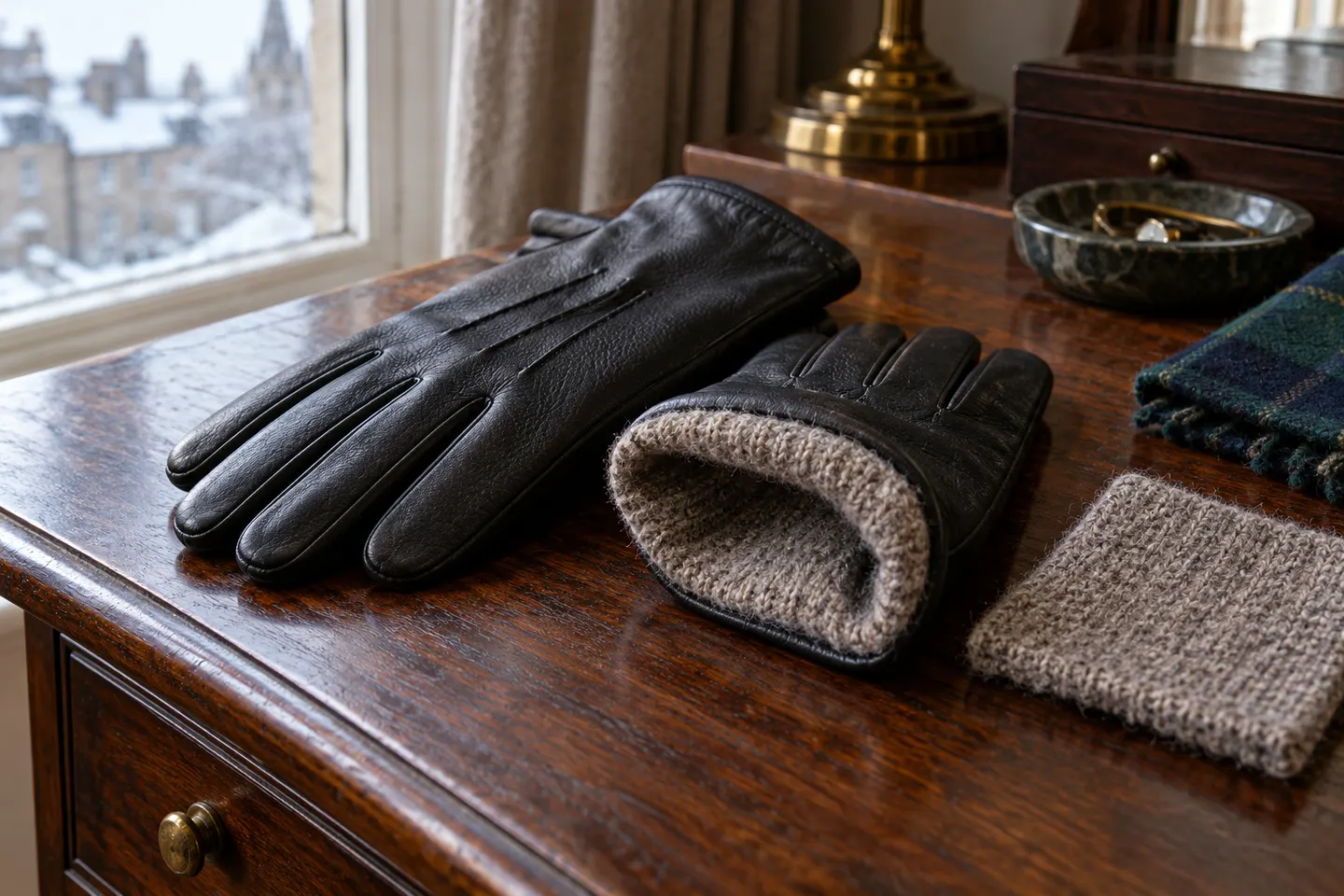
For a classic leather winter glove, Hestra George pairs Italian lamb nappa with a lamb-fur lining. Hestra Wakayama adds a removable wool liner for active cold-weather wear, while Carhartt and Mechanix offer more rugged work-focused alternatives.
Our picks
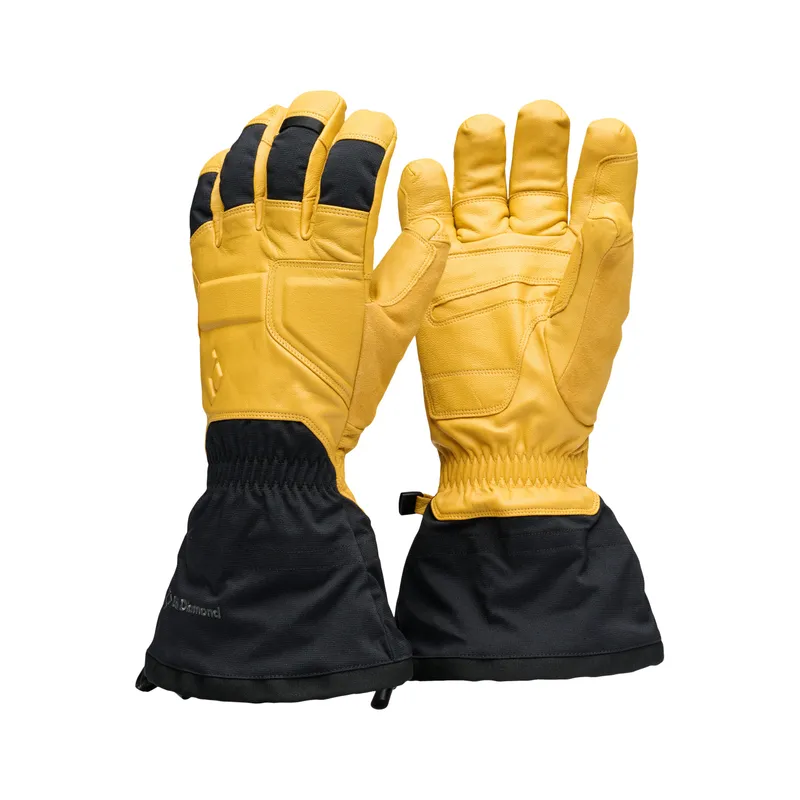 Official manufacturer image
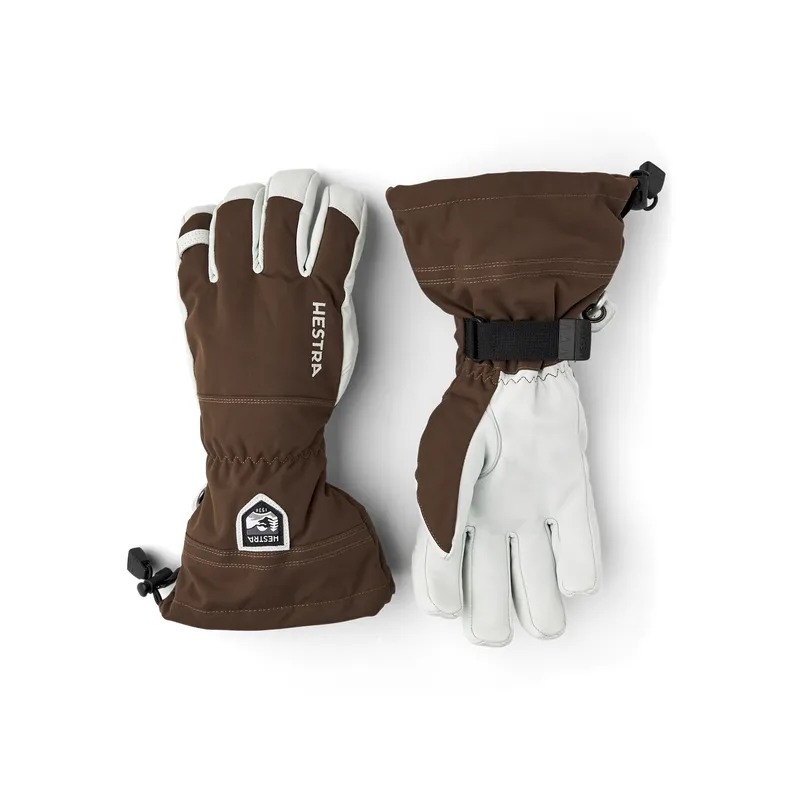 Official manufacturer image
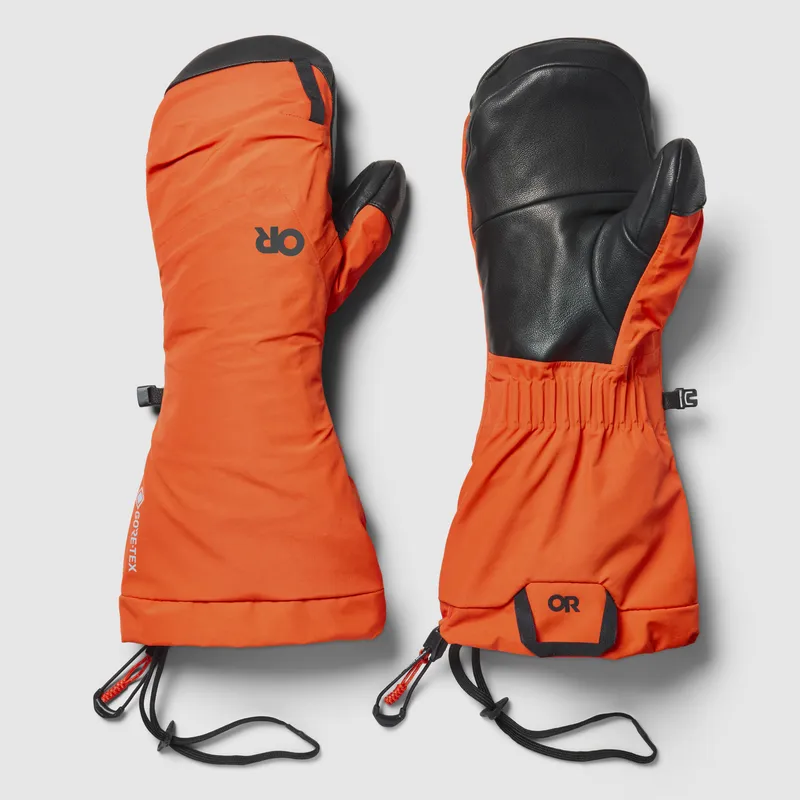 Official manufacturer image
Best picks
For wet snow, choose a leather glove with an explicit waterproof insert; for daily work, a lined pigskin palm may be more flexible. These picks separate those use cases.
For a classic leather winter glove, Hestra George pairs Italian lamb nappa with a lamb-fur lining. Hestra Wakayama adds a removable wool liner for active cold-weather wear, while Carhartt and Mechanix offer more rugged work-focused alternatives.
Common questions
They can be, especially when paired with a suitable lining and a close fit. Unlined leather alone may not provide enough insulation for extended cold exposure.
There is no single best lining for every wearer. Fleece, wool and synthetic insulation offer different feel and care needs; choose by climate, activity and fit.
Some leather can tolerate light moisture, but soaking may damage or stiffen it. Check the maker's care guidance and choose a waterproof glove for prolonged wet conditions.
Follow the specific brand's cleaning and conditioning advice. Let damp gloves dry naturally and avoid heat sources that may dry or distort the leather.
 Leather men
 Leather women
 Work leather
 Leather working
 Nice leather