What makes a head torch light comfortable for reading in bed?
Look for a broad, even near-field beam and a genuinely low setting. Aim the light at the page rather than across the room, and avoid pointing it toward anyone sharing the bed.

 Best picksGood Meat Thermometers for Every Kind of Cook
 Best picksBest WiFi Extenders: Which Range Extender Should You Buy?
 Best picksBest Dash Cams for Cars in 2026
 Best picksBest Radar Detectors for Cars: Models Compared
 Best picksGood Winter Gloves for Cold Weather: Five Useful Picks
 Best picksBest Headlamps: Six Lights Compared for Different Uses
 Best picksTop 10 Best Battery-Powered Weed Eaters for Different Yards
 Best picksBest Portable Air Coolers for Patios, Workshops and Small Spaces (2026)
 Best picksBest Air Purifier for Bedroom in the US: Quiet Models Compared
Gearjury may earn a commission when you buy through retailer links. Editorial conclusions are based on cited evidence.
Guide
For reading in bed, use a broad, dimmable close-range beam and angle it at the page. A low setting and a comfortable band help avoid unnecessary glare.
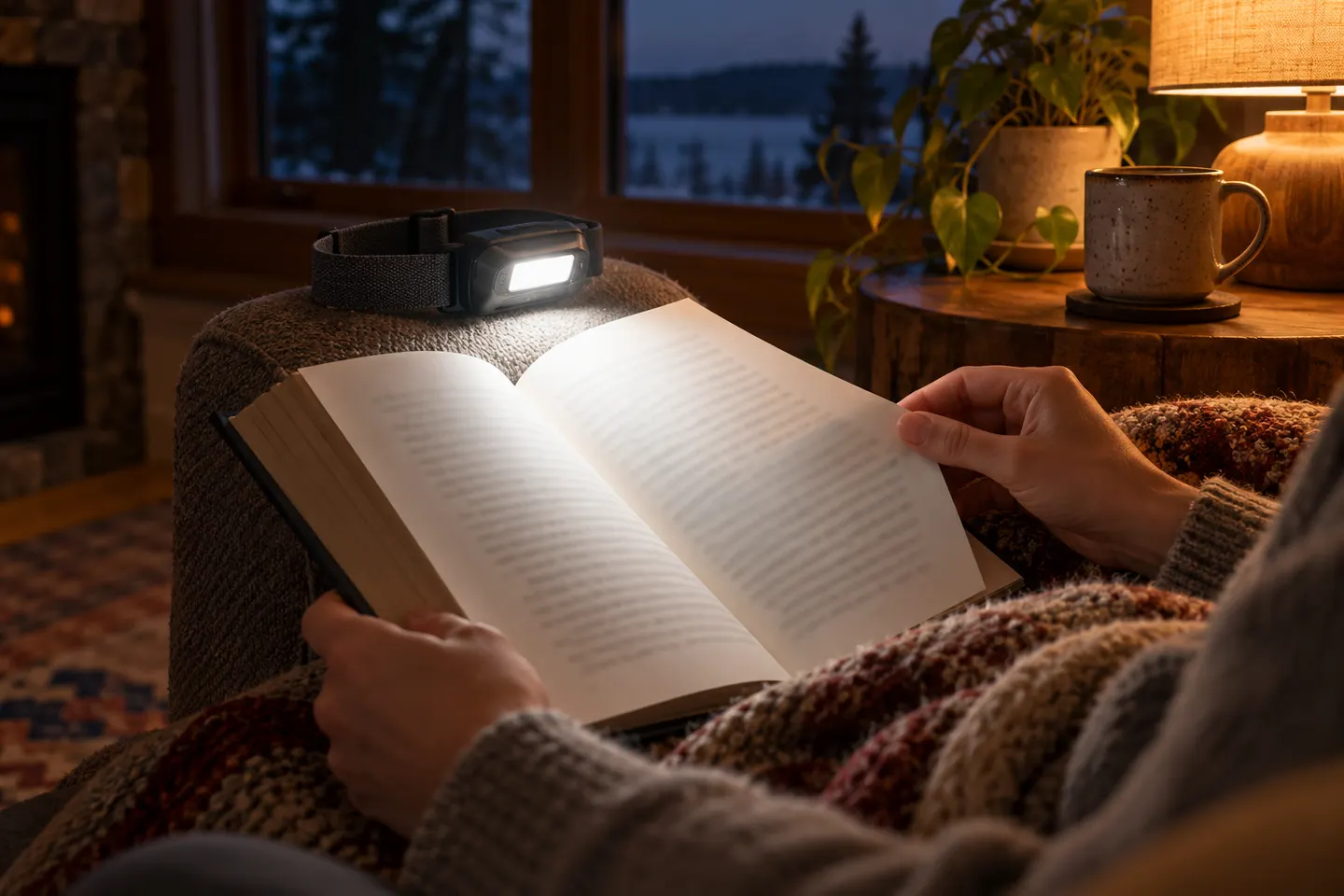
Look for a broad, even near-field beam and a genuinely low setting. Aim the light at the page rather than across the room, and avoid pointing it toward anyone sharing the bed.
Start at the dimmest useful level. More brightness can cause glare on glossy pages and disturb a partner, while a lower mode may also reduce battery use.
Tilt the lamp down so the page is lit from above. Adjust your book or e-reader to reduce reflections, and avoid direct light in your eyes.
A soft, adjustable band should sit securely without pressure. If you read lying down, make sure the lamp housing does not press uncomfortably against your forehead or pillow.
Red modes can be useful for preserving dark adaptation around camp, but they may make page colors harder to distinguish. For an e-reader, reduce screen brightness and avoid reflecting the lamp off the display.
A headlamp is handy when you need hands free or are reading in a tent. At home, a shaded bedside lamp may give more even light; choose based on comfort and the people nearby.
Common questions
It can be convenient if it has a low setting and an even close-range beam. Angle it at the page and keep the beam out of a sleeping partner?s eyes.
White light generally makes printed text and colors easier to see. Red light can help preserve dark adaptation outdoors, but may reduce color detail.
Use a comfortable brightness and do not stare directly into the LED. If you have a vision concern or discomfort, stop and seek appropriate advice.
Tilt the beam down toward the page, use the lowest useful setting and turn the lamp off when you look directly at the other person.
Keep exploring
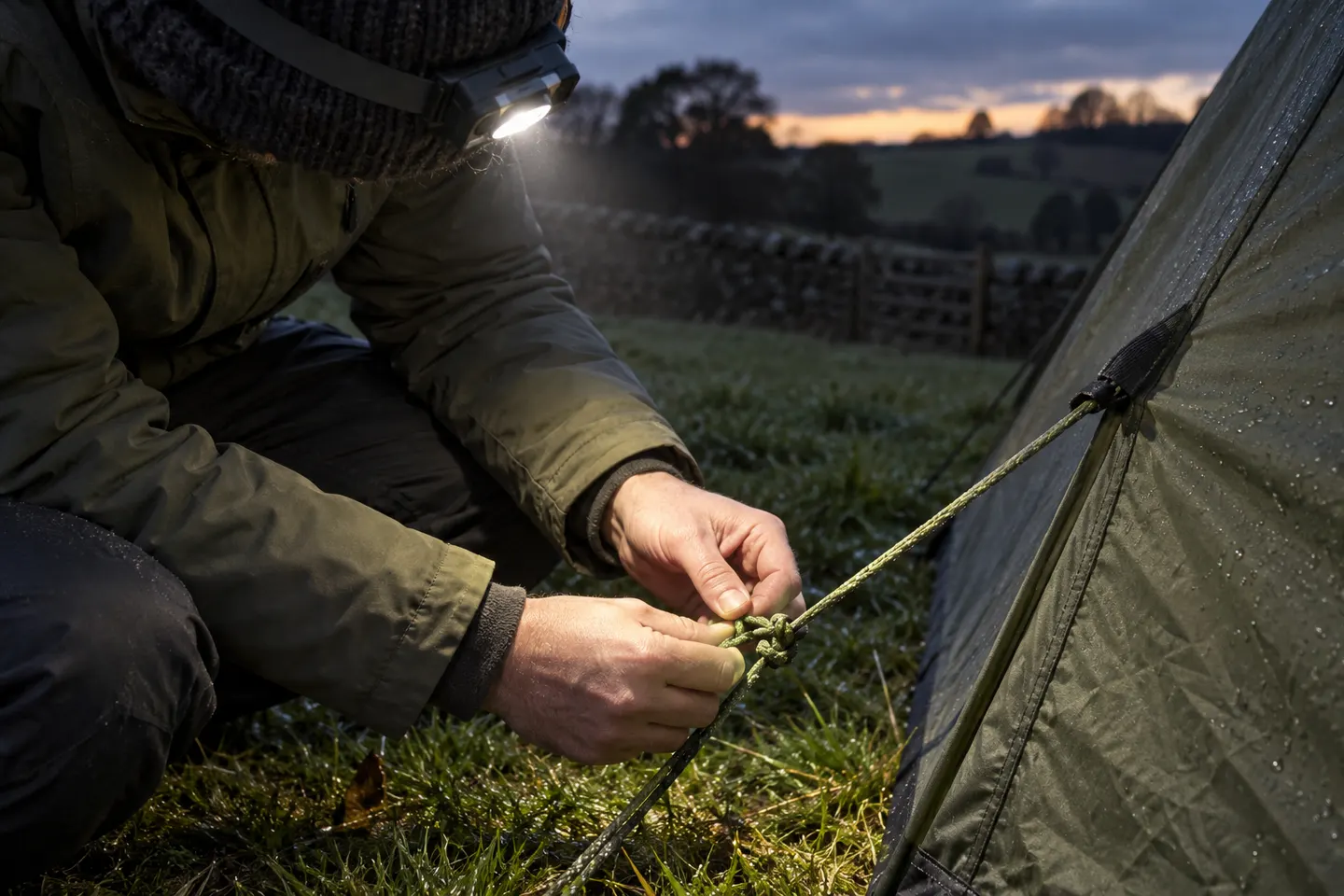
A headlamp keeps both hands free. Choose by activity, beam and power source.
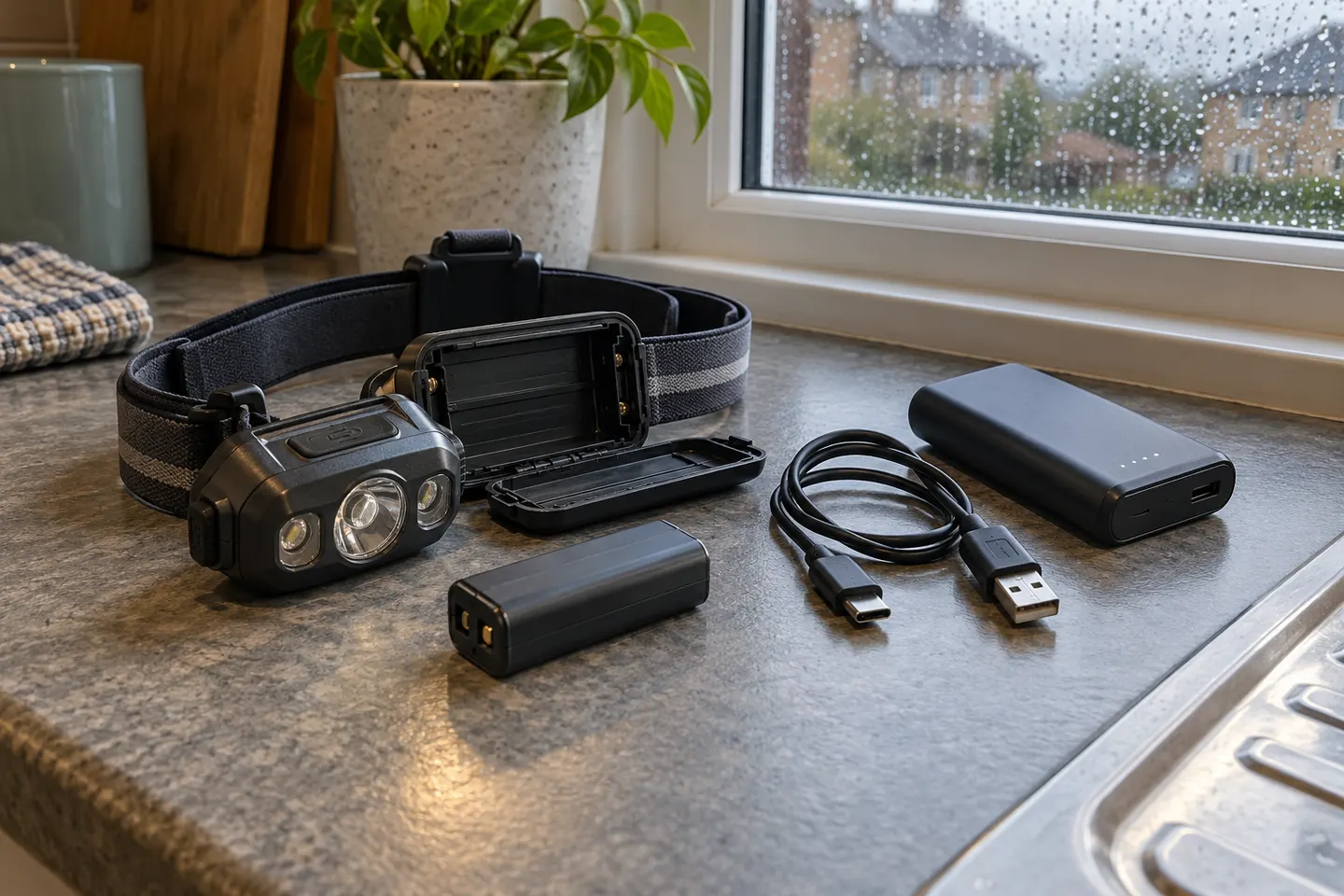
A rechargeable headlamp can simplify regular use. Check how it charges and whether you can carry a backup power source.
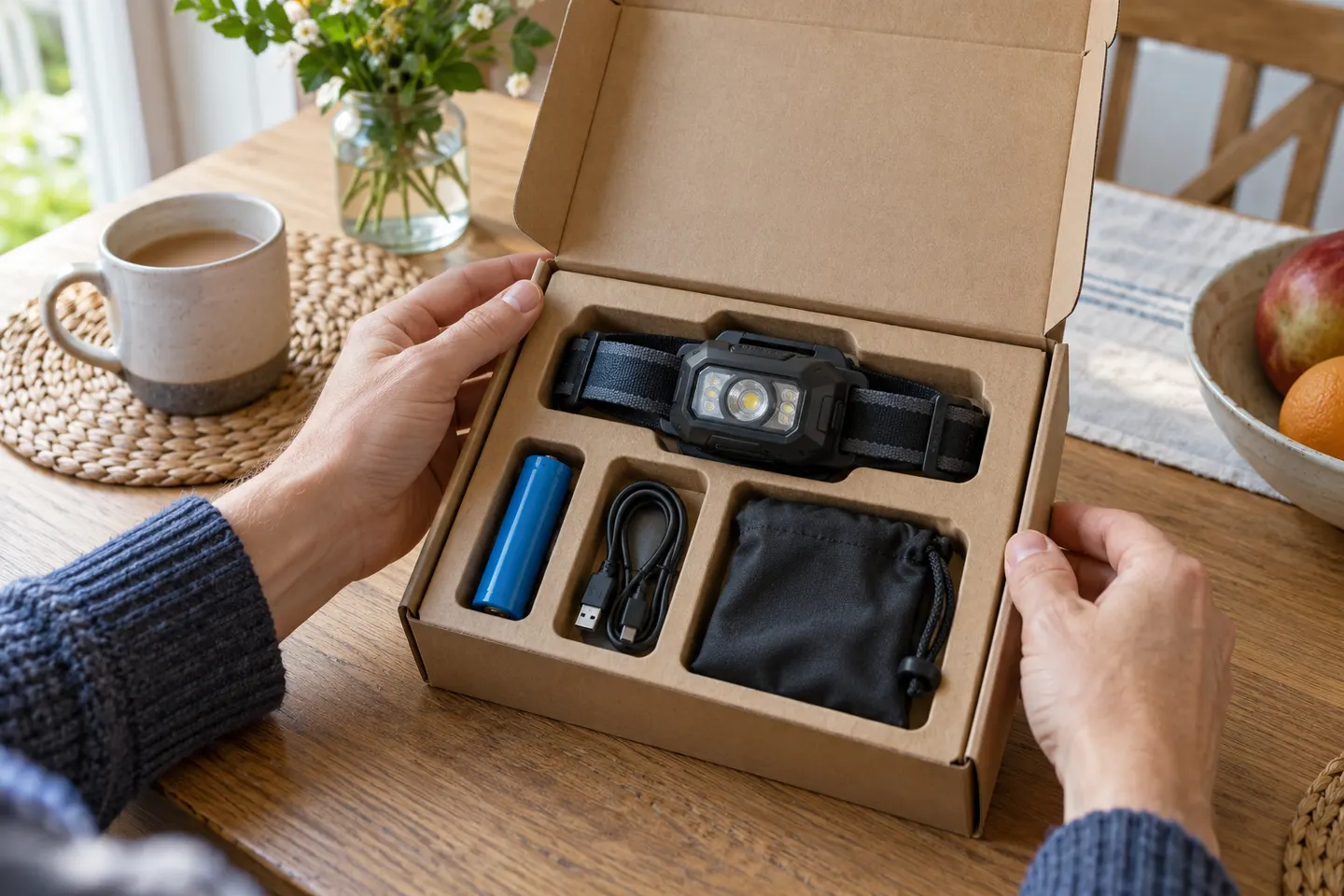
Focus on the battery system: removable packs, charging arrangements and access to a spare can matter as much as the lamp itself.
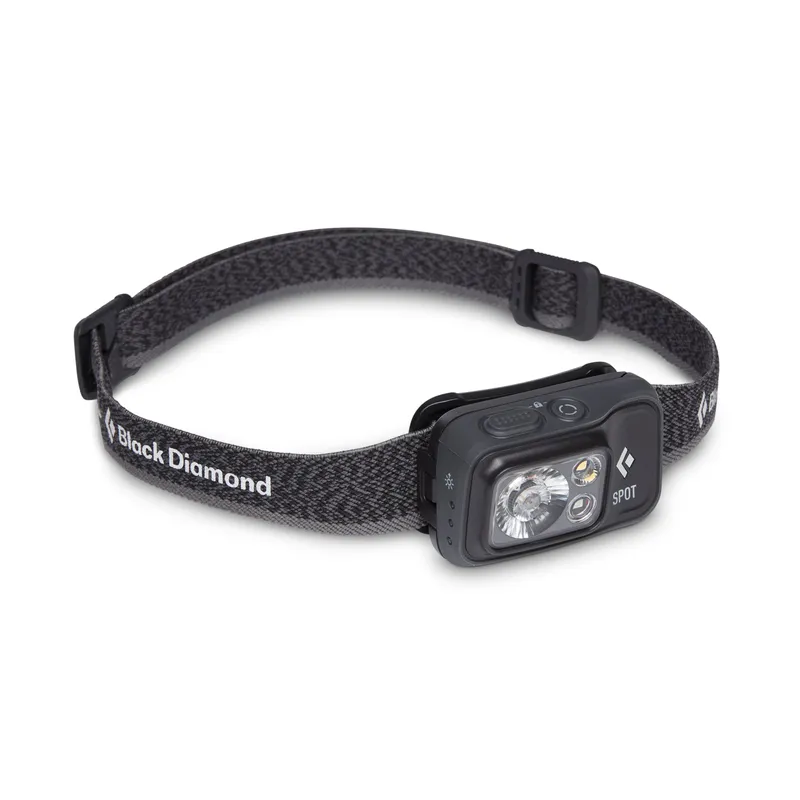
The Spot 400 is a versatile dual-fuel option; choose by whether you want replaceable AAA cells or a rechargeable battery, plus the features your activity needs.