



 Official manufacturer image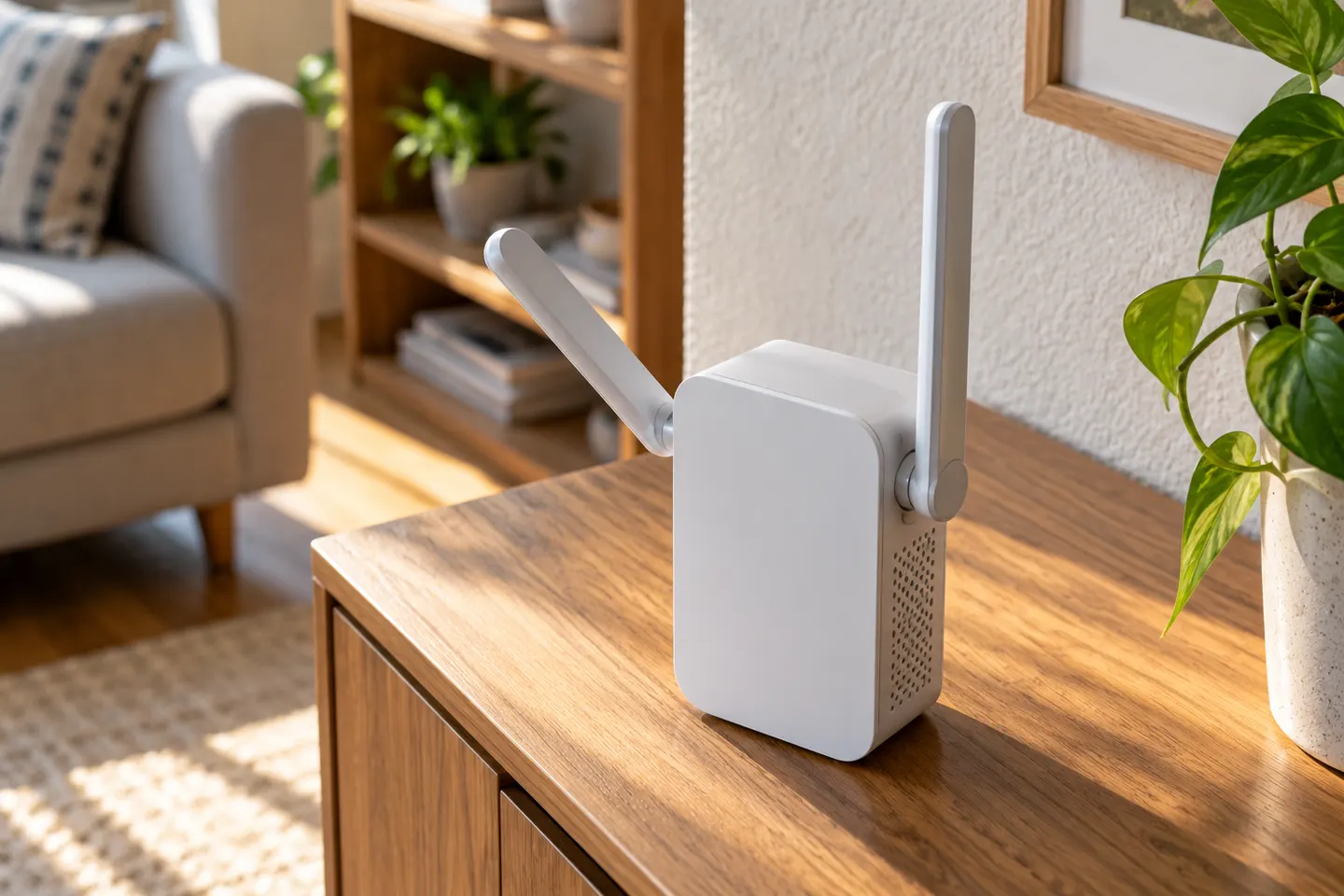
Our picks
Top picks
Official manufacturer image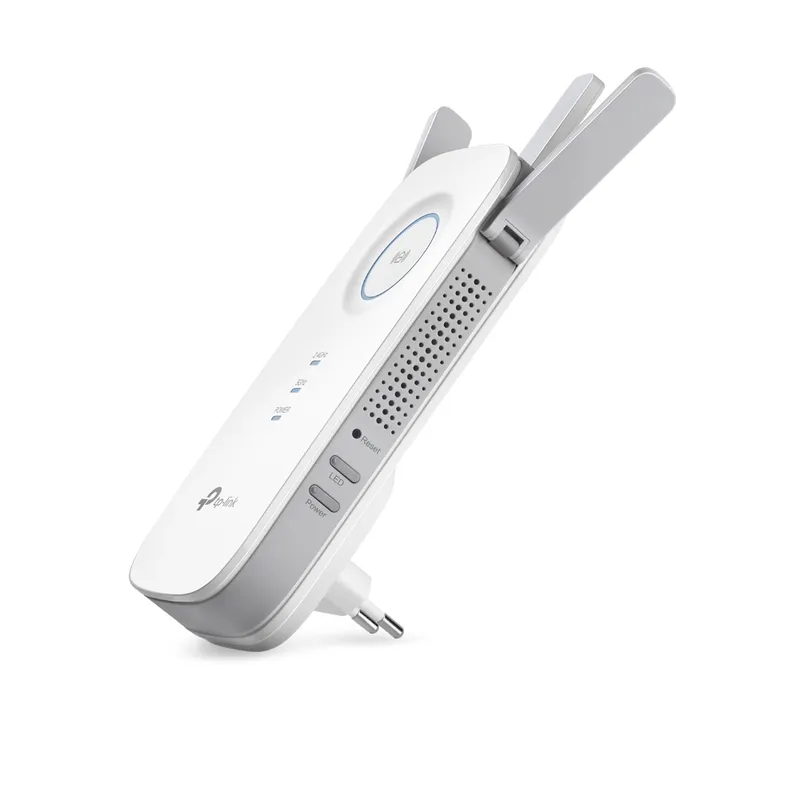 Official manufacturer image
TP-Link RE450
Check price on Amazon AU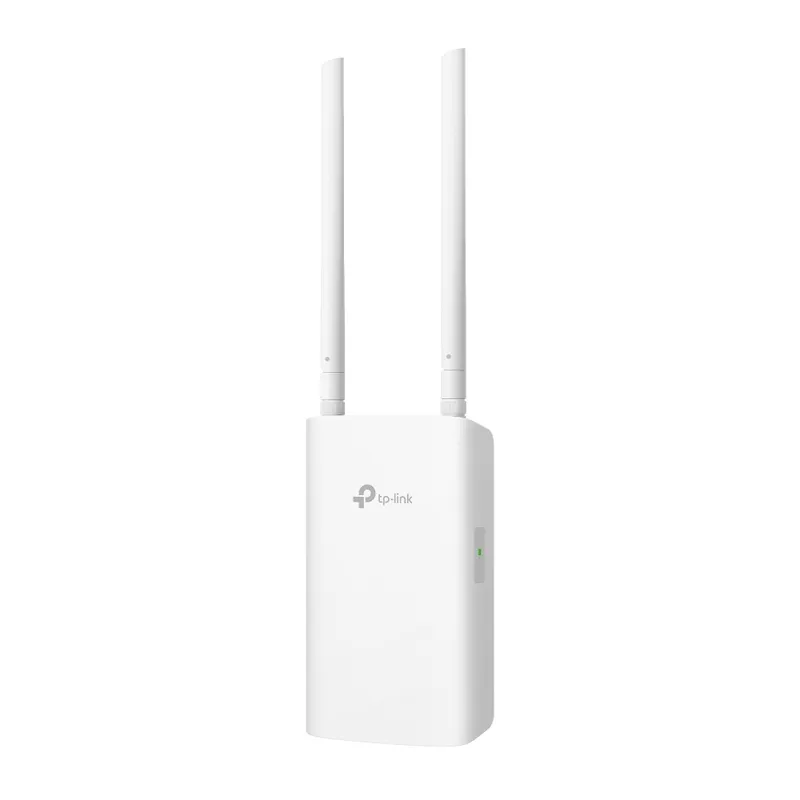 Official manufacturer image
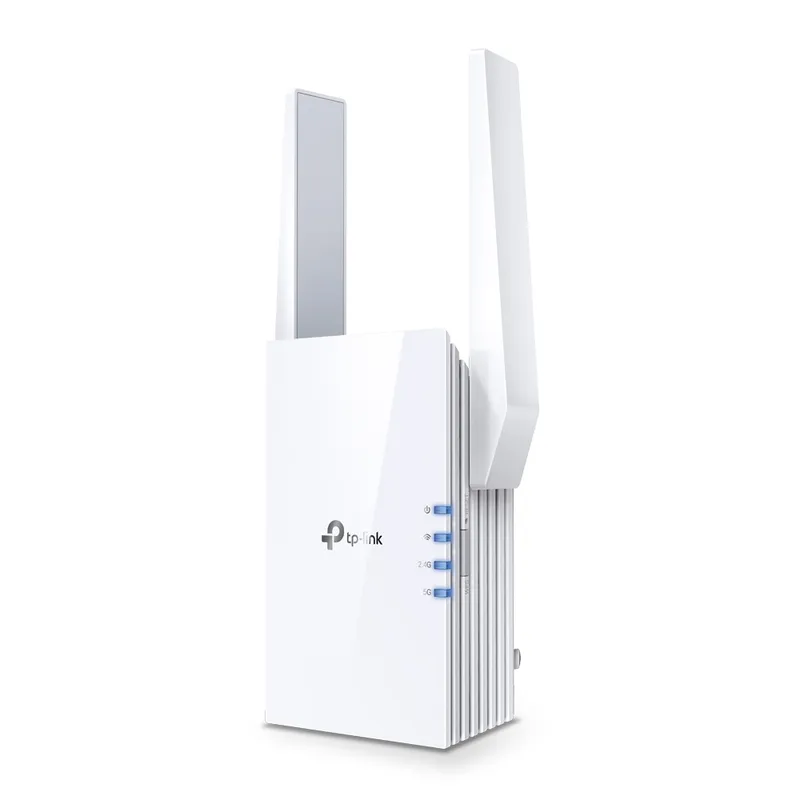
TP-Link RE705X-Outdoor
Check price on Amazon AUCommon questions
Questions before you buy
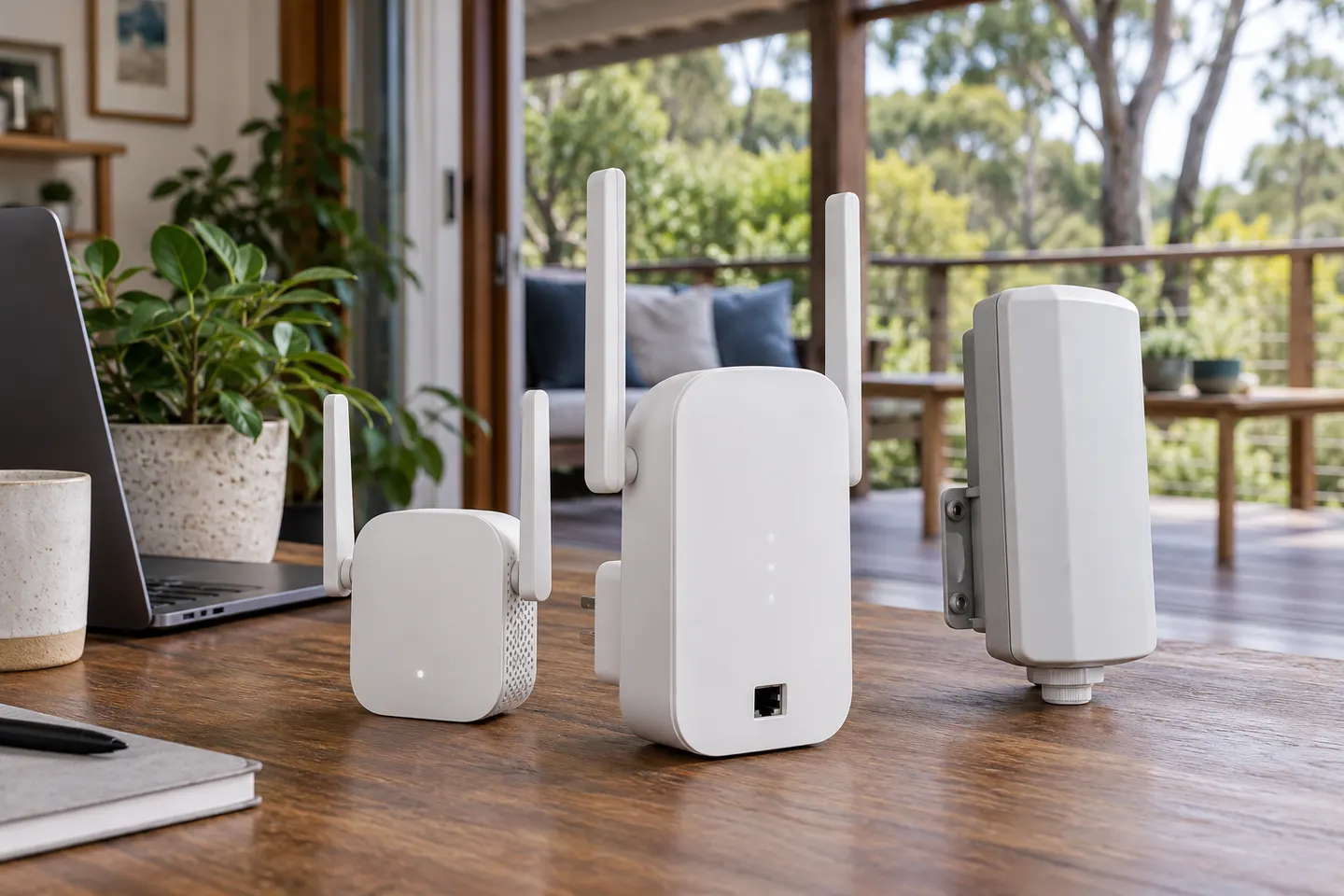
Do WiFi extenders have antennas?
Yes. Some models have internal antennas and others use external ones. The design and radio specifications matter more than the visible number of antenna elements.
Are external antennas better on a WiFi booster?
Not automatically. External antennas may allow different placement or orientation, but usable performance also depends on the radio, router link, interference and building layout.
Can I add an antenna to a WiFi extender?
Only if the specific model has antenna connectors designed for that purpose. Many plug-in extenders have fixed internal antennas, so check the manufacturer specification before attempting any modification.
Does more antennas mean longer WiFi range?
No. Antenna count by itself is not a range measurement. Compare manufacturer coverage guidance and the radio bands, and remember that walls and placement affect the signal.