








 Official manufacturer image
Our picks
Top picks
Official manufacturer image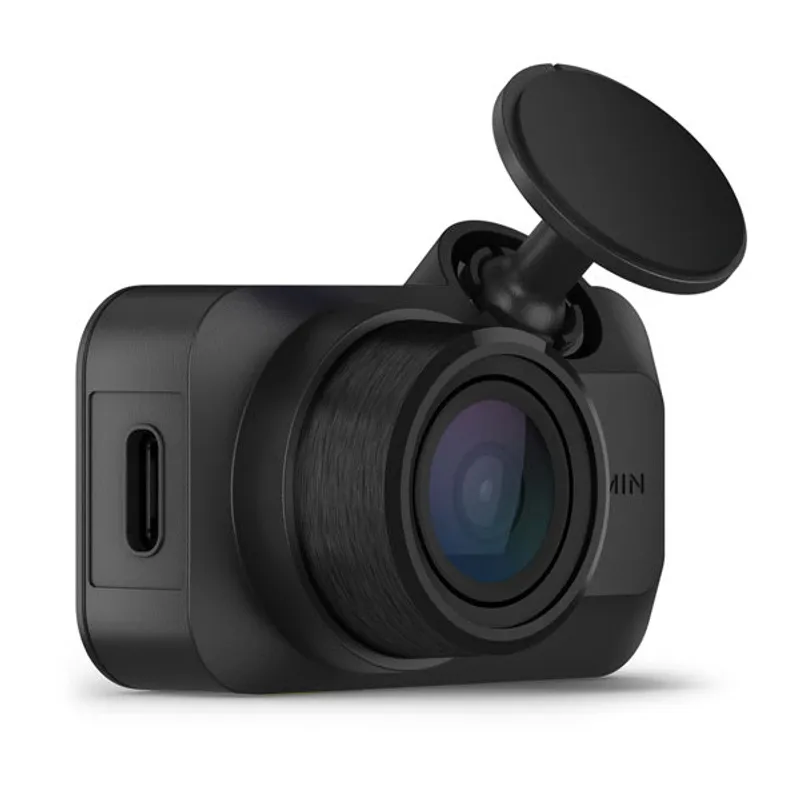 Official manufacturer image
Garmin Dash Cam Mini 3
Check price on Amazon.ca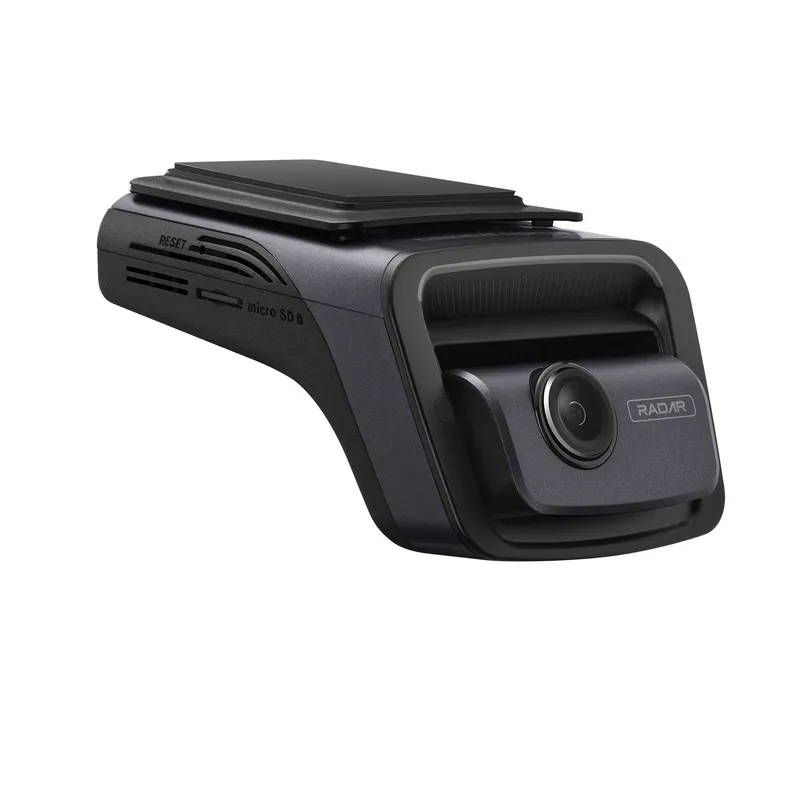 Official manufacturer image
Thinkware U3000
Check price on Amazon.caBy feature
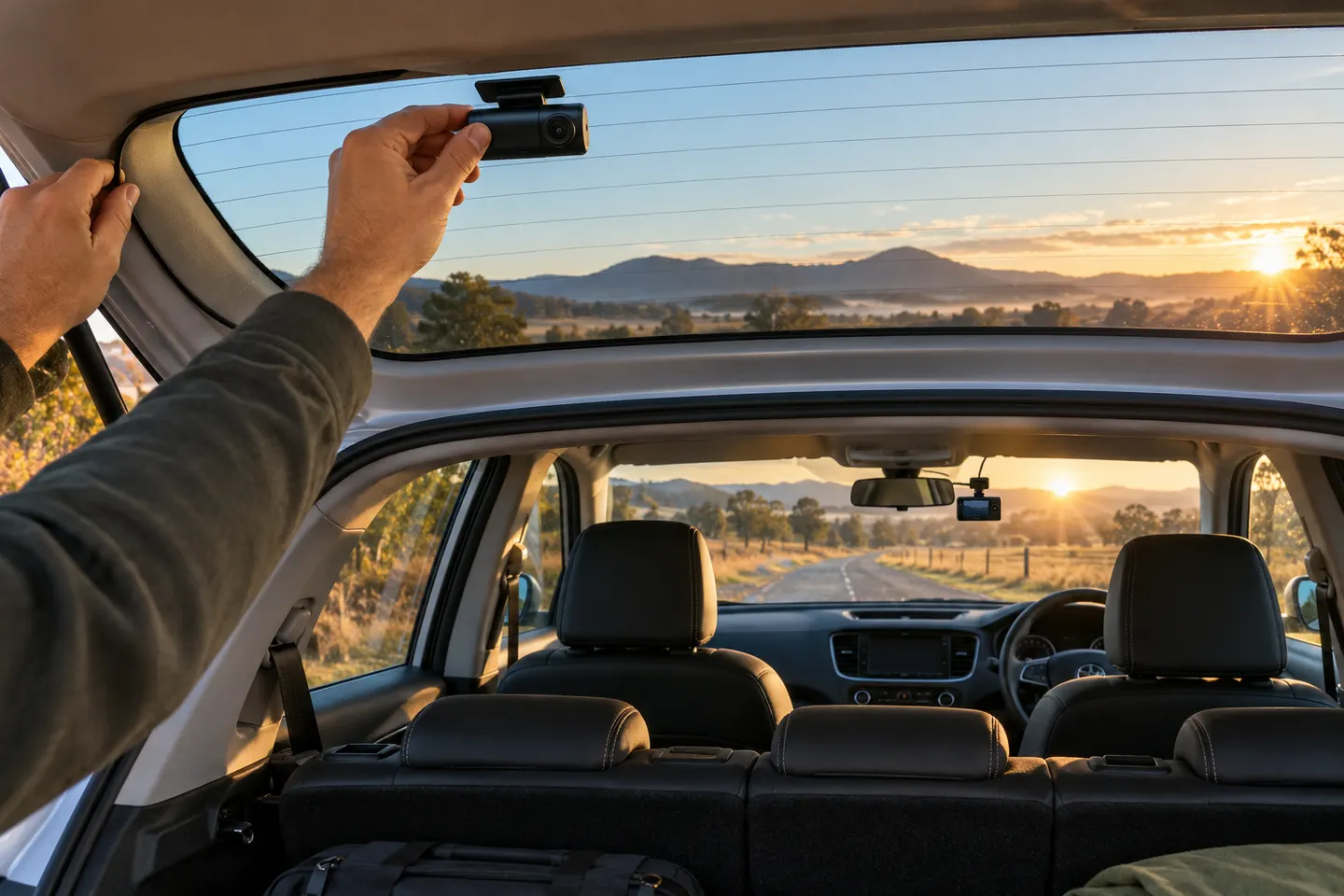 Dual
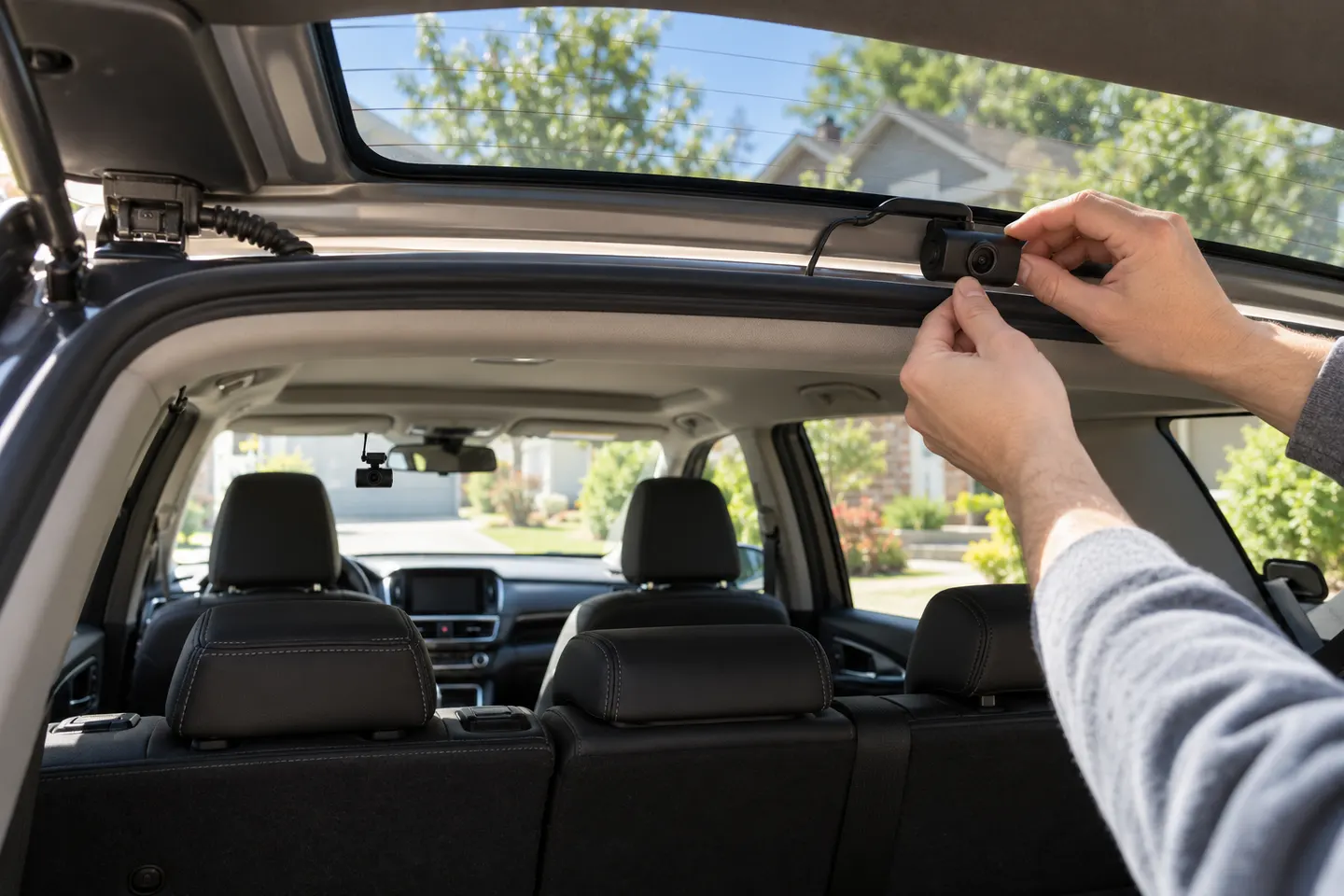 Dual channel
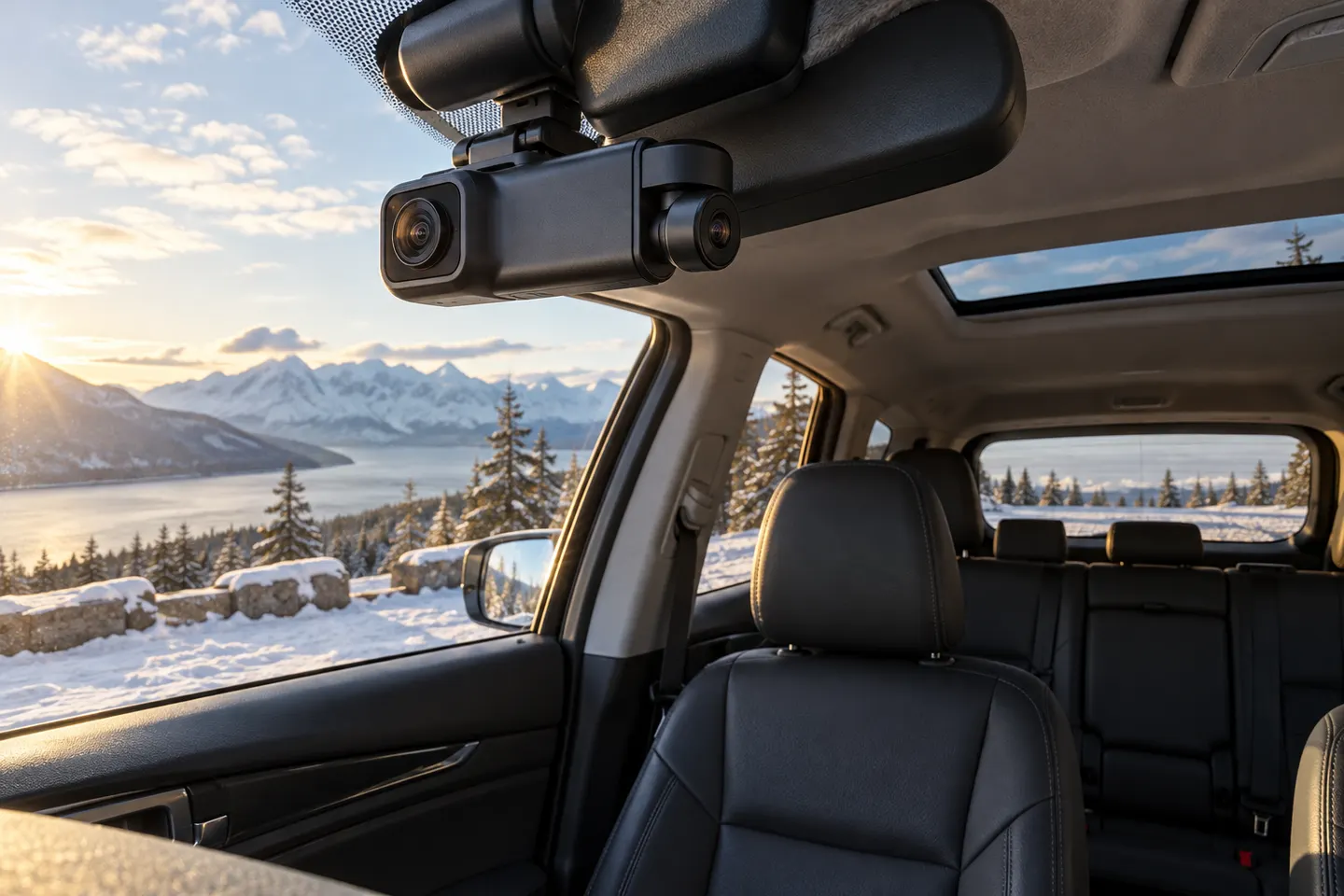 Dual view
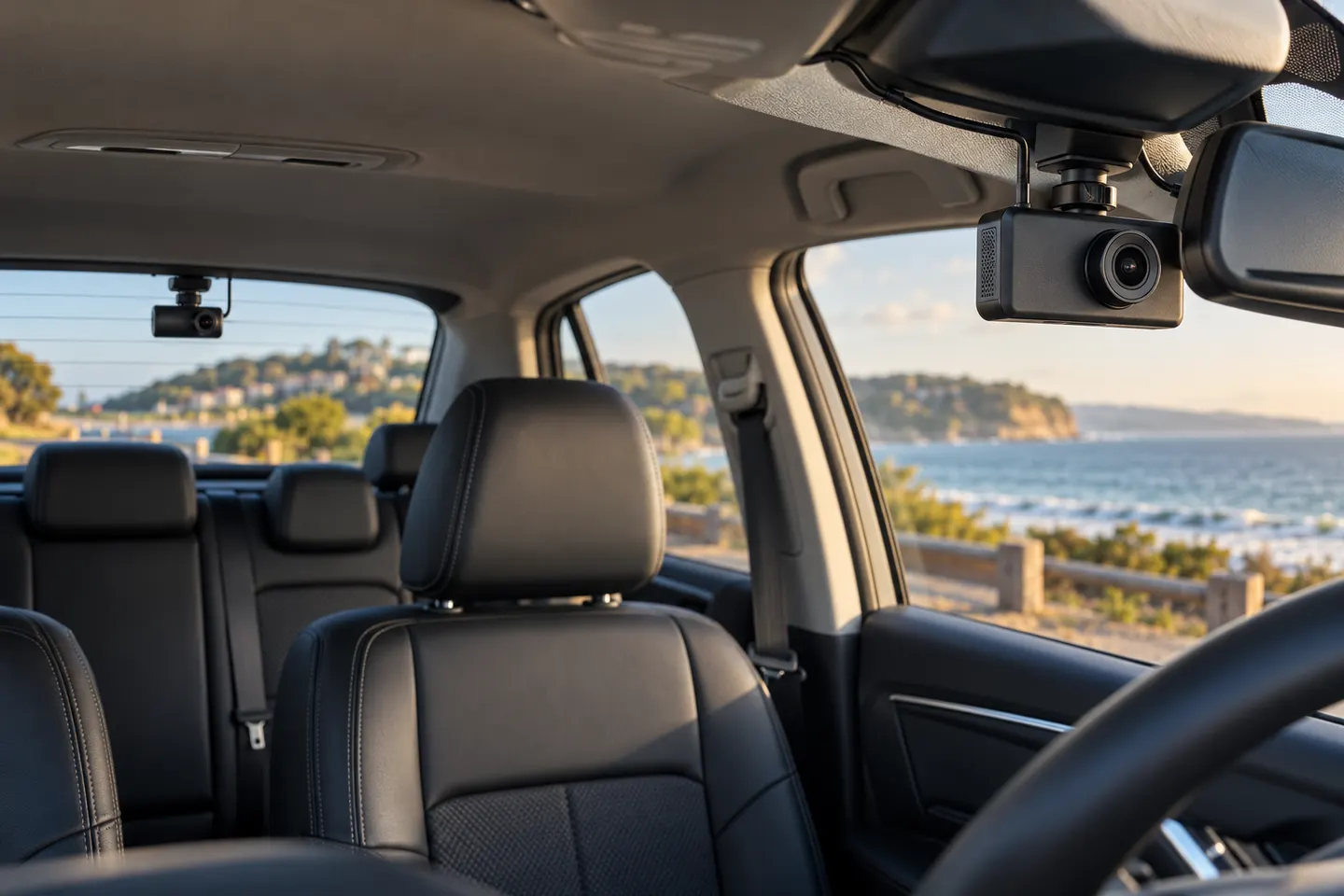 4k dual
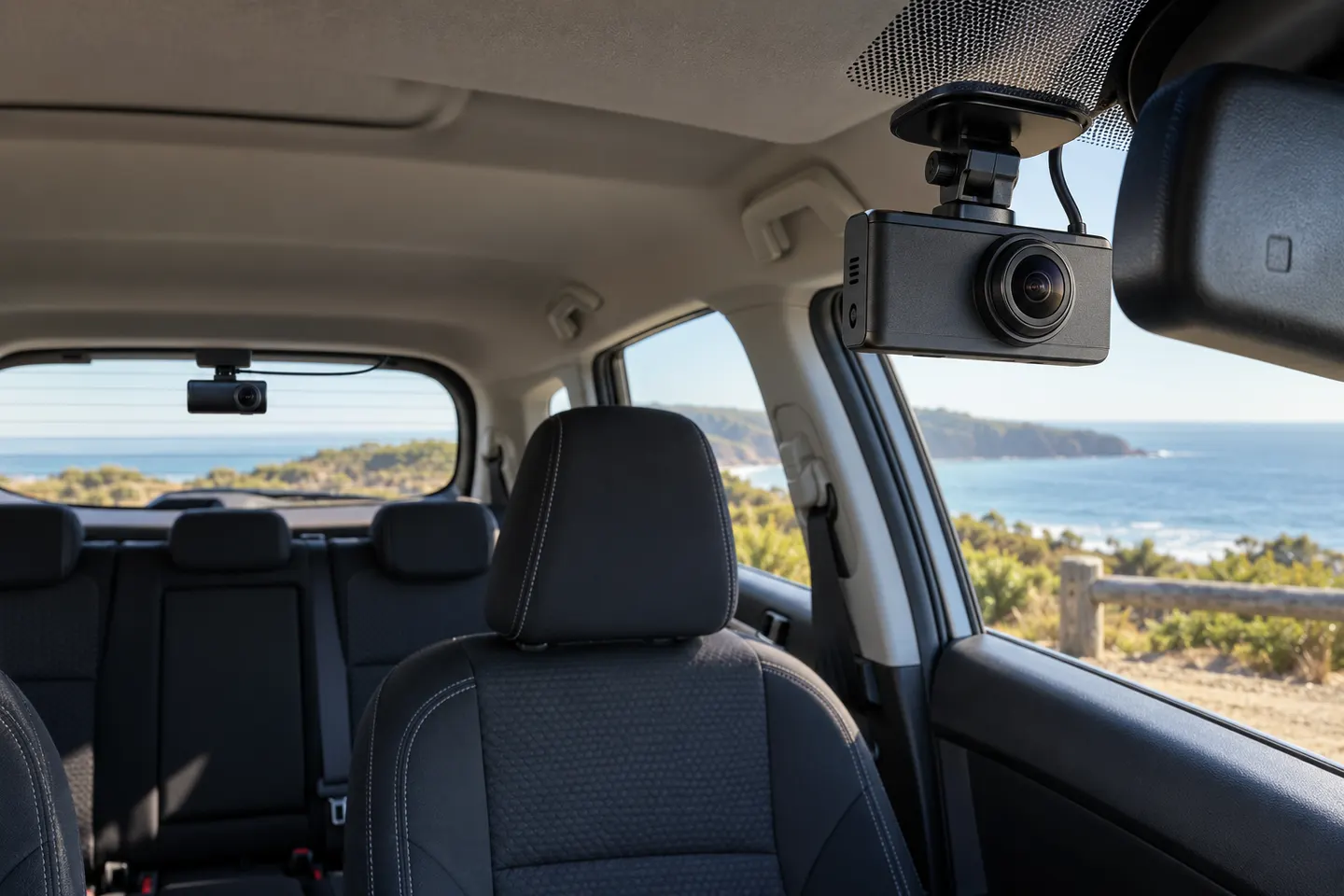 4k dual channel
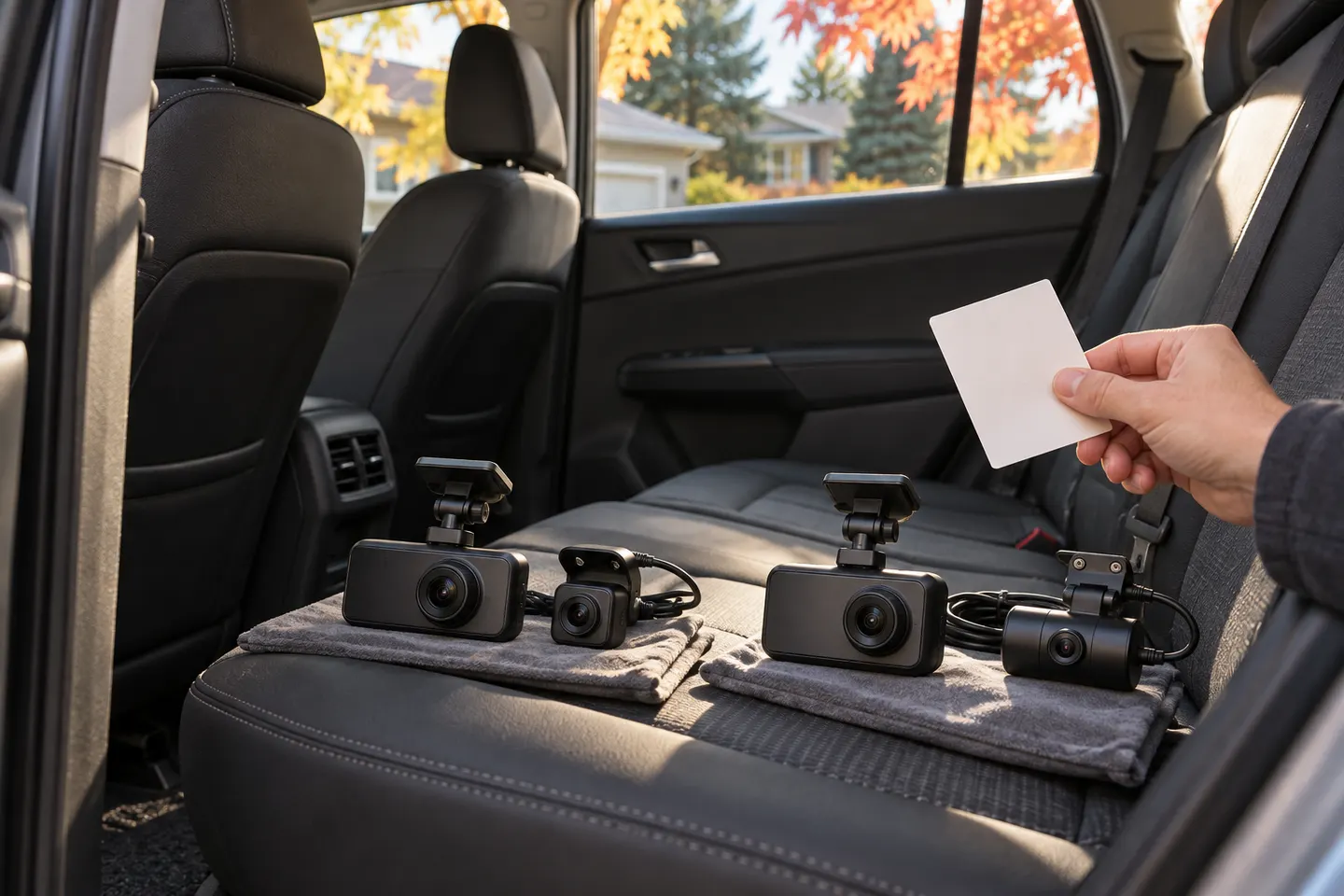 Reload dual
Common questions
Questions before you buy
What is the difference between dual lens and dual channel?
Dual lens describes two lenses, often in one device; dual channel describes two recorded video feeds and may use a separate rear camera. Product terminology is not always consistent.
Is a cabin lens useful at night?
It can be for rideshare or commercial drivers, especially when the camera includes infrared illumination. Check whether that mode records colour or monochrome footage.
Can both lenses record at full resolution?
Only if the manufacturer specifies those resolutions for simultaneous operation. Some cameras reduce resolution or frame rate when both feeds are active.
Does a wider car camera lens capture more detail?
It captures more of the scene, but objects occupy fewer pixels. A balanced field of view and good image processing may be more useful than the widest number.