









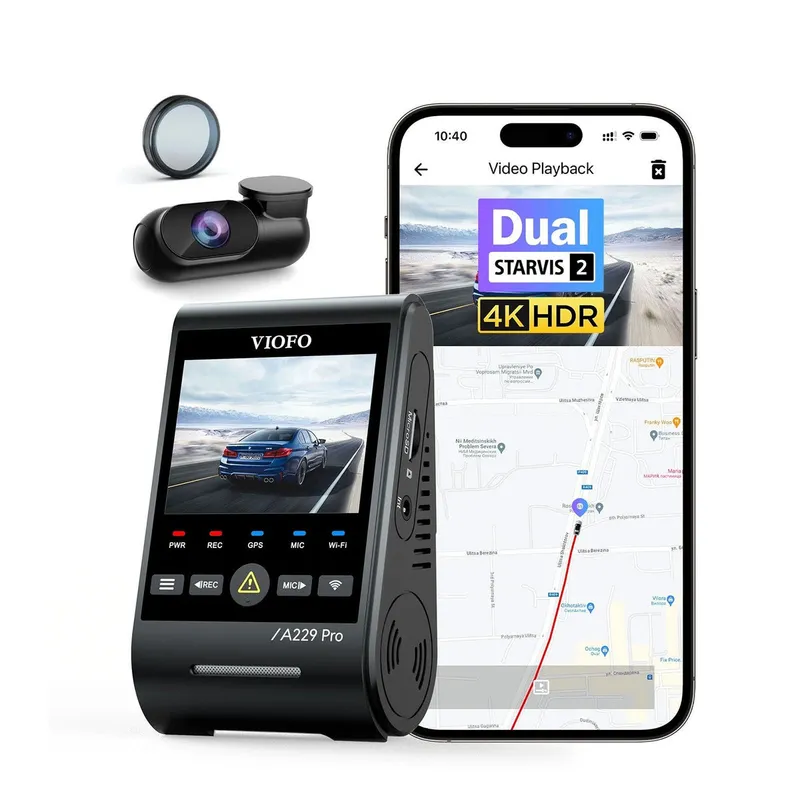
 Official manufacturer image
Our picks
Top picks
Official manufacturer image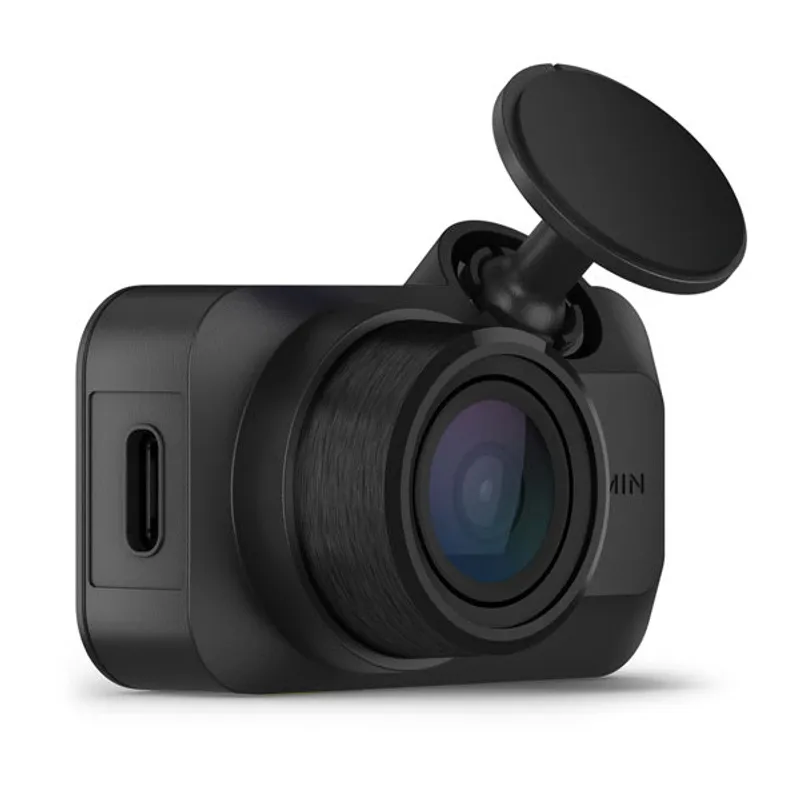 Official manufacturer image
Garmin Dash Cam Mini 3
Check price on Amazon.ca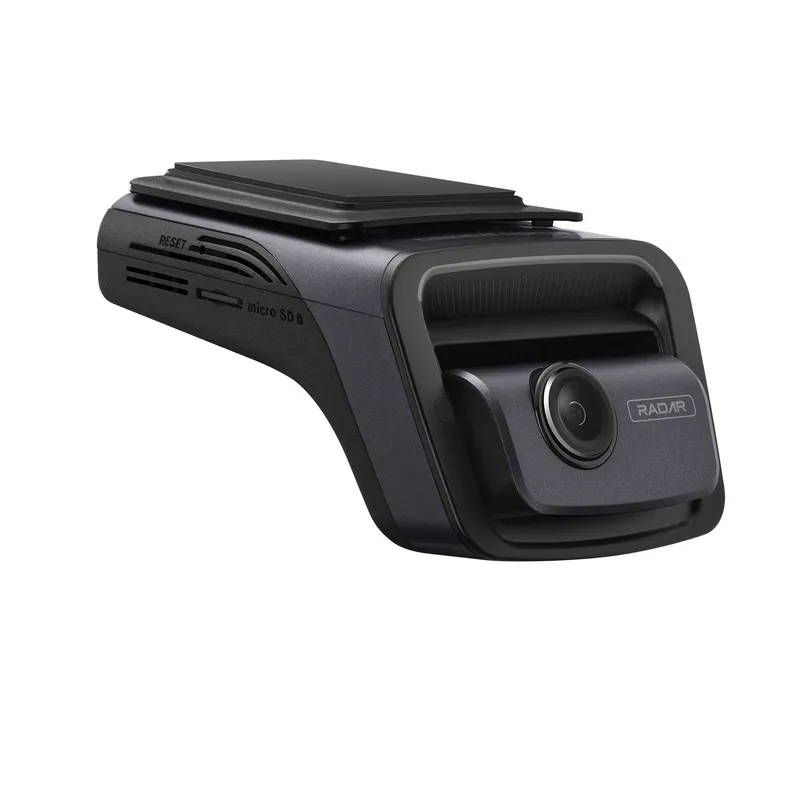 Official manufacturer image
Thinkware U3000
Check price on Amazon.caBy feature
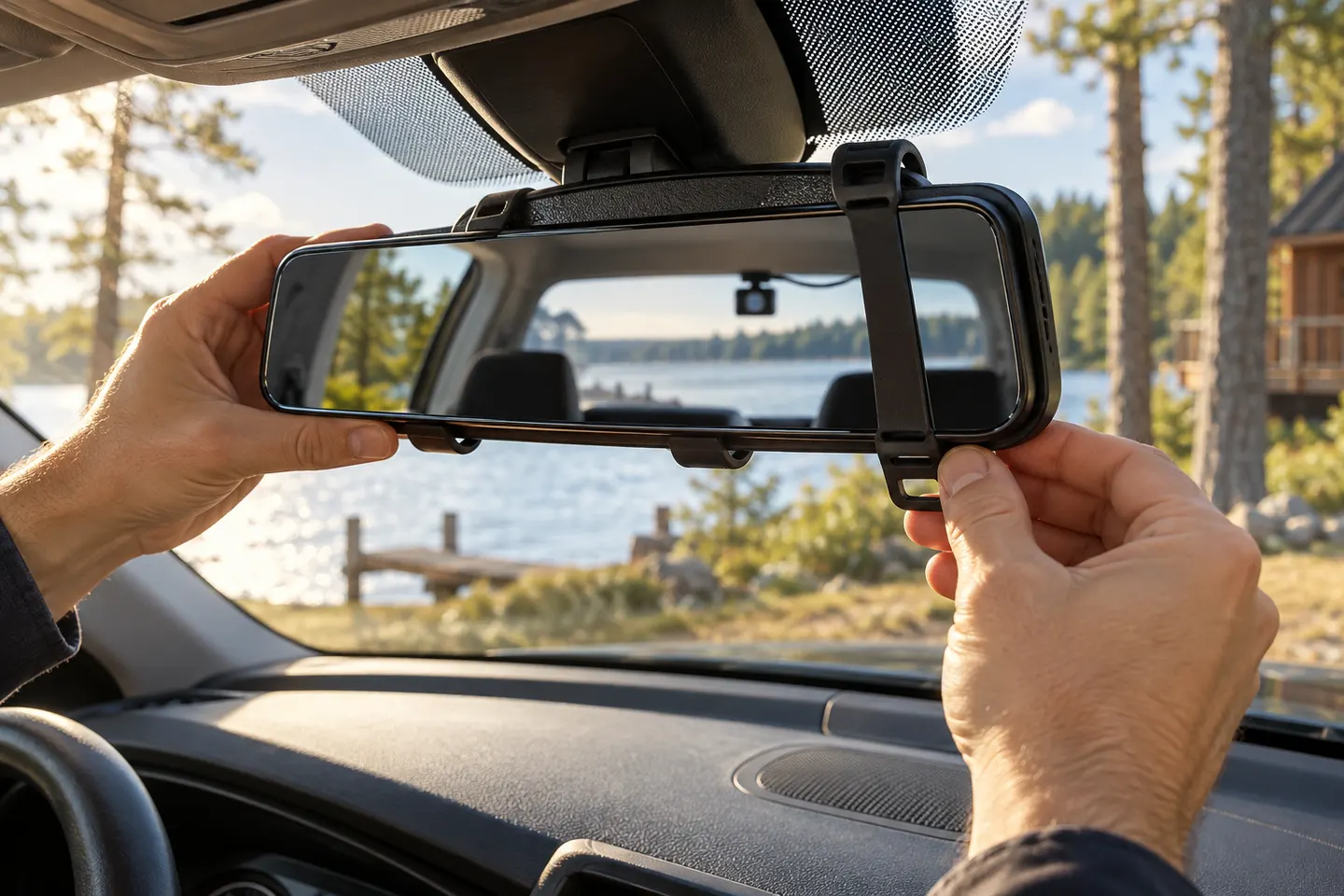 Rear view mirror
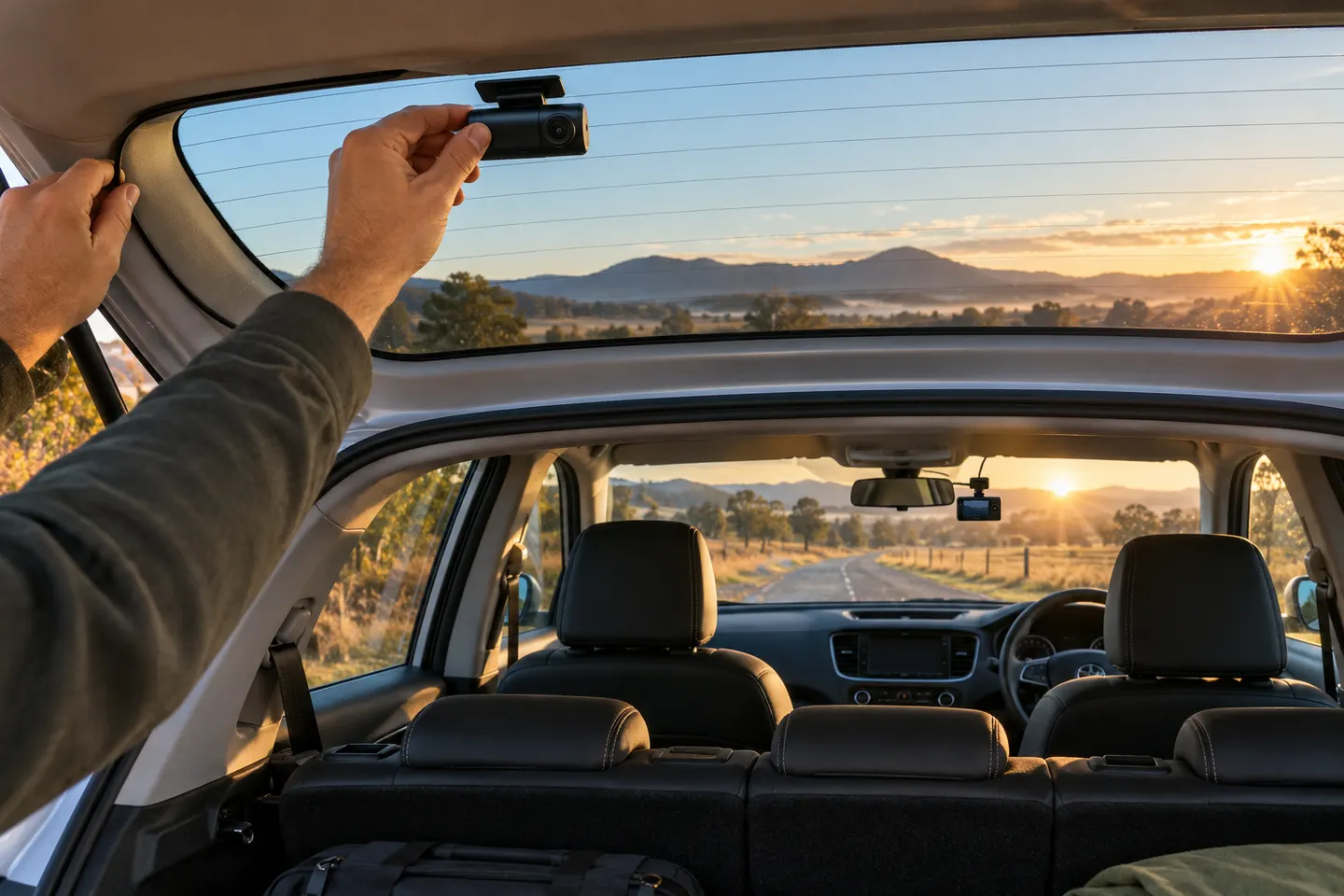 Dual
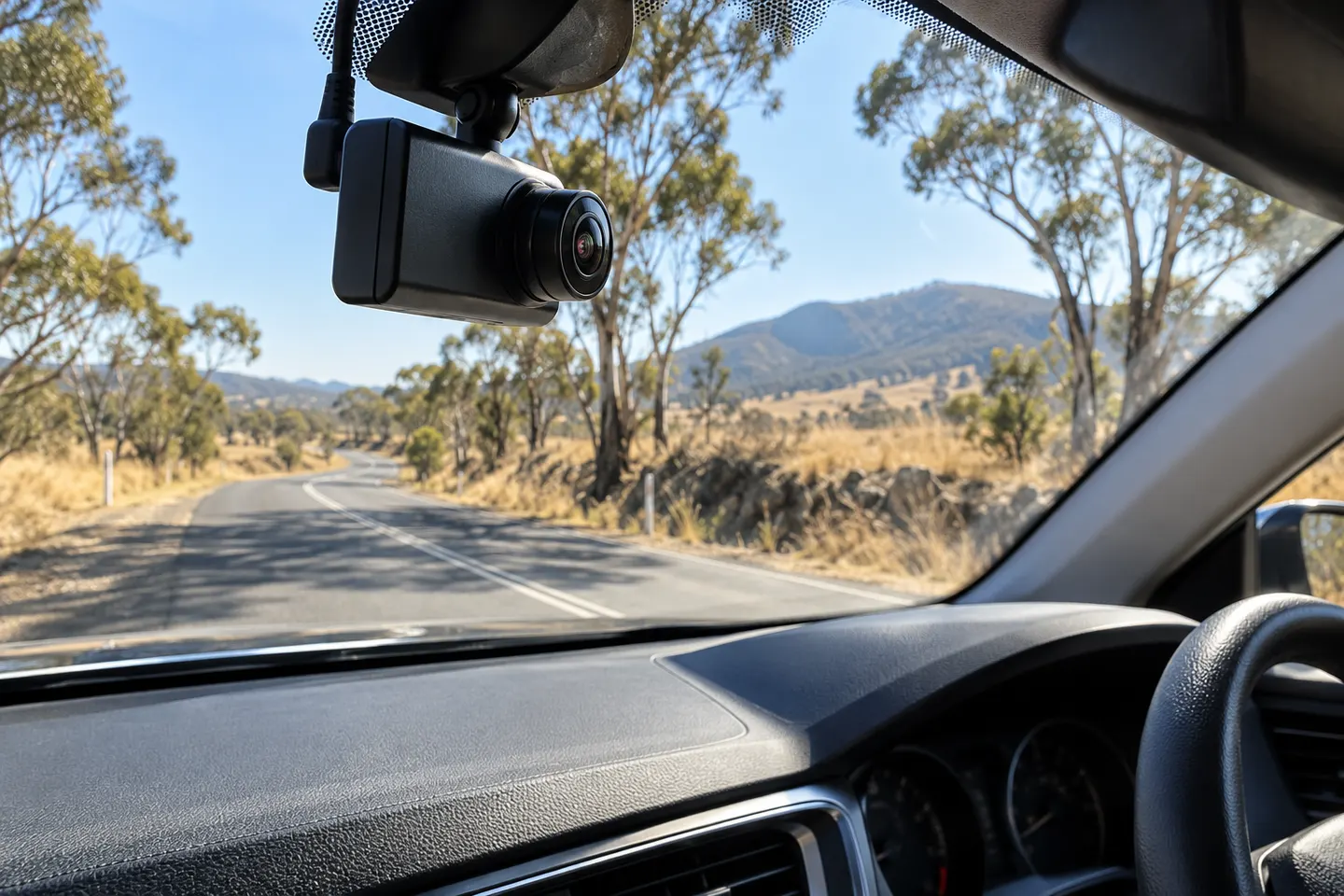 4k
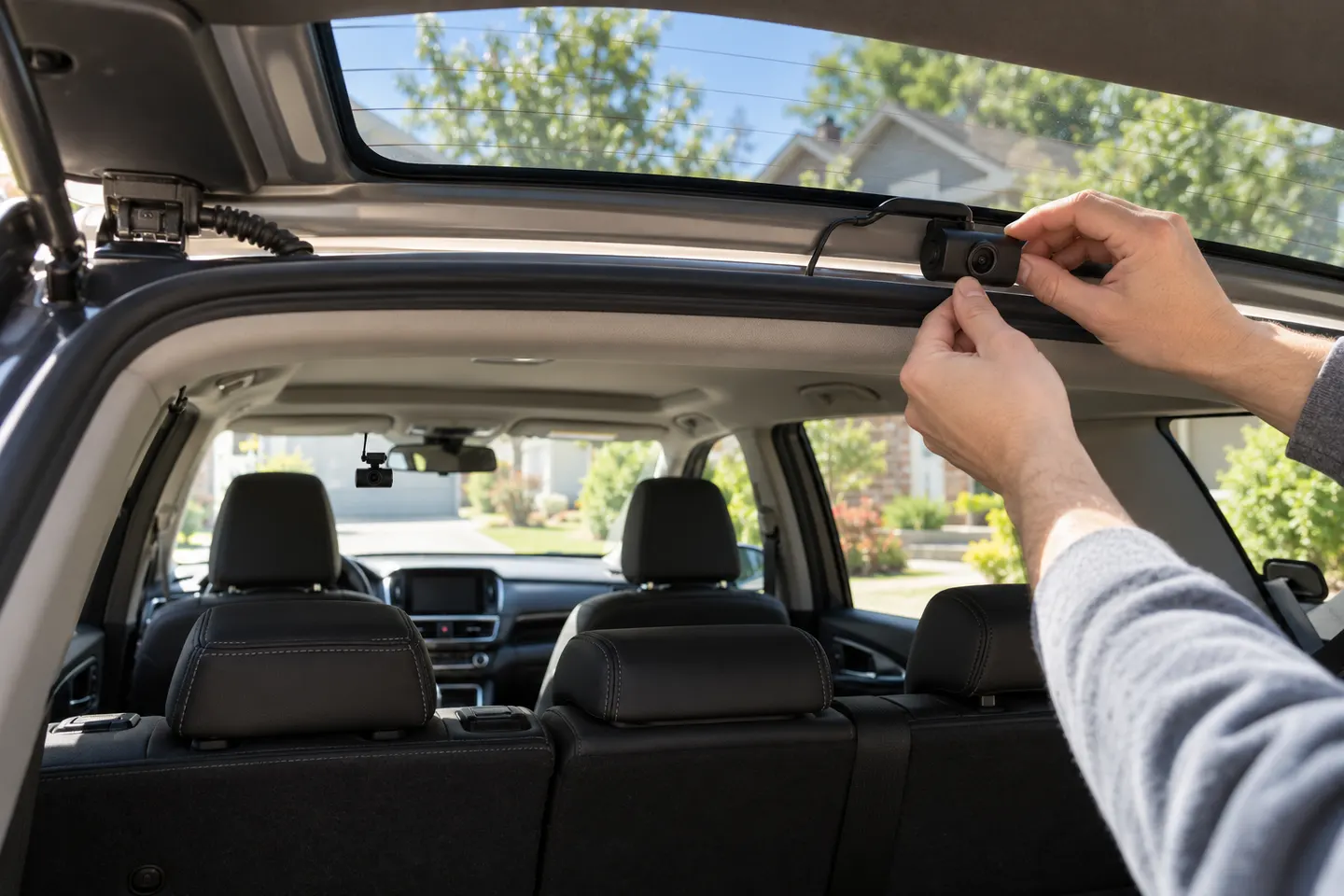 Dual channel
Show all (7)
More topics
Common questions
Questions before you buy
What does dual-view mean on a dash cam?
It means the system records two viewpoints, but those may be front and rear, road and cabin, or front and side depending on the product.
Do dual-view dash cams record both views in 4K?
Usually not. Check each channel separately because a 4K front feed is often paired with a lower-resolution secondary camera.
Is a cabin camera useful for rideshare driving?
It can document the passenger compartment, but drivers must consider privacy, notice, audio settings and applicable law.
Is a mirror dash cam the same as a front-and-rear kit?
Both can cover front and rear, but a mirror system also replaces or overlays the mirror view with a display and may require different mounting and rear-camera placement.