Gearjury may earn a commission from retailer links included in our dash cam guides.
Guide
Where to Place a Dash Cam on Your Windshield
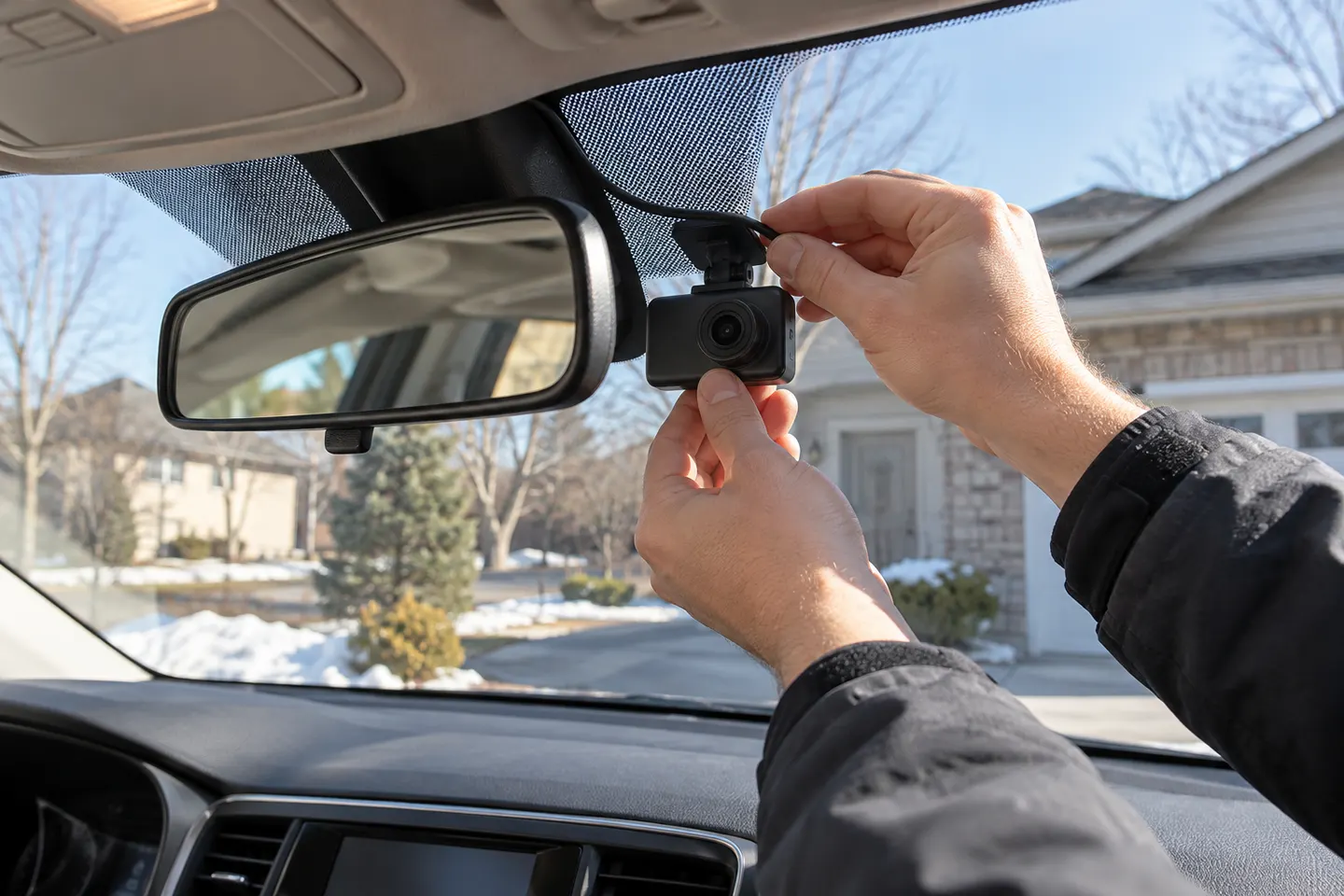
Mount the front camera high on the windshield, usually near and behind the rear-view mirror, where it sees the road without obstructing your view. Check provincial rules and vehicle sensor zones first.
GGearjury editorial team · Updated October 15, 2026· 6 min
01
Where to place a dashcam on the windscreen
Sit in your normal driving position and choose a high central area that does not block any part of the road view. Behind or immediately beside the rear-view mirror often keeps a compact camera outside your direct sightline while leaving its lens within the wiper-cleared area.
02
Check the law before sticking the mount
Windshield rules differ across Canada. Ontario's Highway Traffic Act prohibits an attached object when it obstructs the driver's view, so treat an unobstructed sightline as a hard constraint and check the rule where you drive.
03
Avoid cameras and driver-assistance sensors
Look from outside the vehicle for the shaded sensor housing around the mirror. Do not cover its lens, radar or ventilation area. Consult the vehicle manual because windscreen replacement, calibration and approved clear zones vary by make.
04
Aim the lens at road, not sky
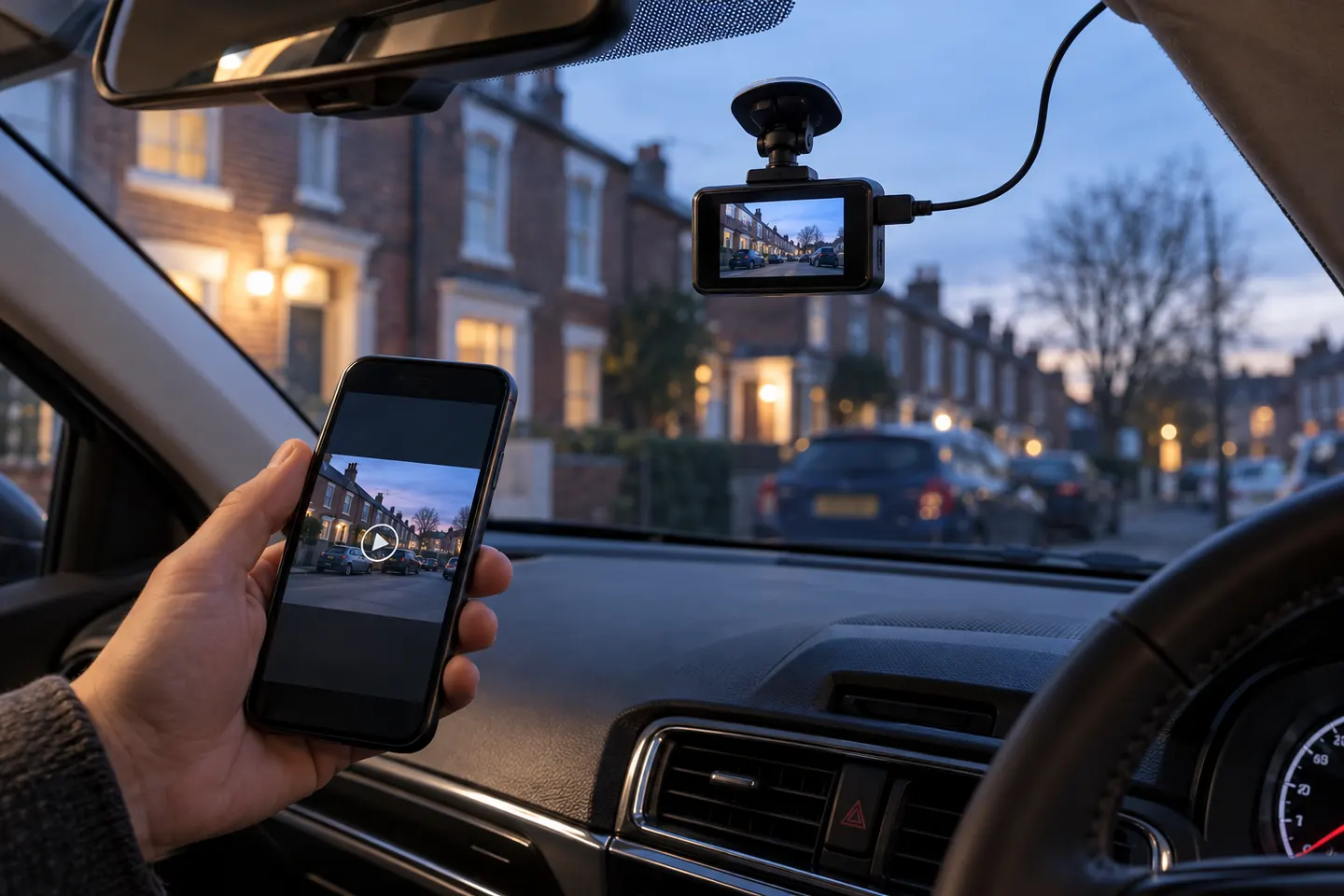
With the car level, preview the image and place the horizon around the middle of the frame unless the camera maker instructs otherwise. Too much sky can reduce useful road detail; too much dashboard wastes the field of view and can increase reflections.
05
Route the power cable away from airbags
Tuck the lead along fixed trim only where the vehicle manual permits. Never run it across an A-pillar airbag or leave slack near the pedals, steering column or gear selector. Professional installation is sensible when trim removal or fuse access is uncertain.
06
Place rear and cabin cameras deliberately
Centre a rear camera high on the back glass where a wiper clears the view and defroster lines cause minimal obstruction. Aim a cabin camera to cover occupants without hiding the driver's view, and handle audio or passenger recording according to applicable privacy rules.
Common questions
Questions before you buy
Where should a dash cam be placed on the windscreen?
High and near the rear-view mirror is usually best, provided the camera remains outside the driver's sightline and its lens has a clear, wiper-swept view.
Can I put a dash cam in the centre of the windshield?
Only if it does not obstruct the road view or conflict with local rules. A high central mount is less intrusive than one placed in the middle of the visible glass.
Should a dash cam go behind the rear-view mirror?
That position often hides the camera from the driver, but confirm that the mirror, dotted frit and vehicle sensors do not block the lens or prevent the adhesive from bonding.
Where should the rear dash cam go?
Mount it high and near the centre of the rear window, ideally within the rear wiper's swept area and away from moving hatch trim.
Can a dash cam cable cross the A-pillar?
Do not route a cable over an airbag. Follow the vehicle service guidance or use a qualified installer to keep the lead behind or clear of the deployment path.
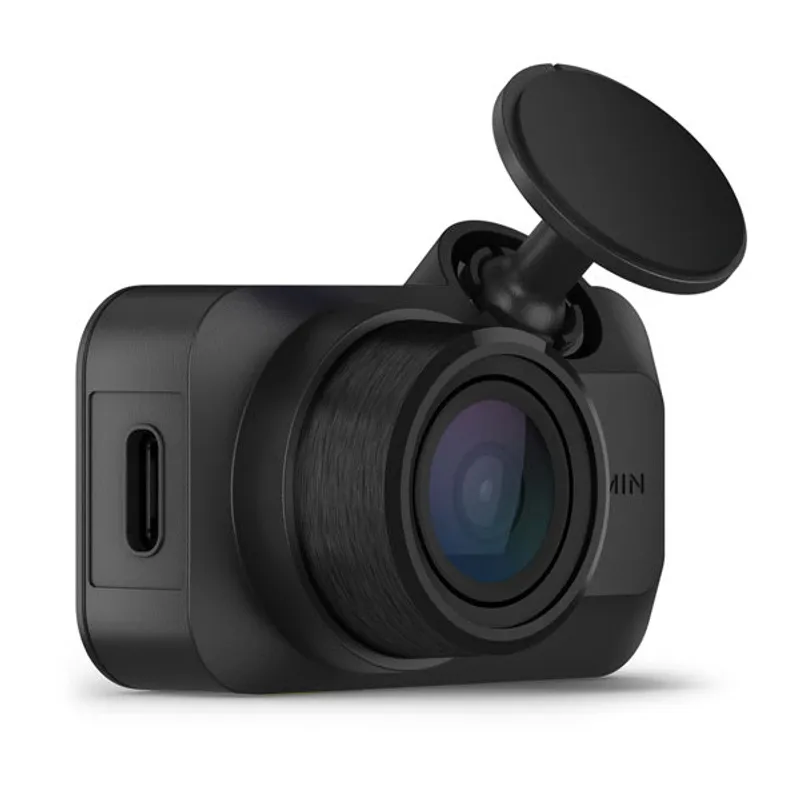
The VIOFO A229 Pro 2CH is our broadest all-round choice for front-and-rear detail. Garmin Mini 3 suits a discreet setup, while Thinkware U3000 targets parking surveillance.
Start with the view you need: front-only for simple evidence, front-and-rear for broader coverage, or parking mode for protection while stopped.
Your privacy
We use cookies and similar technologies. Necessary ones keep the site working. With your permission we also use statistics cookies (Google Analytics and Microsoft Clarity) to understand which guides help readers. You can accept all, reject all or choose. You can change your choice at any time from "Cookie settings" at the bottom of every page. Cookie policy