Gearjury may receive commission from qualifying purchases made through retailer links.
Guide
Where to Place a Dashcam in Your Car
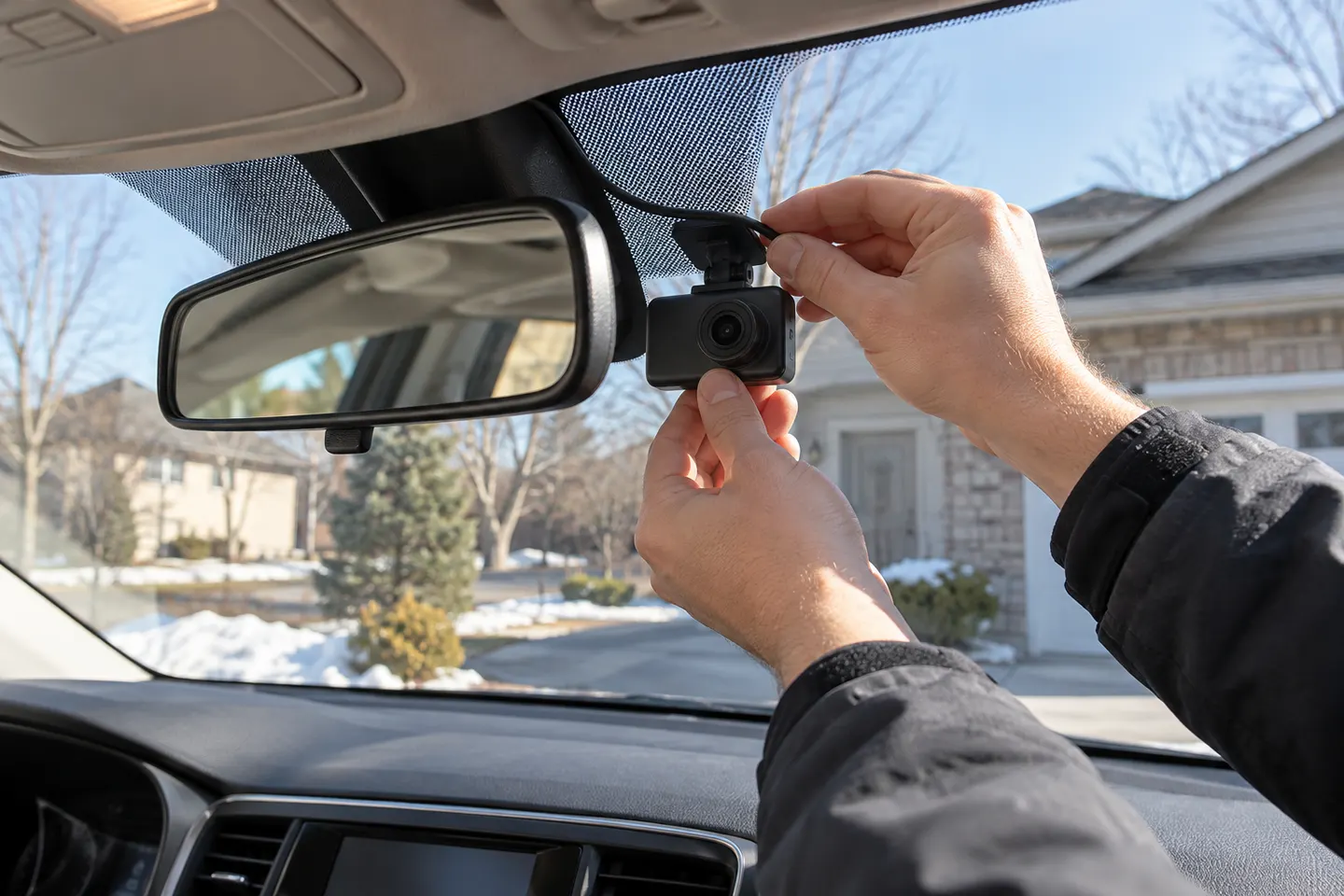
Place a dashcam high on the windscreen, commonly close to the rear-view mirror, where the lens has a clear road view and the body does not obstruct the driver. Keep it clear of vehicle cameras, rain sensors and airbag zones.
GGearjury editorial team · Updated 15 October 2026· 5 min
01
Where to place a dashcam on the front windscreen
Sit in the normal driving position and find a high location near the mirror where the camera housing does not enter your important field of view. The lens needs an unobstructed view through a swept, clean area of glass.
02
Keep clear of sensors and dotted glass
Do not cover the vehicle's forward camera, rain sensor or other equipment around the mirror. Dotted ceramic areas can weaken an adhesive view or block part of the lens, so check the live image before fixing the mount.
03
Choose the correct side of the mirror
In a right-hand-drive Australian car, placing a compact camera behind the mirror can reduce distraction, but controls and card access must remain reachable while parked. The ideal side depends on the camera shape and vehicle sensor housing.
04
Where should a rear dashcam go?
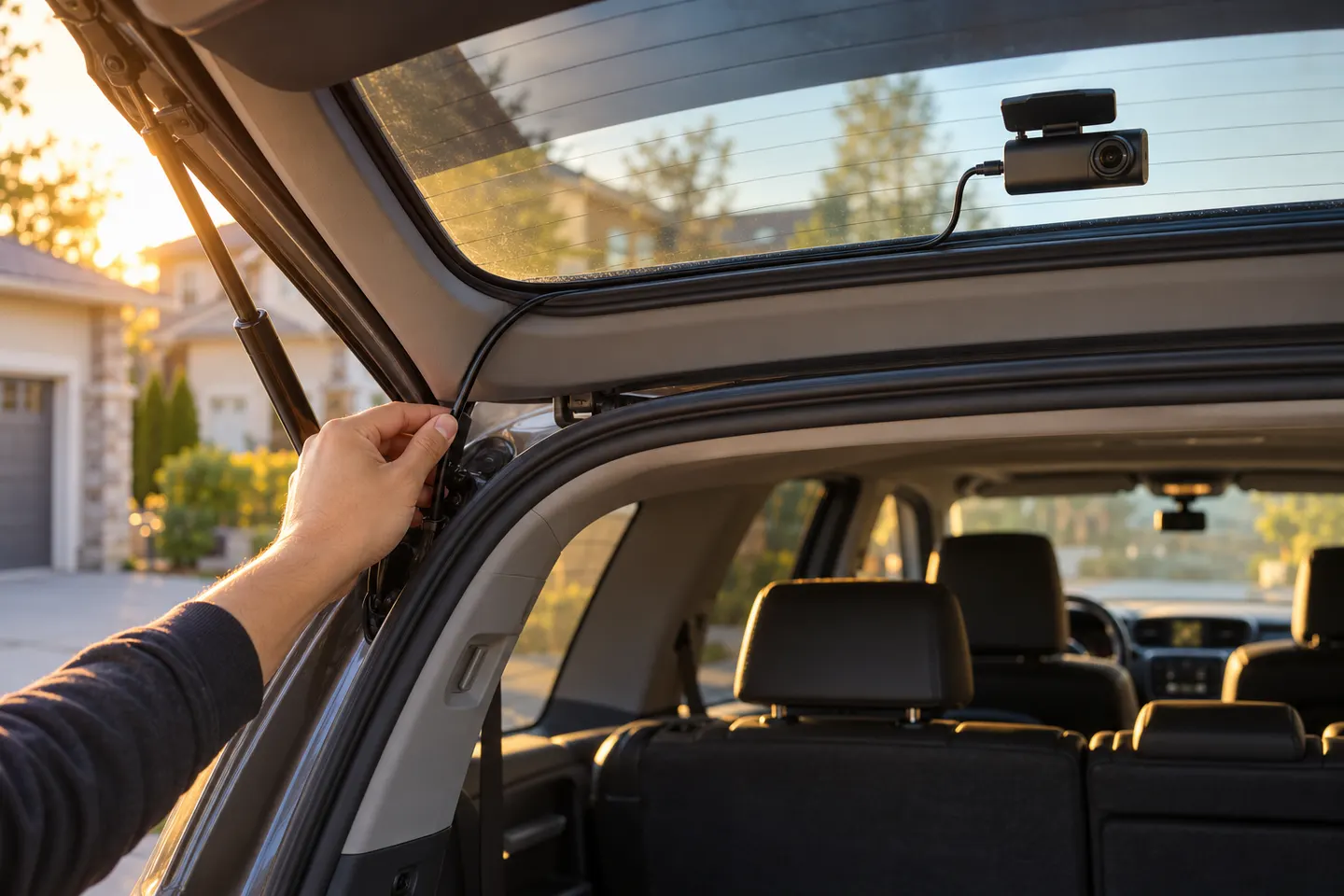
Mount a rear camera near the top centre of the rear glass where demister lines, wipers and tint edges do not spoil the view. On a hatch or wagon, allow for glass and tailgate movement.
05
Route the cable without crossing airbags
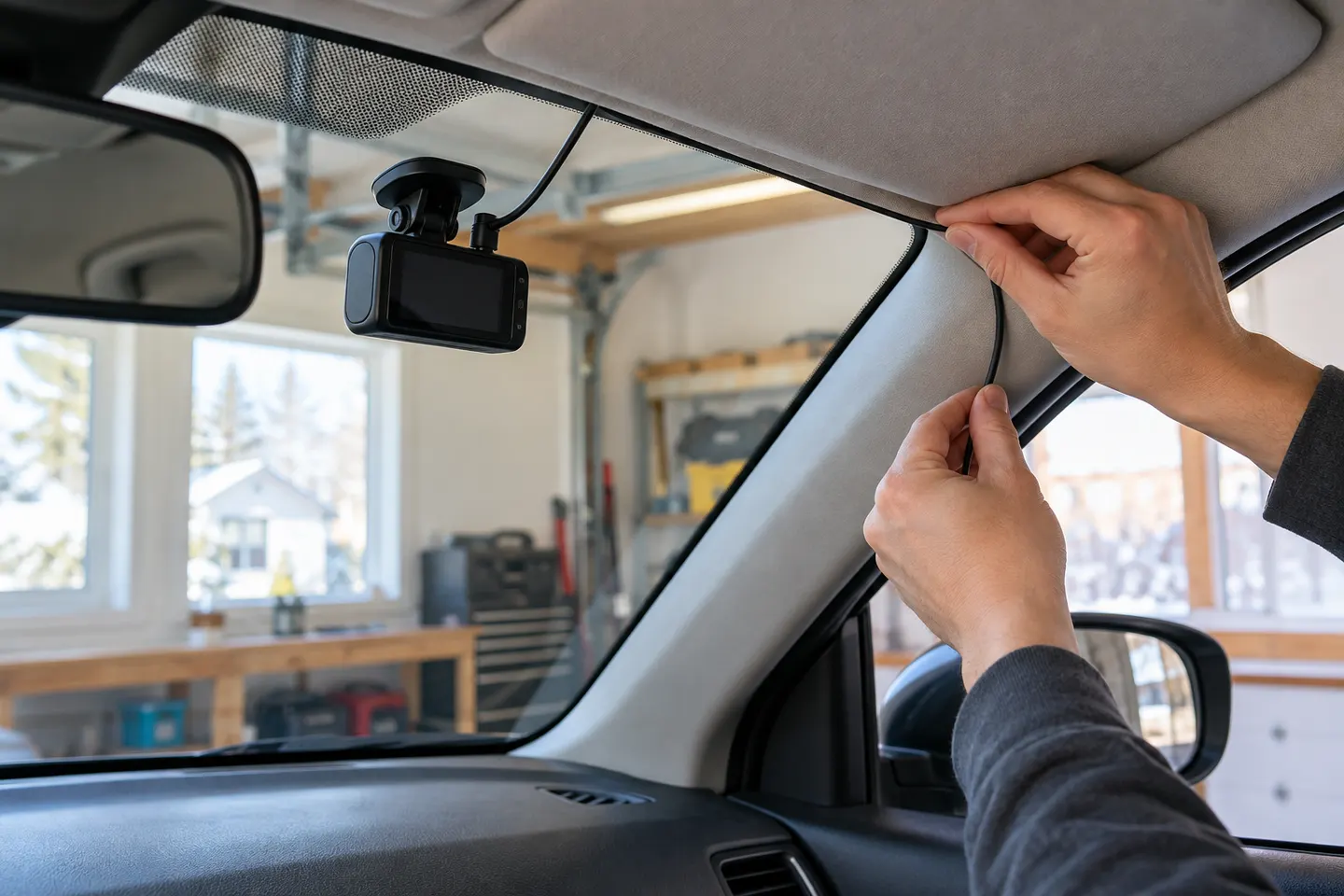
Tuck cable securely only where the vehicle instructions permit. Never lay it across a curtain-airbag deployment path, and keep it away from pedals, steering components, sharp edges and moving hinges.
06
Check the frame before final adhesion
Power the system, view both channels and confirm the horizon is level with useful road coverage rather than excessive sky or dashboard. Clean and dry the glass, then follow the mount maker's curing instructions.
Common questions
Questions before you buy
Should a dashcam go behind the rear-view mirror?
Often yes, because a compact camera can be less distracting there. It must not cover sensors or obstruct the driver's legally required view.
Can I put a dashcam in the middle of the windscreen?
Only if its position complies with local rules and does not impede vision. A high location near the mirror is generally less intrusive.
Where should a rear dashcam be mounted?
Near the top centre of the rear glass, with a clear view through the wiper-swept area where possible and enough cable allowance for moving panels.
Can dashcam cable run down the A-pillar?
It must not cross or constrain a curtain airbag. Consult the vehicle manual or use a qualified installer before removing pillar trim.
Does dashcam placement affect video quality?
Yes. Reflections, tint boundaries, dirty glass, demister lines and too much sky can all reduce useful detail.
A plug-in installation suits basic driving recording; professional hardwiring is the safer route for neat cabling and parking mode. Keep every camera and cable clear of vision and airbags.
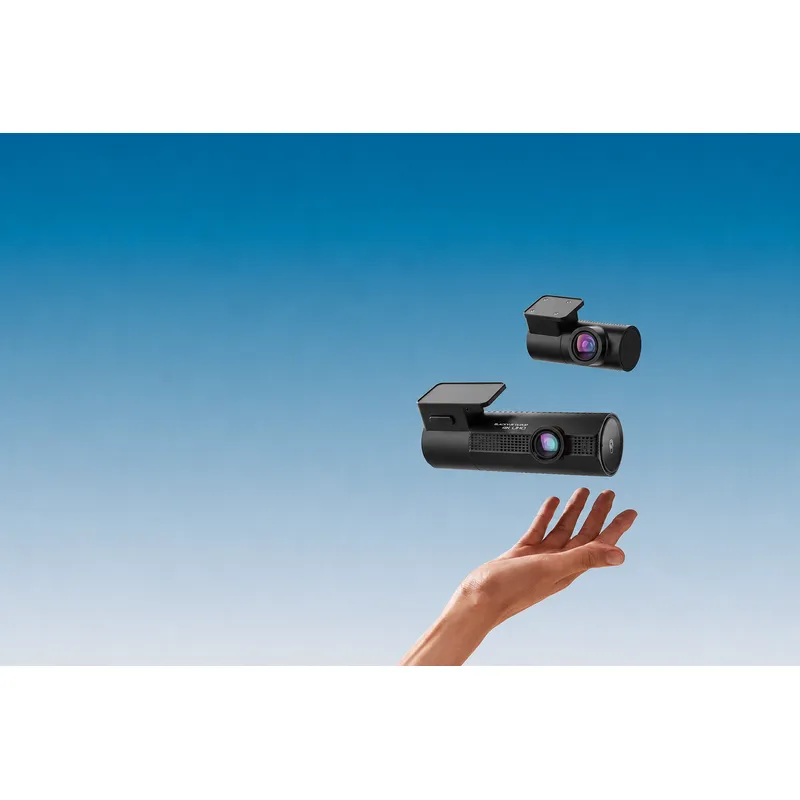
A two-channel system is the clearest choice when you want evidence from both directions. Prioritise rear-camera quality, cable length and an installation that keeps the driver's view clear.
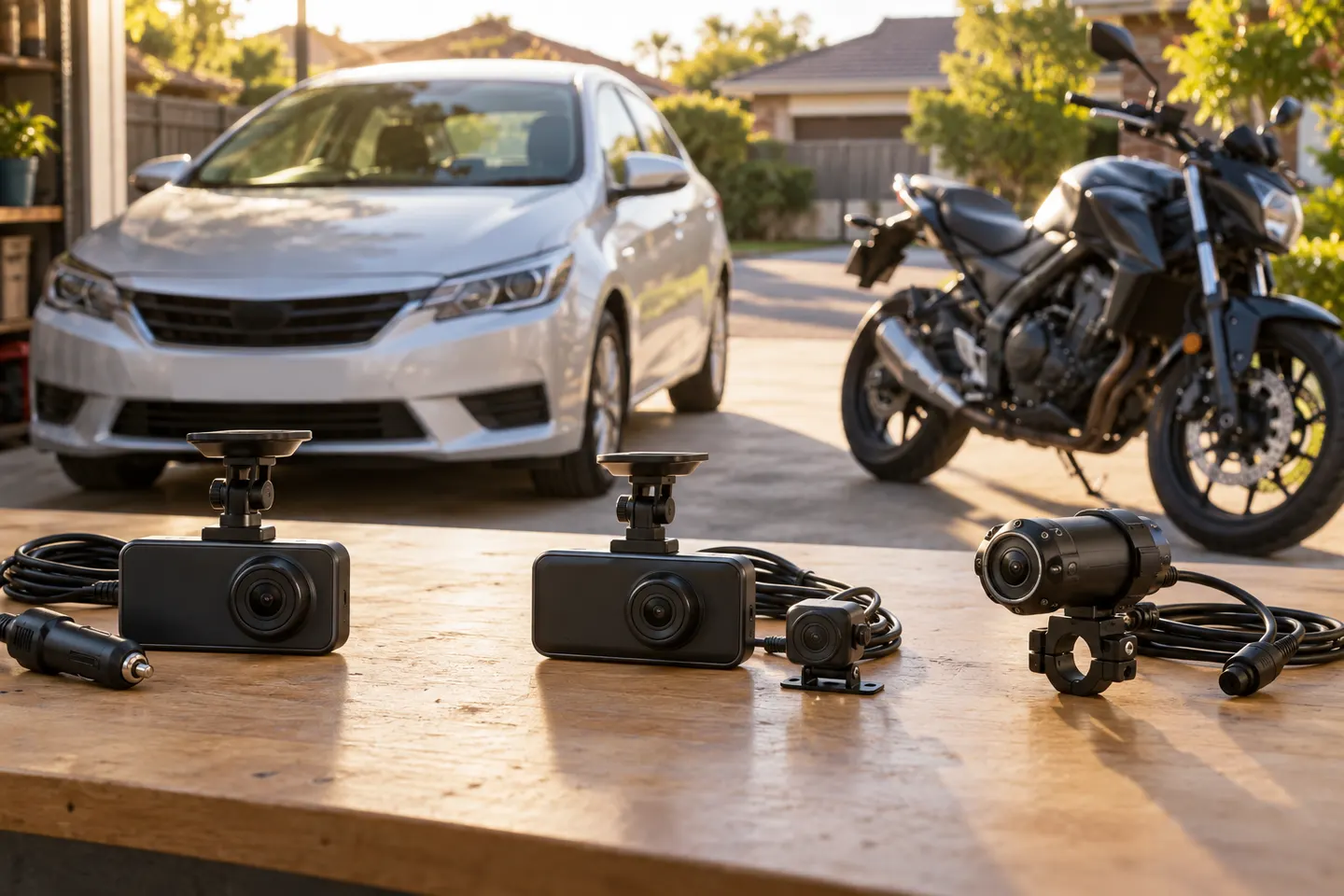
Start with the coverage you need: front-only for simplicity, front-rear for broader evidence, or a dedicated motorcycle system. Then decide how you will power it.
Choose the DR970X Plus for 4K front recording, the DR770X for Full HD dual-channel coverage, or the DR970X Box Plus for a separated recording unit.
Your privacy
We use cookies and similar technologies. Necessary ones keep the site working. With your permission we also use statistics cookies (Google Analytics and Microsoft Clarity) to understand which guides help readers. You can accept all, reject all or choose. You can change your choice at any time from "Cookie settings" at the bottom of every page. Cookie policy