Get out of the wind
Move indoors or behind a windbreak when possible. Wind increases heat loss from exposed skin, so staying in a sheltered place is more useful than rubbing cold hands together.

 Best picksThe Best Dash Cam Cameras for Different Drivers
 Best picksBest WiFi Extenders in Canada for Different Home Networks
 Best picksBest Meat Thermometers in Canada for 2026
 Best picksBest Winter Gloves for Canadian Conditions (2026)
 Best picksBest Headlamps: Compare Reliable Options for Canada
 Best picksRadar Detector Best Picks for Canadian Drivers (2026)
 Best picksBest Portable Air Coolers to Consider in 2026
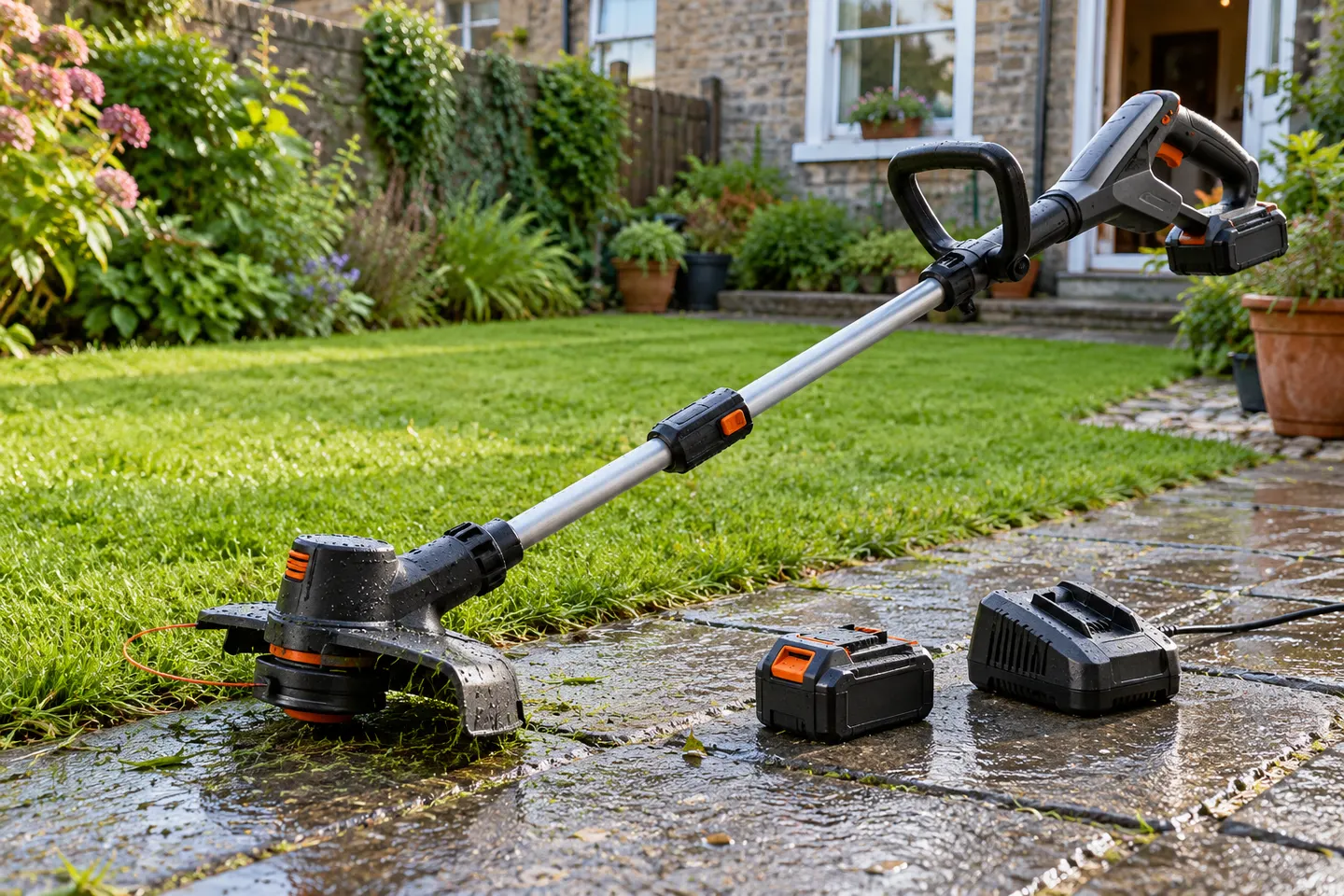 Best picksBest cordless grass trimmers with a battery and charger
 Best picksBest Air Purifier for Bedroom in the Canada: Quiet Models Compared
Gearjury may earn a commission from qualifying retailer links. The price you pay is not affected.
Guide
The dependable move is to reduce exposure: get out of wind, keep hands dry and use a warm layer or shelter as soon as one is available.
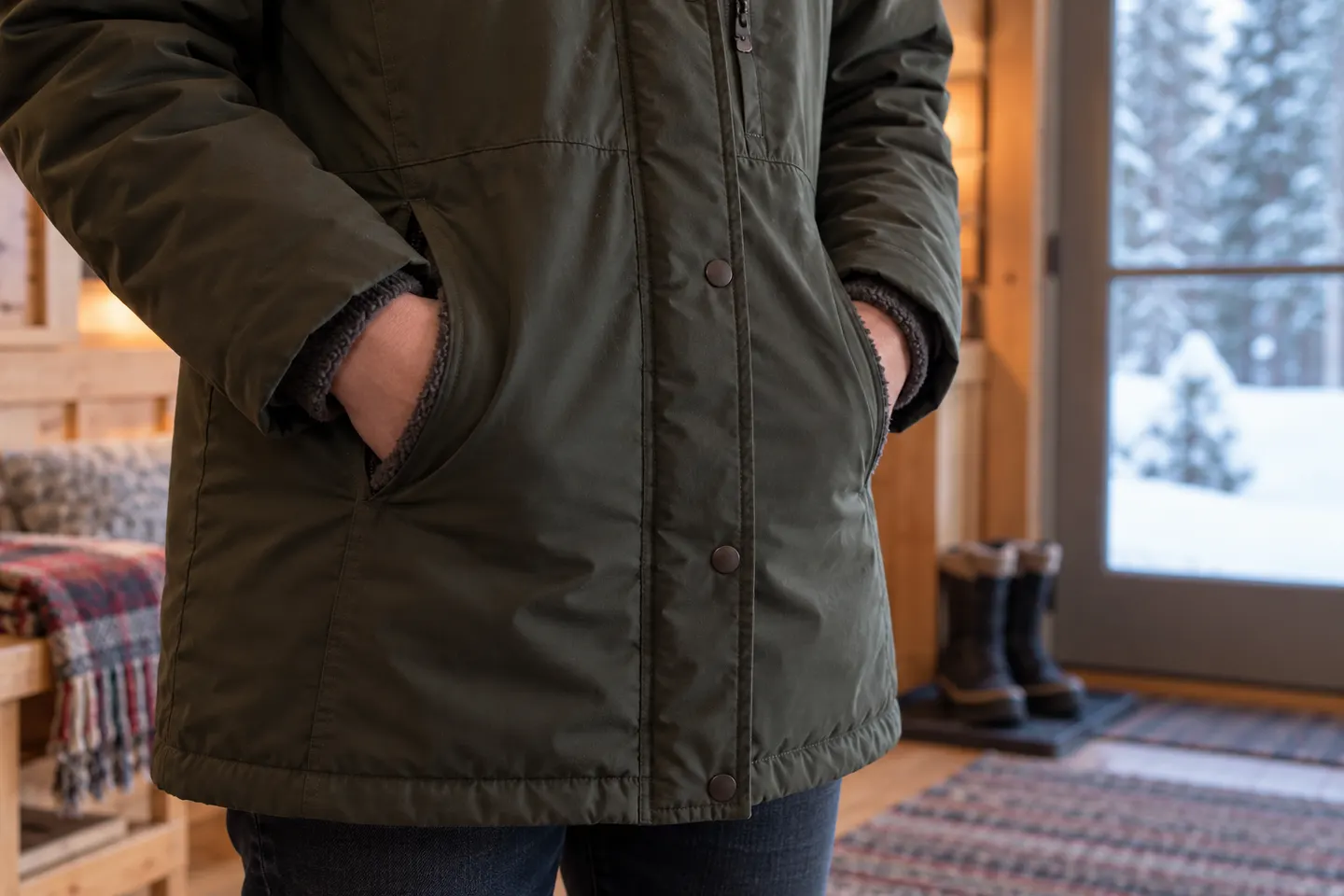
Move indoors or behind a windbreak when possible. Wind increases heat loss from exposed skin, so staying in a sheltered place is more useful than rubbing cold hands together.
Wet skin and damp sleeves can make hands feel colder. Dry them gently, change wet layers and avoid handling cold or wet objects with bare hands.
Pull sleeves over the wrists and tuck hands into dry pockets while you head to shelter. This is a short-term stopgap, not protection for extended time outside.
Light movement may help you feel warmer, but do not use intense friction or direct high heat on numb skin. Once inside, warm your hands gradually.
Carry insulated gloves or mittens for cold conditions and a dry spare if you expect snow or wet work. A liner can make it easier to manage brief tasks without leaving hands exposed for long.
Return indoors if your hands become numb, painful or unusually pale. For suspected frostbite or symptoms that do not resolve, seek medical help promptly.
Common questions
Limit the time exposed, move out of wind and use dry coat pockets while you reach shelter. Bare hands are not a safe substitute for insulated protection in severe cold.
Choose a fit that does not compress fingers, keep the lining dry and cover the wrist opening. If needed, try a liner beneath a roomier outer glove.
Check for dampness, tightness and gaps at the cuff. A thin liner may help, while mittens can be a better fit when dexterity is less important.
Get to a warm, sheltered place and warm them gently. Numbness can signal cold injury; seek medical care if it persists or the skin looks waxy, pale or hard.
Keep exploring
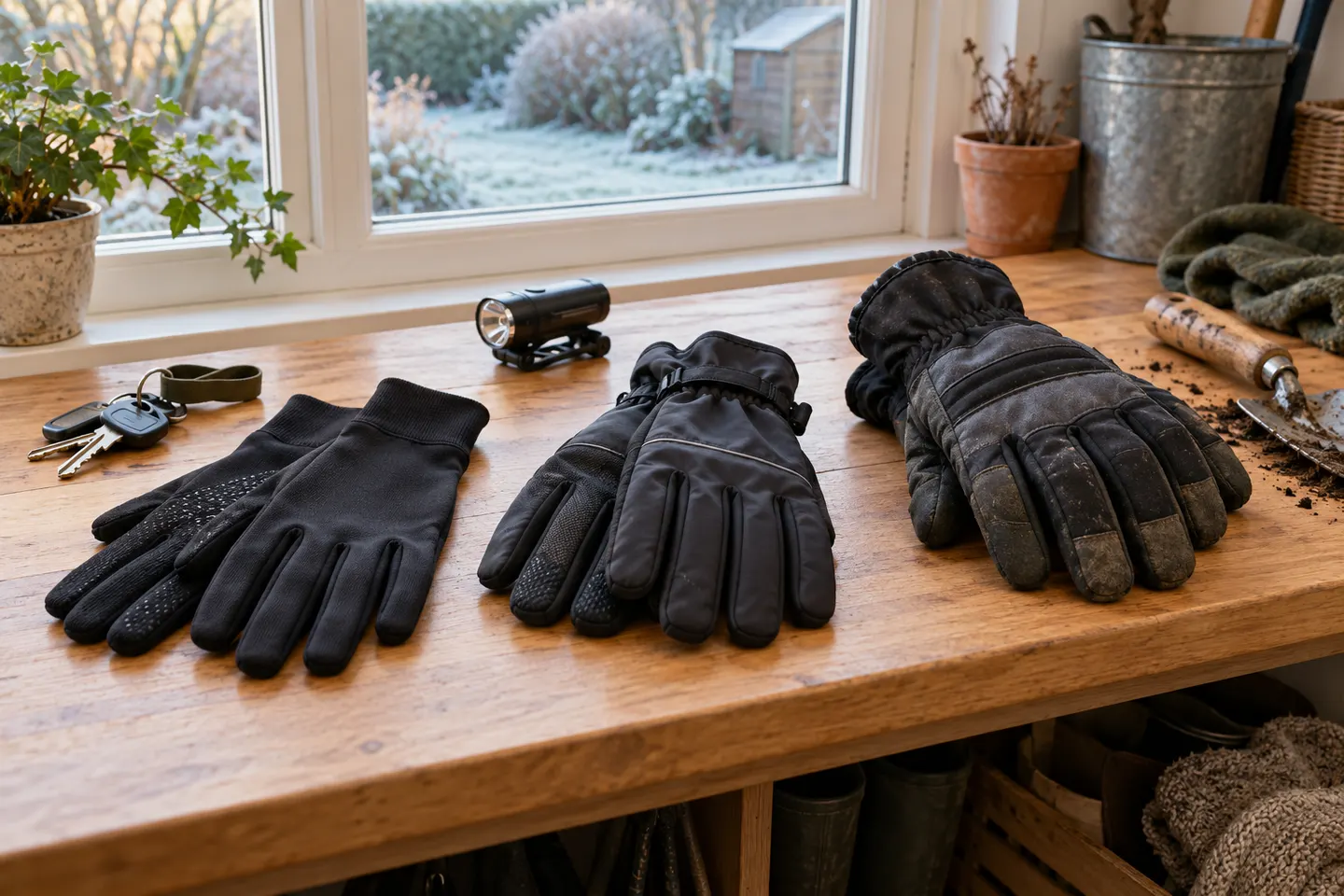
Choose insulated gloves for dexterity or mitts for shared warmth. Start with your activity, then compare insulation, weather protection and cuff coverage.

Match glove construction to the job: nimble insulated gloves suit equipment handling, while waterproof gauntlets cover wetter, colder work.
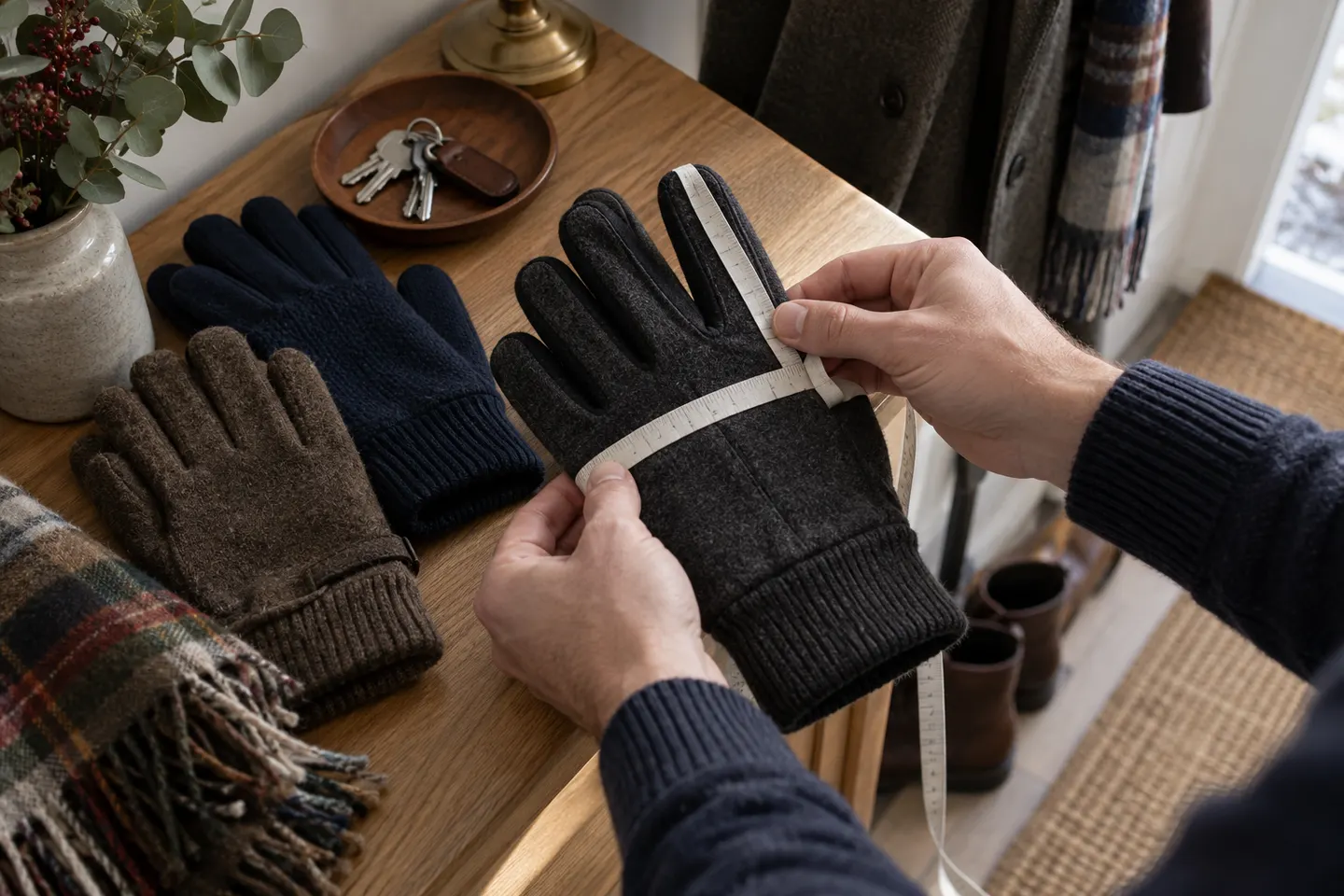
A useful pair balances warmth with the grip and movement your day requires. Check sizing, insulation and cuff design before choosing.
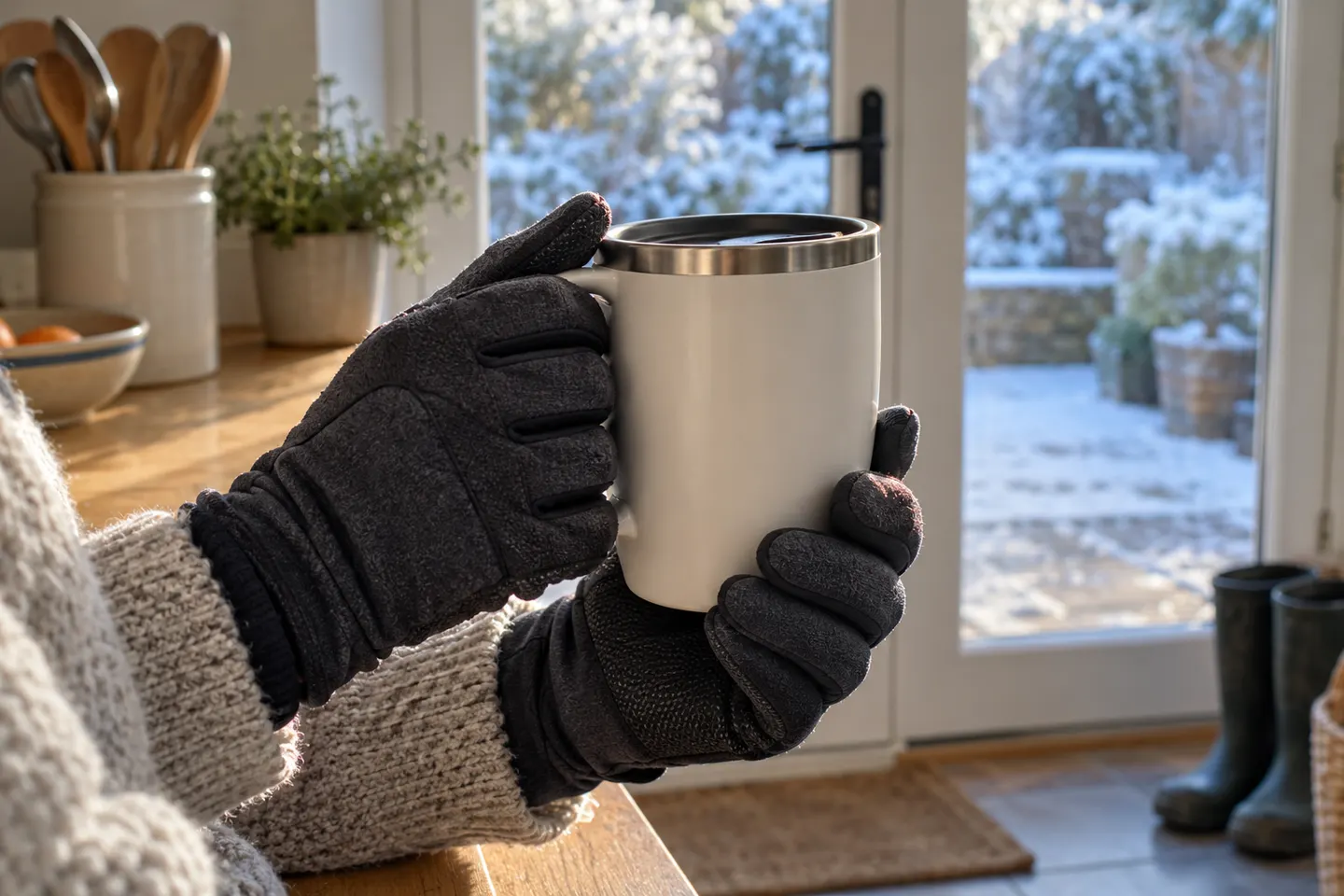
Prioritize fit and the conditions you face: everyday gloves suit errands, while insulated mitts can help during long spells outdoors.