Gearjury may earn a commission when you buy through a retailer link. Editorial conclusions are based on cited evidence.
Guide
How to Keep Your Hands Warm Without Gloves in Winter
Get out of wind and damp first, then warm your hands gradually and keep your core comfortable. These steps can help for a short spell, but gloves remain the reliable choice in prolonged cold.
GGearjury editorial team · Updated 22 October 2026· 4 min
01
How to keep your hands warm without gloves
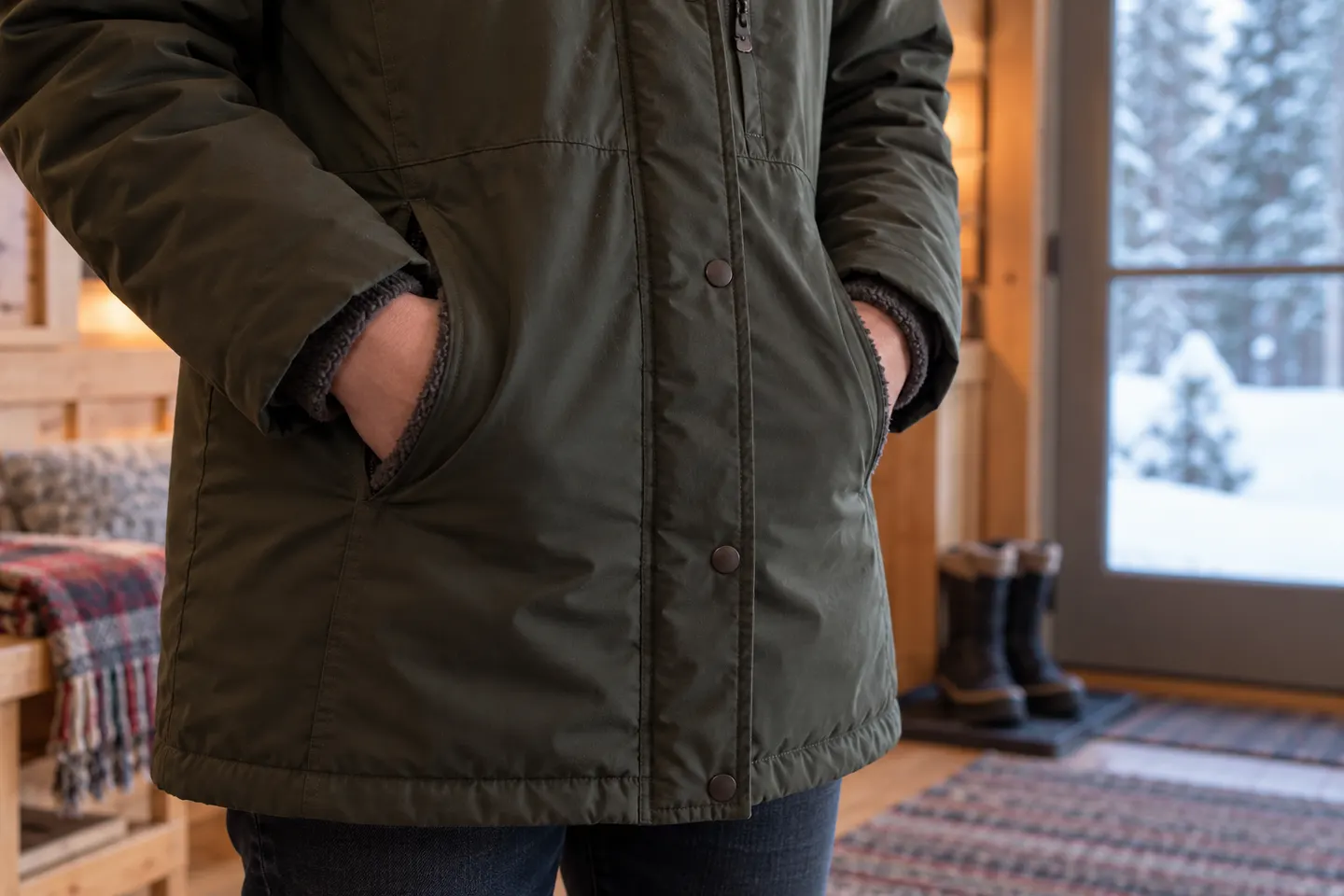
Move out of wind and rain as soon as practical. Dry your hands, tuck them into dry coat pockets or under your arms, and warm them gradually. If you are outdoors for long, use gloves or mittens rather than relying on pocket warmth.
02
Warm your core and keep your hands dry
A warm torso and dry clothing help you stay comfortable in cold weather. Add a suitable outer layer, close openings that let wind in, and change damp cuffs or sleeves. Avoid overheating and sweating, which can leave fabric clammy.
03
Use gentle movement to warm cold fingers
Open and close your hands, rotate your wrists and move your arms gently to encourage circulation. Do not rub cold skin hard or use very hot water or direct heat; numb skin may not register a burn promptly.
04
How to keep hands warm with gloves
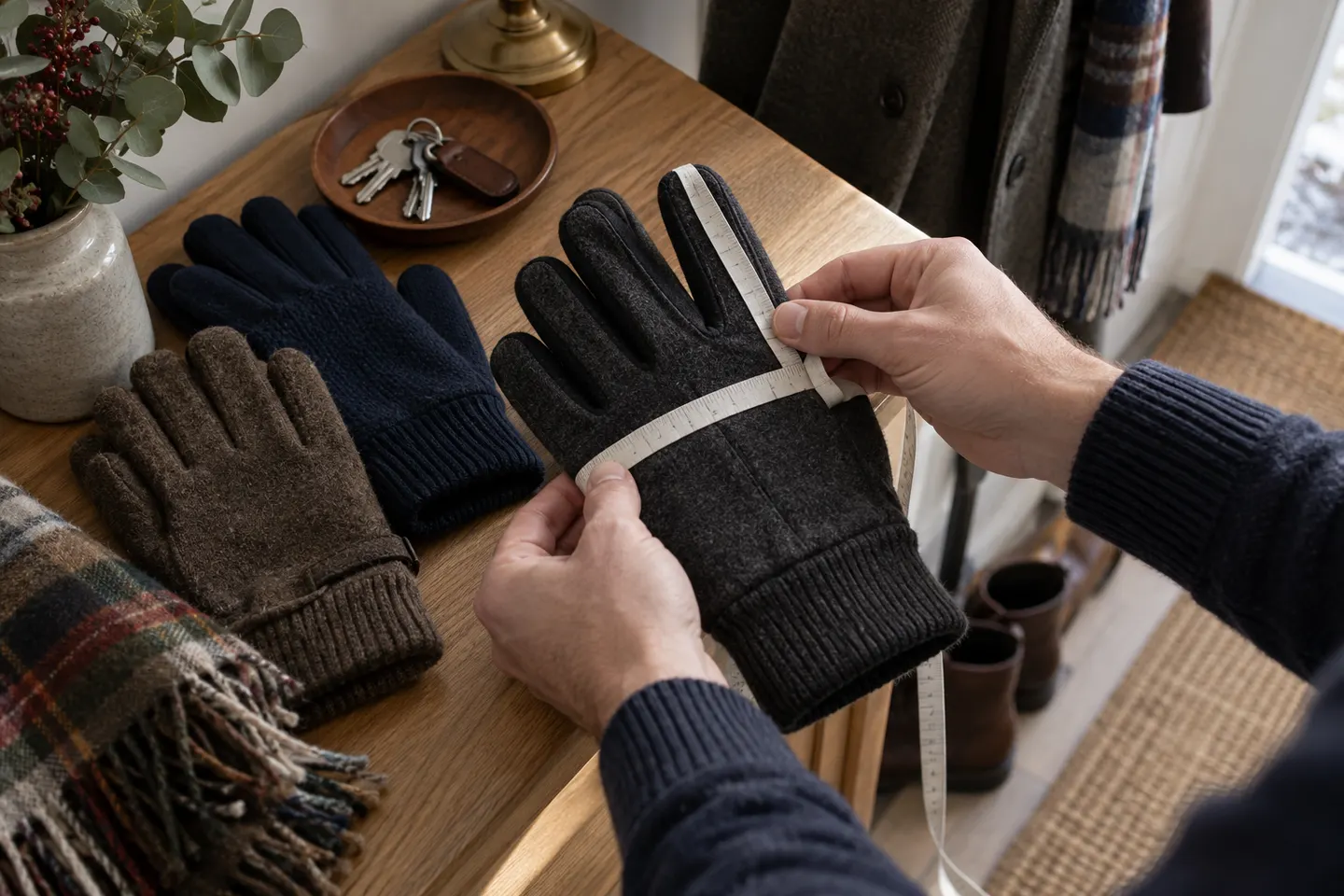
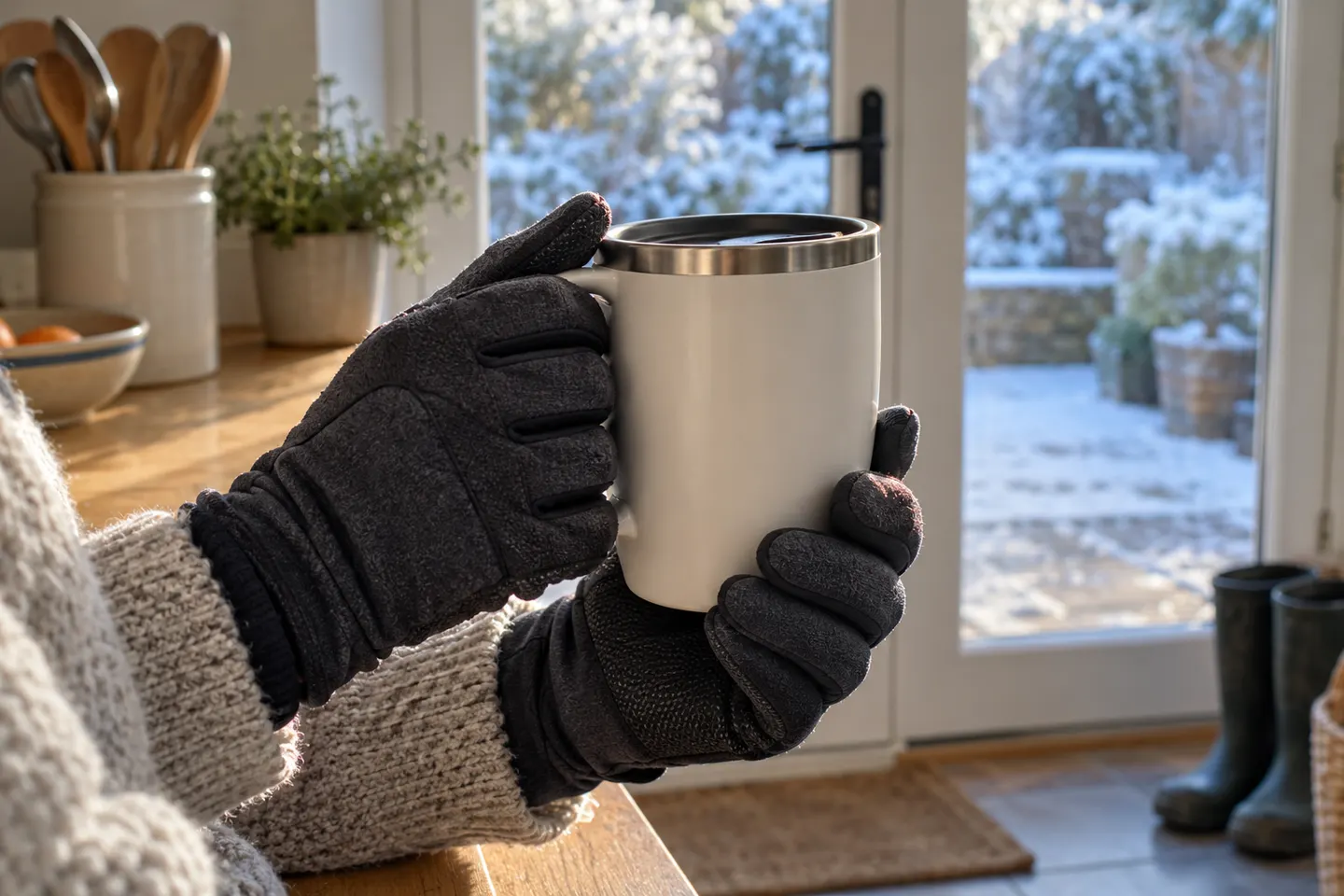
Choose gloves that fit without squeezing and keep them dry. A liner under a roomier insulated glove can add a useful layer, while a mitten keeps fingers together and may suit colder conditions. Tight cuffs or a close fit can reduce comfort.
05
How to keep your fingers warm in gloves
Check that each finger reaches the end without being compressed, and leave enough room for a thin liner if you plan to wear one. Keep cuffs under or over your coat sleeve as the glove design intends, so wind and rain do not enter at the wrist.
06
Warm gloves without fingertips: when fingerless styles help
Fingerless gloves and mitts with fold-back fingertips preserve dexterity for brief tasks, but exposed fingertips lose protection in cold wind. They are a compromise for handling small objects, not a substitute for full coverage in harsh weather.
07
How to make warm gloves more effective
Start with dry, correctly sized gloves and add a compatible liner if there is room. Let wet gloves dry fully before wearing them again, and follow the care label to preserve their insulation and weather-resistant finish.
Common questions
Questions before you buy
How can I keep my hands warm without gloves?
Get out of wind and damp, dry your hands, warm your core and tuck your hands into dry pockets or under your arms. For extended exposure, wear suitable gloves or mittens.
How do you keep hands warm with gloves?
Use dry gloves that fit without constricting your fingers, and cover the wrist opening with your coat sleeve. A liner can add warmth if the outer glove still has enough room.
How do you keep your fingers warm in gloves?
Avoid a tight fit that compresses fingers, keep the gloves dry and choose insulation suited to the conditions. Mittens keep fingers together when dexterity is less important.
How can I keep my fingertips warm in gloves?
Make sure your fingertips reach the insulated ends without pressing against them, and avoid gloves that are too short or tight. Fingerless designs leave fingertips exposed and are poorly suited to cold, windy weather.
How can I make my gloves warmer?
Dry them fully, check that they fit comfortably and add a thin liner if it does not make the fit restrictive. Replace worn or damp gloves before going back into the cold.
Men's winter gloves should fit the hand and the job. Start with palm and finger measurements, then choose insulation and weather protection around your normal day.
Women's thermal gloves should let you move and grip comfortably. Choose the hand shape first, then the level of insulation and rain protection your activity needs.
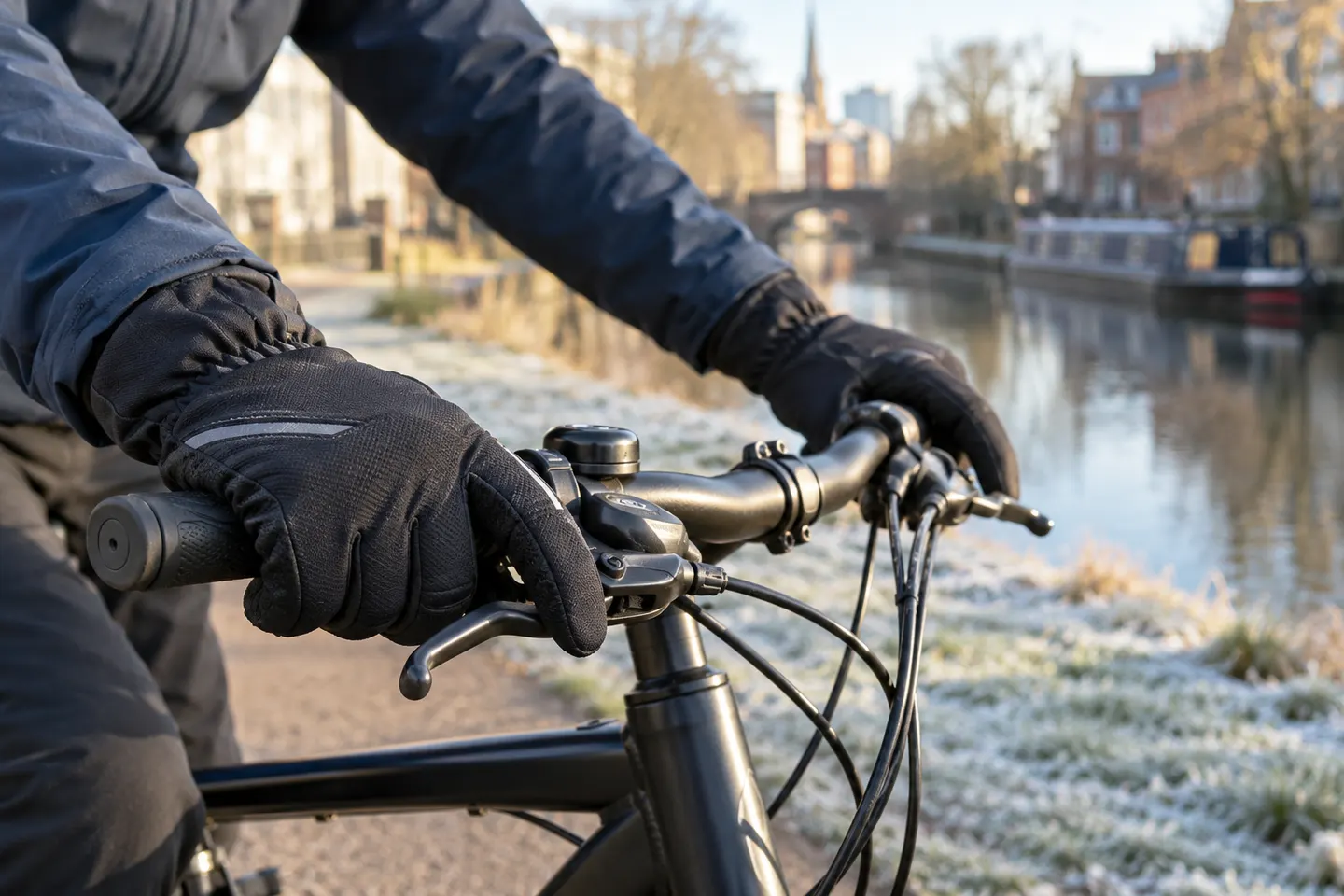
Winter cycling gloves must let you brake and shift comfortably. Choose weather protection for the ride, then check the grip with your fingers bent around the bars.
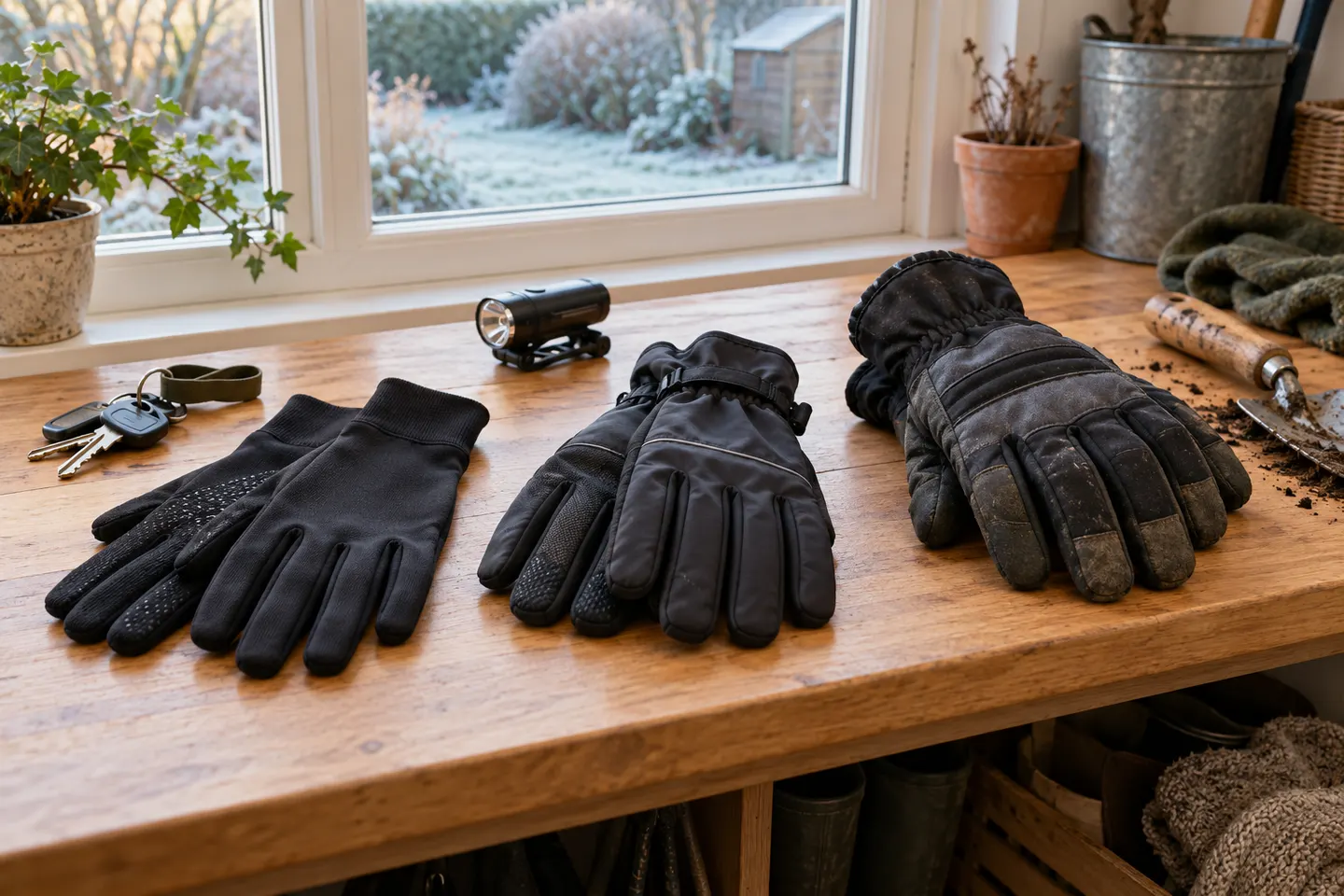
Thermal gloves work best when their insulation matches what you do. A pair for a brisk run, a wet commute and stationary outdoor work needs different trade-offs.
Your privacy
We use cookies and similar technologies. Necessary ones keep the site working. With your permission we also use statistics cookies (Google Analytics and Microsoft Clarity) to understand which guides help readers. You can accept all, reject all or choose. You can change your choice at any time from "Cookie settings" at the bottom of every page. Cookie policy