Get out of the cold and wind
Without gloves, shelter is the most reliable way to reduce heat loss. Go indoors or into a protected space, especially in extreme cold; do not treat pockets or hand rubbing as a substitute for proper protection.

 Best picksGood Meat Thermometers for Every Kind of Cook
 Best picksBest WiFi Extenders: Which Range Extender Should You Buy?
 Best picksBest Dash Cams for Cars in 2026
 Best picksBest Radar Detectors for Cars: Models Compared
 Best picksGood Winter Gloves for Cold Weather: Five Useful Picks
 Best picksBest Headlamps: Six Lights Compared for Different Uses
 Best picksTop 10 Best Battery-Powered Weed Eaters for Different Yards
 Best picksBest Portable Air Coolers for Patios, Workshops and Small Spaces (2026)
 Best picksBest Air Purifier for Bedroom in the US: Quiet Models Compared
Gearjury may earn a commission when you buy through retailer links. This does not affect our editorial choices.
Guide
The safest answer is to reduce exposure: move indoors or into shelter, keep your body and hands dry, and warm gradually. If you must be outdoors, gloves or mittens are the dependable protection; tricks without them are temporary.
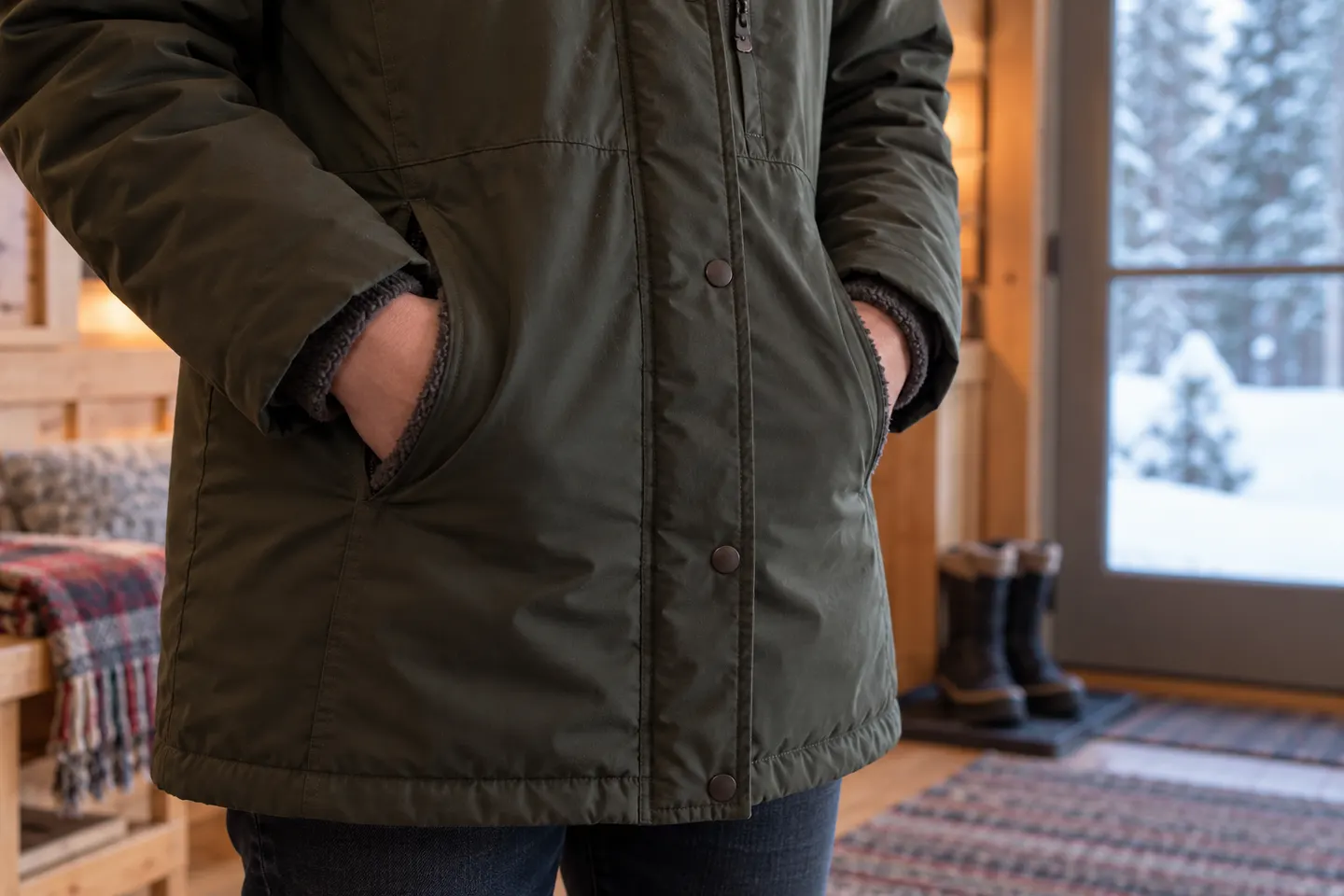
Without gloves, shelter is the most reliable way to reduce heat loss. Go indoors or into a protected space, especially in extreme cold; do not treat pockets or hand rubbing as a substitute for proper protection.
Add loose, dry layers around your torso and cover exposed skin. REI's hand-warming guidance emphasizes keeping the core warm and avoiding dampness: sweat and wet fabric can make hands feel colder when you stop moving.
If you are otherwise safe and warm, move your arms and hands gently to support circulation. Stop and seek shelter if sensation or coordination worsens; strenuous movement is not a treatment for cold injury.
Once indoors, remove wet items and warm your hands gradually with a comfortable warm environment. Avoid direct high heat on numb skin, which may not register a burn. If you suspect frostbite, seek medical help rather than rubbing the skin.
You cannot safely turn bare hands into gloves. For a quick craft project, sew or knit a simple liner from fleece or wool using a pattern and leave comfortable room at the fingertips; this is only a liner, not windproof or waterproof protection. For outdoor exposure, use purpose-made gloves or mittens over it.
Fingerless gloves or wrist warmers can cover the palm while leaving fingertips exposed, so they do not protect those fingers in freezing weather. If you need fingertip access outdoors, use a convertible mitten or glove system and cover your fingers again between tasks.
Common questions
Reduce exposure first: get out of wind, enter shelter, keep your core warm and stay dry. These are short-term steps; wear gloves or mittens for continued exposure, and go indoors when conditions are severe.
A simple sewn or knitted fleece or wool liner can add a layer under properly fitted outer gloves. A homemade liner alone will not reliably block wind or wet snow, so use purpose-made hand protection outdoors.
They can warm the palms and wrists but leave fingertips exposed. For cold outdoor conditions, convertible mittens or full-finger gloves protect more of the hand.
Gentle movement may briefly help, but friction and movement do not replace shelter or insulation. Avoid rubbing skin that may be frostbitten; protect it and seek medical advice.
Persistent numbness, loss of coordination, pale or waxy skin, or severe pain can signal cold injury. Confusion, fumbling hands and uncontrollable shivering may indicate hypothermia; get to safety and seek urgent help.
Keep exploring
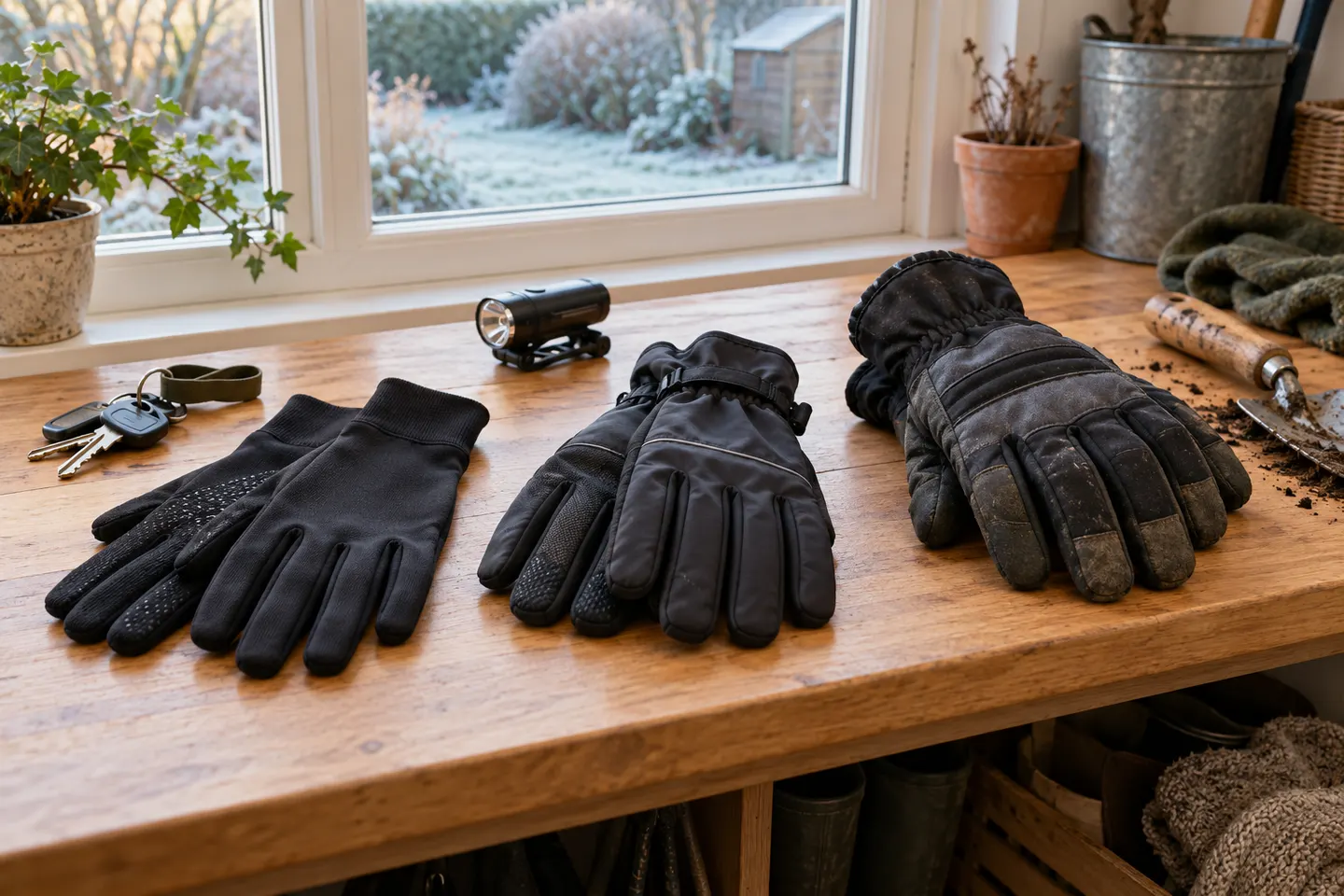
Start with the conditions you face: everyday cold, wet weather, hands-on work, or snow sports. The right insulation and shell matter more than a generic warmth label.
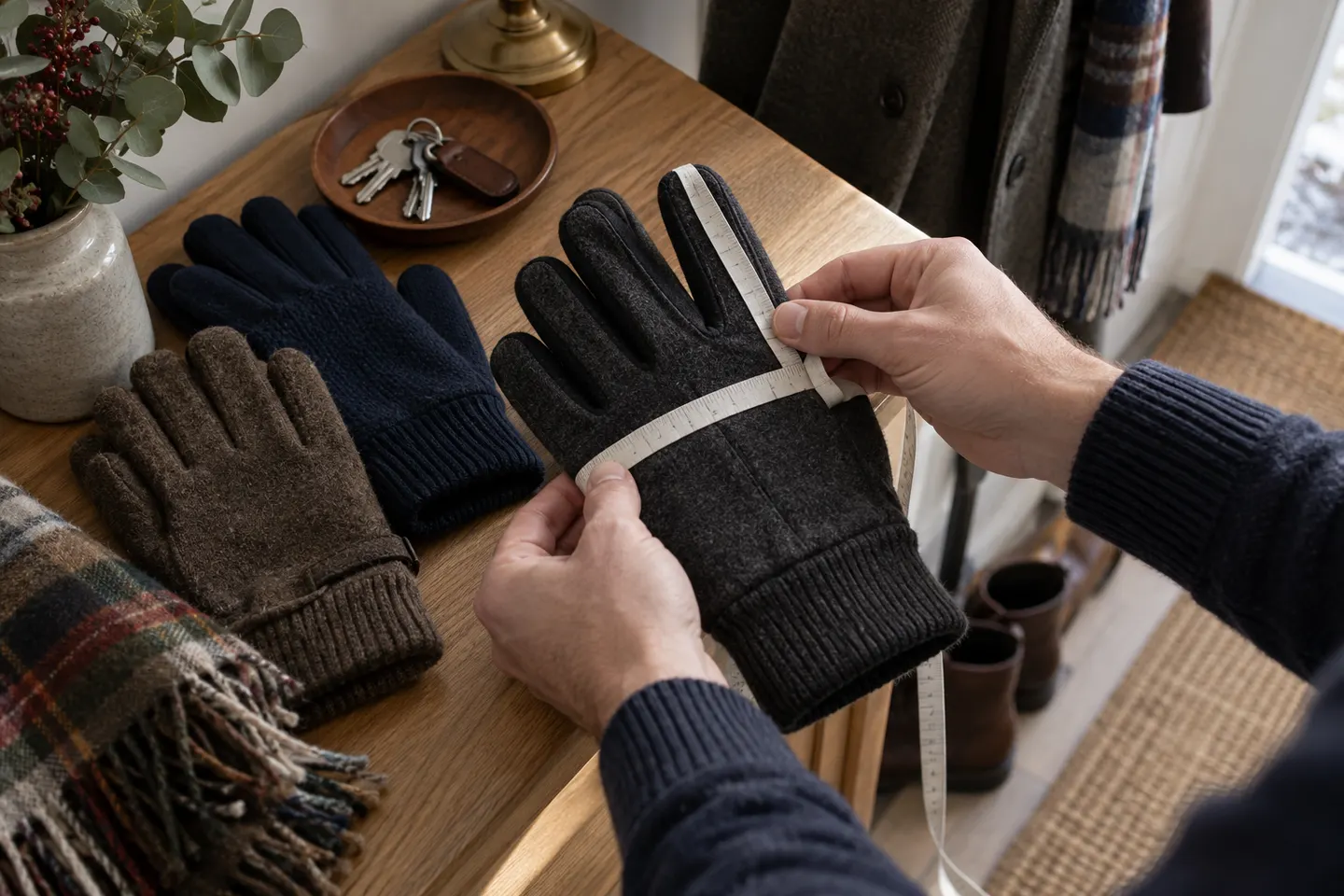
Match insulation and shell construction to the job: daily wear needs flexibility, while wet snow and outdoor work call for more coverage and durable materials.
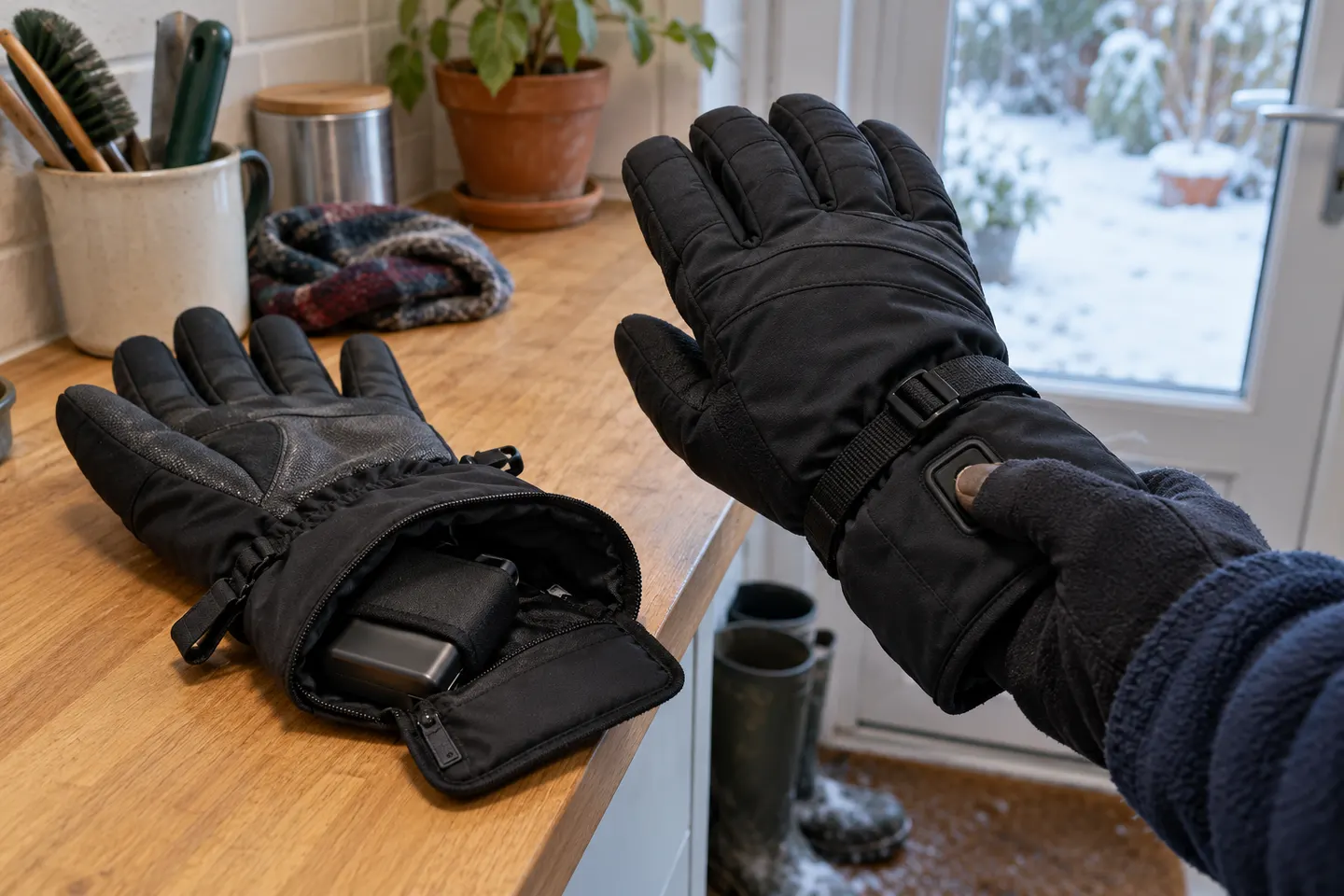
Powered warmth adds charging and care considerations to the usual questions of fit, insulation, and weather protection. Compare those trade-offs before choosing a style.
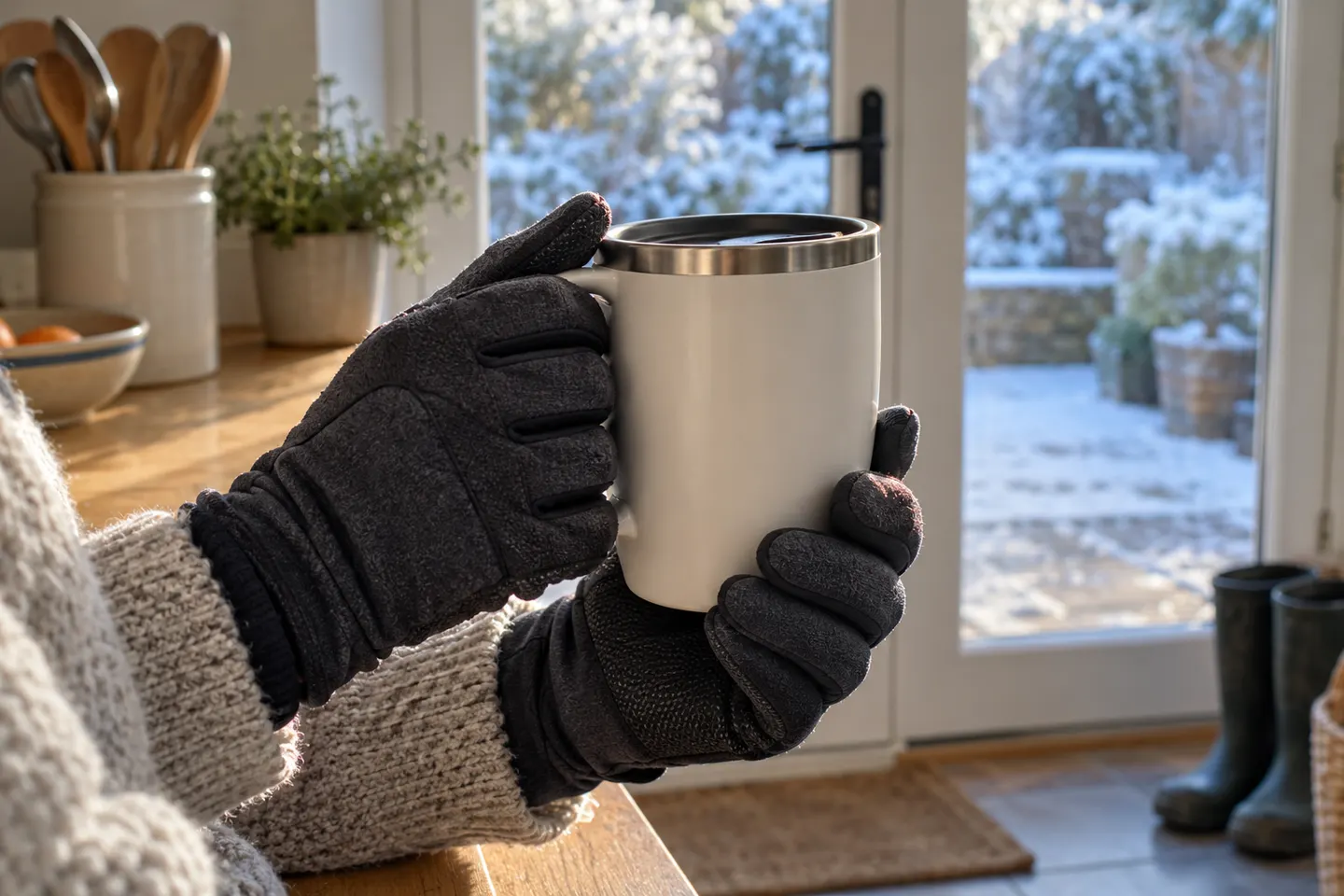
Begin with fit and intended use, then choose insulation and weather protection for your routine. A close but comfortable fit helps preserve warmth without restricting movement.