









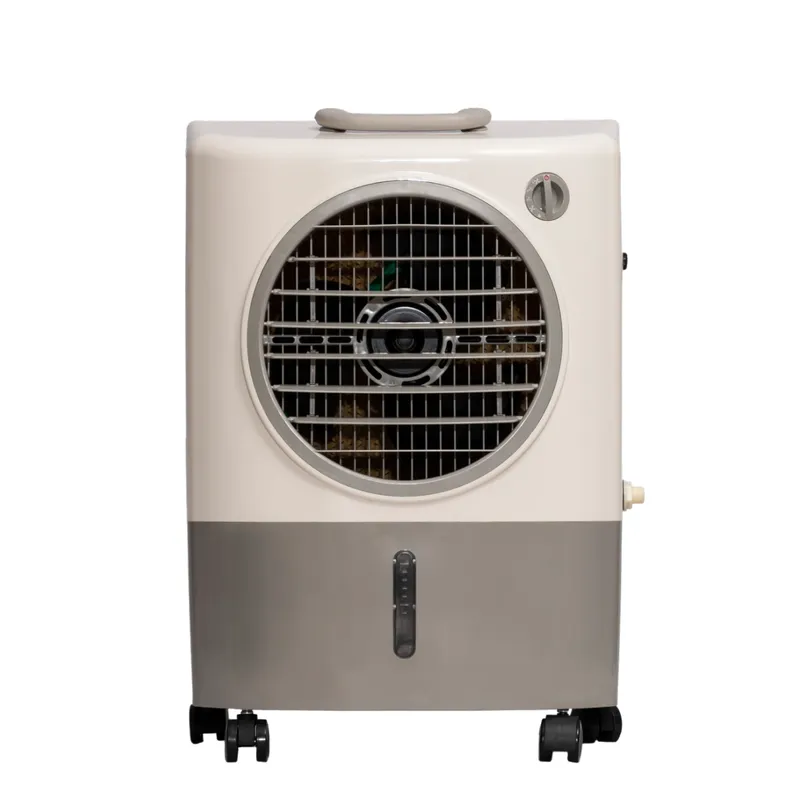
 Official manufacturer image
Our picks
Top picks
Official manufacturer image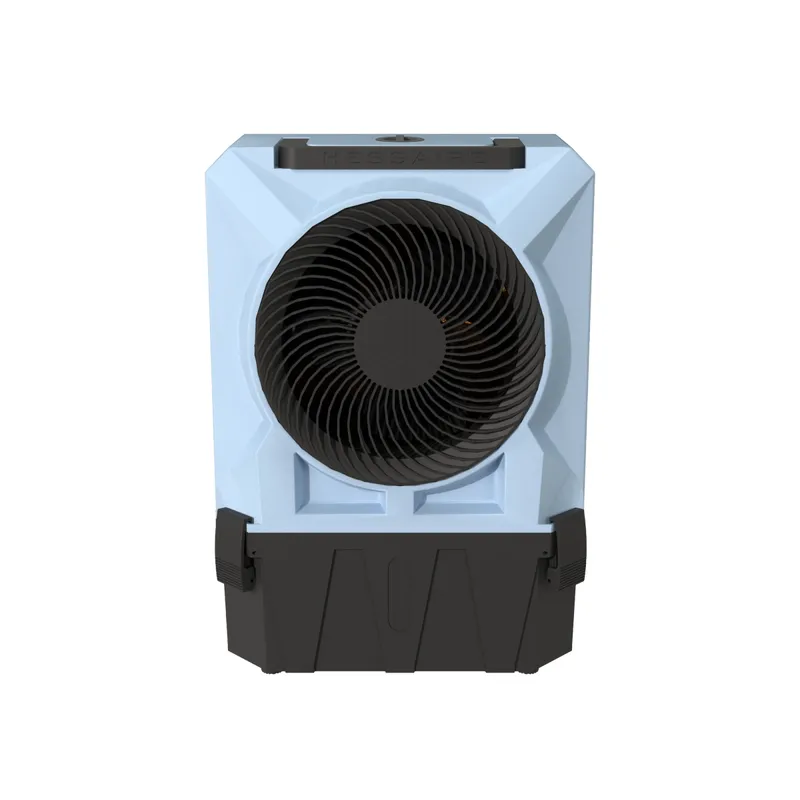 Official manufacturer image
Hessaire MC12V
Check price on Amazon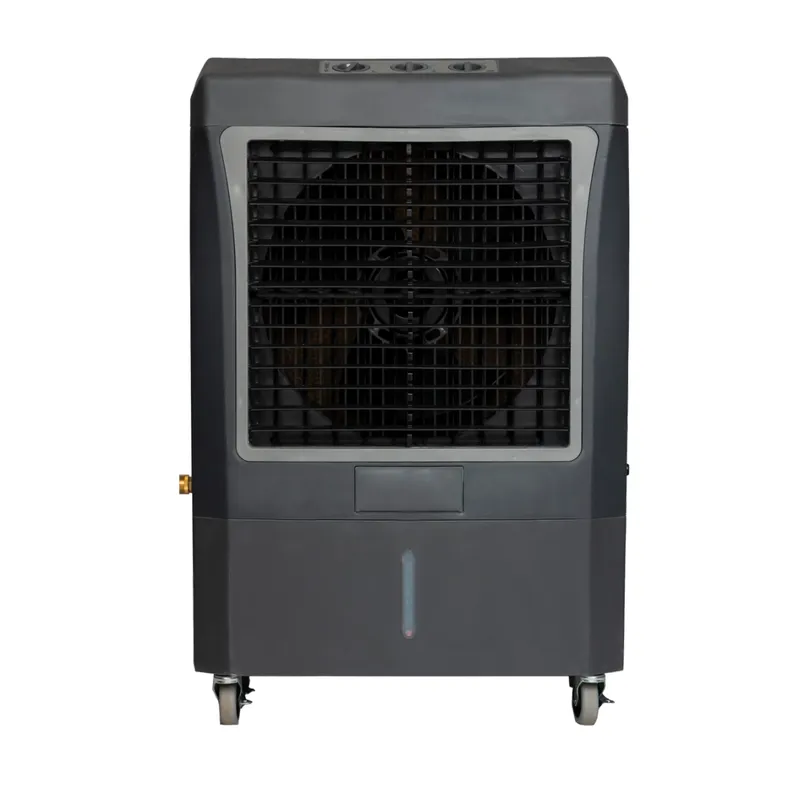 Official manufacturer image
Hessaire MC37M
Check price on AmazonHead to head
Comparisons

Air Cooler vs Aircon: How to Choose Between Them
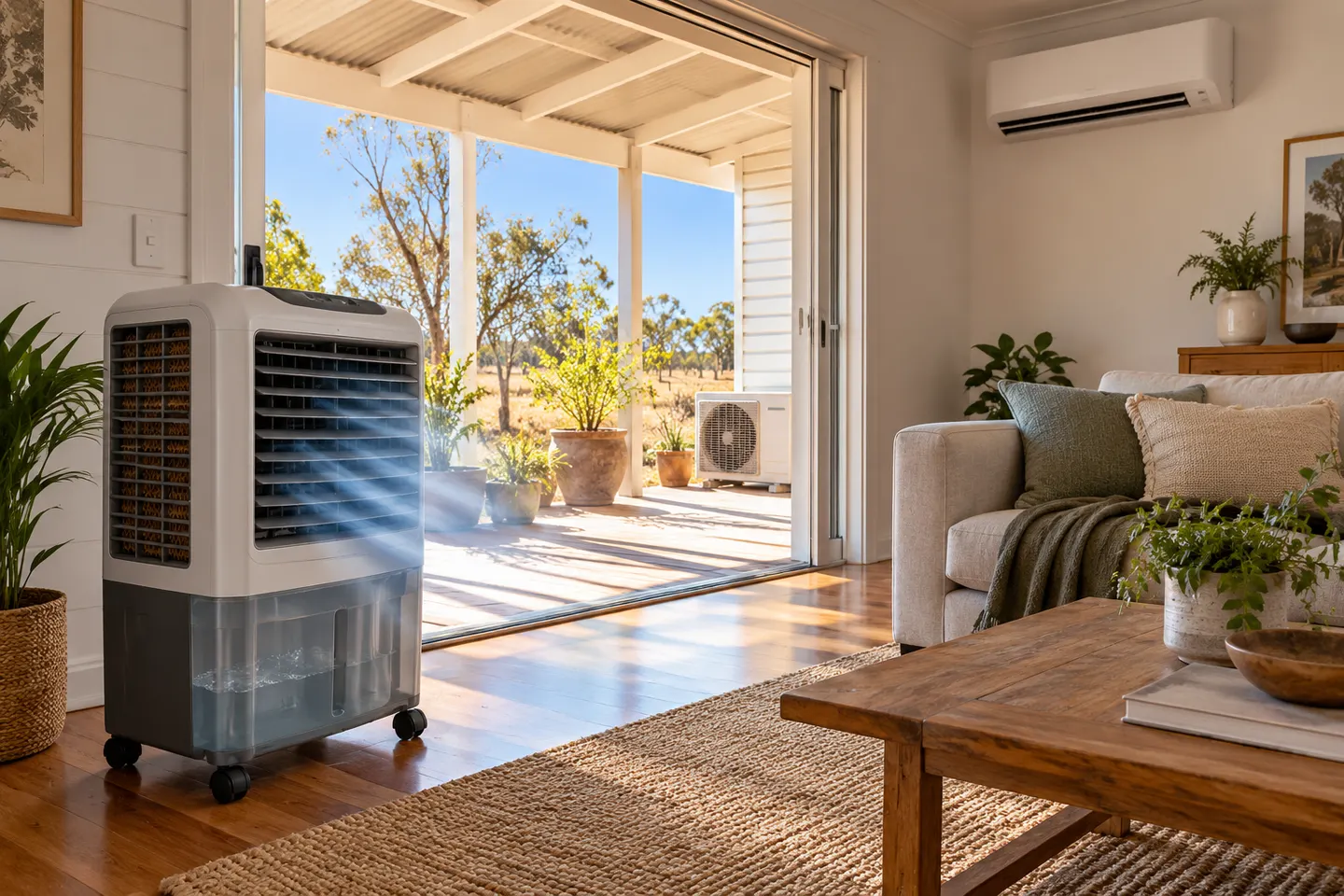
Choose an evaporative cooler for a localized breeze in suitable dry conditions; choose AC when active heat removal is the priority.
Read more →Common questions
Questions before you buy
Is aircon or an air cooler better?
It depends on humidity and the result you need. Evaporative coolers add moisture and suit dry conditions; air conditioning cools enclosed spaces and removes moisture.
Is an air cooler the same as air conditioning?
No. A direct evaporative cooler passes air over wet media and needs ventilation; a conventional air conditioner uses refrigeration and exhausts heat outside.
Can an air cooler work in humid weather?
Performance is limited when air already contains substantial moisture. Compare local humidity and the appliance guidance.
Does an air cooler use less energy than aircon?
Some evaporative designs avoid a compressor, but consumption varies by product and should be checked in its specifications.