









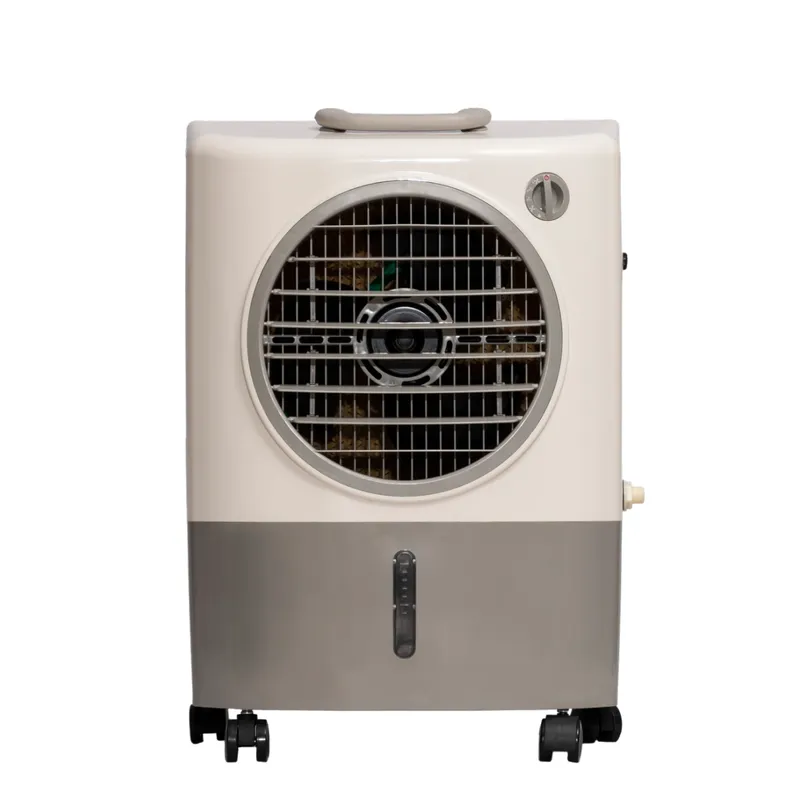
 Official manufacturer image
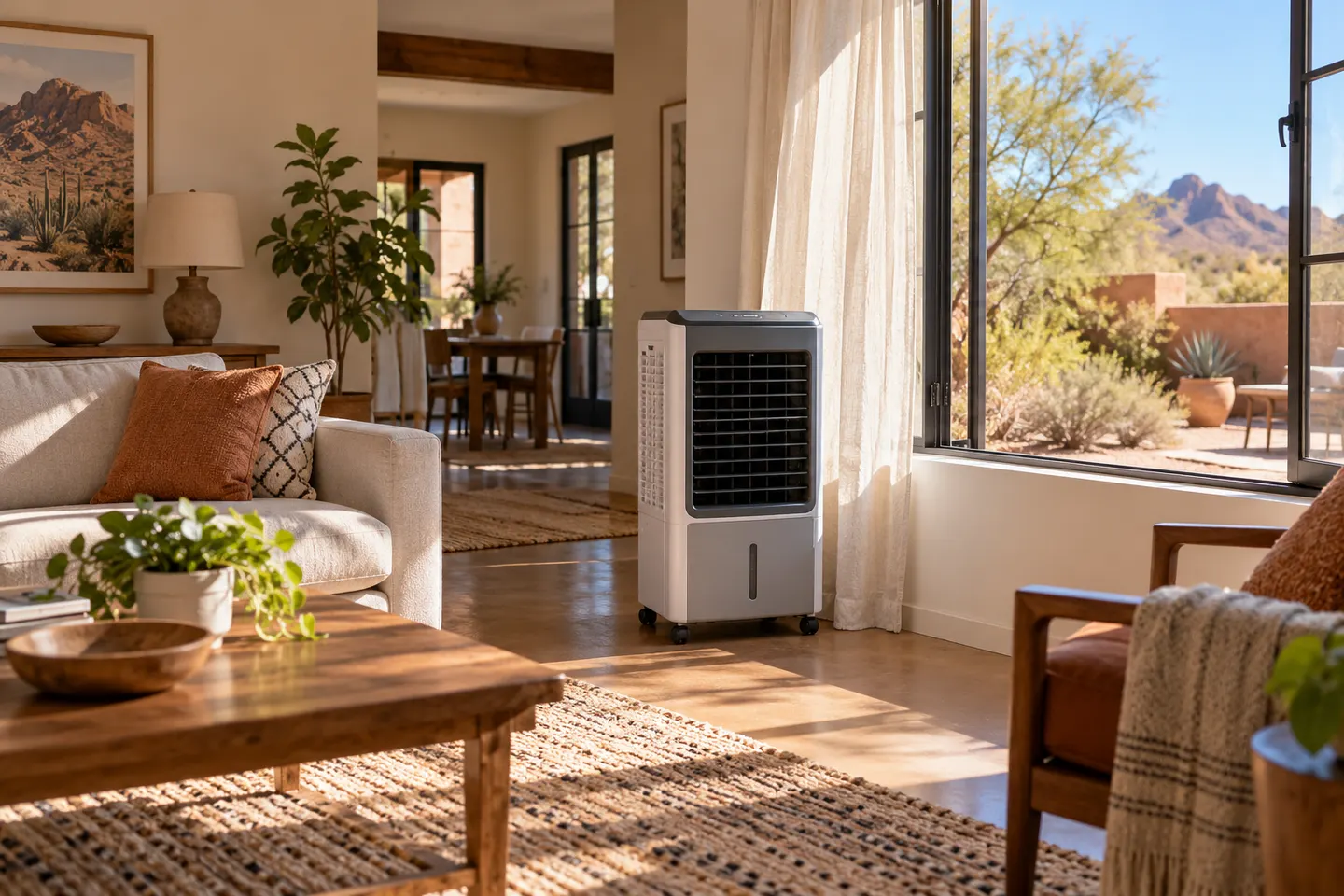
Our picks
Top picks
Official manufacturer image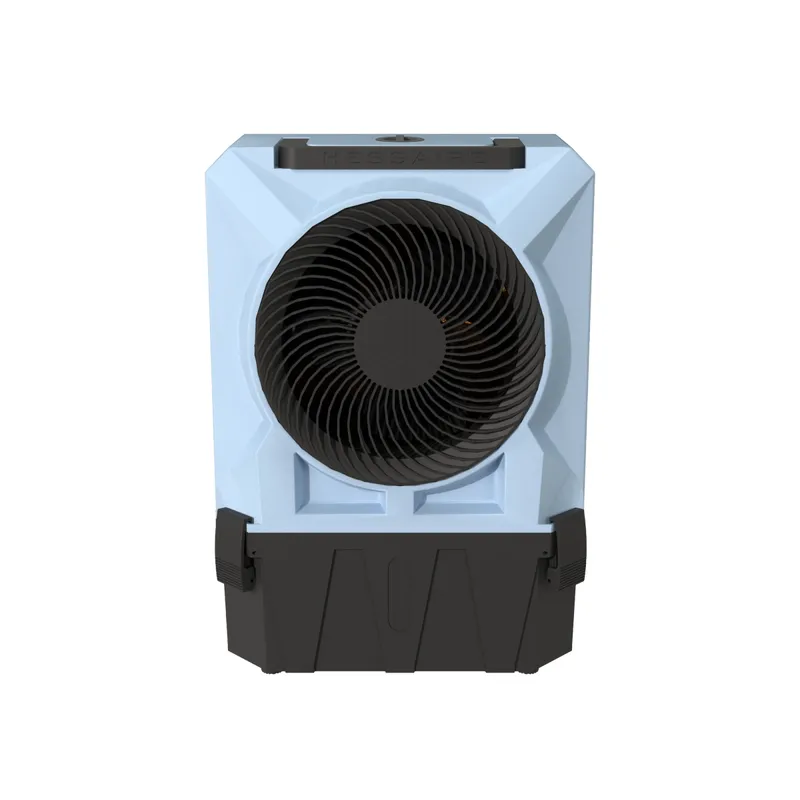 Official manufacturer image
Hessaire MC12V
Check price on Amazon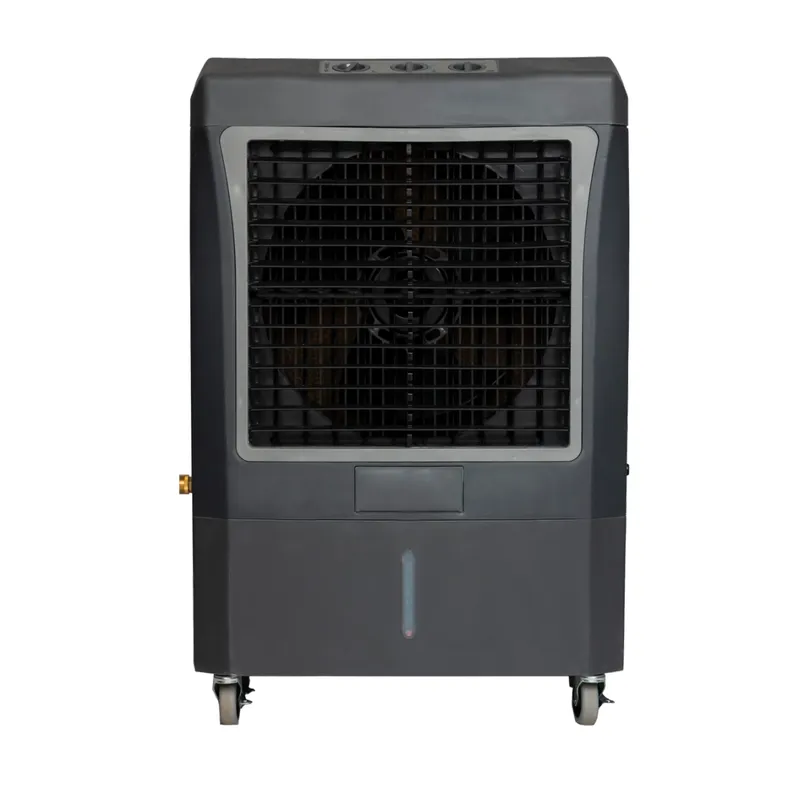 Official manufacturer image
Hessaire MC37M
Check price on AmazonCommon questions
Questions before you buy
What is an American air cooler?
The phrase is used for air-cooling products sold in the United States, including evaporative coolers and portable personal coolers. Check the product description to distinguish water-based cooling from compressor air conditioning.
Do evaporative air coolers work in humid climates?
They work best in dry conditions because evaporation adds moisture to the air. In humid weather, a conventional air conditioner may be a better fit.
Does an air cooler need a window open?
Direct evaporative cooling works best with ventilation so humid indoor air can escape. Follow the unit manual for placement and airflow guidance.
How do I choose a cooler for a room?
Match the maker's stated coverage and airflow to the room, then account for humidity, ventilation, noise and water-tank upkeep.