Independent buying guidance · US editionHow we work
Gearjury
All categories
All categories
Best picksGood Meat Thermometers for Every Kind of Cook
Best picksBest WiFi Extenders: Which Range Extender Should You Buy?
Best picksBest Dash Cams for Cars in 2026
Best picksBest Radar Detectors for Cars: Models Compared
Best picksGood Winter Gloves for Cold Weather: Five Useful Picks
Best picksBest Headlamps: Six Lights Compared for Different Uses
Best picksTop 10 Best Battery-Powered Weed Eaters for Different Yards
Best picksBest Portable Air Coolers for Patios, Workshops and Small Spaces (2026)
Best picksBest Air Purifier for Bedroom in the US: Quiet Models Compared
United StatesEnglish

Category hub

Air Cooler at Home: Choose for Your Room

Match an at-home air cooler to your room, climate, and ventilation.

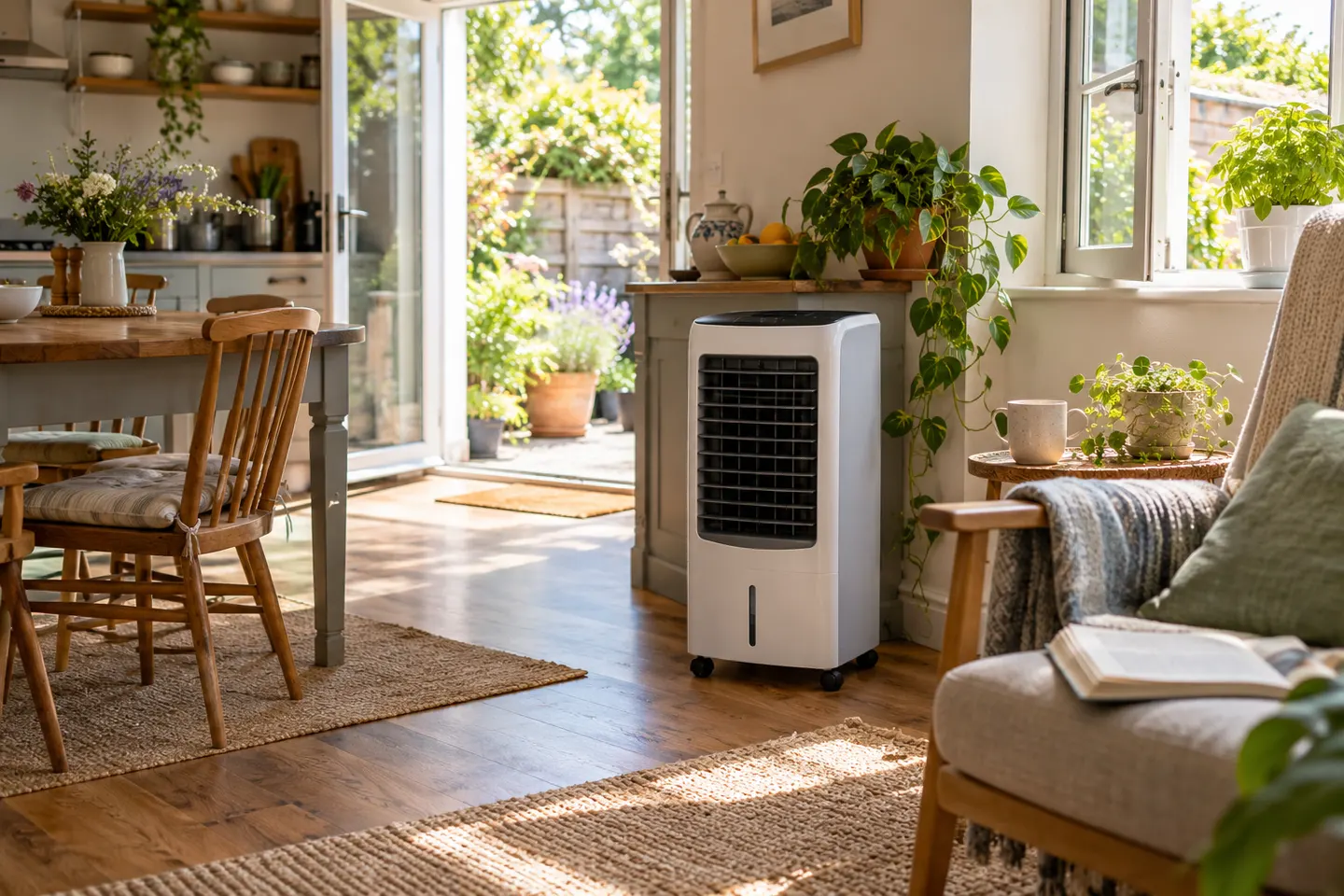
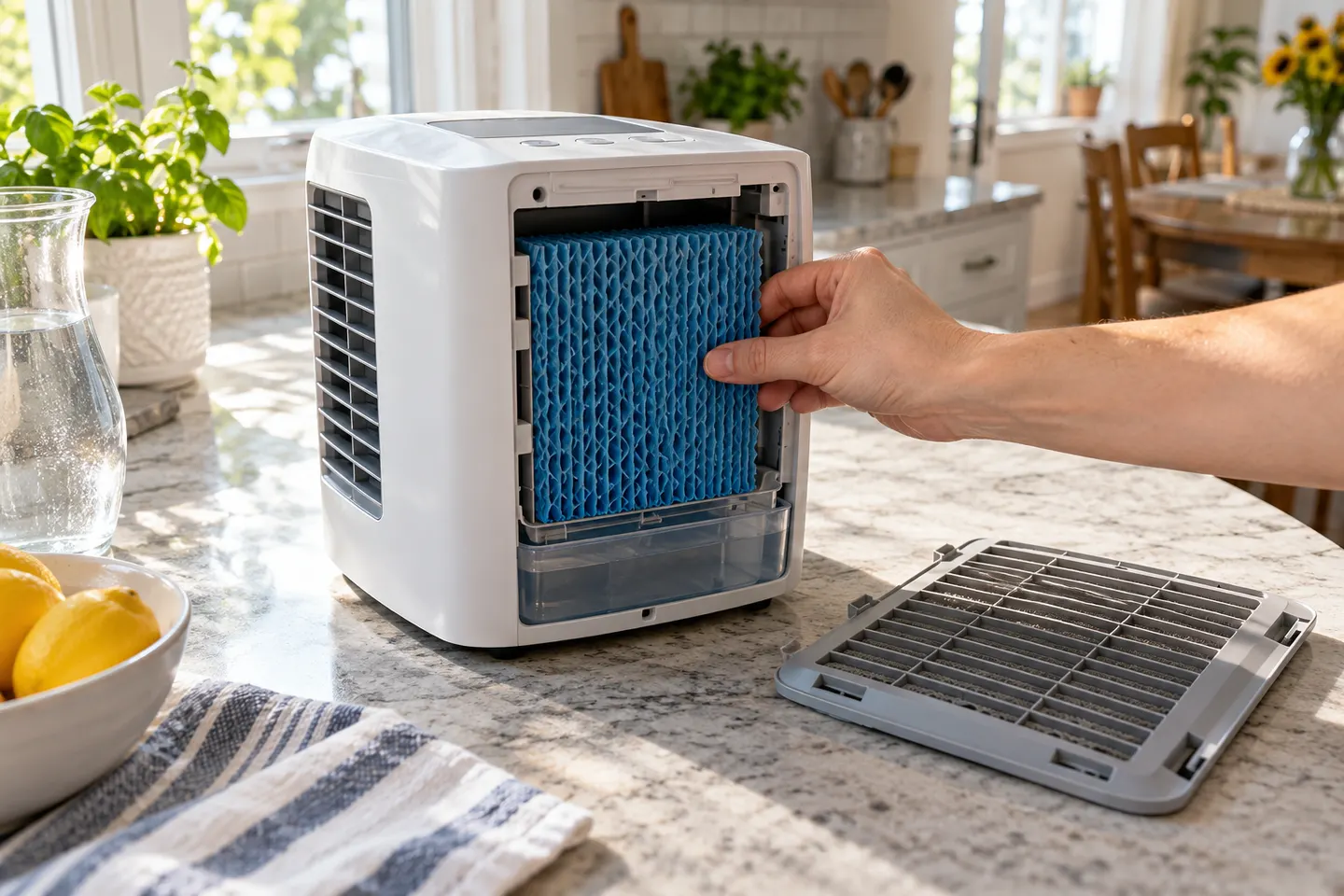
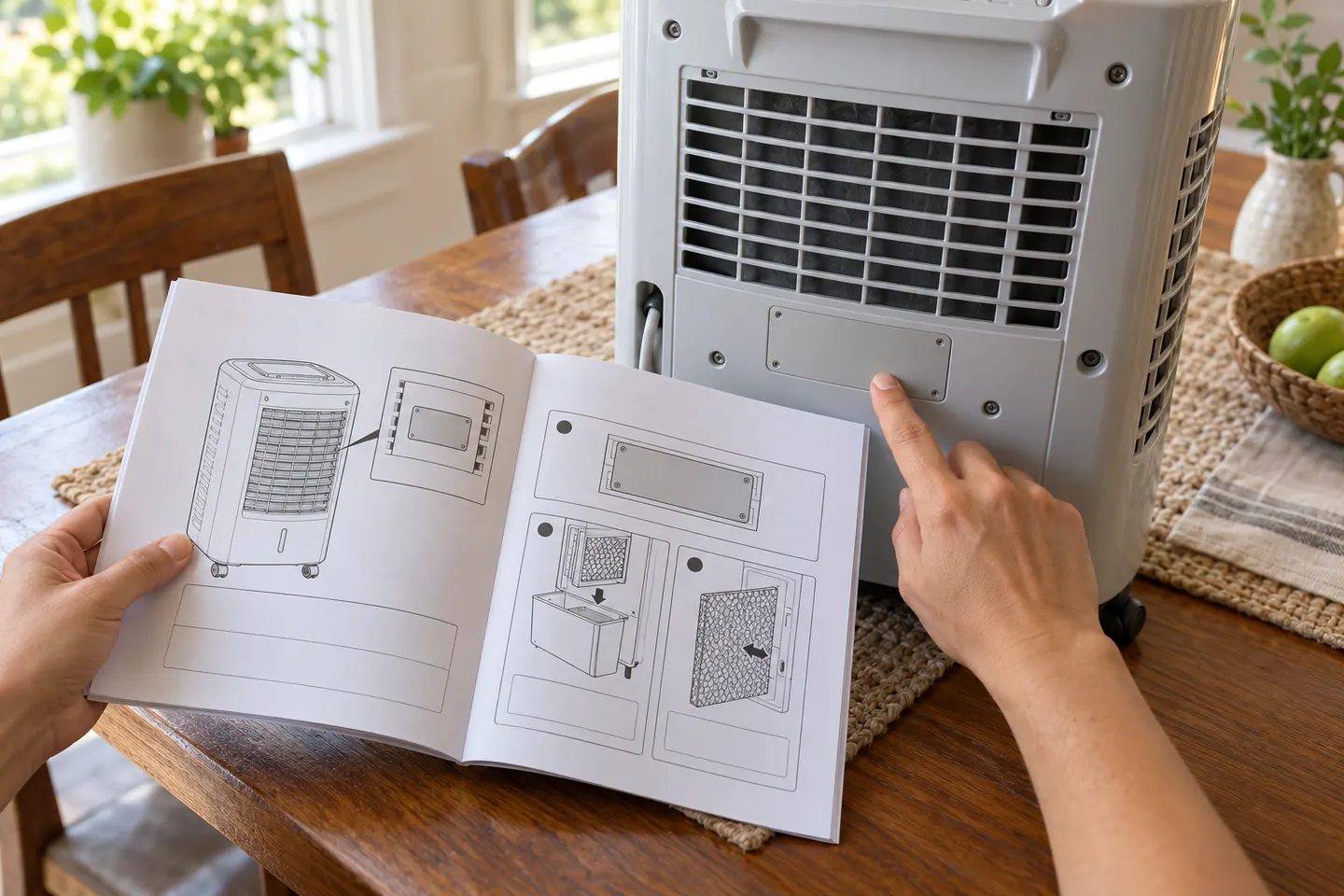
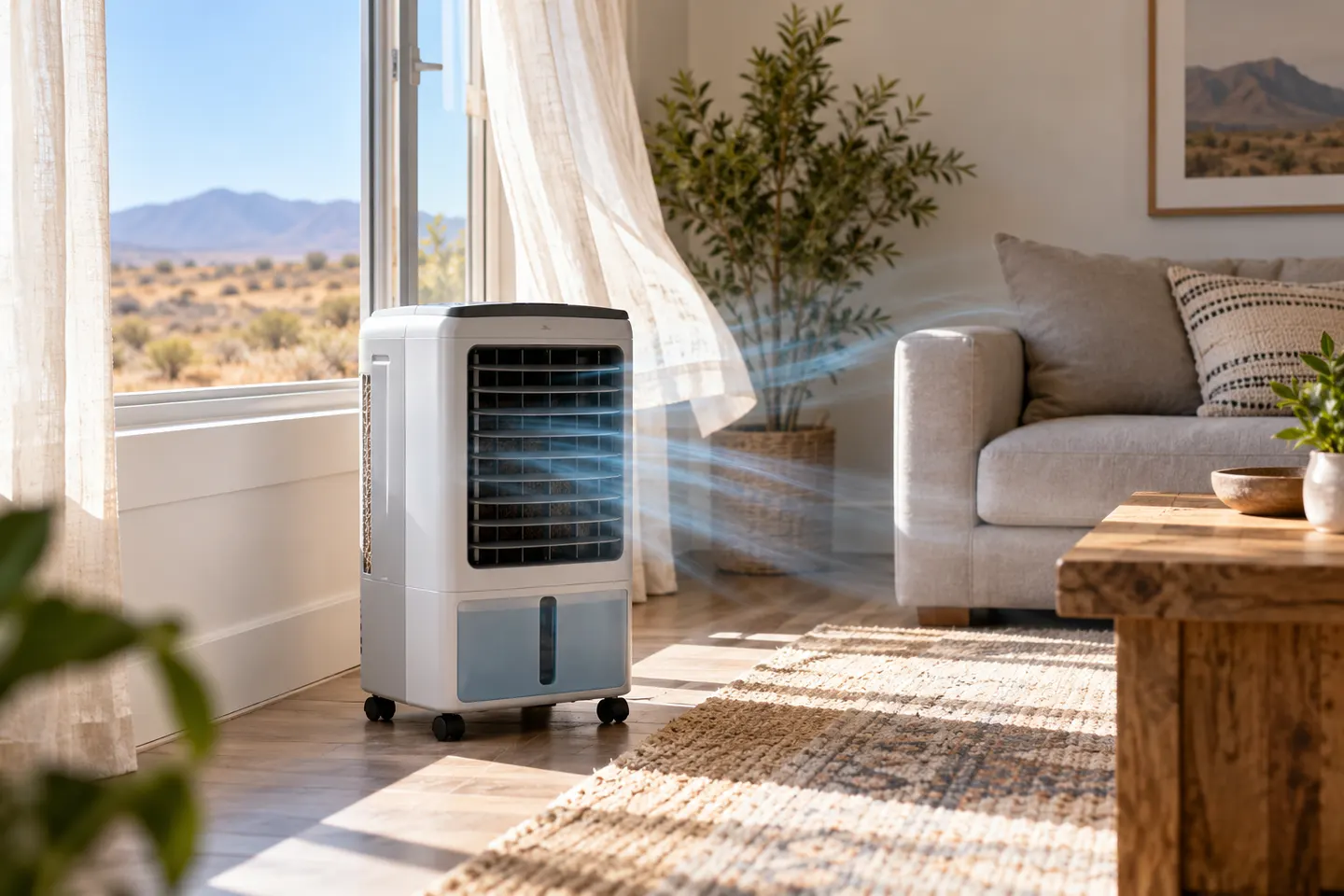
An air cooler at home is most useful when the room can exchange humid air with the outdoors and the climate is not already very humid. Decide whether you want a personal breeze or airflow across a larger space; these are different jobs. Start with room size and climate. Evaporative cooling adds moisture, so it is generally better suited to dry conditions with ventilation. Check airflow, intended coverage, water refill and cleaning instructions. For closed or humid spaces, compare a fan or air conditioner.

By place and use

5
Show all (5)

Common questions

Questions before you buy

Is an air cooler suitable for a bedroom?

It can be if airflow, sound, ventilation, and humidity suit the room. Follow the model’s placement guidance.

How do I choose an air cooler for home use?

Match airflow and stated coverage to the room, then consider humidity, ventilation, tank access, and cleaning.

Will an evaporative cooler lower humidity?

No. Evaporation adds moisture, so comfort and cooling may decline when air is already humid.

Can a portable air cooler run overnight?

Follow the manufacturer’s instructions for unattended use, filling, and placement; keep the unit stable and its intake clear.