









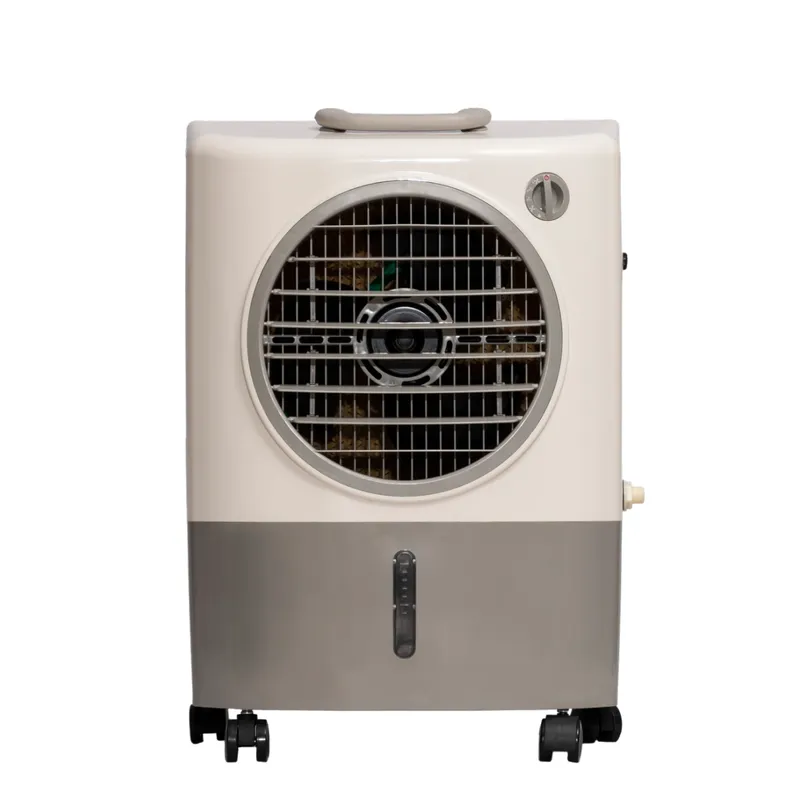
 Official manufacturer image
Our picks
Top picks
Official manufacturer image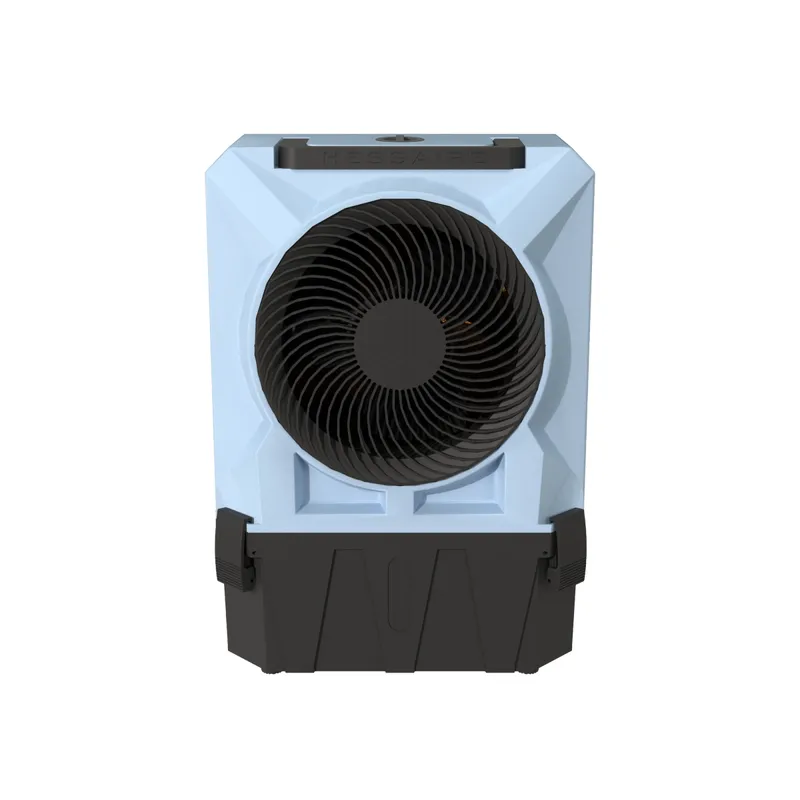 Official manufacturer image
Hessaire MC12V
Check price on Amazon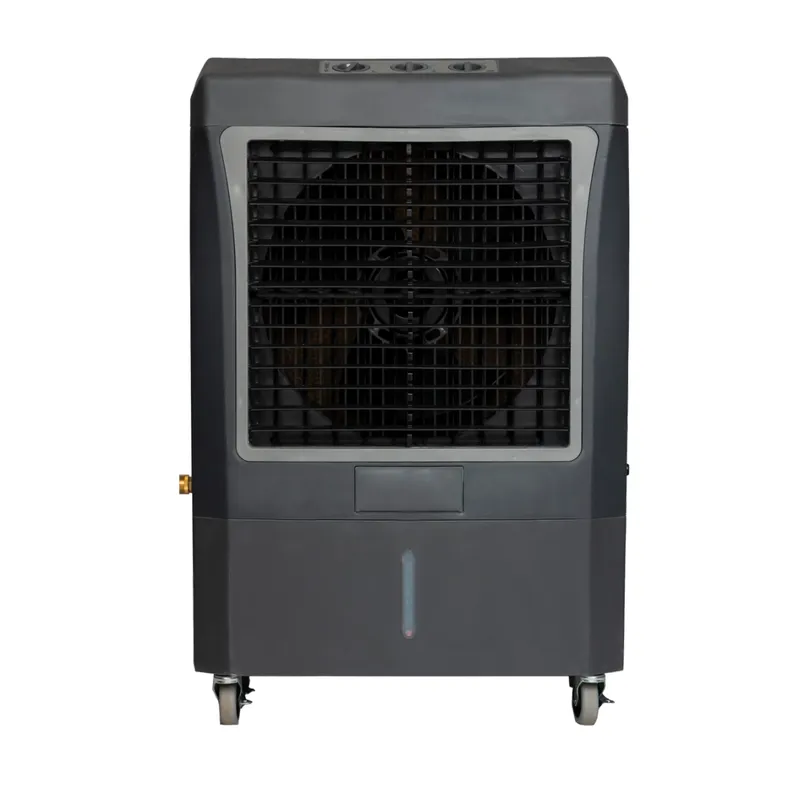 Official manufacturer image
Hessaire MC37M
Check price on AmazonCommon questions
Questions before you buy
Do bladeless air coolers actually cool the air?
Some models use evaporative cooling, while others are fans that circulate air. Check the manufacturer's stated technology rather than inferring it from the bladeless design.
Are bladeless evaporative air coolers different from bladeless fans?
Yes. An evaporative model passes air through a wetted medium and adds moisture; a fan moves air without that water-based process.
Can a bladeless cooler cool a room in humid weather?
Direct evaporative cooling is less suitable in humid conditions. Check the climate guidance and intended coverage for the exact model.
Are bladeless coolers safer around children?
A design without exposed fan blades can reduce access to moving blades, but electrical and water safety still depend on the unit and its placement. Follow the manual.