









 Official manufacturer image
Our picks
Top picks
Official manufacturer image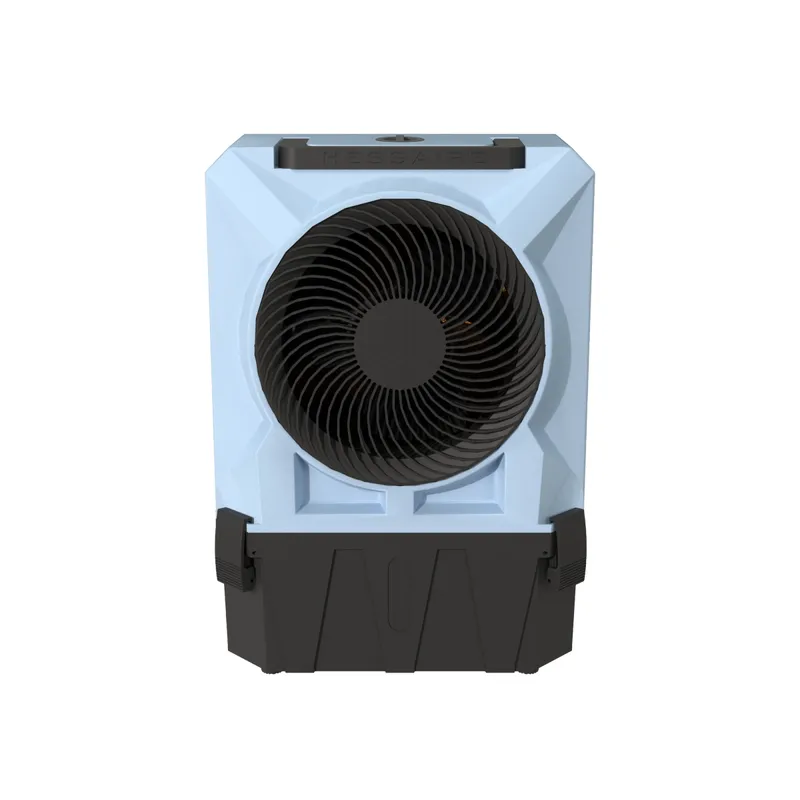 Official manufacturer image
Hessaire MC12V
Check price on Amazon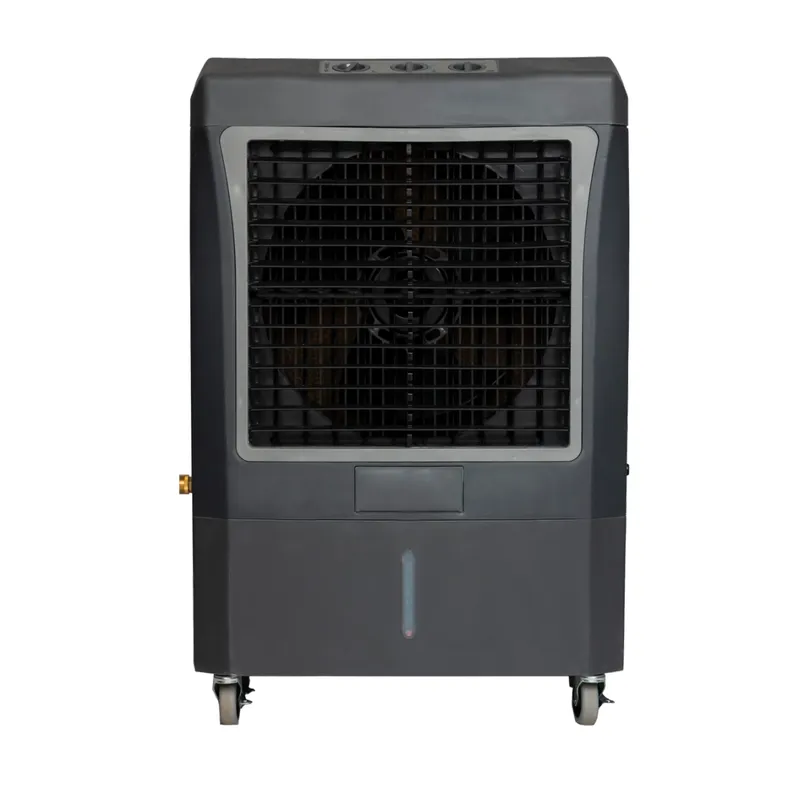 Official manufacturer image
Hessaire MC37M
Check price on AmazonBy type and size
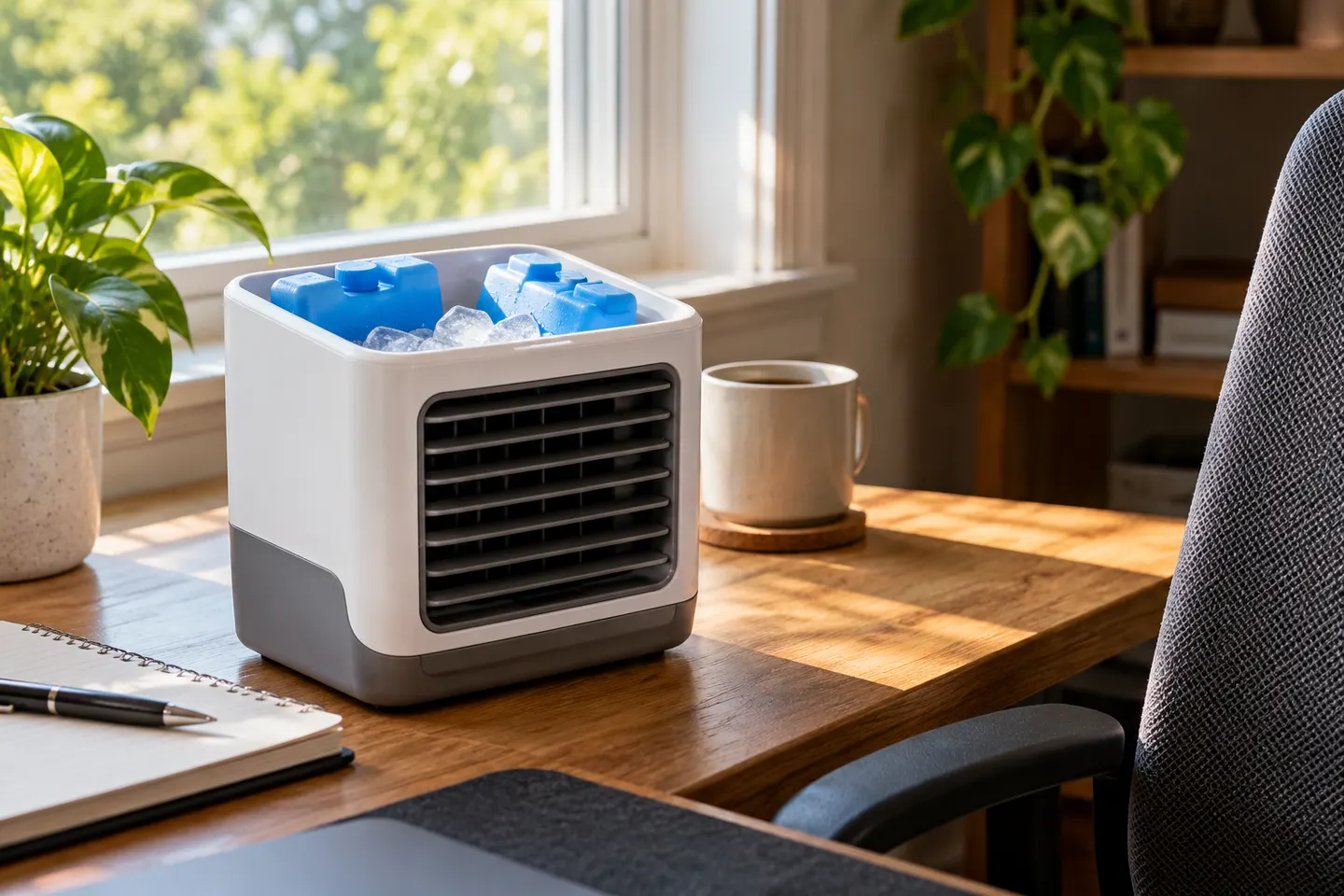 Breeze blast personal
Brands
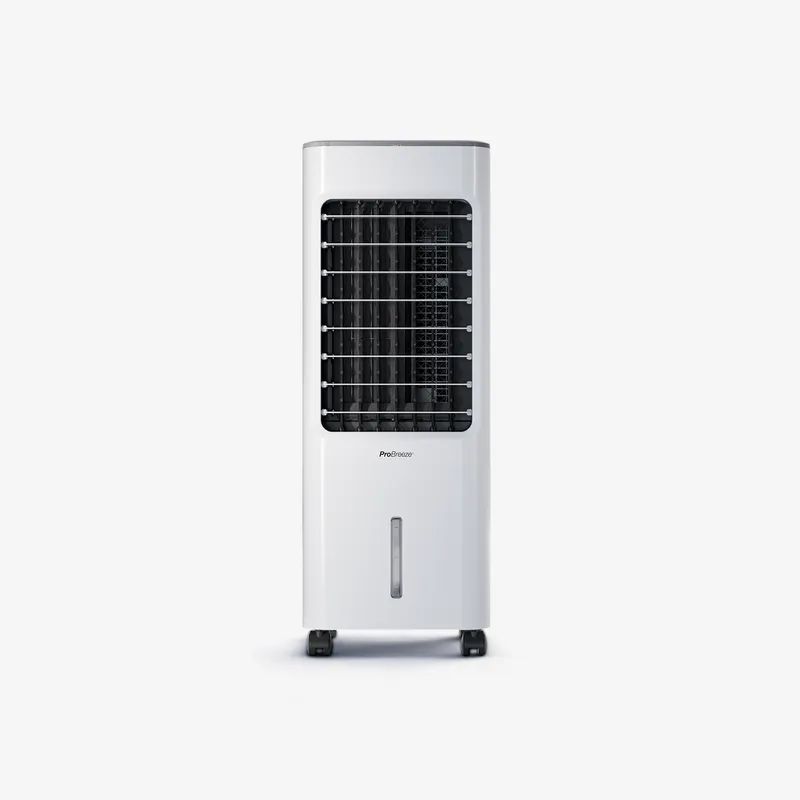 Pro Breeze
More topics
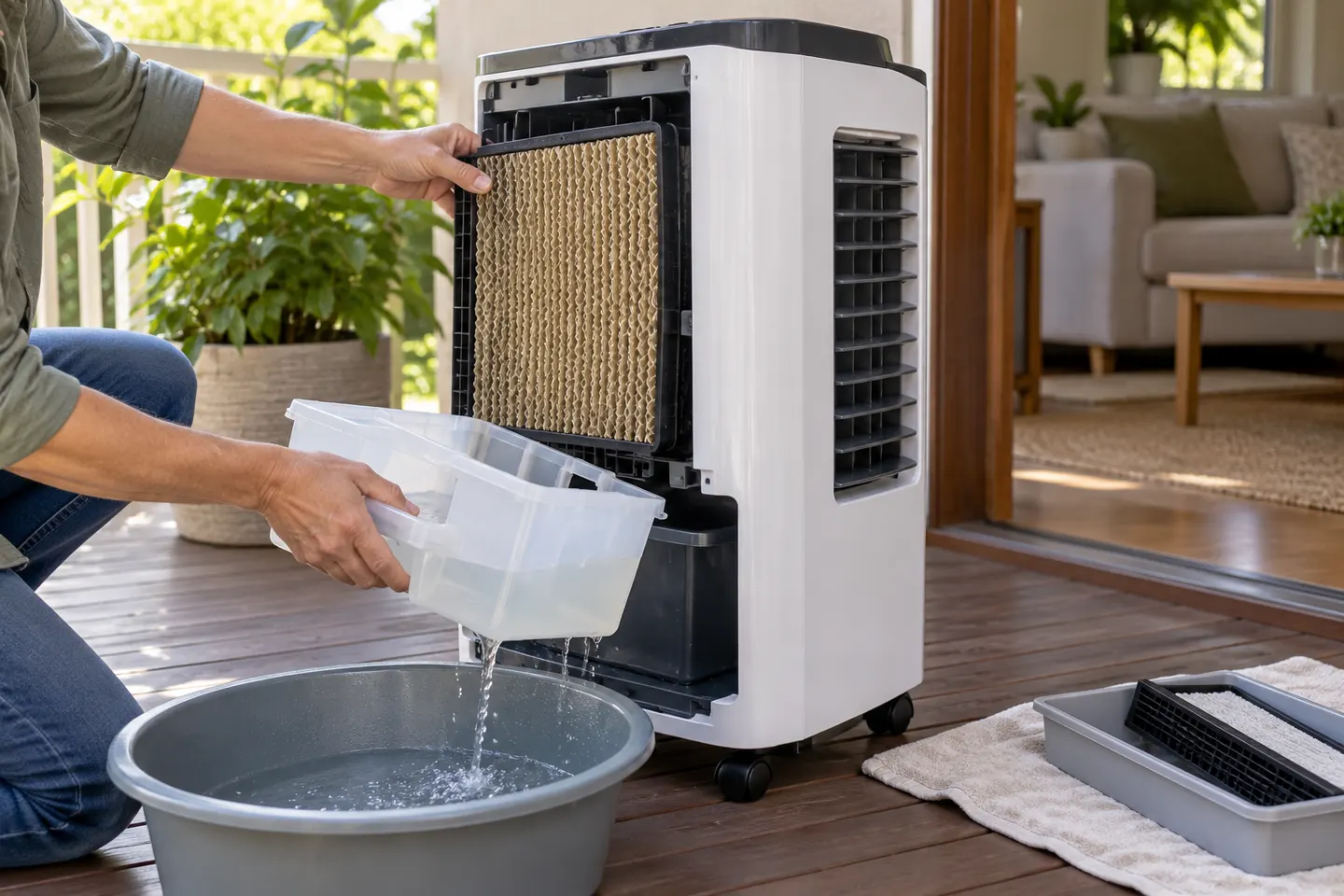 Breeze Air Evaporative Cooler
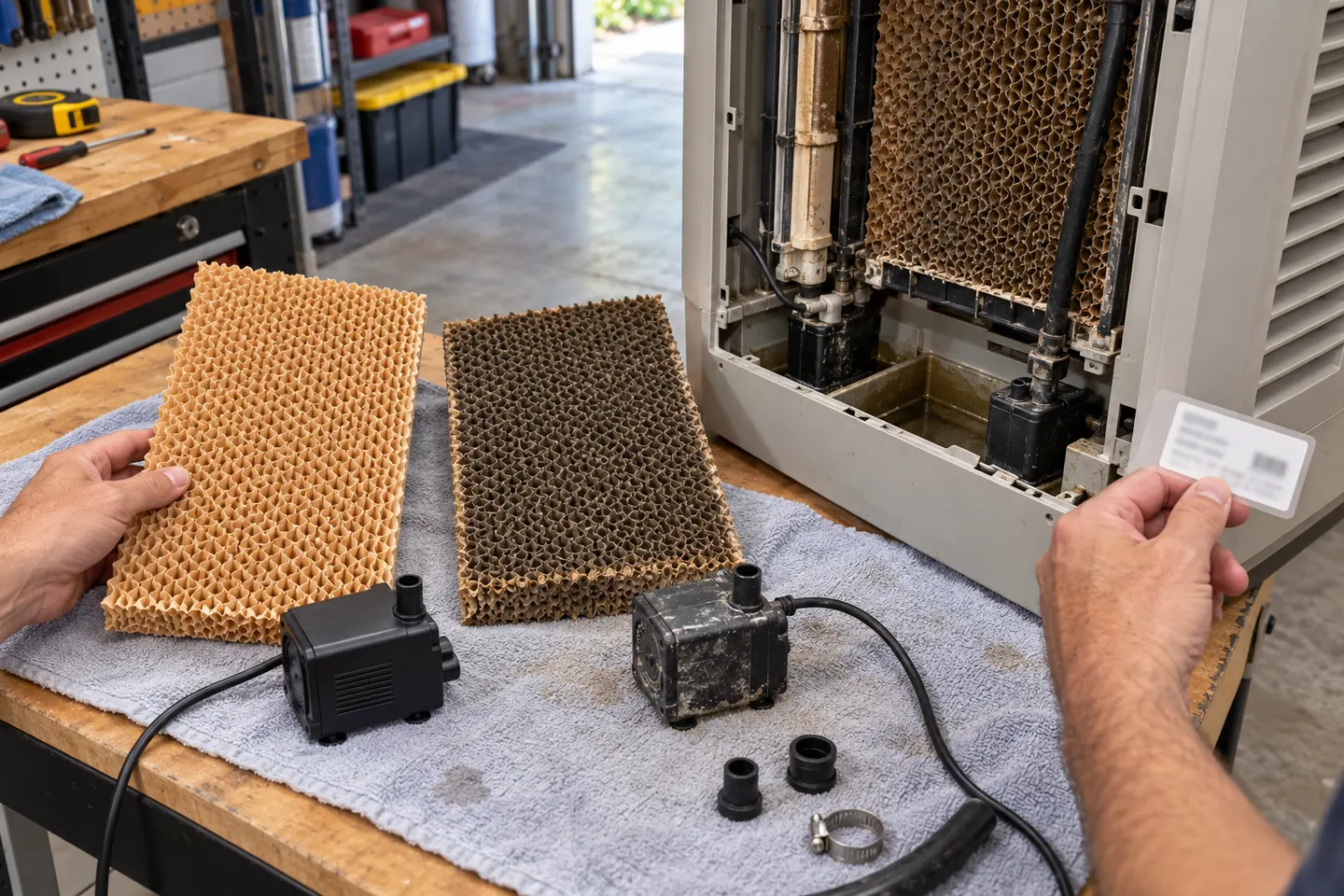 Breeze Air Evaporative Cooler Parts
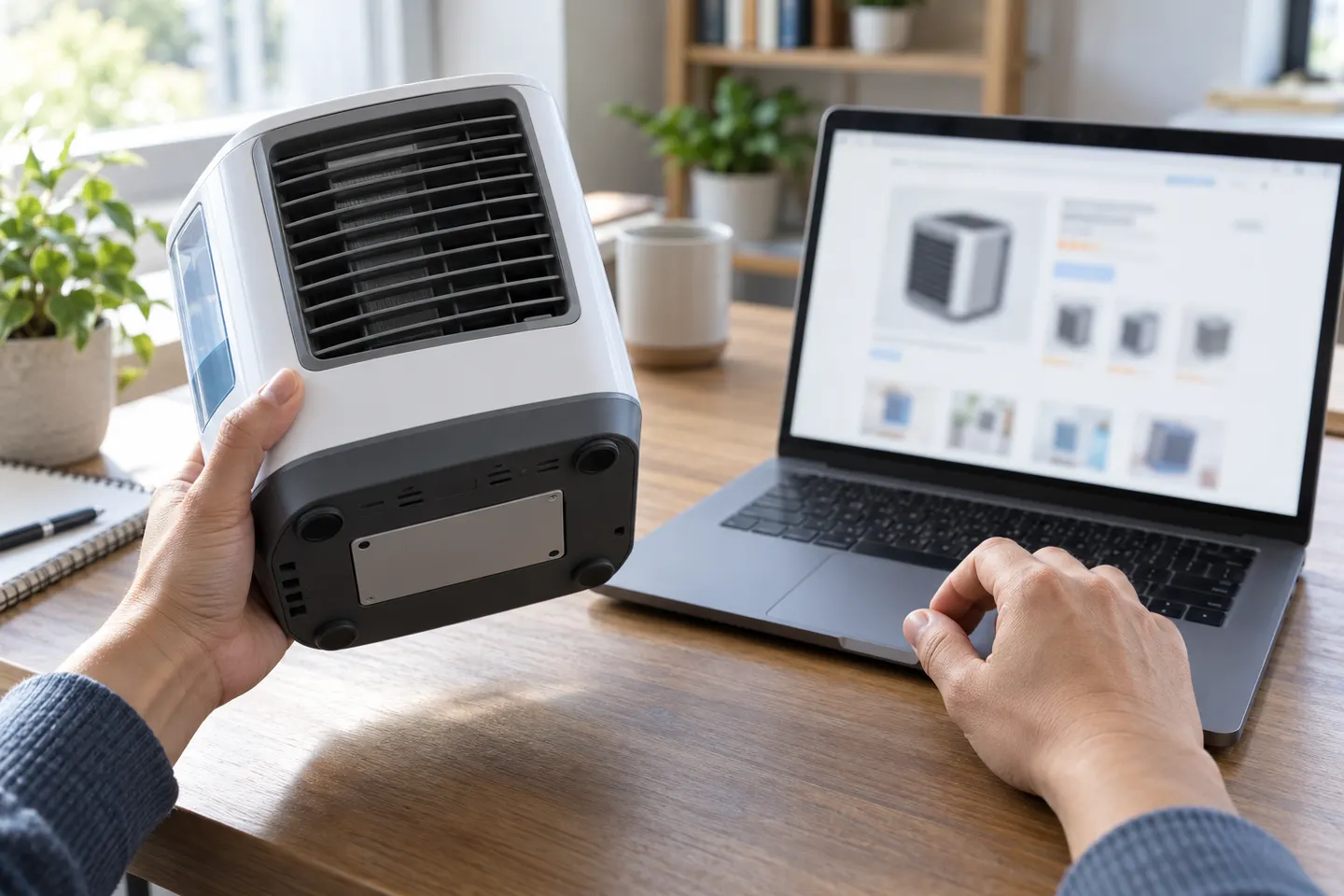 Polar Breeze Air Coolers
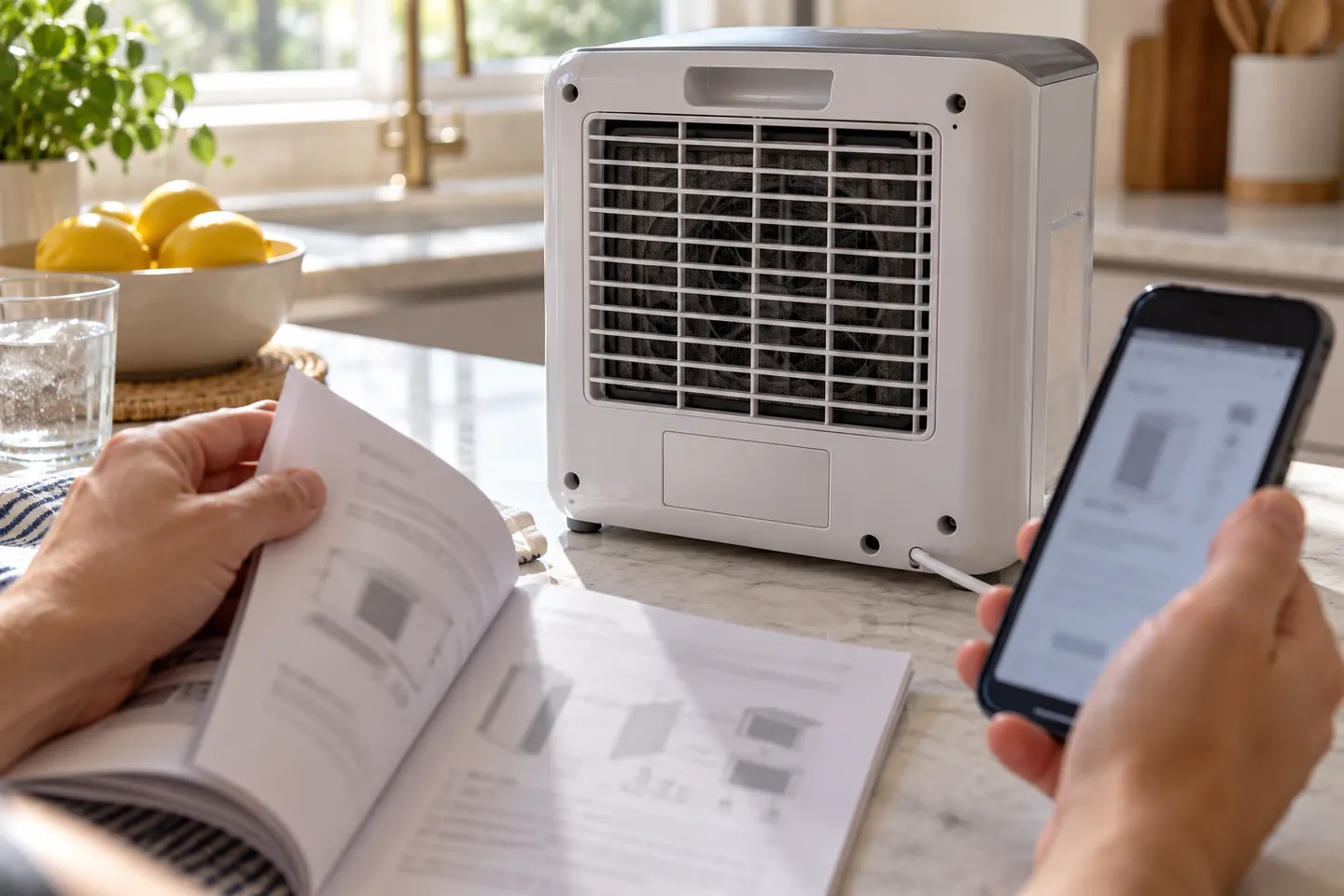 What to Know About the Polar Breeze Ultra Air Cooler
Show all (5)
Common questions
Questions before you buy
How do I choose a Breeze evaporative cooler cover?
Match the cover to the cooler's model and measured cabinet dimensions, then check its fabric and intended storage conditions. The brand name alone is not enough to establish fit.
Are evaporative air cooler vent covers the same as outdoor covers?
No. A vent cover closes or protects an opening, while an outdoor cover surrounds a cabinet. Confirm the product's intended use and dimensions before buying.
Should I cover an evaporative cooler while it is running?
No. Remove any storage cover before operation and keep air inlets and outlets unobstructed. Follow the manual's clearance and start-up instructions.
Should I drain a swamp cooler before covering it for winter?
Use the manufacturer's seasonal shutdown procedure, which may call for shutting off water, draining the reservoir and cleaning or drying components. Do not seal a wet unit without checking the manual.