Independent buying guidance · US editionHow we work
Gearjury
All categories
All categories
Best picksGood Meat Thermometers for Every Kind of Cook
Best picksBest WiFi Extenders: Which Range Extender Should You Buy?
Best picksBest Dash Cams for Cars in 2026
Best picksBest Radar Detectors for Cars: Models Compared
Best picksGood Winter Gloves for Cold Weather: Five Useful Picks
Best picksBest Headlamps: Six Lights Compared for Different Uses
Best picksTop 10 Best Battery-Powered Weed Eaters for Different Yards
Best picksBest Portable Air Coolers for Patios, Workshops and Small Spaces (2026)
Best picksBest Air Purifier for Bedroom in the US: Quiet Models Compared
United StatesEnglish

Category hub

Charging Air Coolers: A Guide to Charge Air Systems

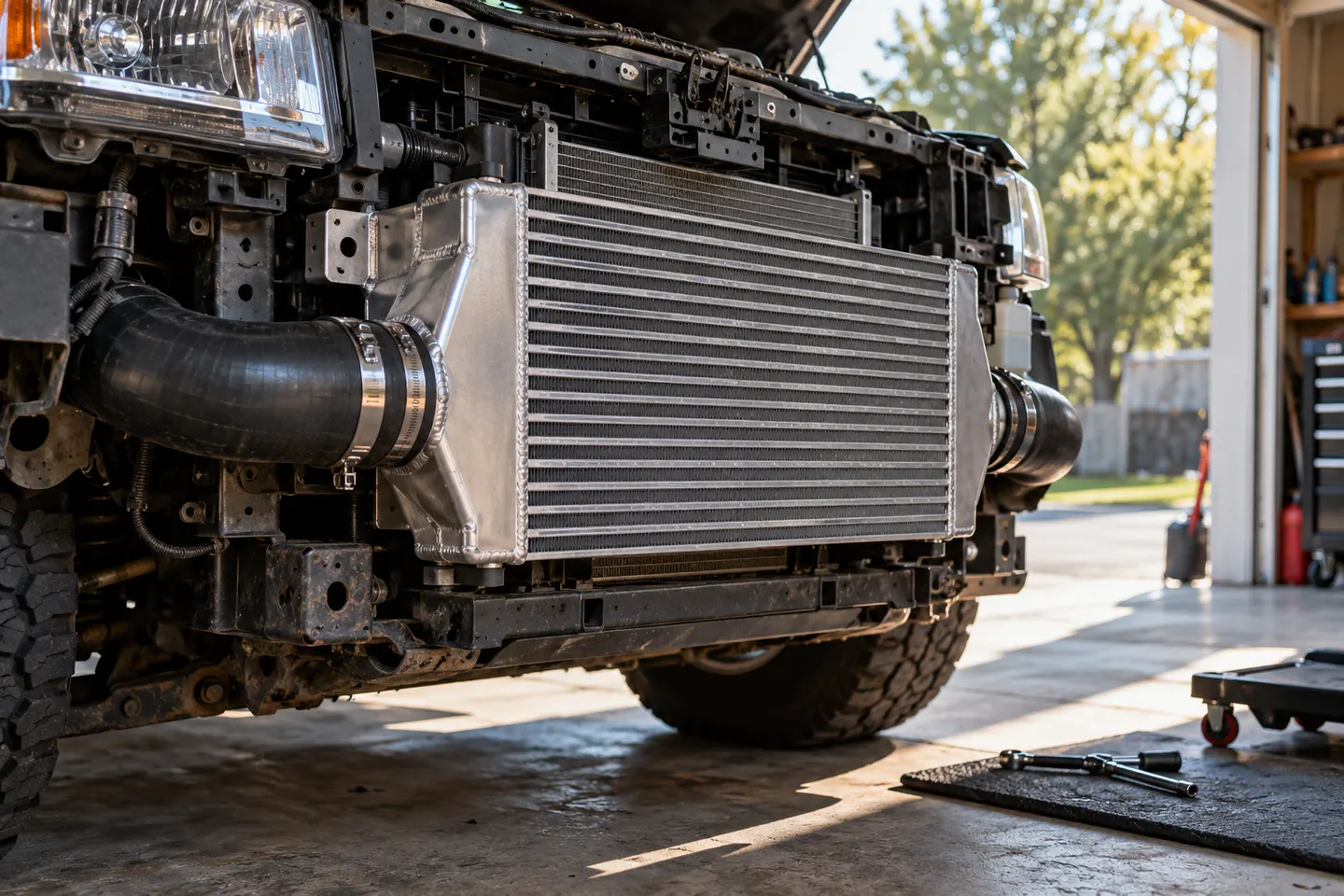
In automotive listings, a charging air cooler usually refers to a charge air cooler that cools compressed engine intake air. Confirm vehicle fitment and design before comparing parts.

A charging air cooler is a phrase used for the heat exchanger in a turbocharged or supercharged engine’s charge-air path. Compression heats the incoming air; the cooler transfers heat before the charge enters the engine. Designs may be air-to-air or use a liquid circuit, so the term does not identify one universal part.

Charging Air Coolers: A Guide to Charge Air Systems

Common questions

Questions before you buy

What does a charging air cooler do?

It transfers heat away from compressed intake air in an engine induction system, commonly downstream of a turbocharger or supercharger.

Is a charging air cooler the same as an intercooler?

The names are often used for the same general function, though the exact system configuration and terminology vary by manufacturer.

Are charging air coolers air-to-air or liquid-to-air?

Both layouts exist. Identify the vehicle’s fitted system and use application-specific parts information.

How can I tell if a charge air cooler is failing?

A leak or damaged core can affect operation, but symptoms overlap with other faults. Use diagnostic procedures for the specific vehicle rather than replacing a part based on symptoms alone.