Independent buying guidance · US editionHow we work
Gearjury
All categories
All categories
Best picksGood Meat Thermometers for Every Kind of Cook
Best picksBest WiFi Extenders: Which Range Extender Should You Buy?
Best picksBest Dash Cams for Cars in 2026
Best picksBest Radar Detectors for Cars: Models Compared
Best picksGood Winter Gloves for Cold Weather: Five Useful Picks
Best picksBest Headlamps: Six Lights Compared for Different Uses
Best picksTop 10 Best Battery-Powered Weed Eaters for Different Yards
Best picksBest Portable Air Coolers for Patios, Workshops and Small Spaces (2026)
Best picksBest Air Purifier for Bedroom in the US: Quiet Models Compared
United StatesEnglish

Category hub

Evap Air Coolers: Portable and Installed Formats

An evap air cooler uses water evaporation to cool moving air. Personal, portable and installed systems differ in airflow and coverage, but all need suitable humidity conditions.

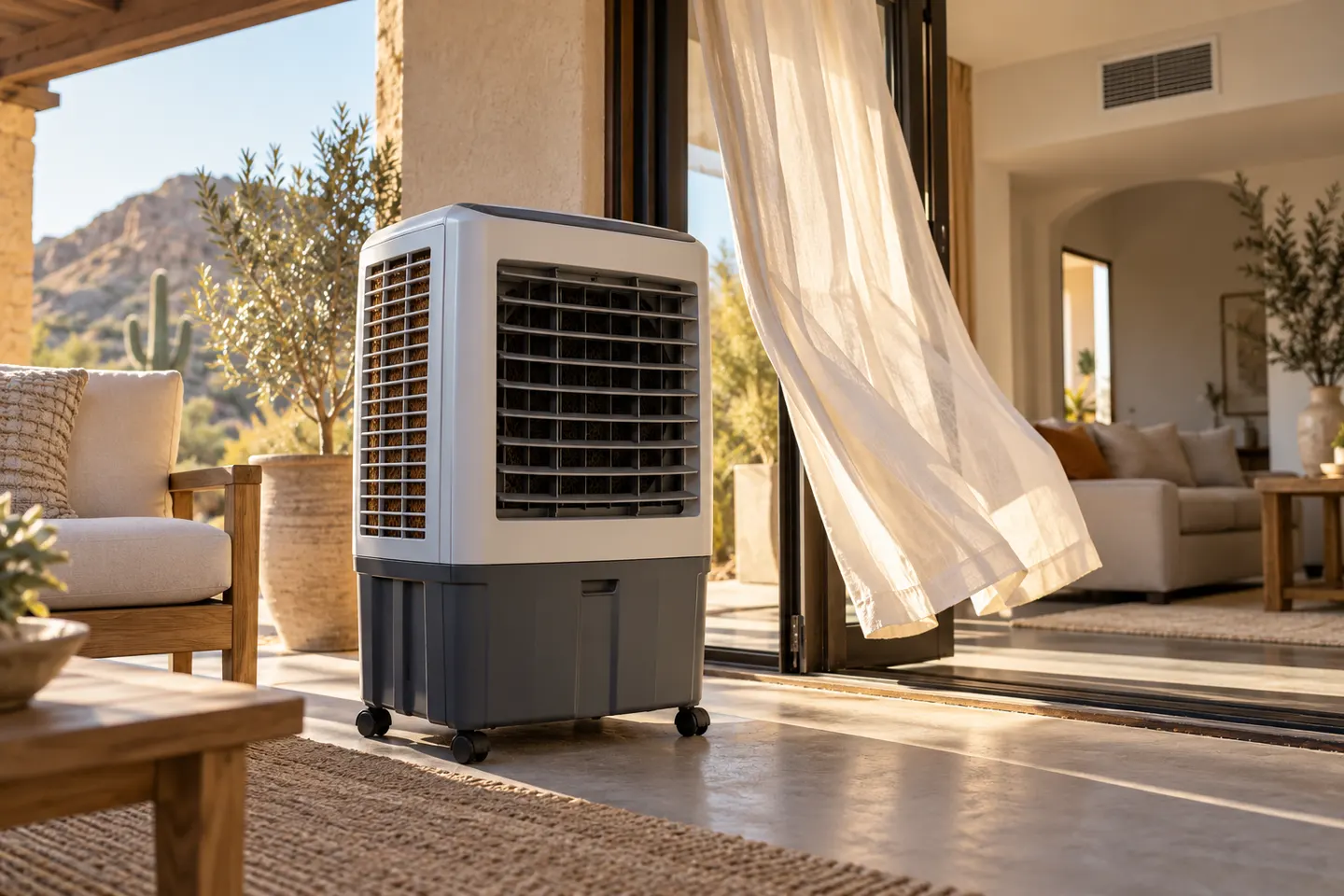
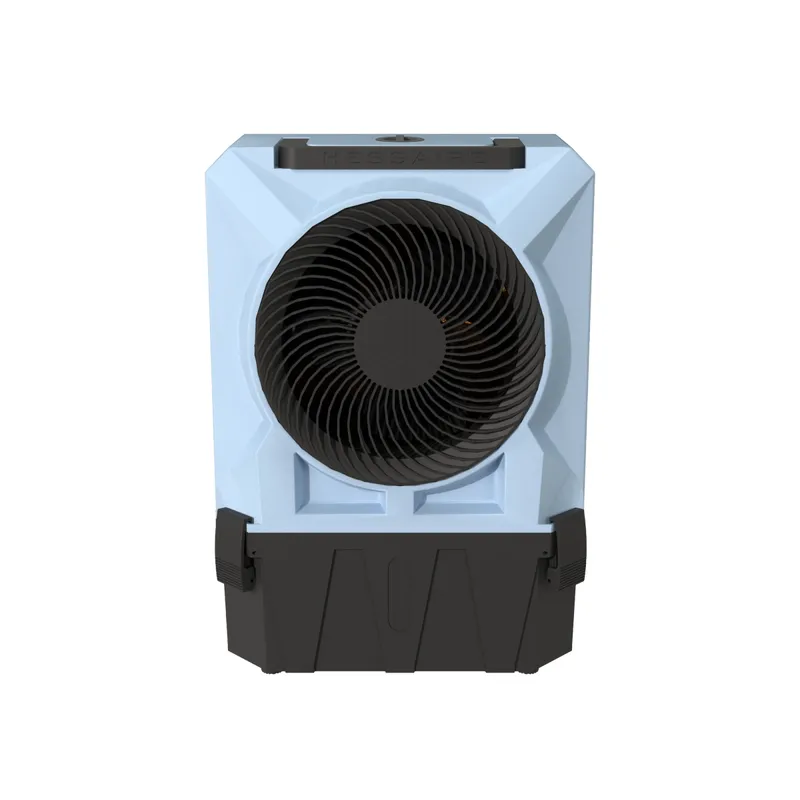
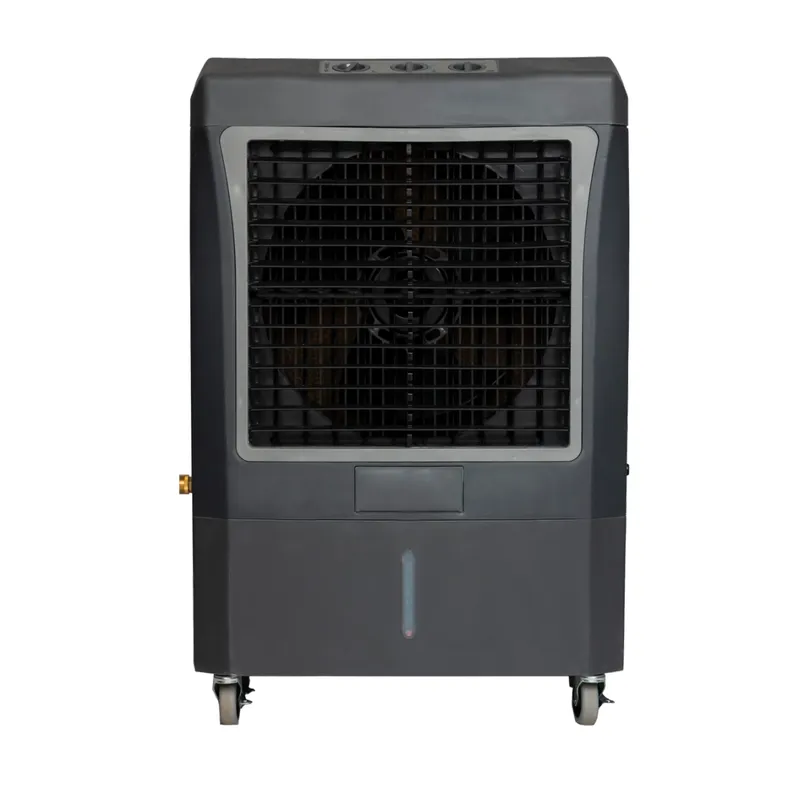
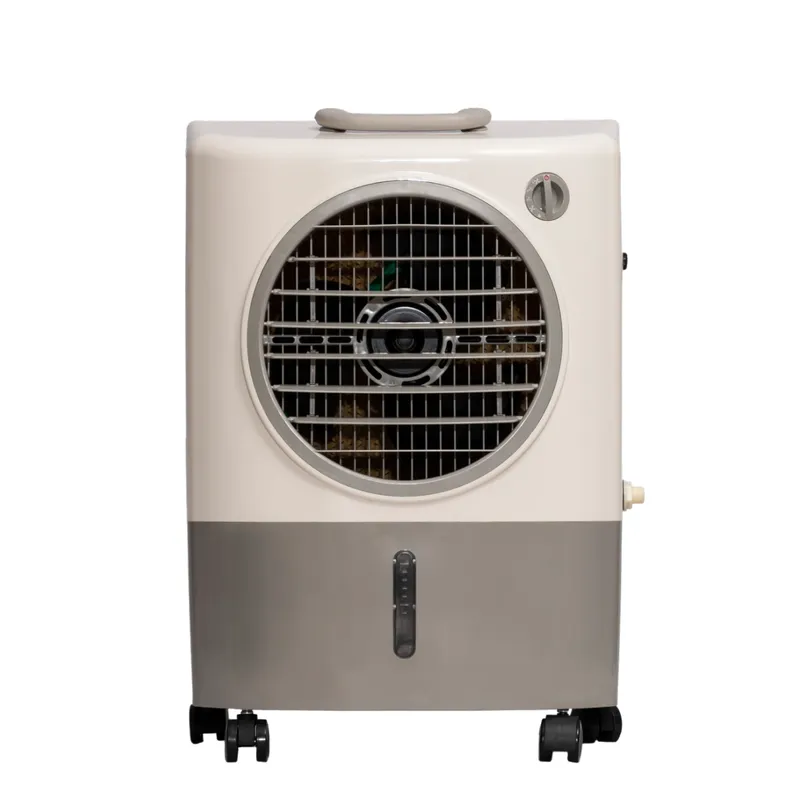
An evap air cooler is shorthand for an evaporative air cooler: it uses water evaporation to lower the temperature of moving air. The format ranges from small personal units to larger portable and whole-home systems, so match airflow and installation to the area you need to serve.

Evap Air Coolers: Portable and Installed Formats

Common questions

Questions before you buy

What does evap mean in an air cooler?

It refers to evaporative cooling: air passes over water-wetted media and some water evaporates, taking heat from the airflow.

Do evap air coolers need water?

Yes, evaporative operation needs water for the wetted pad or filter. Some models can also run as a fan without water; check the manual.

Are evaporative coolers effective in humid areas?

Their cooling effect falls as humidity rises, since less water can evaporate into the air. They also add moisture to the space.

Should an evaporative cooler be vented?

Provide an exit route for air, often a window or vent, and follow the model’s placement and ventilation guidance.