Independent buying guidance · US editionHow we work
Gearjury
All categories
All categories
Best picksGood Meat Thermometers for Every Kind of Cook
Best picksBest WiFi Extenders: Which Range Extender Should You Buy?
Best picksBest Dash Cams for Cars in 2026
Best picksBest Radar Detectors for Cars: Models Compared
Best picksGood Winter Gloves for Cold Weather: Five Useful Picks
Best picksBest Headlamps: Six Lights Compared for Different Uses
Best picksTop 10 Best Battery-Powered Weed Eaters for Different Yards
Best picksBest Portable Air Coolers for Patios, Workshops and Small Spaces (2026)
Best picksBest Air Purifier for Bedroom in the US: Quiet Models Compared
United StatesEnglish

Category hub

Air Cooler Fins: What They Do and How to Maintain Them

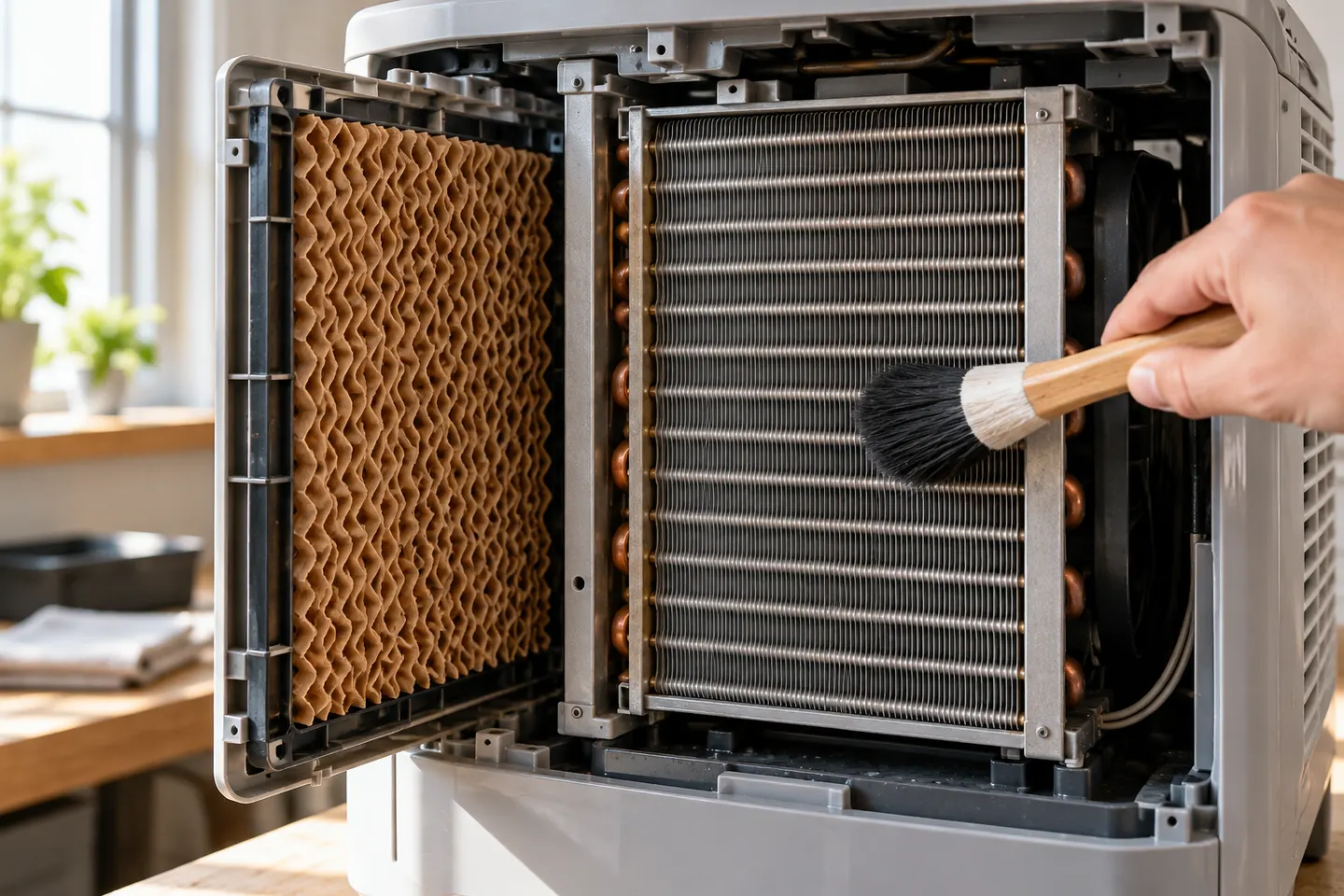
“Air cooler fins” can mean fins on an evaporative pad or a metal heat-exchanger core. Identify the equipment first, then follow its cleaning instructions.

Air cooler fins are thin surfaces that help transfer heat, but the phrase covers very different equipment. Evaporative home coolers use wetted pads to exchange heat through evaporation; automotive charge-air coolers use metal fins in a heat exchanger to move heat from compressed intake air. The right care depends on which unit you mean.

Air Cooler Fins: What They Do and How to Maintain Them

Common questions

Questions before you buy

What do fins do in an air cooler?

Fins increase surface area for heat transfer in a heat exchanger. In evaporative equipment, the cooling media is generally a wetted pad rather than the same kind of metal fin core.

How do I clean air cooler fins?

Use the cleaning method in the exact product manual. Delicate fins can bend, and water or cleaners may damage nearby electrical parts or coatings.

Can bent fins be straightened?

A technician may be able to address limited damage, but the safe method depends on the core and equipment. Avoid scraping or pressing fins without the maker’s guidance.

Do dirty evaporative cooler pads reduce airflow?

Mineral deposits and debris can restrict airflow through pads. The Department of Energy advises inspection and replacement of worn or torn pads as applicable.