









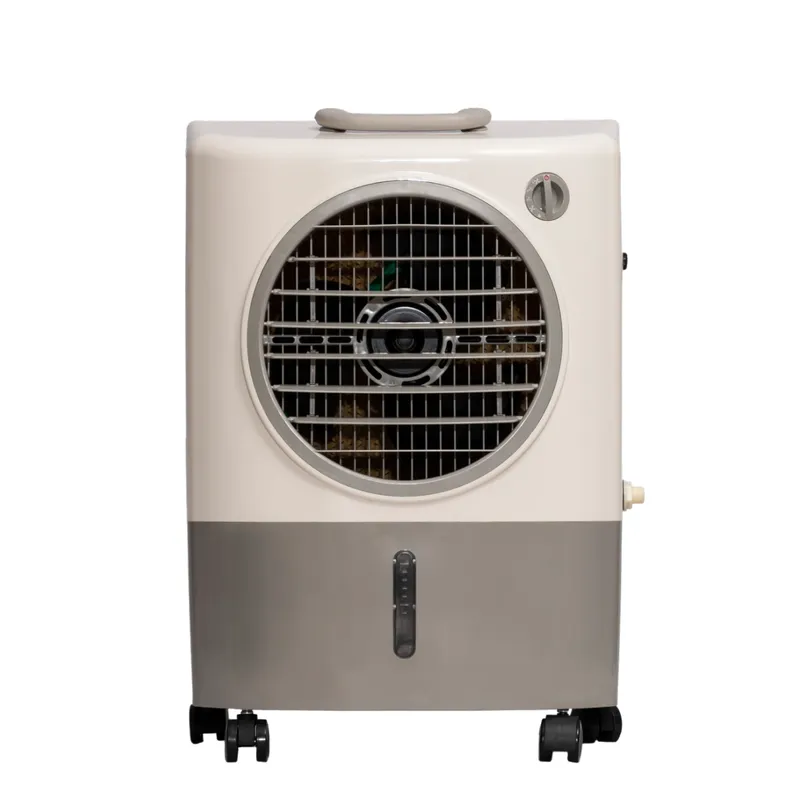
 Official manufacturer image
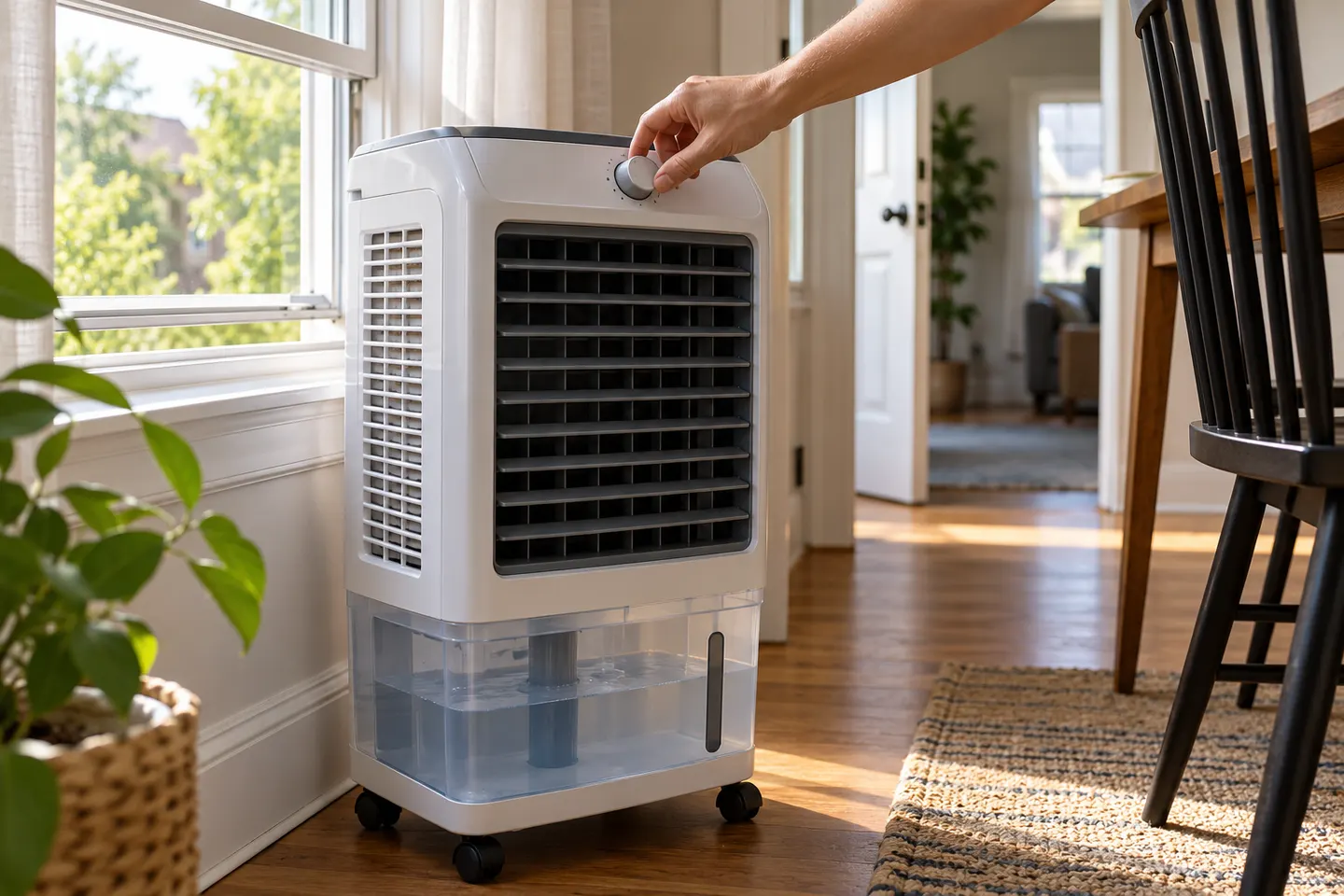
Our picks
Top picks
Official manufacturer image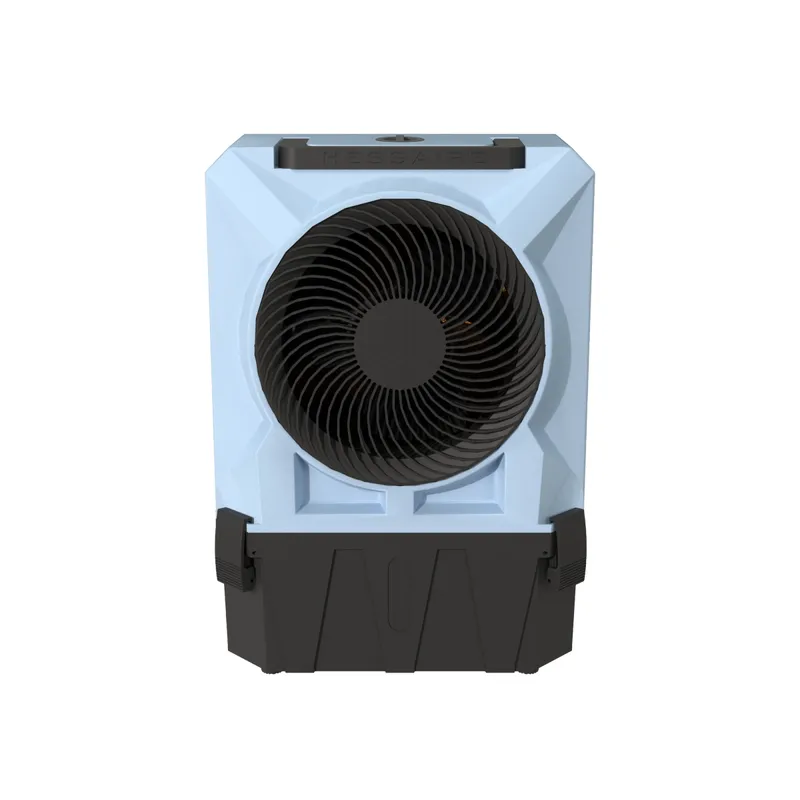 Official manufacturer image
Hessaire MC12V
Check price on Amazon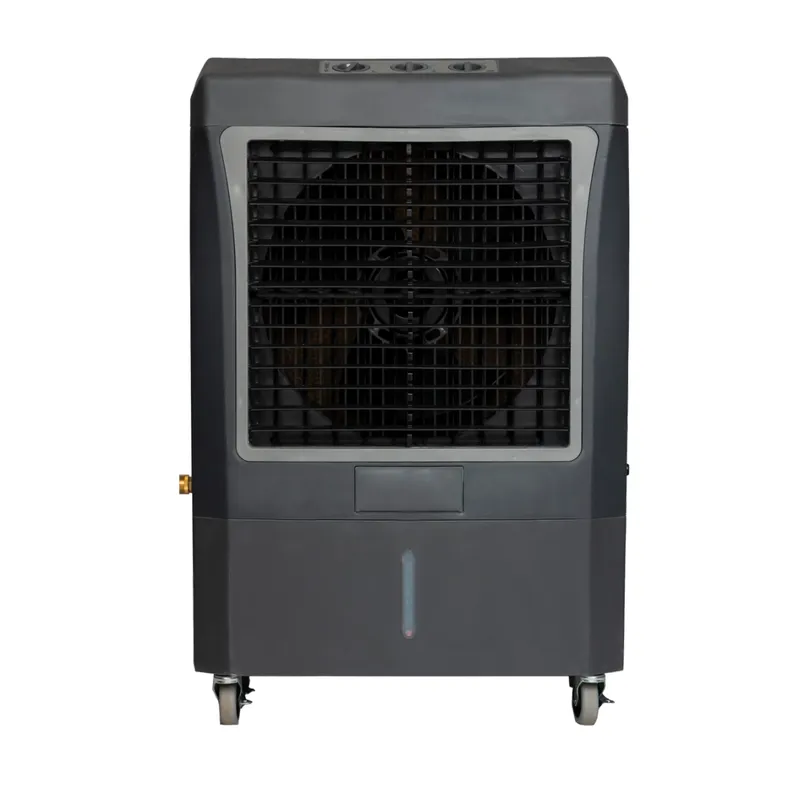 Official manufacturer image
Hessaire MC37M
Check price on AmazonHow-to guides
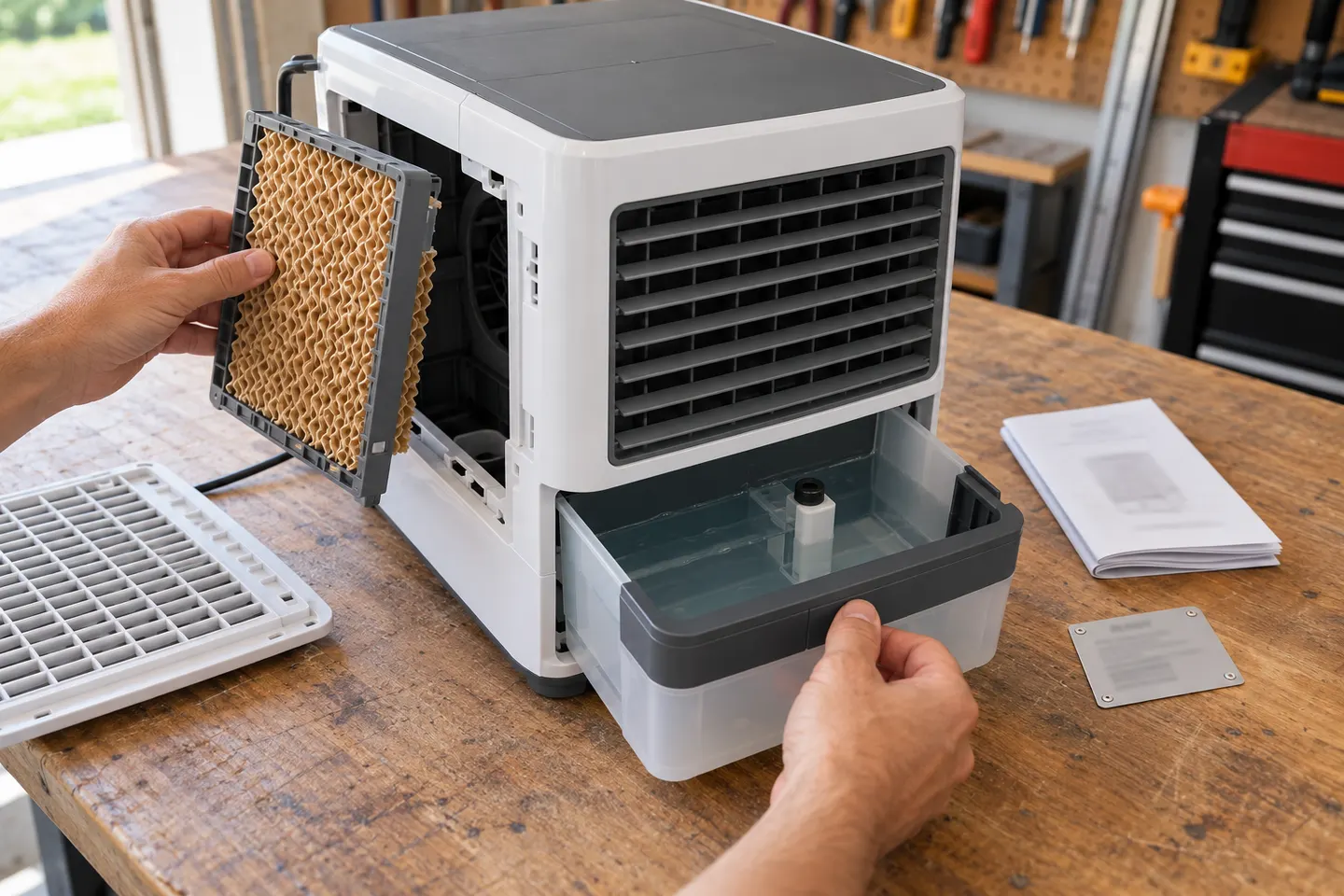 Do Evaporative Coolers Work in High Humidity?
Common questions
Questions before you buy
Does an evaporative air cooler increase humidity?
Yes. Direct evaporative cooling adds water vapor as it cools air; the EPA describes these units as increasing indoor relative humidity.
Are evaporative coolers effective in humid climates?
Their cooling effect is limited when the air is already humid. DOE guidance says evaporative coolers work best in arid climates.
Should windows be open when using an evaporative cooler?
A route for air to leave helps prevent moisture from accumulating. Follow the appliance manual and ventilate the room.
Can an evaporative cooler cause damp or mold?
Excess moisture can contribute to indoor moisture problems. Monitor room conditions, keep the unit clean, and stop using it if condensation or dampness appears.
Is an evaporative cooler a dehumidifier?
No. It adds moisture during direct evaporative cooling; it does not remove water from indoor air.